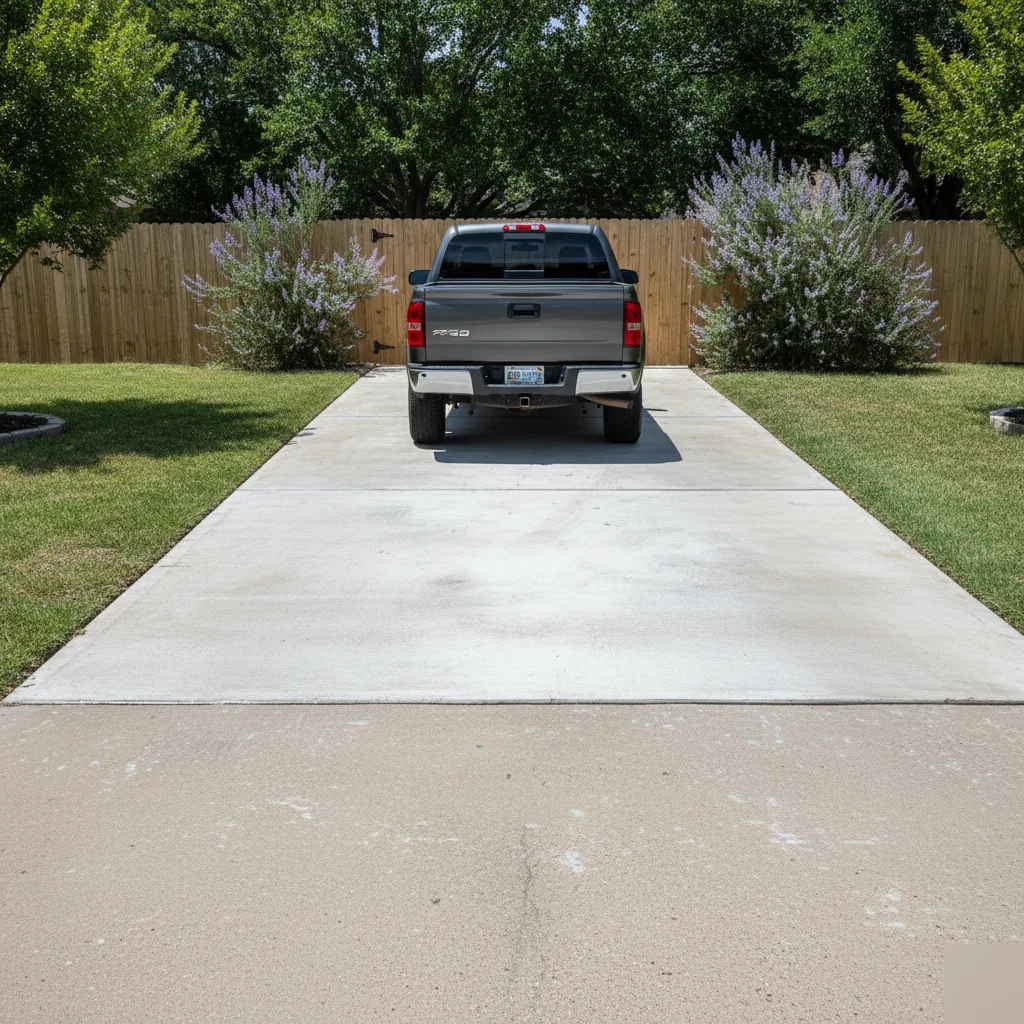

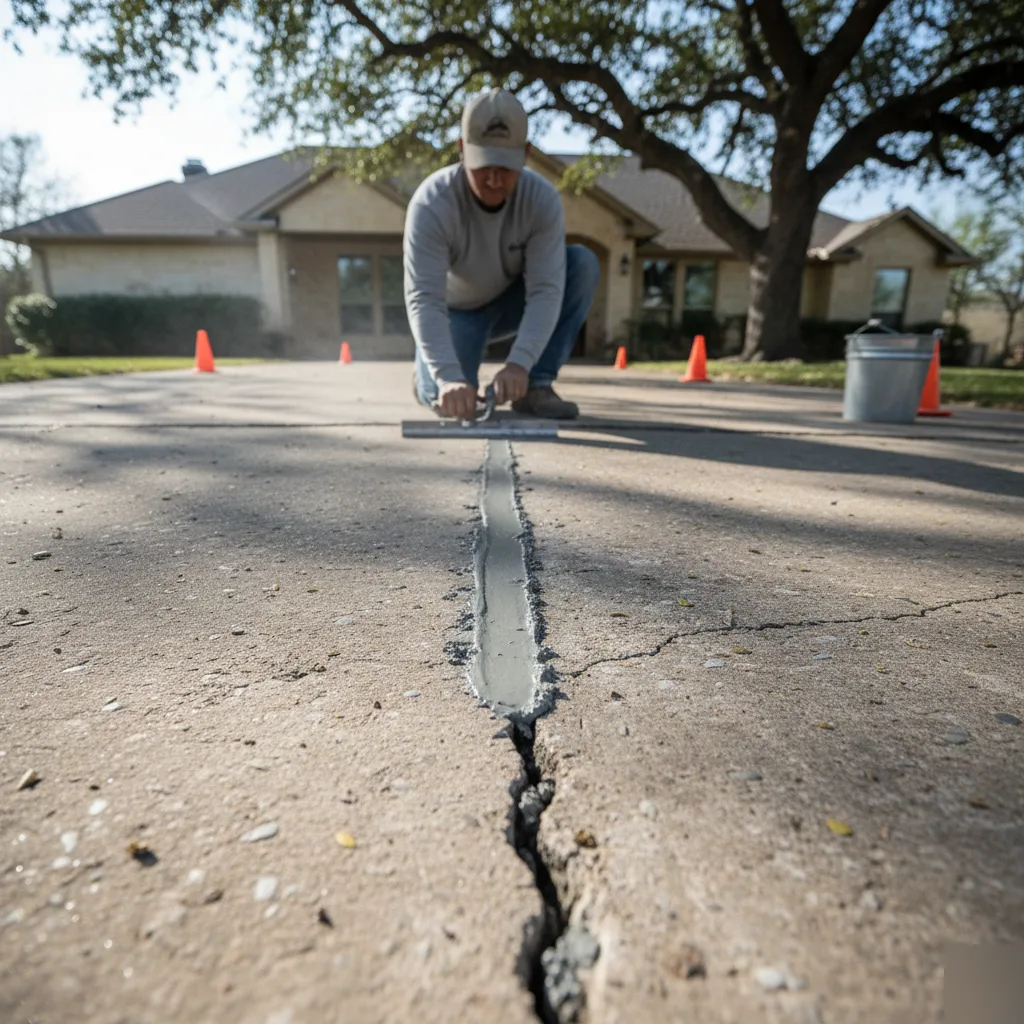
Driveway Repair · Austin, TX

Austin Driveway Repair

Expert driveway repair in Austin that stops cracks before they spread. Local crews diagnose, repair, and protect your driveway. Call to book today.

Warning signs

Signs Your Driveway Is Telling You to Call a Pro

You walk past it every day. That's the problem. Driveway damage creeps in slow, and your eyes adjust to it before your brain catches up. Then one morning you really look at it and think, "How long has that been there?"

We see this every week. A homeowner in Austin calls us about a crack that "just appeared." But when we get out there, the signs have been building for months. Sometimes years. For professional driveway repair in Austin, the good news is you don't need to be an expert to spot trouble early. You just need to know what to look for.

Red Flags That Mean It's Time

Here's what should get your attention:

  • Cracks wider than a quarter inch. Hairline cracks happen. But once a crack gets wide enough to fit a pencil tip, water is getting underneath and making things worse with every rain.
  • Uneven sections or sunken spots. If one slab sits lower than the one next to it, the soil underneath has shifted. Central Texas clay is notorious for this.
  • Crumbling or flaking along the edges. Edges break down first. Once they start, the damage works its way inward fast.
  • Pooling water after a storm. Your driveway should shed water, not hold it. Standing puddles mean the surface has settled or the grade has changed.
  • Cracks that run toward your garage or home foundation. This one matters most. A crack traveling toward your structure could signal soil movement affecting more than just the driveway.

Not sure if what you're seeing is serious? That's actually pretty common. Folks over near the Mueller neighborhood deal with expansive clay that swells and shrinks hard through our dry summers and wet springs. A driveway that looked fine in March can show real movement by October.

A damaged driveway isn't just ugly, it's actively getting worse. Water enters those cracks, the soil beneath erodes or expands, and the concrete loses its support. What starts as a simple repair can turn into a full replacement if you wait too long.

Someone ignored a couple warning signs, then called us when the damage got expensive. Don't be that call. If you're seeing any of these signs, it's worth a free estimate just to know where you stand.
The root cause

What Austin's Clay Soil Does to Concrete Over Time

Central Texas sits on some of the most reactive clay soil in the country. We're talking about expansive clay, the kind that swells when it gets wet and shrinks hard when it dries out. In Austin, we get both extremes. A heavy spring rain followed by a brutal July drought. That cycle puts constant stress on every concrete surface touching the ground.

Your driveway takes the worst of it.

Here's what happens underneath. When the soil expands, it pushes upward against the slab. When it contracts during dry spells, voids form beneath the concrete. The slab has nothing to rest on in those spots, so it settles unevenly. Over time, you get cracks, sunken sections, and edges that lift or separate from the garage floor.

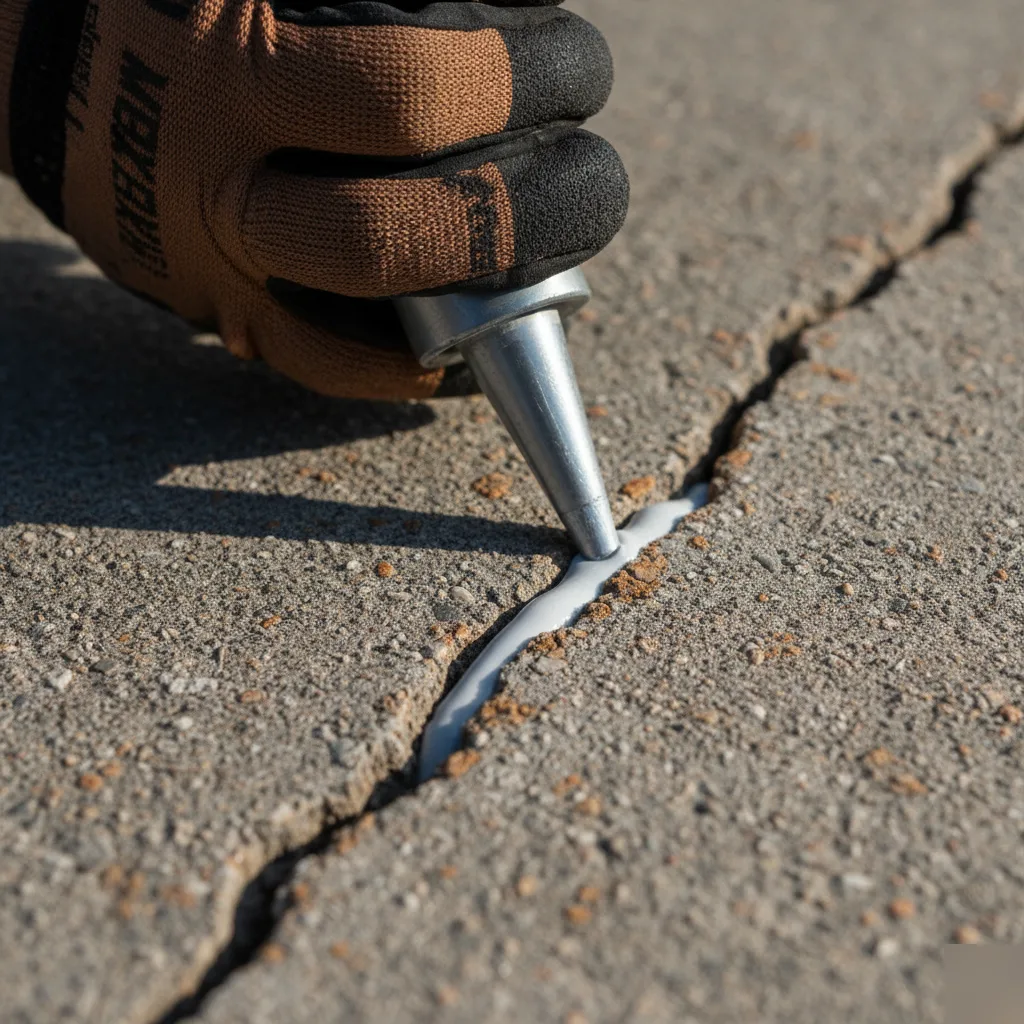
Close-up of crack sealant being injected into a settled concrete driveway in Austin

The damage shows up in predictable ways:

  • Hairline cracks that widen over a single summer
  • One panel sitting noticeably lower than the one next to it
  • Gaps forming where the driveway meets the foundation or garage slab
  • Water pooling in areas that used to drain fine

Neighborhoods like Circle C and Avery Ranch deal with this constantly. The soil composition varies block to block, but the pattern is the same. According to the Texas A&M AgriLife Extension, expansive clay soils cause more financial damage to structures in the U.S. each year than floods, hurricanes, and earthquakes combined. That stat surprises most people, but it won't surprise anyone who's watched their driveway crack apart over two seasons.

The soil isn't going to change. It's been here longer than any of us. So the real question isn't whether your driveway will be affected. It's how far the damage has gone and what it'll take to fix it before the next wet-dry cycle makes things worse. Ignoring a small crack in January usually means dealing with a much bigger repair by August.

Repair or replace

Repair vs. Replace: How to Make the Right Call

This is the question we hear more than any other. Folks in Austin stare at their cracked, sunken driveway and wonder if it's worth fixing or if the whole thing needs to come out. The honest answer? Most driveways we look at don't need full replacement.

But some do. So here's how we think through it.

A few things tell us a driveway repair makes sense. The slab is still mostly intact. Cracks are isolated to one area. Settlement is happening in a section, not across the entire pour. In cases like these, polyurethane foam injection can lift settled sections back to grade and fill the voids underneath. Concrete crack repair handles the surface damage. You get a functional driveway again without tearing everything out.

Full replacement starts making sense when you see problems like these:

  • Widespread crumbling or spalling across most of the surface
  • Multiple sections settled in different directions with no stable base left
  • Tree root damage so severe the slab is broken into pieces
  • The concrete is decades old and was poured too thin to begin with

In a lot of cases, we can save a good portion of the driveway. Central Texas clay causes a lot of movement, especially in neighborhoods like Circle C Ranch where the expansive clay really puts slabs through it. That movement creates voids under the concrete. The slab drops. Cracks form. It looks terrible. But the concrete itself is often still solid, it just lost the support underneath.

That's the key distinction. If the ground failed but the concrete held up, repair is the right move. If the concrete itself is falling apart, replacement is the better path. We walk every driveway with our customers and show them exactly what we're seeing. No guesswork.

Not sure which camp your driveway falls into? Give us a call for a free estimate and we'll walk through it together.

Our Process

How the Driveway Repair Process Works, Start to Finish

People ask us all the time what a typical driveway repair job looks like. Fair question. Here's how we handle it from the first phone call to the final walkthrough.

  1. 1
    Free on-site assessment

    We come out, look at your driveway, and figure out what's going on underneath. Cracks, settling, heaving, we check it all. In Austin's Central Texas clay, the cause usually traces back to soil movement, so we're looking at drainage patterns and soil conditions too.

  2. 2
    Explain what we found

    No jargon dump. We tell you what's wrong, why it happened, and what we recommend. If your slab just needs polyurethane foam injection to fill voids and lift settled sections, we'll say that. If the damage points to a deeper foundation issue, we'll say that too.

  3. 3
    Prep the work area

    We protect landscaping, mark utility lines, and clear the space. In the Circle C Ranch area, driveways often sit close to flower beds and retaining walls. We take care not to disturb what's around the repair zone.

  4. 4
    Perform the repair

    The method depends on the diagnosis. Polyurethane foam injection works well for lifting and stabilizing settled concrete. Concrete crack repair handles surface-level damage. For more serious settlement, we may need to address the slab itself. Every step gets done with the right equipment for the job.

  5. 5
    Verify the results

    We check levels, confirm the lift is where it should be, and make sure drainage flows away from your home. Nothing gets left to guesswork.

Most driveway repair jobs in Austin don't need you to miss more than a morning of your routine.

We also clean up before we leave. No leftover materials, no foam residue on your curb, no tire tracks across your yard. Your driveway should look better than it did when we pulled up.

But the real value isn't speed. It's knowing the repair was done right the first time, by a licensed crew that understands how this soil behaves season after season.

Driveway aprons

The Austin Driveway Apron Problem Most Contractors Won't Touch

That flared section where your driveway meets the street? That's your apron. In Austin, it takes a beating that most people don't think about until something goes wrong.

We get calls about driveway aprons every week. The story's almost always the same. A homeowner notices a lip forming between the apron and the street, or a crack running right across the joint. Water pools there after every rain. Maybe the mailman tripped. Maybe a tire keeps catching the edge. It's one of those things you drive over a hundred times before you finally stop and look at it.

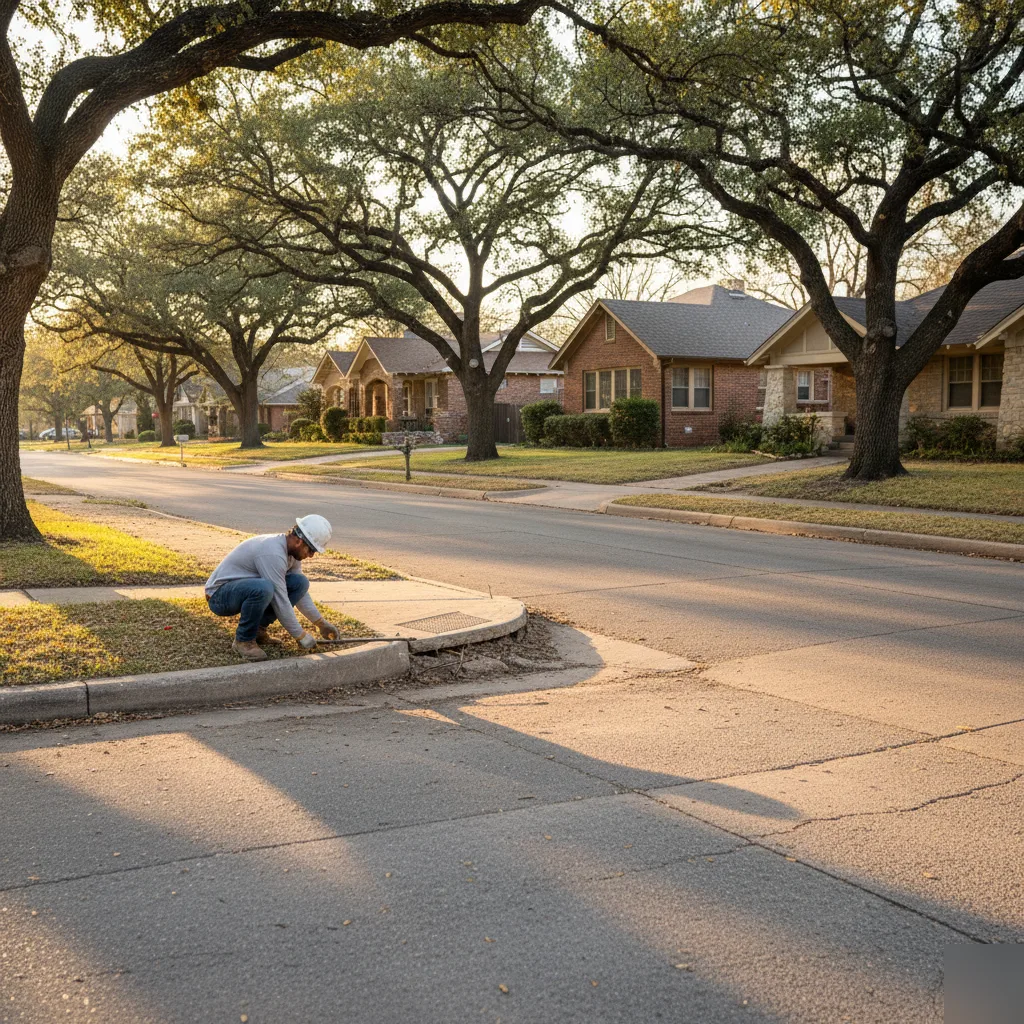
Heaved concrete at a driveway apron meeting the street in Austin

Here's why aprons fail so often in Austin. The soil underneath shifts constantly. Central Texas clay expands when it's wet and shrinks when it dries out. That cycle puts stress on the apron because it sits at a point between two different surfaces, your driveway slab and the city street. Neither one moves the same way, so the apron absorbs all that tension, and eventually something gives. In the Circle C Ranch area, we see this a lot on homes built in the early 2000s where the original pour was thinner than it should've been.

Most general contractors won't touch apron work. There's a reason for that. Apron repair often involves:

  • Coordinating with city right-of-way rules since the apron sits on or near public property
  • Addressing the void beneath the slab that caused the settlement in the first place
  • Matching the grade so water drains toward the street, not back toward your garage
  • Making sure the fix ties into the existing driveway without creating a new weak point

Polyurethane foam injection works well for aprons that have settled but aren't fully cracked through. The foam fills voids underneath and lifts the slab back to grade. It cures fast, it's lightweight, and it won't wash out like loose fill material. For aprons that are broken apart, we'll remove the damaged section and repour it with proper thickness and reinforcement.

Skipping the void underneath is the mistake we see other crews make. They'll repour the concrete and walk away. Six months later the new slab settles into the same empty space. That's not driveway repair, that's expensive concrete disposal. We fix what's below before we fix what's on top.

Frequently asked questions

Driveway repair in Austin, answered

How long does driveway repair take in Austin?

Most driveway repairs in Austin are finished in a single day. Polyurethane foam injection lifts settled slabs in a matter of hours, and the surface is ready to drive on almost immediately. Crack repairs need a short cure window before you park on them. The timeline depends on how much area needs work, but you won't be dealing with a torn-up driveway for days. We schedule most jobs within the same week you call.

Does Austin's clay soil make driveway problems worse than other areas?

Yes, and it's one of the biggest factors we deal with here. Central Texas expansive clay swells during wet springs and shrinks hard through dry summers. That constant movement creates voids under your slab, which leads to settling, cracking, and uneven sections. Neighborhoods like Circle C and Avery Ranch see this pattern constantly. The soil cycle doesn't stop, so catching damage early is the best way to keep repairs manageable instead of expensive.

Can a cracked driveway be repaired, or does the whole thing need to come out?

Most driveways we look at can be repaired rather than fully replaced. If the concrete slab is still mostly solid and the cracking is isolated, repair is the right call. Full replacement makes more sense when the surface is crumbling across most of the driveway or multiple sections have settled in different directions with no stable base left. We walk every driveway with you and show you exactly what we're seeing before recommending anything.

What should I do before the repair crew arrives at my Austin home?

Clear the driveway of vehicles, trash cans, and anything stored along the edges. If there's a gate or side yard access needed, make sure it's unlocked. You don't need to be home the whole time, but it helps to be available at the start so we can walk the driveway together and confirm the scope of work. That walkthrough takes about ten minutes and makes sure we're both looking at the same problem before any work begins.

Will the repaired sections match the rest of my existing driveway?

Repaired areas will blend reasonably well, but a perfect color match to aged concrete isn't always possible. Concrete weathers and changes color over time, so new material or filler will look slightly different at first. Most homeowners find the difference fades as the repair cures and weathers. If appearance is a priority, we can talk through surface options during your estimate. Function comes first, but we want you happy with how it looks too.

How do I know if water pooling on my driveway is a repair issue or a drainage issue?

If water is pooling in spots that used to drain fine, the driveway has likely settled and changed grade. That's a repair issue. If water always collected in one spot even when the driveway was new, it may be a drainage design problem instead. In Austin, heavy spring rains make this easy to spot. Standing water that sits for hours after a storm is a sign the surface has shifted. A quick inspection can tell you which situation you're dealing with.

A small crack in January is a big repair by August

Water gets in, the soil shifts, and the damage spreads fast. Catch it early with a free estimate and keep the repair simple.