
Concrete Underpinning · Austin, TX

Concrete Underpinning in Austin

Concrete underpinning in Austin that stabilizes shifting foundations at the source. Expert diagnosis, lasting results. Call to schedule your assessment today.

Warning signs

Warning Signs That Point to a Concrete Underpinning Problem

Most folks don't call a concrete contractor in Austin TX first thing. They notice something small. A crack above a door frame. A window that used to slide easy but now sticks every time. Then weeks go by, maybe months, and it gets worse. That's the pattern we see over and over again in Austin.

Central Texas clay soil is the root cause in most cases. It swells when it rains and shrinks during drought. That constant push and pull moves your foundation, sometimes unevenly. Your house tells you about it before things get serious, you just have to know what to look for.

Common Signs We See on Every Job

Here's what typically sends homeowners reaching for the phone:

  • Diagonal cracks running from the corners of windows or doors toward the ceiling
  • Gaps forming between walls and the floor or between walls and the ceiling
  • Doors that won't latch or swing open on their own
  • Visible cracks in exterior brick or stone, especially stair-step patterns in mortar joints
  • Uneven or sloping floors you can feel when you walk across a room

Not every crack means you need concrete underpinning. Some hairline cracks are normal settling. But if a crack is wider than a quarter inch, or if you're seeing multiple signs at once, that's your foundation asking for help.

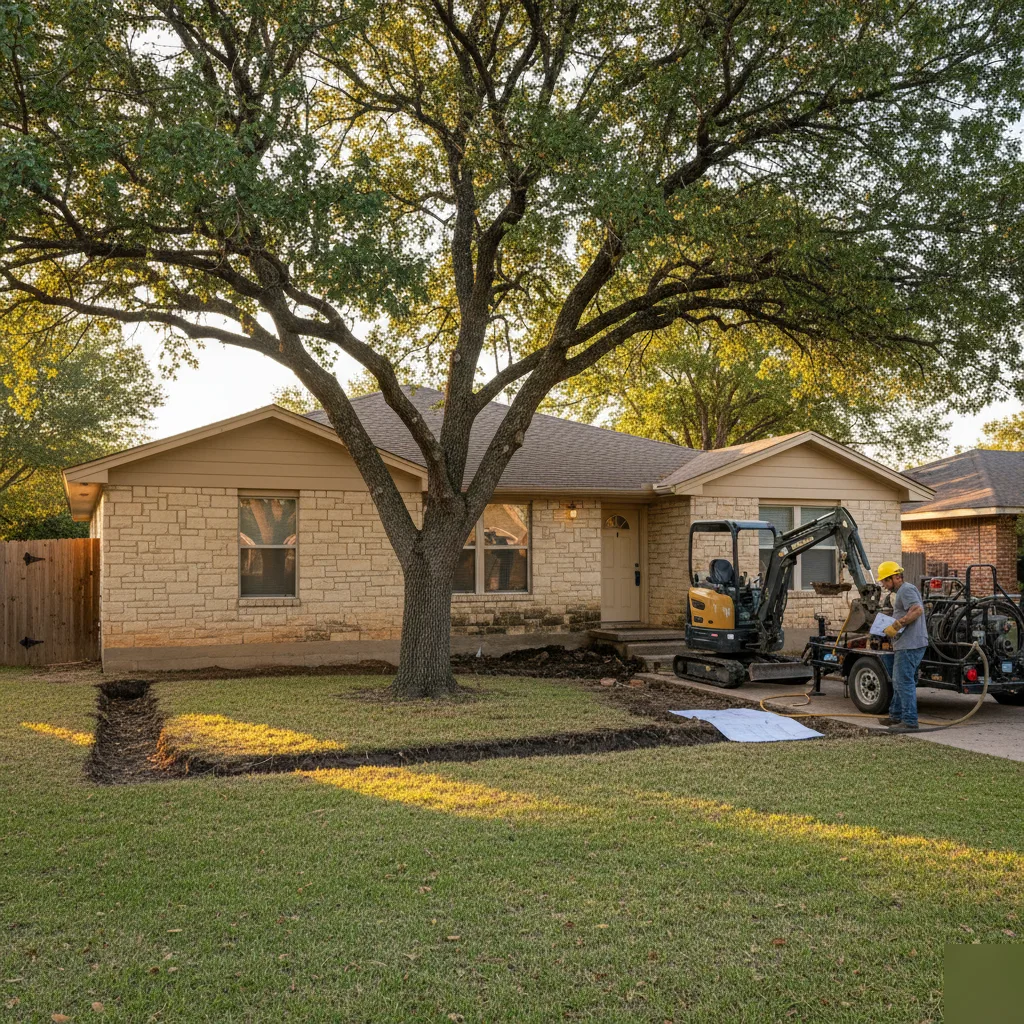
We get calls from homeowners in the South Lamar area who notice their back doors dragging on tile. Or someone near Barton Hills sees a gap growing between their chimney and the exterior wall. The soil underneath has shifted enough to pull part of the foundation down. That's differential settlement, and it won't fix itself.

One thing people don't always connect is plumbing trouble. A shifting slab can crack drain lines underneath your home. So if you're dealing with mysterious leaks or slow drains along with any of the signs above, there's a good chance the foundation is involved.

These problems get worse with time, not better. The sooner you get a licensed structural evaluation, the fewer piers you'll likely need. Waiting usually means a bigger job and more disruption to your home.
The root cause

How Austin's Soil Makes Concrete Underpinning Necessary

The ground under your home isn't as stable as it looks. Austin sits on heavy expansive clay, and that clay has a mind of its own. When it rains, the soil swells. During a dry stretch, it shrinks and pulls away from your foundation. That constant push and pull is what causes foundations to shift, crack, and settle unevenly over time.

We see this play out across Austin every week.

Homes in neighborhoods like South Lamar and Bouldin Creek sit on some of the most reactive clay in the area. The soil can expand by 30% or more when saturated, according to the Texas Section of the American Society of Civil Engineers. That kind of movement puts real stress on a foundation. And it doesn't take years to cause damage. Sometimes one bad drought-to-rain cycle is enough to open cracks in your walls or make doors stick in their frames.

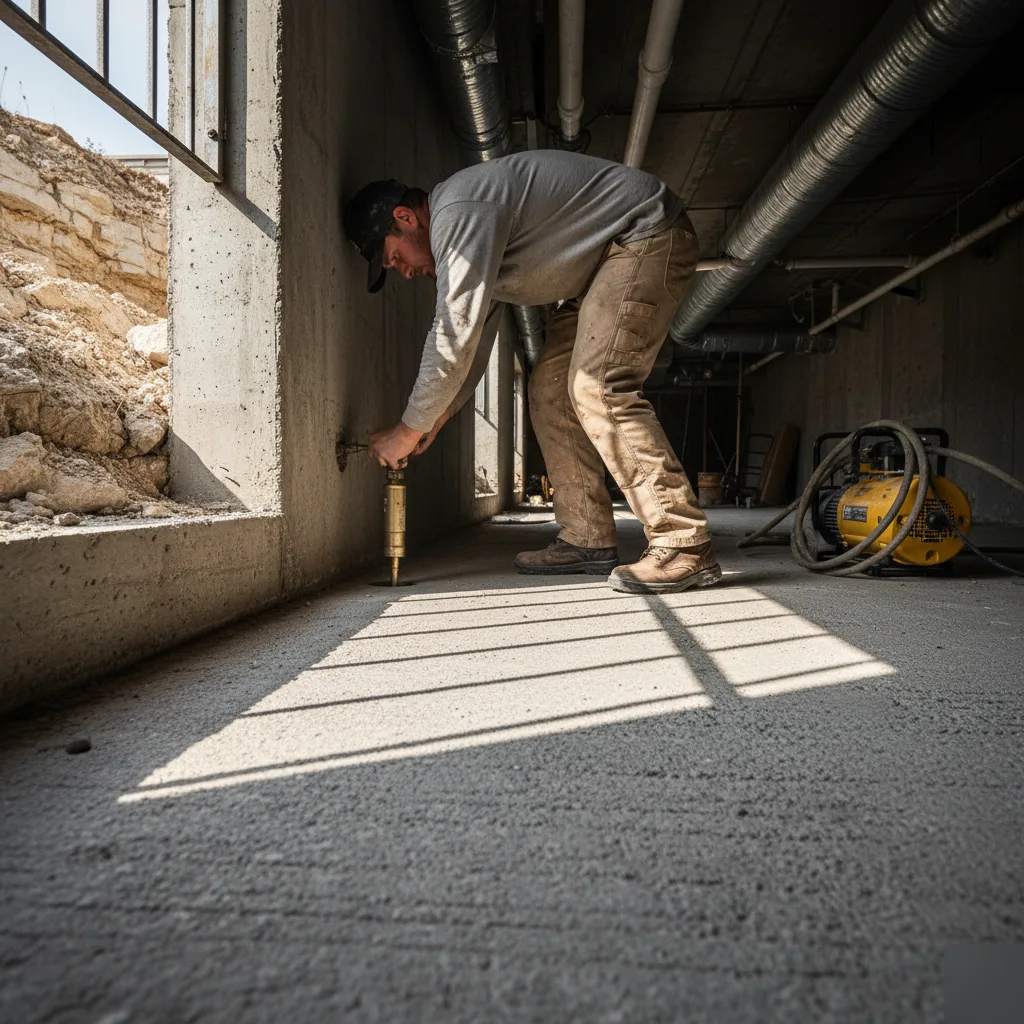
Hydraulic concrete underpinning injection at a foundation wall on an Austin home

Here's what makes Central Texas clay especially tricky:

  • It holds moisture unevenly, so one side of your home can settle while the other stays put
  • Tree roots pull water from the soil near your foundation, creating dry pockets that cause localized sinking
  • Poor drainage around the slab accelerates the wet-dry cycle right where it hurts most
  • Older homes built before modern soil prep standards are more vulnerable to shifting

Concrete underpinning works because it addresses what the soil can't do on its own. It transfers the weight of your home down through the unstable clay to firmer ground below. Concrete pilings are pressed into the soil beneath your foundation, giving it a stable base that doesn't move with the seasons. It's a proven method in this part of Texas, and it's cost-effective for the kind of soil conditions we deal with here.

Not sure if your foundation problems are soil-related? They almost always are in Austin. The geology here practically guarantees it. That's not a scare tactic, it's just the reality of building on expansive clay.

Our process

The Concrete Underpinning Process from Assessment to Final Inspection

We've done this enough times to know that every job in Austin starts the same way. Someone calls because something doesn't look right. A door won't latch. A crack keeps growing. So we show up, and we figure out exactly what's going on before we touch a thing.

Here's how concrete underpinning works from start to finish:

  1. 1
    Structural assessment

    Our crew inspects the foundation, checks floor elevations, and documents every crack or sign of movement. If needed, we bring in a structural engineering report to confirm the scope of work.

  2. 2
    Excavation

    We dig down to the base of your existing foundation at each pier location. In Austin's Central Texas clay, this means working through dense, expansive soil that shifts with moisture changes.

  3. 3
    Forming and pouring new footings

    We place reinforced concrete sections beneath your existing foundation. Each one is positioned to transfer the load of your home down to more stable ground.

  4. 4
    Lifting and leveling

    Using hydraulic jacks, we carefully raise the settled areas back toward their original position. This is slow, precise work. Rushing it can cause new cracks.

  5. 5
    Backfill and cleanup

    Once everything is set, we backfill the excavation sites and grade the soil away from the foundation.

  6. 6
    Final inspection

    We re-check elevations across the slab and verify that the structure is sitting where it should be.

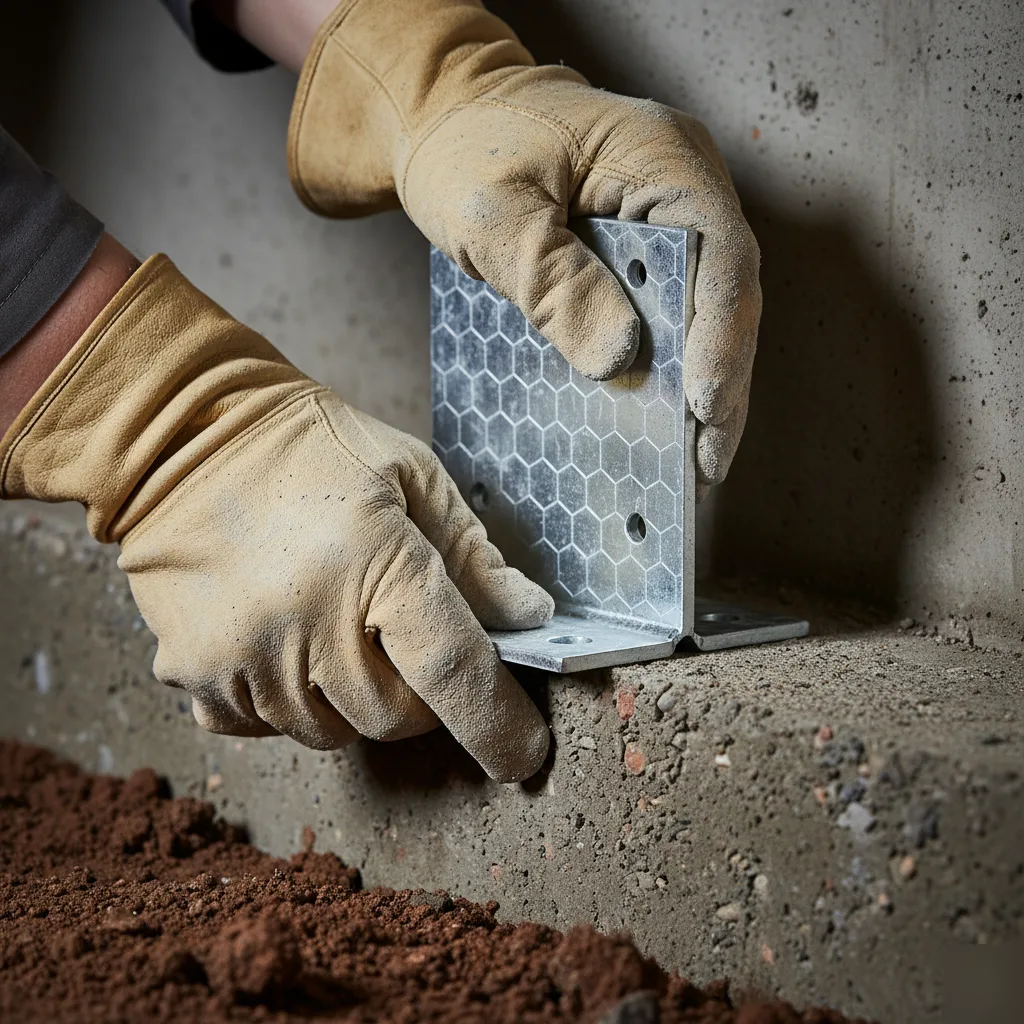
Steel bracket and footing installed during concrete underpinning in Austin

Homeowners near Barton Hills or anywhere along the limestone-to-clay zones are dealing with soil movement that's been building for years. The concrete underpinning process addresses that root cause, not just the symptoms you see inside.

The whole process typically happens from the outside of your home. But when piers are needed under interior walls of a slab foundation, we use tunneling to reach those spots without tearing up your floors.

Every job gets a final walkthrough with you. We show you what we did, where we did it, and what to watch going forward. No guesswork, just a solid foundation under your feet again.

Permits & engineering

Permits, Engineers, and What Austin Requires Before Work Begins

Most folks don't think about permits until someone tells them they need one. Fair enough. But concrete underpinning in Austin does come with requirements, and skipping them can cost you down the road.

The City of Austin typically requires a building permit for structural foundation work. That includes underpinning. You'll also need a structural engineering report before any reputable contractor starts digging. We won't touch a job without one. That report tells us exactly what's happening beneath your home, where the load needs to go, and how deep we need to place piers. It's the blueprint for everything.

What the Process Looks Like

Here's how it usually plays out before we ever break ground:

  1. 1

    A licensed structural engineer inspects your property and documents the settlement pattern.

  2. 2

    The engineer produces a repair plan with pier locations, depths, and load specs.

  3. 3

    We pull the required permits through the City of Austin's Development Services Department.

  4. 4

    The city reviews the engineering plan and issues approval.

  5. 5

    Work begins only after permits are in hand and the plan is locked in.

Homeowners near Crestview or Brentwood sometimes tell us they had no idea an engineer was part of the deal. It's not optional. According to the International Building Code underpinning requirements, structural modifications to a building's foundation require engineered plans and local code compliance. Austin enforces this, and we're glad they do.

A permitted job protects your investment. If you ever sell your home, buyers and their inspectors will ask for documentation. An unpermitted repair raises red flags. It can stall a sale or kill it entirely.

We handle the permit process for you. Our team coordinates with the engineer, submits the paperwork, and schedules inspections. You don't have to chase down city offices or figure out which forms to file. That's our job, and we do it on every project in Austin.

And if your property sits in a historic overlay zone or has specific zoning restrictions, how to handle that too. No surprises once the crew shows up.

After the repair

What to Watch for After Concrete Underpinning Is Complete

The work's done. Your foundation's been stabilized. But concrete underpinning isn't a "set it and forget it" fix. The weeks and months after installation matter just as much as the work itself.

We tell every homeowner in Austin the same thing: keep your eyes open for the first few months. Your home just went through a real adjustment. The structure needs time to settle into its new support system, and that's completely normal. Most of the time, everything looks great within a few weeks. But you should still know what to watch for.

Normal Signs vs. Red Flags

Some things after underpinning are expected. Hairline cracks in drywall or small cosmetic blemishes near door frames? Those happen as the house adjusts. We see this on nearly every job. They're surface-level and easy to patch once the settling period wraps up.

Here's what should get your attention:

  • New cracks that grow wider over several weeks
  • Doors or windows that start sticking again after they were working fine
  • Floors that feel uneven in areas that were recently leveled
  • Gaps forming between walls and the ceiling or floor

Any of those could mean something shifted. It doesn't always mean a big problem, it could be something minor that needs a quick look. But don't wait on it.

We always remind folks over in the East Riverside area and other parts of Austin built on heavy clay: your soil hasn't changed. The underpinning solved the structural problem, but Central Texas clay still expands and contracts with the seasons. Keeping a consistent watering schedule around your foundation helps protect the work that was done. Dry soil pulls away from the slab. Saturated soil pushes against it. Neither is good.

And if something does look off, call your contractor. A licensed crew will come back out and check things. We'd rather take a look at something small now than deal with a bigger issue later.

Frequently asked questions

Concrete underpinning in Austin, answered

Why do so many Austin homes need concrete underpinning compared to other cities?

Austin's expansive clay soil is the main reason. The clay here can swell by 30% or more when it gets wet, then shrink back during dry stretches. That repeated movement pushes and pulls your foundation unevenly over time. Neighborhoods like South Lamar and Bouldin Creek sit on some of the most reactive soil in the area. Most cities don't deal with this level of soil movement. In Austin, it's practically built into the geology.

How long does the concrete underpinning process take from start to finish?

Most residential concrete underpinning jobs in Austin take between two and five days on-site. The timeline depends on how many piers your foundation needs and whether interior tunneling is required. The assessment and structural inspection happen before work begins, so you're not waiting around once the crew shows up. Jobs with interior pier locations take longer because tunneling under the slab adds time. Your crew will give you a realistic schedule after the initial evaluation.

Will concrete underpinning fix my sticking doors and growing wall cracks?

Yes, in most cases it does. Sticking doors and diagonal wall cracks are usually caused by differential settlement — one part of your foundation sinking while another stays put. Concrete underpinning lifts the settled areas back toward their original position. Once the foundation is stabilized, doors typically latch again and cracks stop growing. Some cosmetic repairs may still be needed after the work is done, but the root cause gets addressed.

Can a shifting foundation in Austin cause plumbing problems too?

It can, and this one surprises a lot of homeowners. When a slab foundation shifts, it can crack the drain lines running underneath your home. If you're seeing slow drains or unexplained wet spots along with wall cracks or sticking doors, your foundation may be involved. We see this connection regularly on jobs across Austin. A licensed structural evaluation can help determine whether the plumbing issues and foundation movement are related before you spend money fixing just one of them.

Do I need to leave my home during concrete underpinning work?

Most homeowners stay in their homes during the process. The work happens from the outside perimeter in most cases. If interior tunneling is needed to reach piers under interior walls, there may be some disruption inside, but it's usually limited to specific areas. Your crew will walk you through what to expect before work starts. Dust and noise are the main inconveniences. Most families in Austin manage fine staying put for the duration of the job.

How do I know if I actually need concrete underpinning or just minor crack repair?

A crack wider than a quarter inch is a signal worth taking seriously. So is seeing multiple signs at the same time — sticking doors, gaps between walls and floors, and exterior stair-step cracks in brick mortar. Hairline cracks from normal settling are common and usually not a concern. But when the signs stack up, or when a crack keeps growing, that points to foundation movement that surface repairs won't fix. A structural evaluation gives you a clear answer without guessing.

These problems get worse with time, not better

The sooner you get a licensed structural evaluation, the fewer piers you'll likely need. Schedule your assessment today.