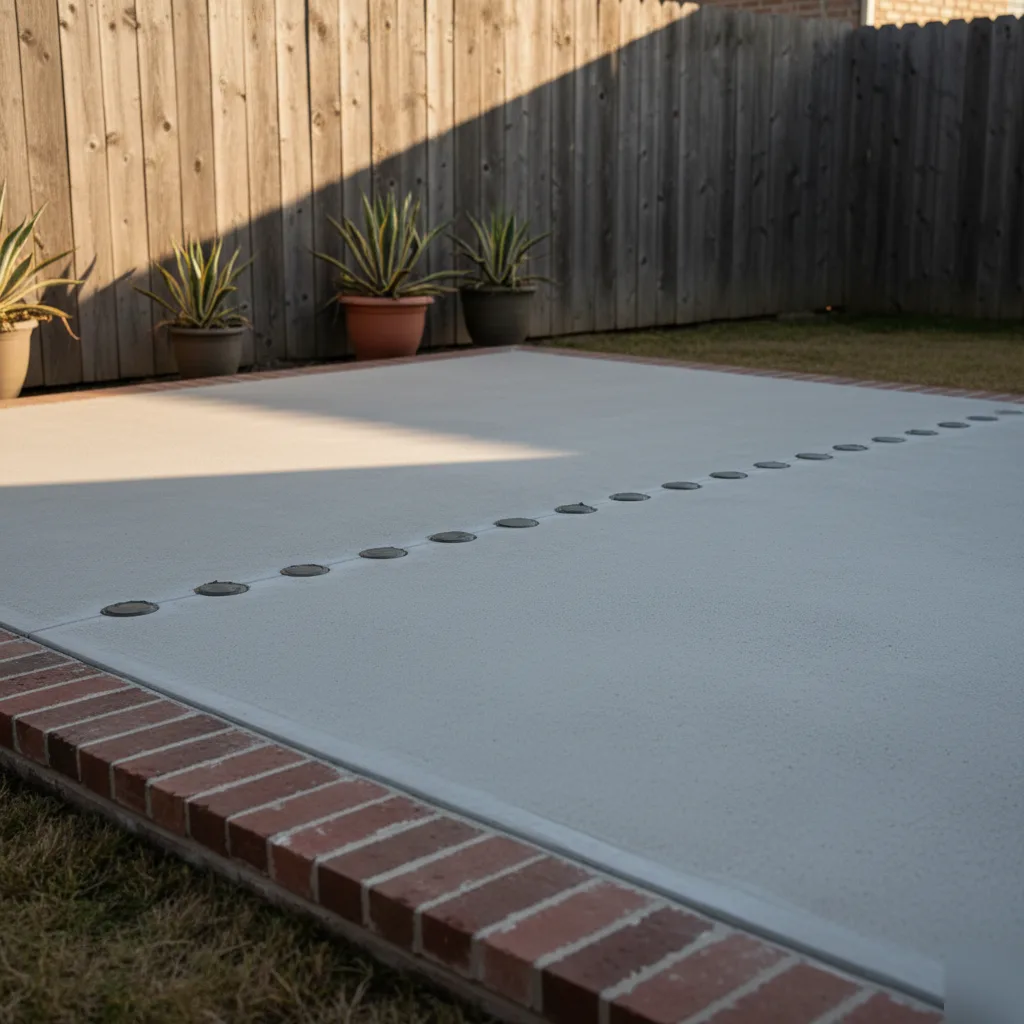

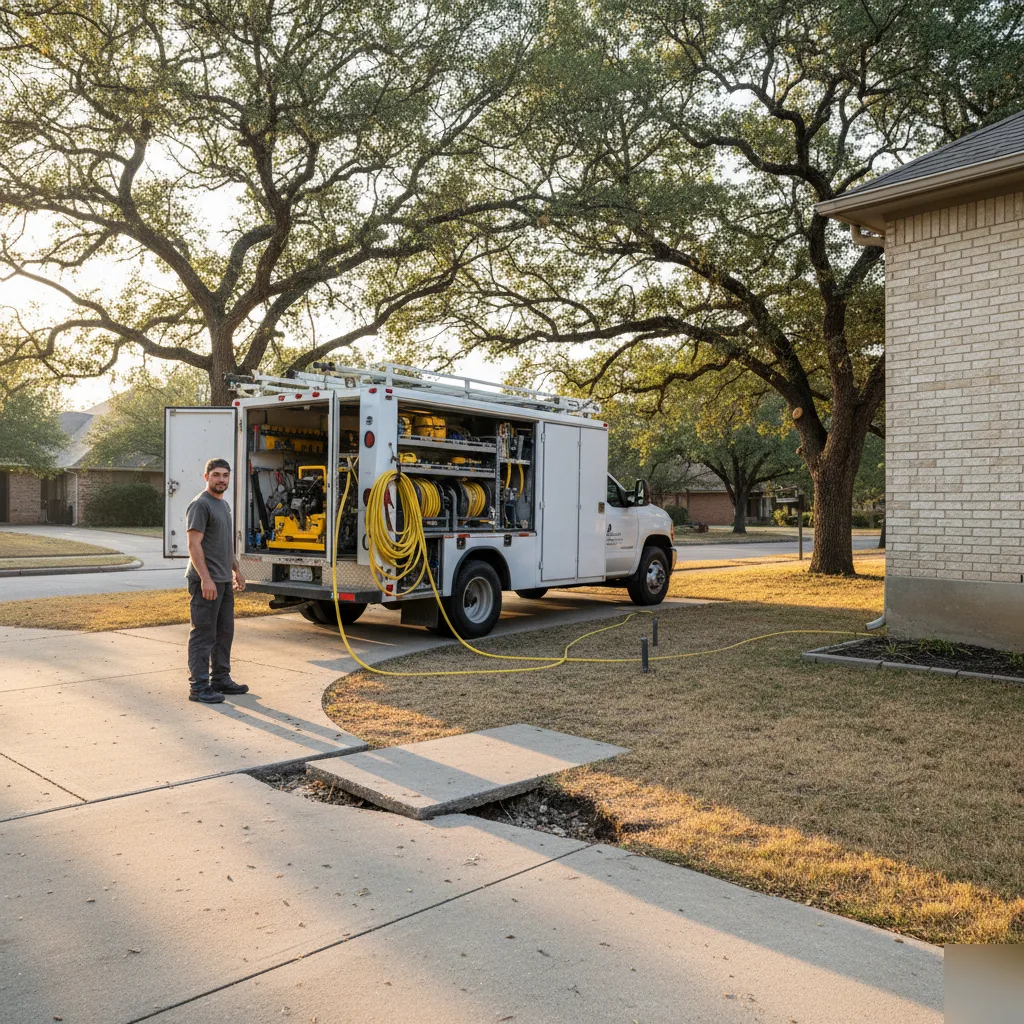
Polyurethane Foam Injection · Austin, TX

Polyurethane Foam Injection in Austin

Polyurethane foam injection in Austin lifts sunken concrete fast with minimal disruption. Local experts, lasting results. Call to book your assessment today.

The root cause

Why Austin Concrete Sinks and Shifts

Central Texas clay soil is relentless. It swells with every rain and shrinks during dry spells, and that constant movement puts enormous stress on the concrete slabs above it. We provide specialized concrete contractor services in Austin.

Austin's climate makes this worse than most places. Long dry summers followed by heavy seasonal rain means the ground beneath your driveway, patio, or garage floor is rarely stable for long.

As the soil shifts, voids form underneath your concrete. Once those empty pockets develop, the slab above has nothing solid to rest on and begins to settle. We see this across Central Texas neighborhoods every single week.

Several conditions tend to accelerate the problem:

  • Poor soil compaction during original construction, leaving loose fill that compresses gradually over time
  • Tree roots drawing moisture from the soil and causing uneven shrinkage beneath slabs
  • Drainage issues that wash supporting material away from under concrete after heavy storms
  • Undetected plumbing leaks beneath slabs that slowly erode the soil without any visible sign above ground

A trip hazard where two slabs meet, a garage floor pulling away from the wall, or water pooling where it never used to — these are all signs that the soil underneath has moved. The concrete itself didn't fail on its own.

Addressing the root cause matters just as much as lifting the slab. If poor drainage drove the settling and nobody corrects it, the same problem will return. We take time to understand what happened before recommending a comprehensive repair plan.

Austin's clay soil isn't going anywhere. What you can control is how quickly you respond when concrete starts to move and who you trust to handle it properly.
Warning signs

Signs Your Slab Needs Foam Injection Now

You're walking across your garage floor and something feels off. The ground slopes toward one corner. Or maybe your patio has a gap where it meets the house that wasn't there last spring. These are the moments most Austin homeowners first realize something's happening under their concrete.

Central Texas clay soil is always moving. It swells when it's wet, shrinks when it's dry. That constant cycle creates voids beneath slabs, and once those voids form, your concrete starts to settle. Here's what that actually looks like day to day:

  • A driveway slab that's sunk half an inch or more at the seam
  • Pool deck sections that rock or shift when you step on them
  • Cracks running across a garage floor that keep getting wider
  • A front walkway that now tilts toward the yard, collecting water against the house
  • Interior floors near exterior walls that feel uneven underfoot
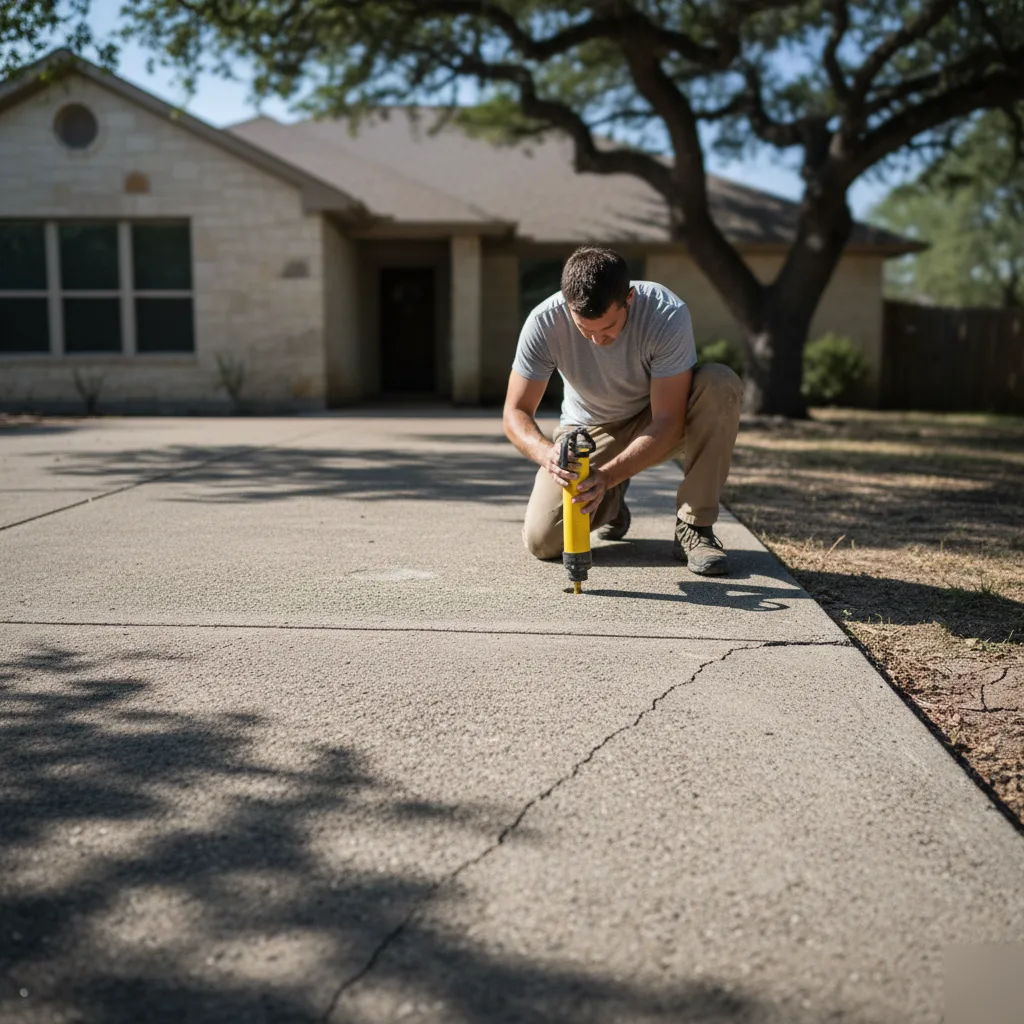
Sunken driveway slab being lifted with polyurethane foam injection in Austin

We see these calls every week from neighborhoods like South Lamar and Circle C Ranch. It's the same story. The slab looked fine for years, then one bad drought season opened up a void underneath. Gravity did the rest.

Not sure if your situation calls for polyurethane foam injection or something else? That's pretty common. The key distinction: if your concrete slab has settled or sunk but the home's foundation structure is still sound, foam injection is typically the right fix. It fills the void and lifts the slab back to level. But if you're seeing signs of deeper structural movement, doors that won't latch or diagonal cracks above window frames inside the house, that could point toward a foundation issue that needs piers instead.

If you've noticed any of these signs, it's worth having the slab looked at. Settled concrete can direct water toward your foundation, and in Austin's clay soil that moisture shapes how the ground behaves over time. An assessment is the simplest way to understand what's happening beneath the slab and what your options are.

Our process

What the Foam Injection Process Looks Like

Most folks in Austin picture a big, messy job when they hear "foundation work." Polyurethane foam injection is the opposite. The whole process is quick, and your property stays intact from start to finish.

Here's how we do it, step by step:

  1. 1
    Drill small access holes

    We drill penny-sized holes through the settled concrete, typically five-eighths of an inch. You'd have a hard time spotting them after we patch them.

  2. 2
    Insert injection ports

    Each hole gets a port that connects to our equipment. These ports let us control exactly where the foam goes beneath your slab.

  3. 3
    Inject the polyurethane foam

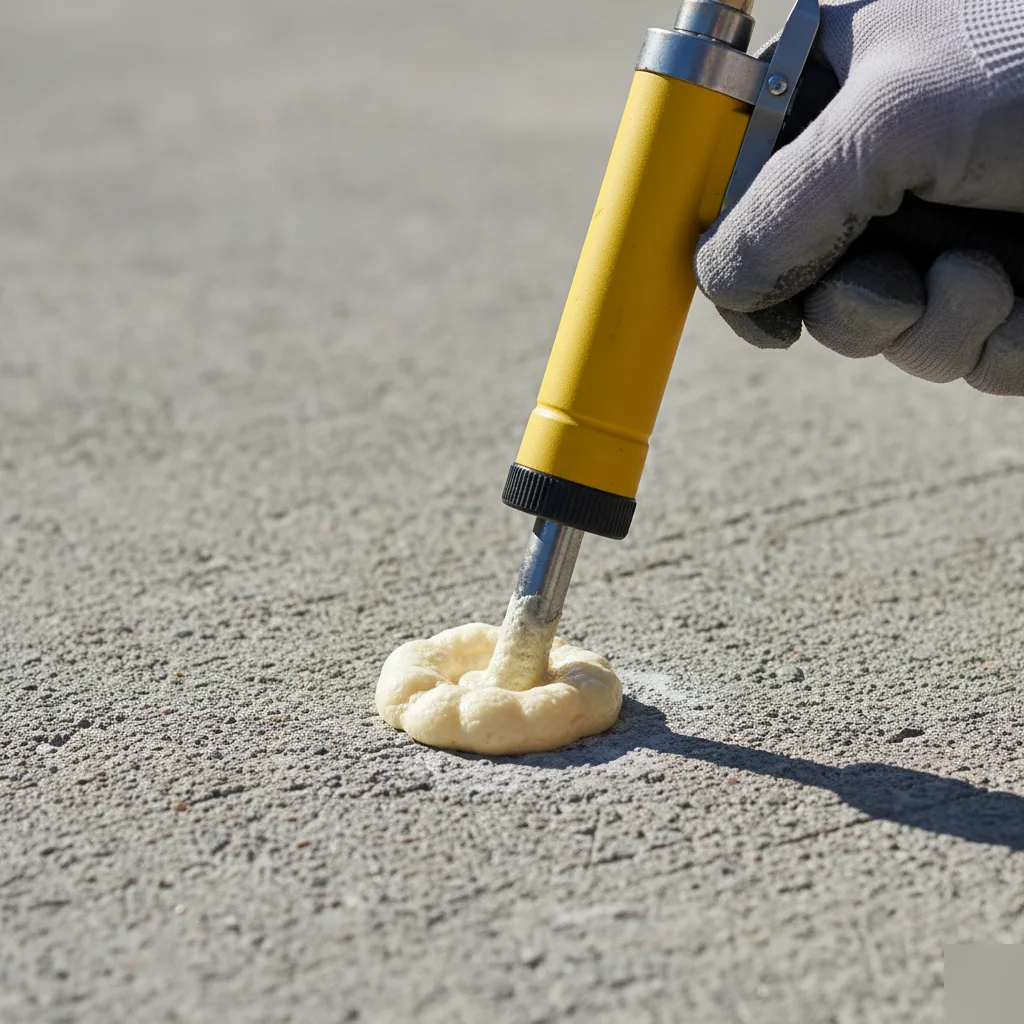
    The two-part liquid enters the void space under your concrete. Within seconds it expands, filling gaps and lifting the slab back toward its original position.

  4. 4
    Monitor the lift in real time

    We use laser levels and visual markers to track movement as it happens. This lets us stop the lift at the right spot.

  5. 5
    Patch the holes and clean up

    Once everything's set, we seal the drill points and leave your property clean. The foam cures in about 15 minutes.

Expanding polyurethane foam injected through a port in an Austin concrete slab

We've run this process on driveways near Barton Hills, pool decks in South Austin, and garage floors all over town. Most jobs wrap up in a few hours, not days.

One thing people don't expect is how little disruption there is. No heavy excavation. No jackhammers tearing up your slab. The equipment fits through a side gate, and we don't need to pull up flooring or landscaping. Your neighbors might not even notice we're there.

Because the foam is lightweight but strong, it won't overload the soil underneath. That matters in Austin's clay-heavy ground. The material resists moisture too, so it won't wash out or break down the way older mudjacking slurry can over time.

Wondering if your slab is a good fit for this process? Give us a call and we'll walk through it with you.

Foam vs. mudjacking

Foam Injection vs. Mudjacking: The Key Differences

We get this question almost every day. Someone's done a little research, they've seen both options, and they want to know which one actually makes sense. Fair enough. Let's break it down.

Mudjacking uses a heavy cement slurry pumped under the slab to fill voids and lift settled concrete. It's been around for decades. But that slurry is dense, it adds a lot of weight to soil that already couldn't hold what was on top of it. In Austin's expansive clay soils, that extra load can cause the same settling problem all over again. We've seen it happen on properties near the Mueller area more than once.

Polyurethane foam injection works differently. The foam is lightweight — a fraction of the weight of mudjacking slurry. It expands to fill voids completely, then cures in about 15 minutes. No heavy loads on weak soil.

Here are the differences that matter most to you:

  • Hole size: foam injection uses dime-sized holes, mudjacking requires holes roughly the size of a golf ball or larger
  • Weight: polyurethane foam won't overburden already-stressed soil the way a cement slurry can
  • Cure time: foam sets in minutes, mudjacking slurry can take a full day or longer
  • Water resistance: cured foam doesn't absorb moisture, but cement slurry can erode and wash out over time

That last point is a big deal in Austin. Our clay soil swells when it's wet and shrinks when it's dry. A material that absorbs water just adds another variable to an already unpredictable situation.

Not sure which approach fits your situation? Give us a call and we'll walk through it with you.

Mudjacking still has its place in some parts of the country. But for the soil conditions we deal with across Central Texas, foam injection tends to be the smarter long-term play. It's less invasive, it cures fast, and it doesn't fight against the ground it's sitting on. That matters when your driveway or patio slab needs to stay put through another Austin summer.

Honest scope

What Foam Injection Can and Can't Do

Foam injection is the right tool for a specific kind of problem, and we'd rather be clear about where it fits than oversell it. It works by filling voids in the soil near the surface and lifting settled slabs back toward level. That's what it does well.

Here's where it applies, and where it doesn't:

  • It's built for settled concrete slabs — driveways, patios, pool decks, walkways, and garage floors — where the structure above is still sound
  • It addresses voids in the near-surface soil, not deep structural foundation movement, which calls for piers instead
  • There's a practical limit to how far a slab can be lifted; concrete that's severely cracked or crumbling may be better replaced than lifted
  • It doesn't change Austin's clay soil moisture cycles on its own — good drainage still does its part after the repair

Every foam injection job we complete in Austin is backed by a two-year warranty on the foam. During an assessment we'll tell you honestly whether foam injection is the right fit for your slab, or whether another approach would serve you better.

After the repair

Keeping Austin Concrete Stable After the Job

The foam's cured. Your slab's level. Now what?

We get this question a lot, and it's a good one. Polyurethane foam injection does its job fast, but Austin's soil doesn't stop moving just because we fixed the problem today. Central Texas clay expands when it's wet and shrinks when it dries. That cycle puts constant pressure on every slab in this city. Keeping things stable after the repair means paying attention to a few simple habits.

Water Management Is the Big One

Most of the slabs we lift settled because of moisture problems in the soil underneath. Too much water on one side, not enough on the other. The clay shifts unevenly, voids form, and your concrete drops. After we finish the work, you've got to manage drainage around your property. Here's what we tell every customer:

  • Keep gutters clean and make sure downspouts direct water at least three feet from the slab edge
  • Grade the soil around your home so it slopes away from the foundation
  • During dry stretches, use a soaker hose around the perimeter to keep moisture levels consistent
  • Fix any plumbing leaks under the slab quickly, even small ones

Folks over in the Circle C area and down near Slaughter Lane deal with heavy clay that reacts fast to drought. A couple of weeks without rain in July can pull soil away from a slab edge. Consistent watering matters more than most people think.

Watch for new cracks too. Small hairline cracks in concrete aren't always a crisis. But if you see a crack widen over a few weeks, or a door starts sticking again, call us for a look. Catching movement early usually means a smaller fix.

We also recommend keeping heavy loads off recently lifted sections for the first 24 to 48 hours. The foam reaches full strength quickly, most jobs are ready for normal use the same day, but giving it a little extra time doesn't hurt.

Our team is insured and bonded, and we stand behind every job we do in Austin. Stability after the repair isn't just about our work. It's a partnership between what we do under the slab and what you do above it.

Frequently asked questions

Polyurethane foam injection in Austin, answered

How long does polyurethane foam injection take to cure in Austin's heat?

The foam cures in about 15 minutes, even in Austin's summer heat. That's one of the biggest advantages over older repair methods. Once it sets, you can walk on the surface right away. Driveways are typically ready for vehicle traffic within an hour. Our Central Texas summers actually help the process. The warm ground temperatures speed up the chemical reaction, so the foam expands and firms up quickly under your slab.

Will the foam wash out under my slab during heavy Austin rainstorms?

No, polyurethane foam resists moisture and won't wash out after heavy rain. This matters a lot in Austin, where storms can drop several inches in a short time. Unlike older mudjacking slurry, which can erode when water moves under a slab, polyurethane foam stays in place. It bonds to the concrete and the soil beneath it. So even after a big storm rolls through South Austin, the material holds its position and keeps your slab level.

How do I know if my settled concrete needs foam injection or full foundation repair?

If your concrete slab has sunk but your home's structure still feels solid, foam injection is usually the right call. The key signs to watch: a slab that's dropped at a seam, a pool deck that rocks when you step on it, or a driveway with a visible gap. If you're also seeing diagonal cracks above window frames or doors that won't latch inside the house, that points toward a deeper structural issue. Those situations need a different approach, like piers, not foam injection.

Can tree roots cause the same settling problem to come back after foam injection?

Yes, tree roots can pull moisture from the soil and cause new voids to form over time. This is a real concern in Austin neighborhoods with mature oak trees, like Barton Hills or Circle C Ranch. Foam injection fixes the void that exists right now. But if a large root system keeps drying out the clay soil nearby, settling can happen again. After your repair, it's worth looking at drainage and root barriers to reduce the chance of repeat movement.

How small are the drill holes left in my concrete after foam injection?

The access holes are about five-eighths of an inch wide, roughly the size of a penny. After the foam sets, we patch each hole before we leave. Most homeowners can barely spot them once the job is done. There's no jackhammering, no torn-up slabs, and no heavy excavation. The equipment is compact enough to fit through a side gate, so your yard and landscaping stay intact from start to finish.

How quickly should I act once I notice my concrete starting to sink?

Act as soon as you notice movement. In Austin's clay soil, a small void grows fast. Once soil starts eroding into an open gap beneath your slab, the surrounding area weakens too. What starts as a half-inch dip can become a real trip hazard within one dry season. Settled concrete also traps water against your foundation walls, and standing water in clay soil makes the problem spread. The sooner you address it, the simpler and less involved the repair will be.

Not sure if foam injection is right for your slab

Book a no-pressure assessment. We'll take a look, explain your options, and give you an honest recommendation.