
What House Leveling in Austin Actually Fixes
House leveling corrects differential settlement. That's the uneven sinking that happens when one part of your foundation drops lower than the rest. It's not the same as your whole house settling evenly over time. Differential settlement creates real problems, and we, a leading construction company in central Texas, fix them every week across Austin.
So what does that look like inside your home? Here's what we typically see when we show up for an inspection:
- Interior doors that stick, drag, or won't latch properly
- Cracks running diagonally from door frames or window corners
- Visible gaps between walls and ceilings or walls and floors
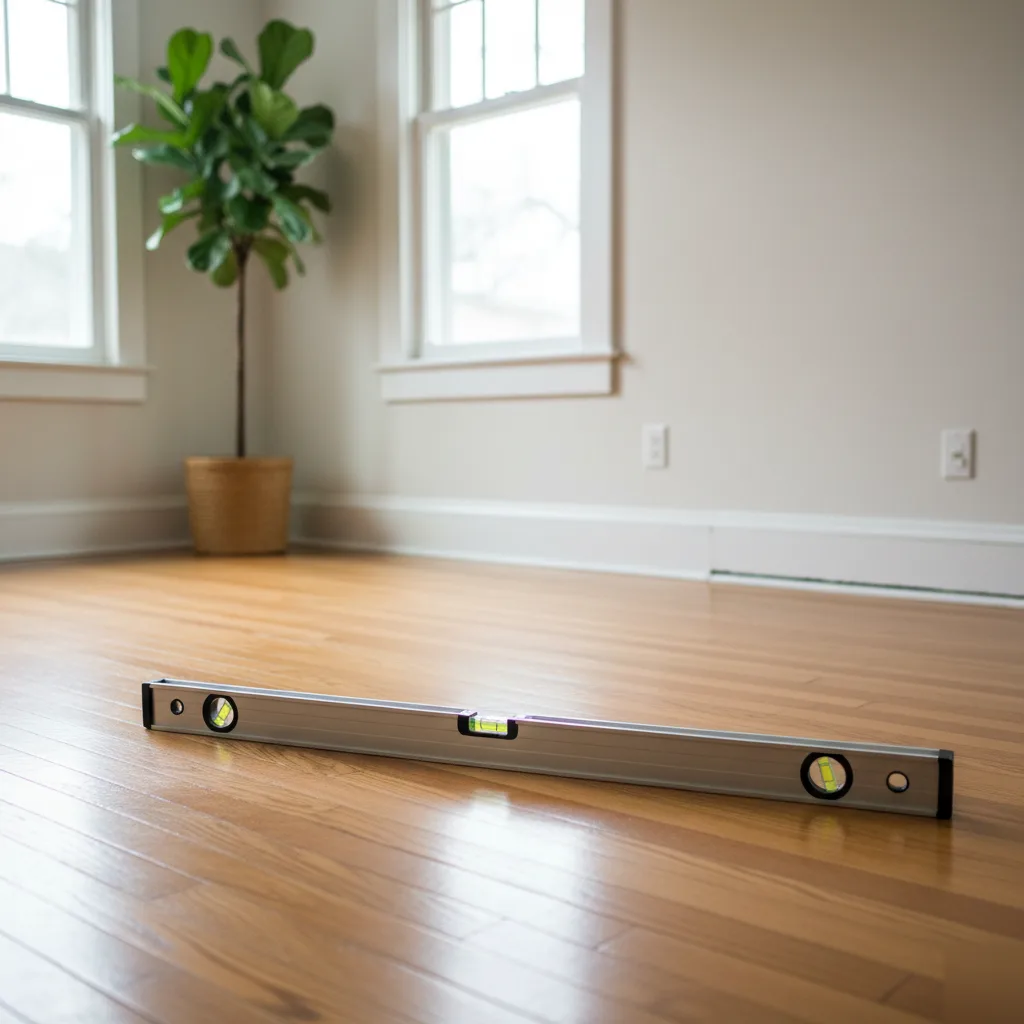
- Floors that slope noticeably in one direction
- Tile or brick cracking without any obvious cause
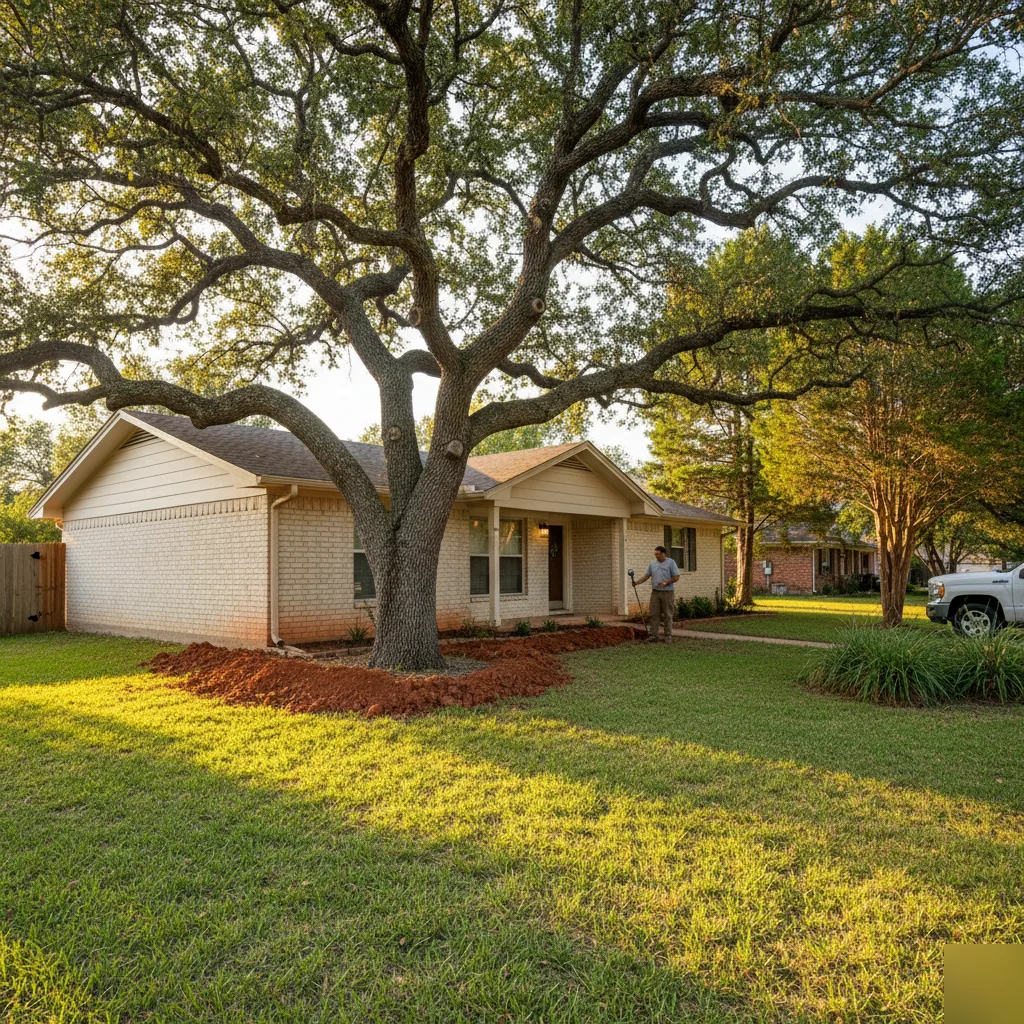
The root cause is Central Texas clay soil. This expansive clay swells when it's wet and shrinks when it dries out. That constant push and pull moves your foundation unevenly. Homes in neighborhoods like South Lamar and Barton Hills sit on highly reactive soil, and we get a lot of calls from those areas.
Here's what people often get wrong. They think house leveling means we're lifting the entire structure off the ground. That's actually house raising, which is a different service. Leveling brings your foundation back to a uniform plane, we're correcting the low spots so your home sits the way it was originally built.
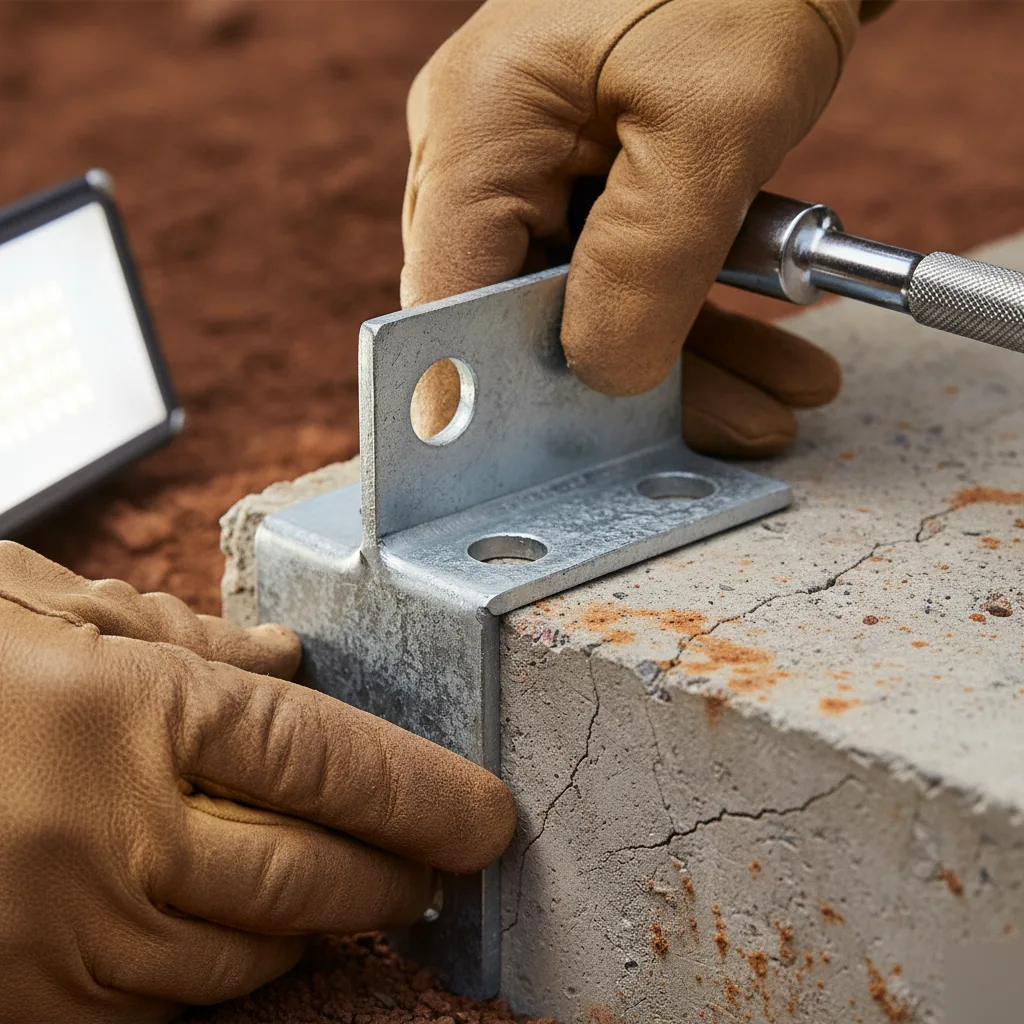
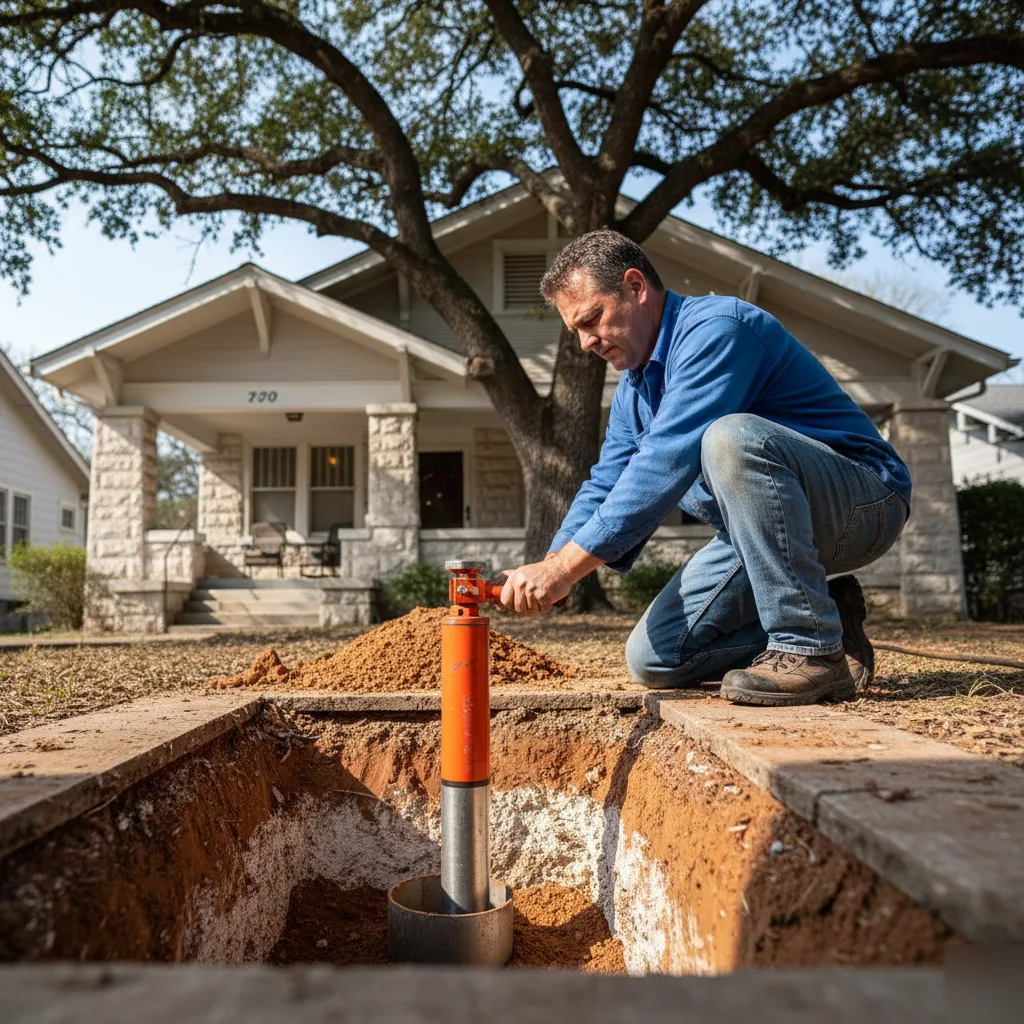
The fix depends on your foundation type. Slab foundations in Austin typically need piers installed at the sunken areas. Sometimes that means tunneling under the slab to reach interior support points without tearing up your floors. Pier and beam homes have a crawl space underneath, so our crew can access the beams and joists directly to make adjustments.
But the damage isn't always obvious from inside. We've walked properties where the homeowner called about a cracked driveway and didn't realize the foundation had shifted two inches on one side. That's why a proper structural evaluation matters before any work starts. You deserve to know exactly what's going on before a single pier goes in the ground.