

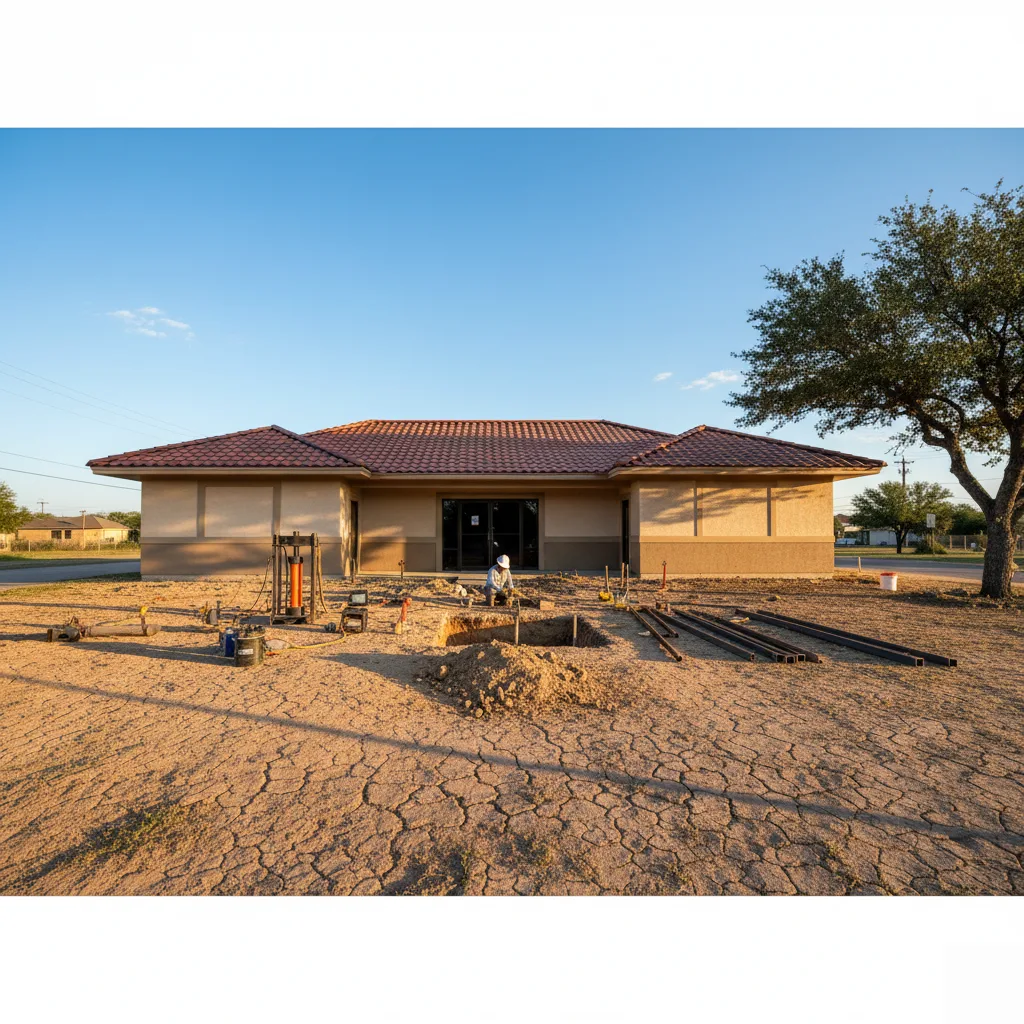
Commercial Foundation Repair · San Antonio, TX

Commercial Foundation Repair in San Antonio

Commercial foundation repair in San Antonio done right. Bats Foundation Repair diagnoses cracks, stabilizes structures, and protects your property. Call today.

Warning signs

Warning Signs Your Commercial Building Has a Foundation Problem

Most business owners don't think about their foundation until something visible goes wrong. By that point, the problem has usually been building for months.

As the top-rated construction company in San Antonio, we know it happens constantly. A property manager notices a door that won't latch right. A tenant complains about a crack running across a wall. Sometimes it's subtle, sometimes it's not. But the pattern is almost always the same. Bexar County's expansive clay soil shifts under commercial slabs, and the signs show up in predictable ways if you know where to look.

Here are the most common warning signs we find during commercial inspections:

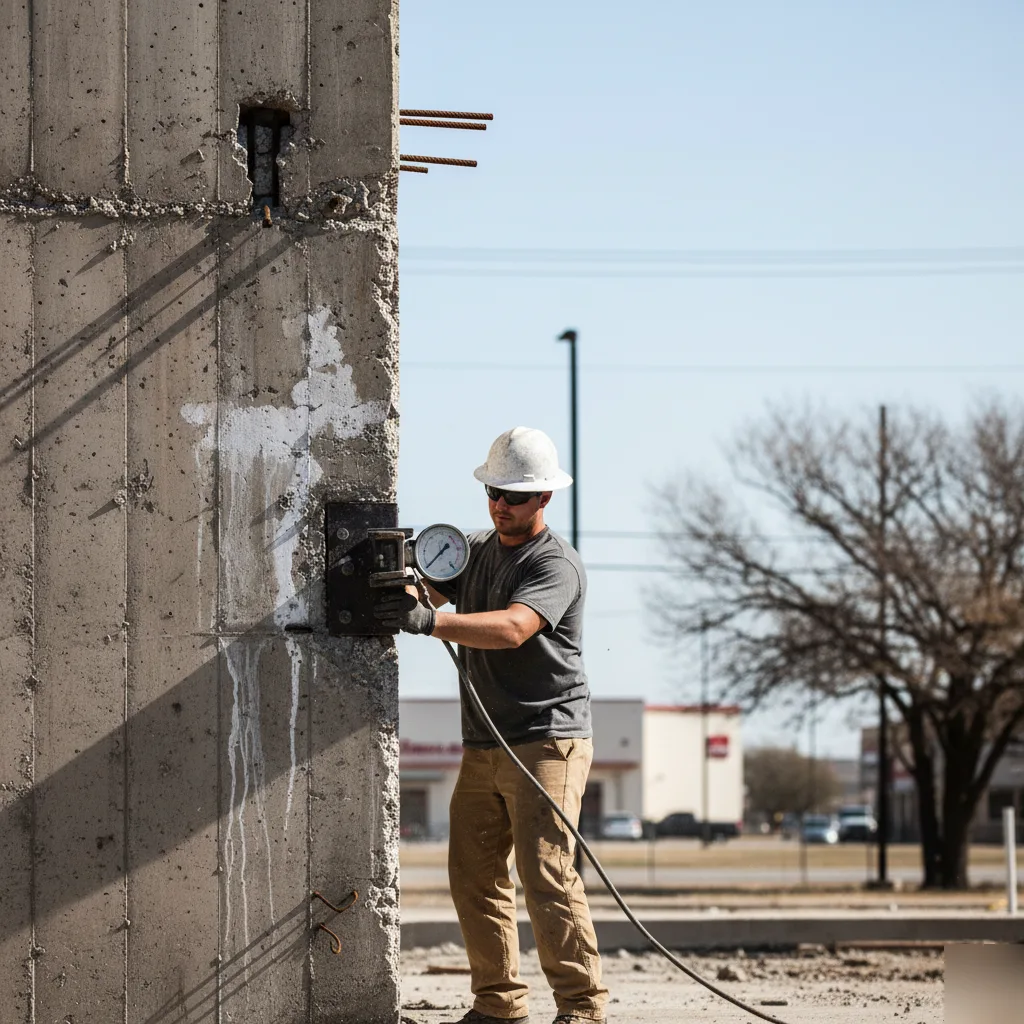
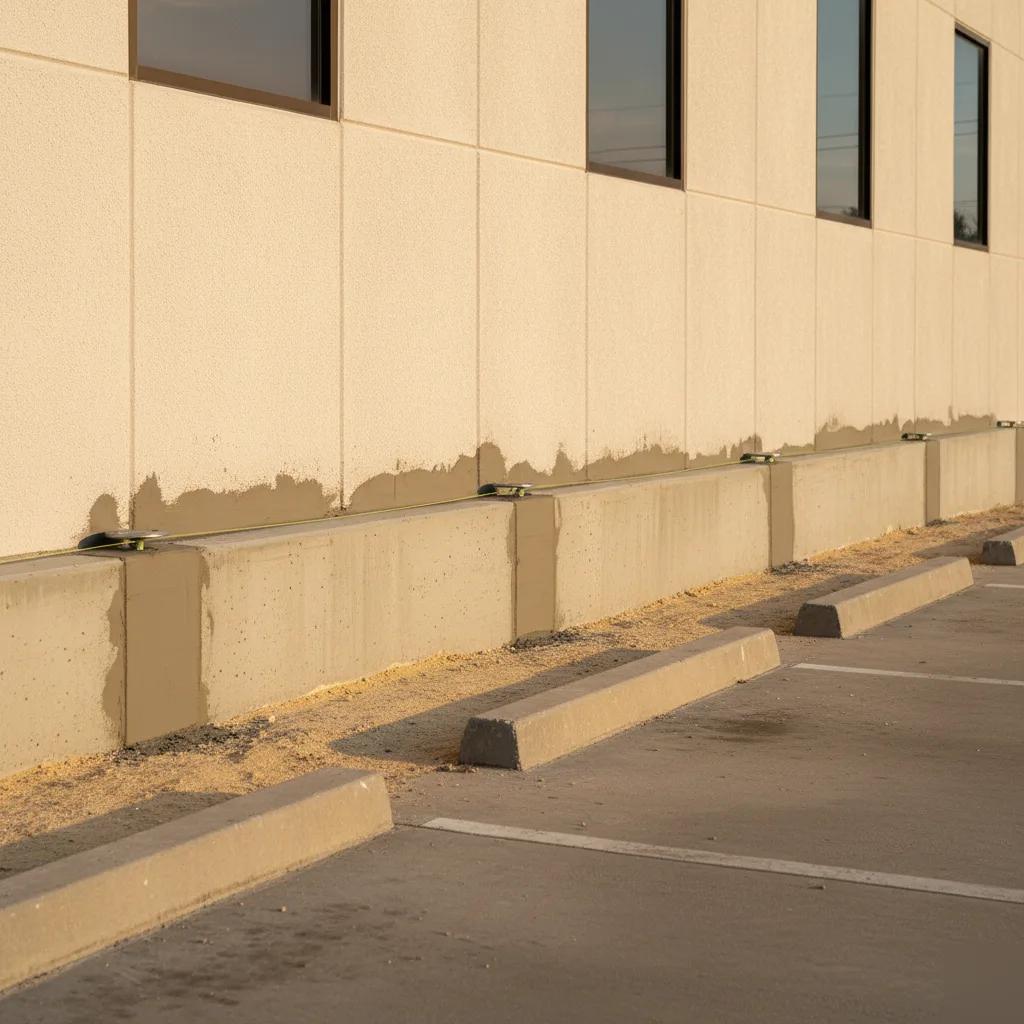
  • Cracks in exterior brick or block walls, especially stair-step cracks along mortar joints
  • Interior drywall cracks near door frames and window corners
  • Doors or windows that stick, jam, or won't close flush
  • Uneven or sloping floors across large open areas like retail spaces or warehouses
  • Gaps forming between walls and the ceiling or floor

Not sure if what you're seeing is serious? That's actually pretty common. A single hairline crack might be cosmetic. But multiple cracks showing up at the same time, or cracks that keep growing — that's your building telling you something is moving underneath.

Commercial buildings near the Medical Center and along the I-10 corridor sit on some of the most reactive soil in San Antonio. The clay swells when it rains and shrinks during our long dry summers. That constant push and pull puts real stress on a slab. Bigger footprints mean more surface area affected, so commercial properties tend to show damage faster than homes do. One thing we've learned over years of combined experience: early detection saves money. Catching a crack early is usually a smaller repair than waiting. If you're noticing any of these signs, it's worth a professional look.
San Antonio soil conditions

Why San Antonio's Soil Makes Commercial Foundation Repair Different

Bexar County sits on some of the most reactive clay soil in the country. Expansive clay that swells when it gets wet and shrinks hard during drought. That cycle puts constant pressure on commercial foundations. It's relentless.

And here's what most people don't realize. A residential slab and a commercial slab respond to that soil movement very differently. Commercial buildings carry heavier loads spread across bigger footprints. When the ground shifts even a little, the stress points multiply fast. Our crews see it constantly on properties across San Antonio, from retail centers near the Medical Center to older warehouses along the I-35 corridor near Downtown.

The soil profile changes block by block in this city. Over near Alamo Heights you'll hit limestone close to the surface. Head south toward the Southside and you're dealing with deep black clay that can move inches between seasons. That matters because the right commercial foundation repair approach depends entirely on what's happening underground at your specific site. A fix that works on one property might be wrong for another three miles away.

San Antonio's weather makes things worse. Long dry summers pull moisture out of the soil, then a heavy rain dumps it all back. Commercial buildings feel that impact harder because:

  • Larger slab areas create more surface contact with shifting soil
  • Heavy equipment and inventory add load stress to already moving ground
  • Parking lots and hardscape change how water drains around the foundation
  • Multi-story structures concentrate weight on smaller bearing points

Our team at Bats Foundation Repair has years of combined experience reading San Antonio's soil conditions. What Bexar County clay does to commercial slabs — we've seen every version of it. That local knowledge is the difference between a repair that holds and one that fails in two years. Not sure if your building's issues are soil-related? Most of the time in San Antonio, they are.

Scale matters

Commercial vs. Residential Foundation Repair: What Changes at Scale

We get this question a lot. "Can't you just do the same thing you'd do on a house?" Short answer: no. Not even close.

A typical home in San Antonio sits on a slab that's maybe 1,500 square feet. A commercial building near the Medical Center or along Loop 410 might cover 10,000 square feet or more. The loads are completely different. The stakes are different. And the engineering behind every repair decision has to account for things that never come up on a residential job.

Here's what changes when you move from homes to commercial properties:

Commercial foundation repair pier bracket inspection on San Antonio building
  • Load distribution — commercial structures carry heavier, uneven loads from equipment, inventory, multi-story construction, and foot traffic patterns that shift weight across the slab differently than a house ever would
  • Access challenges — we work around active businesses, parking lots, underground utilities, and tenants who need to keep operating
  • Permitting and engineering — commercial jobs in San Antonio typically require structural engineering reports and city permits that residential work doesn't always need
  • Repair methods at scale — pressed steel pilings, slab pier installation, and concrete underpinning all work on commercial buildings, but the spacing, depth, and number of piers increase dramatically

Bats Foundation Repair handles both residential and commercial work across Bexar County, and we've been doing it for years. That experience matters because commercial foundation repair isn't just "more piers." It's a different way of thinking about the building, the soil underneath it, and how the repair has to perform under heavier demands for decades. The Bexar County clay soil that causes trouble under houses causes even more trouble under commercial slabs. More weight on expansive clay means more movement, more risk, and more reason to get it right the first time.

Our process

How Commercial Foundation Repair Works: From Assessment to Sign-Off

You've got cracks. Doors aren't closing right. Maybe a tenant called about a sloping floor in their unit off Fredericksburg Road. Now what?

Here's how we handle commercial foundation repair from the first phone call to the final walkthrough. Every job is different, but the process follows a clear path.

  1. 1
    Initial site assessment

    Our crew walks the property and documents every visible sign of movement. We're checking crack patterns, measuring floor elevation at multiple points, and looking at how the structure sits on the soil. In San Antonio, Bexar County's expansive clay creates pressure patterns you won't find in other parts of the state.

  2. 2
    Engineering analysis

    For commercial properties, we typically work alongside a structural engineer. They'll produce a report that spells out exactly what's happening beneath your slab. No guesswork.

  3. 3
    Repair plan and method selection

    Based on the engineering data, we recommend the right approach. That might be steel push pier installation for a heavy retail building, pressed concrete pilings for a lighter structure, or slab pier installation where interior support has failed. The building dictates the method.

  4. 4
    Execution with minimal disruption

    We schedule around your business hours when possible. In many cases the work can be staged so tenants stay open, though it depends on the building and the scope.

  5. 5
    Elevation verification and final inspection

    After the work is done, we re-measure floor elevations across the structure. We compare post-repair numbers against our baseline readings. Everything gets documented for your records.

Building owners are often surprised by how straightforward the process actually is. The fear of the unknown is usually worse than the repair itself. With years of combined experience, our team at Bats Foundation Repair has seen just about every soil condition and structural layout San Antonio can throw at us. That experience matters when you're choosing a repair method for a building that has to keep running. We don't experiment on your property. We apply what decades of local work have taught us. Need help figuring out what's going on with your building? Give us a call.

Documentation and compliance

Permits, Engineers, and Documentation: What Commercial Repair Requires

Commercial foundation work in San Antonio isn't like patching up a house. There's paperwork. Lots of it.

Most commercial projects need a structural engineering report before any repair begins. The city requires it, your insurance carrier expects it, and it protects you. A licensed structural engineer evaluates load-bearing conditions, soil behavior, and the specific damage to your building. That report becomes the blueprint for everything we do. We've worked alongside engineers across San Antonio for years, and our team knows exactly what they're looking for.

Here's what you'll typically need for a commercial foundation repair project:

  • A structural engineering assessment with stamped drawings
  • Building permits from the City of San Antonio Development Services Department
  • Soil testing reports specific to your property's location in Bexar County
  • Post-repair documentation confirming the work meets code

The permit process can feel slow. But skipping it creates real problems down the road. Unpermitted work can void your commercial property insurance, and it can kill a sale when you try to transfer the building. We've seen property owners near the Medical Center lose deals over missing repair documentation. That's a painful lesson nobody needs to learn firsthand.

Bats Foundation Repair handles the coordination between your engineer, the city permit office, and our crew. You don't need to chase down inspectors or figure out which forms to file. We pull the permits. We schedule the inspections. And we make sure every piece of documentation lands in your hands when the job wraps up. One thing people don't realize: Bexar County's expansive clay soil means engineers here pay extra attention to moisture-related movement. A report written for a building in Houston won't reflect San Antonio conditions. Local knowledge matters in the engineering phase just as much as it does during the actual repair. Need help figuring out where to start with permits or engineering? Give us a call.

Frequently asked questions

Commercial foundation repair in San Antonio, answered

How does San Antonio's clay soil specifically affect commercial foundations differently than residential ones?

Commercial foundations take more damage from Bexar County's expansive clay because of sheer size and load. A larger slab has more contact with shifting soil, which multiplies stress points fast. Heavy equipment, inventory, and multi-story weight make things worse. When the clay swells after rain and shrinks during our dry summers, a commercial building feels every inch of that movement. Residential slabs are smaller and lighter, so they respond more slowly to the same soil conditions.

Do commercial foundation repairs in San Antonio require permits or engineering reports?

Yes, most commercial foundation repairs in San Antonio require both a structural engineering report and city permits. This is not the same as residential work, which often skips those steps. The engineering report tells us exactly what's happening underground at your specific site. It also protects you legally and helps with any insurance documentation you may need. Skipping this step on a commercial job is a shortcut that can cause serious problems later.

What are the first signs a commercial property owner should watch for before calling for an inspection?

The earliest signs are usually doors or windows that stick and won't close flush. You might also notice stair-step cracks along exterior brick mortar joints or drywall cracks near door frames inside. Uneven floors across large open areas like retail spaces or warehouses are another red flag. If you see multiple signs showing up at the same time, that's your building telling you something is actively moving underneath. One crack alone might be cosmetic — several at once is not.

How long does a commercial foundation repair project typically take to complete?

Most commercial foundation repairs in San Antonio take anywhere from a few days to a couple of weeks, depending on the building's size and how many piers are needed. Larger footprints along corridors like I-10 or Loop 410 take longer because more access points are involved. We work around active businesses as much as possible to keep your operations running. The engineering and permitting phase before work begins can add time, so it's smart to call early rather than waiting for damage to grow.

Can my business stay open during commercial foundation repair work?

In most cases, yes, your business can stay open during repairs. We work around tenants, parking lots, and active areas to limit disruption. Access to certain sections of the building may be restricted temporarily while piers are being installed. We plan the work schedule around your operations as much as possible. The bigger the footprint, the more we can stage the job in phases so your customers and staff are not heavily impacted throughout the whole project.

Wondering what's happening under your building?

Book a commercial inspection and we'll assess the structure, explain what we find, and recommend the right approach.