
Pressed Steel Pilings · San Antonio, TX

Pressed Steel Pilings in San Antonio

Pressed steel pilings in San Antonio stop foundation settlement at the source. Local experts diagnose, install, and verify results. Call to schedule today.

How it works

What Pressed Steel Pilings Actually Do for a Settling Foundation

Here's what's really happening under your house. The soil shifts, your slab drops, and suddenly you've got doors that won't latch and cracks running up the drywall. Pressed steel pilings fix that by reaching past the unstable clay and anchoring your foundation to something solid deep underground.

We drive galvanized steel tubes straight down through the problem soil. Each piling section gets hydraulically pressed into the ground one after another until it hits load-bearing strata. That's the key. Bexar County clay can swell and shrink several inches between wet and dry seasons, but the rock and dense material 15 to 30 feet below doesn't move. Your foundation gets locked to that stable layer.

This technique is routinely employed by a trusted professional concrete contractor in San Antonio.

Once the pilings reach refusal depth, we use hydraulic jacks to carefully lift your slab back toward its original position. Most homes in San Antonio respond well to this process. We see real movement on the gauges within minutes of engaging the jacks. The steel brackets that connect each piling to your foundation beam stay permanently in place, so your home stays supported long after we pack up.

Think of it this way. The clay soil your house sits on is like a sponge. It swells when it rains and shrinks during a dry July. Pressed steel pilings bypass that sponge entirely.

Homeowners we work with over near Alamo Heights or down in the Southside neighborhoods are dealing with the same root cause. Expansive clay did what expansive clay does. The pilings don't try to change the soil — they just make the soil irrelevant to your foundation's stability. That's a big difference from surface-level patches or mud-jacking approaches that only treat symptoms.

And because the steel is galvanized, corrosion isn't a concern for decades. Bats Foundation Repair has over 40 years of combined experience installing these systems across San Antonio.
Warning signs

Warning Signs Your Slab Is Ready for Pilings

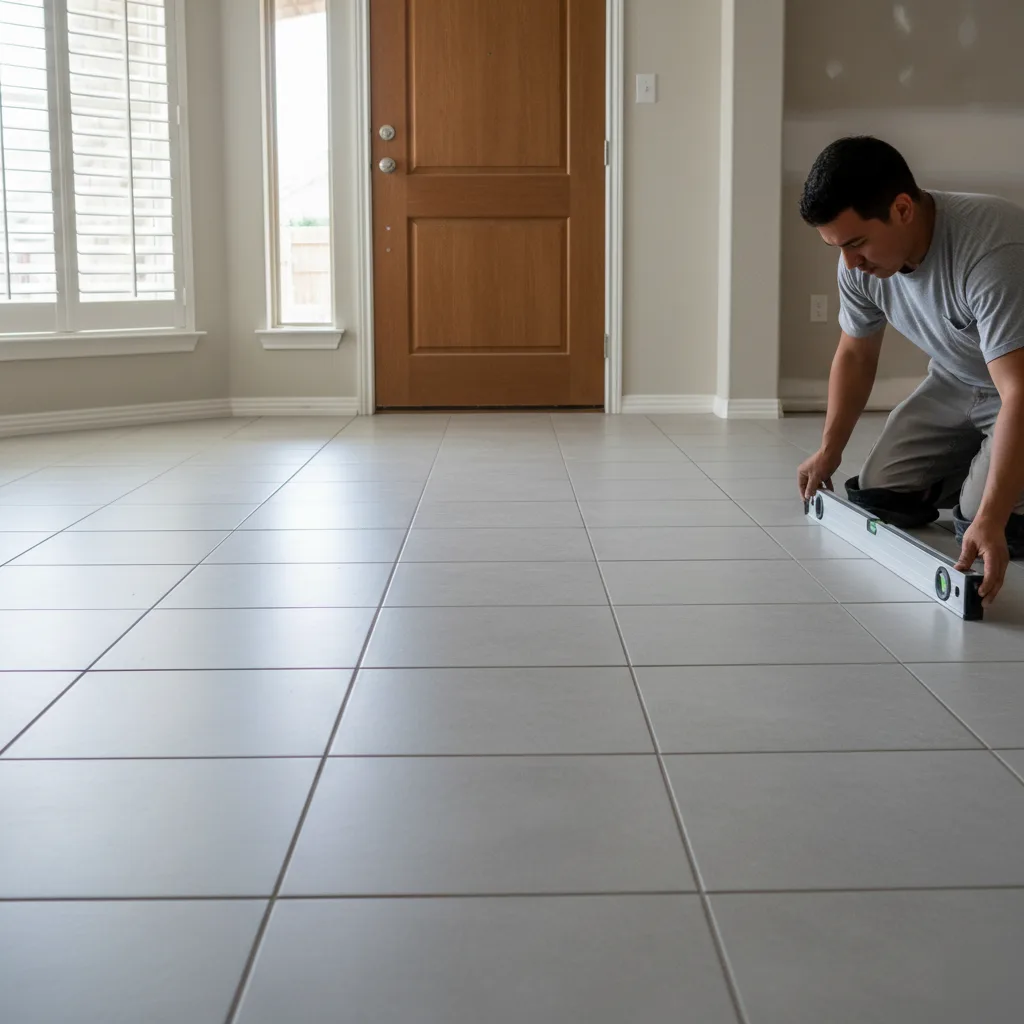
Most folks don't wake up thinking about their foundation. Something catches your eye first. A crack running across the living room wall that wasn't there last spring. A door that used to close fine but now sticks every time. These aren't just cosmetic problems — they're your house telling you something's moving underneath.

In San Antonio, the Bexar County clay soil swells when it rains and shrinks during drought. That cycle puts constant pressure on your slab. We see it every week. A homeowner over near Alamo Heights calls because their tile floor just cracked down the middle. Or someone in the Medical Center area notices their kitchen counter pulling away from the wall. It's the same thing. The soil shifted and the slab went with it.

Here's What to Watch For

  • Diagonal cracks at the corners of door frames or windows
  • Gaps forming between walls and the ceiling or floor
  • Floors that feel uneven or slope in one direction
  • Exterior brick cracks in a stair-step pattern along mortar joints
  • Doors or windows that suddenly won't latch or lock properly

One crack by itself might not mean much. But two or three of these signs showing up together? That's a pattern. And patterns mean your foundation has already started settling beyond what normal movement looks like.

Waiting makes it worse. A small settlement issue today can turn into a major structural problem in a year or two. The longer the slab sits unevenly, the more stress builds on walls, plumbing lines, and framing.

Not sure if what you're seeing is serious? That's pretty common. Our crew has 40-plus years of combined experience reading these signs. We can tell you in one visit whether your San Antonio home needs pressed steel pilings or just routine monitoring.

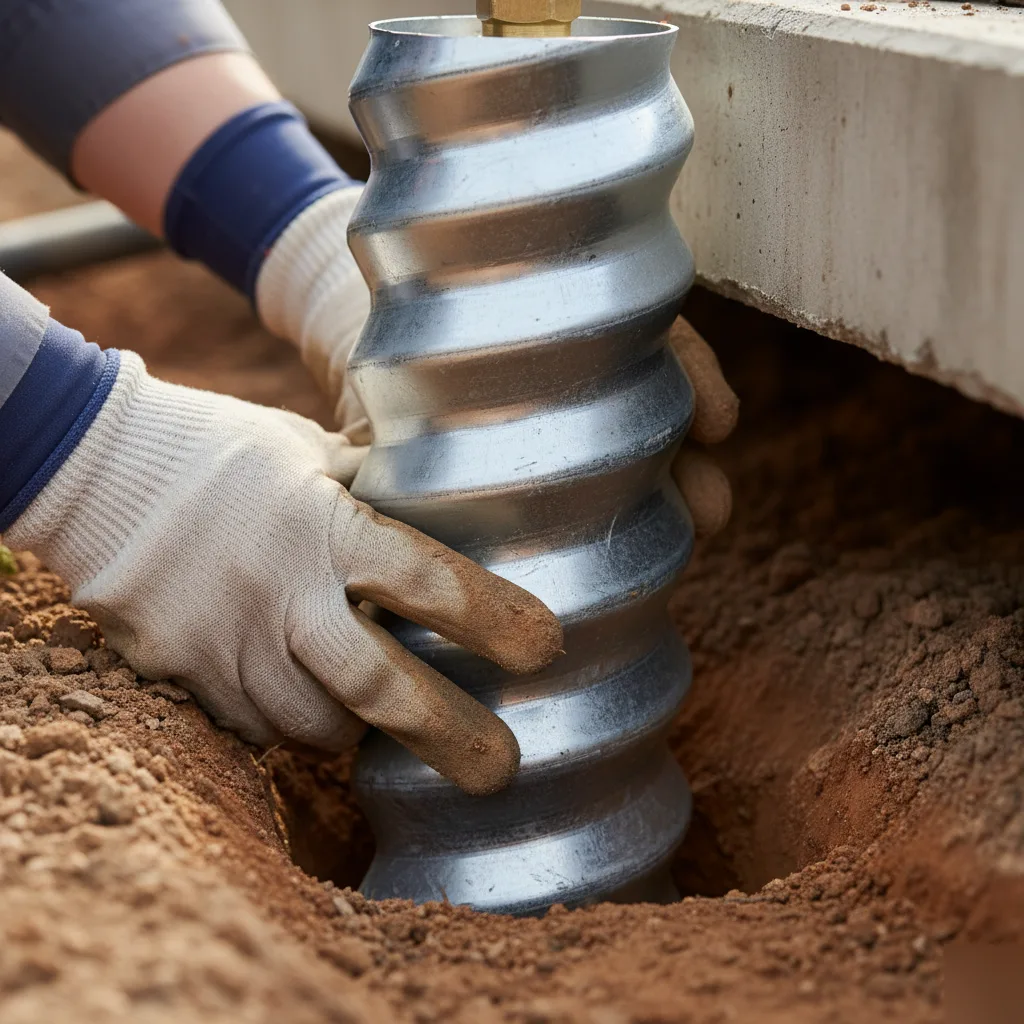
Galvanized steel piling tube ready for installation in San Antonio clay soil
Our process

How the Pressed Steel Piling Installation Process Works

People ask us about this all the time. They want to know what's actually happening under their house. Fair enough. Here's how our crew handles a pressed steel piling job from start to finish in San Antonio.

  1. 1
    Excavate access points

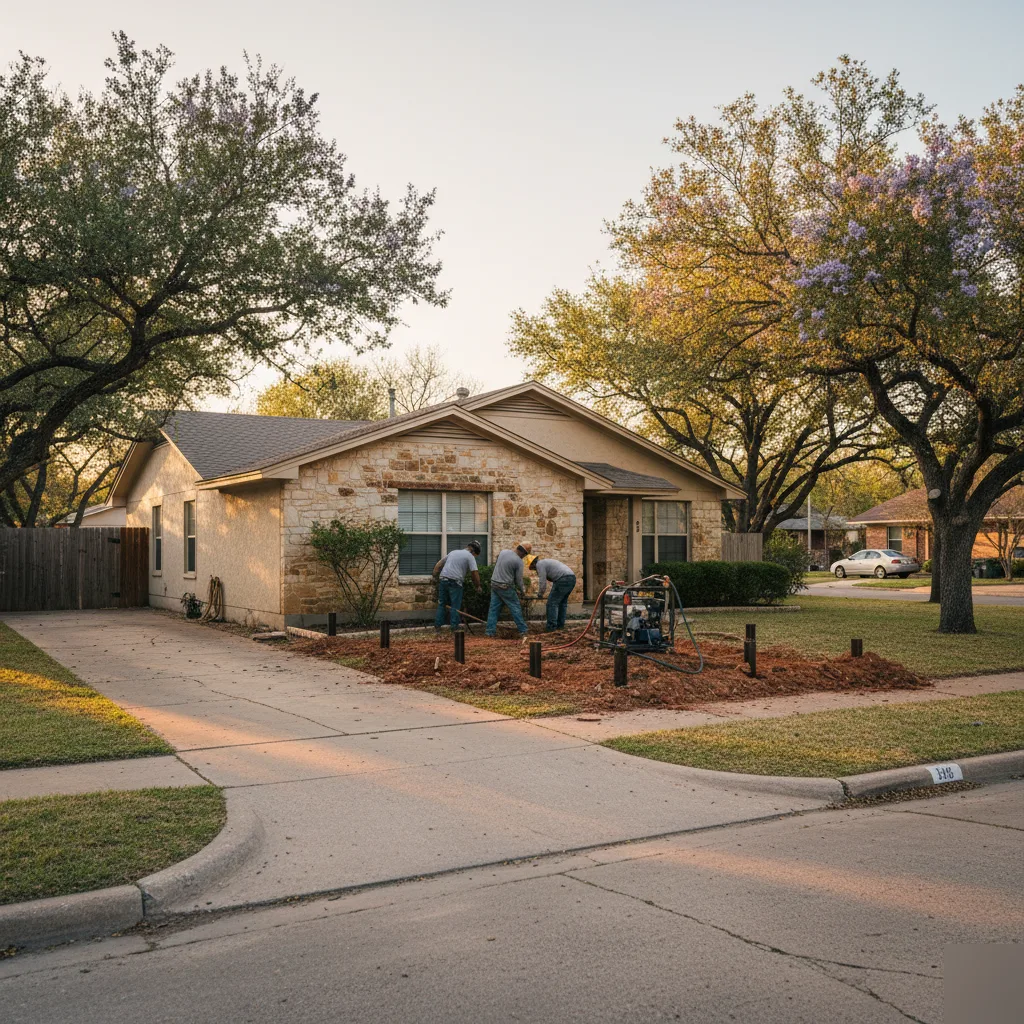
    We dig small holes along the foundation's edge at each pier location. These are typically about two feet deep, just enough to reach the footing. In neighborhoods like Alamo Ranch where homes sit on thick Bexar County clay, we sometimes adjust depth based on what we find.

  2. 2
    Position the hydraulic press

    We mount a hydraulic ram against the foundation footing. The weight of your home acts as the resistance point. That's the beauty of this method — your house does the heavy lifting.

  3. 3
    Drive the steel pilings

    One section at a time, we press galvanized steel tubes into the ground. Each section goes down until we hit load-bearing strata. In most San Antonio soils, that means pushing through the reactive clay layer into something stable underneath. Industry-standard Pressed Steel Pilings installation guidelines outline the depth and resistance benchmarks crews use to confirm a piling has reached competent bearing material.

  4. 4
    Verify depth and resistance

    We monitor hydraulic pressure readings at every pier. Once we reach the target resistance, the piling has found solid ground. No guessing.

  5. 5
    Lift and stabilize

    After all pilings are set, we use the hydraulic system to raise the foundation back toward its original position. We do this carefully, watching for movement across the entire slab.

  6. 6
    Lock in place and backfill

    Steel shims and pier caps secure the connection between piling and footing. Then we backfill the excavation points and clean up.

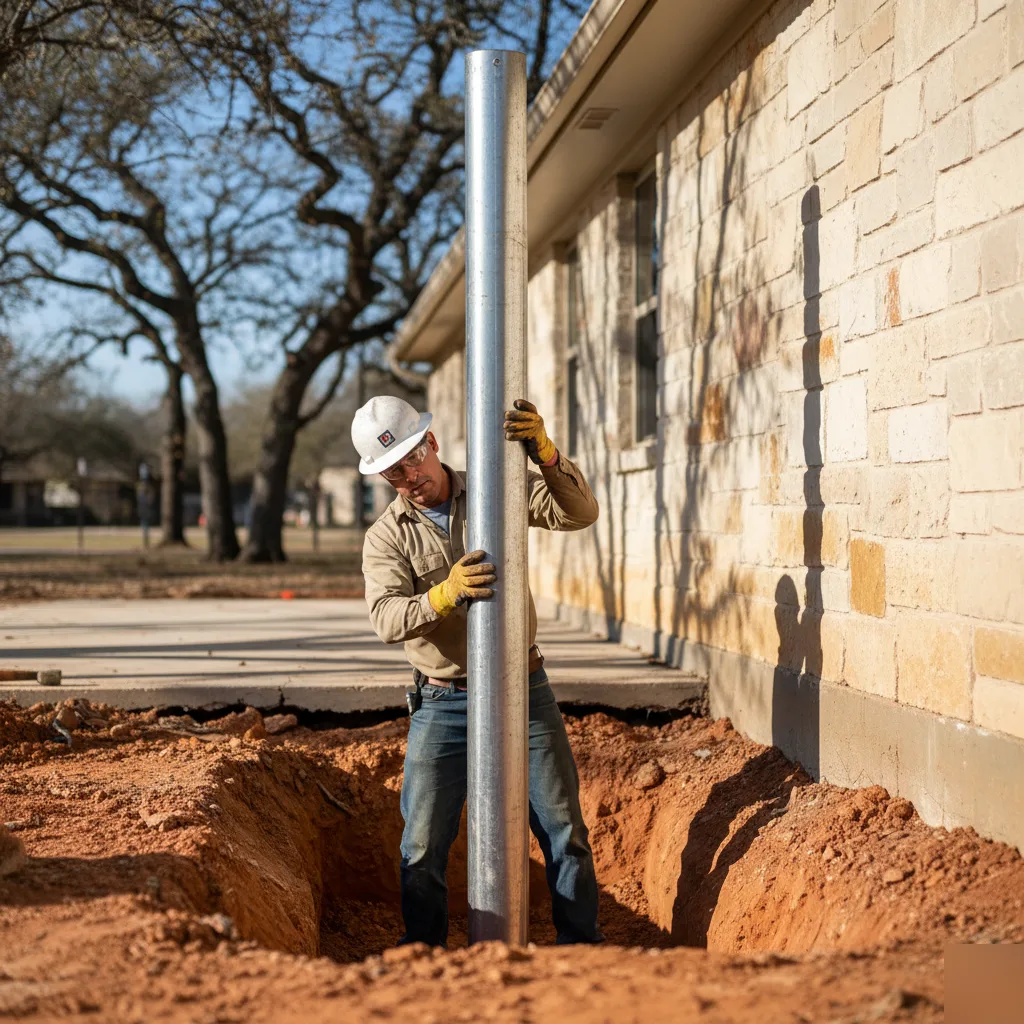
Pressed steel piling being installed during foundation repair on a San Antonio home

The whole process usually takes one to two days for an average home. You can stay in your house while we work. No jackhammering through your slab. No tearing up your interior floors.

Because we're pressing pilings with hydraulic force instead of drilling or pouring concrete, the installation is quieter than most folks expect. Your neighbors over in Stone Oak probably won't even notice we're there. With 40-plus years of combined experience, the Bats Foundation Repair crew knows how to move through each step without wasted time or unnecessary disruption to your property.

San Antonio soil

San Antonio Soil Conditions That Drive Foundation Repair Decisions

Bexar County sits on some of the most reactive clay soil in the country. If you've moved here recently, that's the first thing you need to know about your home's foundation. The ground under your house doesn't stay still.

San Antonio's soil is mostly expansive clay, heavy with minerals that swell when wet and shrink when dry. We see this cycle play out every year. Spring rains saturate the ground and push it upward. Then summer hits, the moisture disappears, and the soil contracts hard. Your foundation moves with it. Over time, that back-and-forth creates real damage — cracks in drywall, doors that won't latch, floors that feel uneven underfoot. Homeowners in neighborhoods like Alamo Ranch and Stone Oak call us after noticing these signs for months, sometimes longer.

So why does this matter for pressed steel pilings? Because the fix has to match the problem.

Steel pilings work by reaching past that unstable clay layer entirely. They're driven down to load-bearing strata that don't move with the seasons. In most of San Antonio, that means pushing through 10 to 20 feet of reactive soil before hitting stable ground. The clay near the surface is the troublemaker. The deeper rock and compacted material below it is where your foundation actually needs to rest.

Your soil type determines everything about your repair plan. Not every foundation issue calls for the same solution. But in Bexar County's clay-heavy ground, pressed steel pilings give us the depth and strength to anchor a slab where it belongs. According to the American Society of Civil Engineers, expansive soils cause more financial damage to structures each year than floods and hurricanes combined. That's not a scare tactic. It's just the reality of building on clay.

Bats Foundation Repair has over 40 years of combined experience working in this soil. How it behaves block by block across San Antonio, and that local knowledge shapes every recommendation we make.

After the repair

What to Expect After Your Foundation Is Stabilized

So the crew's packed up and your pressed steel pilings are in the ground. Now what?

The first thing you'll probably notice is that some of those cracks in your drywall or brick look a little different. Maybe wider in spots, maybe tighter. That's normal. When we lift a slab back toward its original position, the structure shifts. Doors that were sticking might swing freely again. But new hairline cracks can show up in places you didn't expect. We see this every week — it doesn't mean something went wrong.

The First Few Weeks

Give your home a little time to settle into its new position. Most San Antonio homes respond well within the first 30 days. Here's what to keep an eye on during that window:

  • Minor cosmetic cracks in drywall or texture near door frames
  • Doors or windows that need small adjustments to latch properly
  • Slight gaps at baseboards or crown molding where the slab shifted back
  • Tile grout lines that may need touch-up in kitchens or bathrooms

None of these are red flags. They're signs the repair is doing its job. The pilings are holding your foundation at the corrected elevation, and your house is catching up.

Long-Term Performance

Pressed steel pilings are driven to load-bearing strata deep below Bexar County's expansive clay. Seasonal soil movement near the surface won't affect them. But you still need to manage moisture around your home. Homes over in the Alamo Ranch area and across the far west side sit on particularly reactive clay. Keeping consistent watering around your foundation perimeter matters year-round.

We always walk through post-repair care before we leave a job site. With 40-plus years of combined experience, we've learned that five minutes of honest conversation saves homeowners a lot of worry down the road. You'll know exactly what to watch for and when to call us back for a check.

A stabilized foundation actually protects the rest of your investment. Your plumbing stays aligned. Your framing stays square. Everything connected to that slab benefits when the slab stops moving.

Frequently asked questions

Pressed steel pilings in San Antonio, answered

How deep do pressed steel pilings need to go in San Antonio's soil?

In most San Antonio homes, pilings reach load-bearing strata between 15 and 30 feet down. Bexar County clay is the reason depth matters so much here. That clay layer swells and shrinks with every rain and drought cycle. We press each steel section down until the hydraulic pressure readings confirm we've hit something solid. Stopping too early means your foundation is still resting on unstable ground. Getting to the right depth is what makes the repair last.

Will my family need to move out while the pilings are being installed?

No, you can stay in your home the whole time. The process works from outside along your foundation's edge. We dig small access holes, press the pilings in hydraulically, and backfill when we're done. There's no jackhammering through your interior floors. Most jobs in San Antonio take one to two days. It's quieter than most homeowners expect. Your daily routine inside the house stays mostly normal while we work.

What signs tell me my San Antonio home actually needs pilings and not a simpler fix?

One crack alone might not mean much. But when you see two or three warning signs together, that's when pilings are likely the right call. Watch for diagonal cracks at door or window corners, stair-step cracks in exterior brick, floors that slope or feel uneven, and doors that suddenly won't latch. When those signs show up together in a San Antonio home, the slab has already moved beyond normal seasonal shifting. A single visit from our crew can tell you which category you're in.

Does mud-jacking do the same thing as pressed steel pilings?

No, they work very differently. Mud-jacking fills voids under your slab with a grout mixture, but it stays in the same reactive clay zone that caused the problem. Pressed steel pilings bypass that clay entirely and anchor your foundation to stable material deep underground. Mud-jacking treats the symptom. Pilings fix the root cause. For San Antonio homes on Bexar County clay, where the soil can move several inches between wet and dry seasons, pilings give you a permanent anchor instead of a temporary patch.

How long does it take to see results after the pilings are set?

Most homeowners see real movement on the gauges within minutes of the hydraulic jacks engaging. Once all pilings are in place, we lift the slab back toward its original position during the same visit. The steel brackets and pier caps lock everything in place before we leave. You won't have to wait weeks to know if it worked. After the job is done, those sticking doors and visible cracks often improve noticeably within the first day or two as the structure settles into its corrected position.

Does galvanized steel hold up long-term in San Antonio's ground conditions?

Yes, galvanized steel handles San Antonio's soil well. The zinc coating on each piling section resists corrosion even in Bexar County's clay-heavy, moisture-variable ground. You don't need to worry about the steel breaking down underground over time. The brackets connecting each piling to your foundation beam stay permanently in place. That's why pressed steel pilings are a long-term solution rather than something you revisit every few years. The material is built for exactly the kind of soil conditions we deal with here.

These problems get worse with time, not better

The sooner you get a licensed foundation inspection, the fewer pilings you'll likely need. Schedule your inspection today.