
What House Leveling Actually Does to Your Home
A lot of folks think house leveling just means jacking up one side of a building. That's part of it, sure. But the real goal is restoring your foundation to its original plane so everything above it works the way it should again.
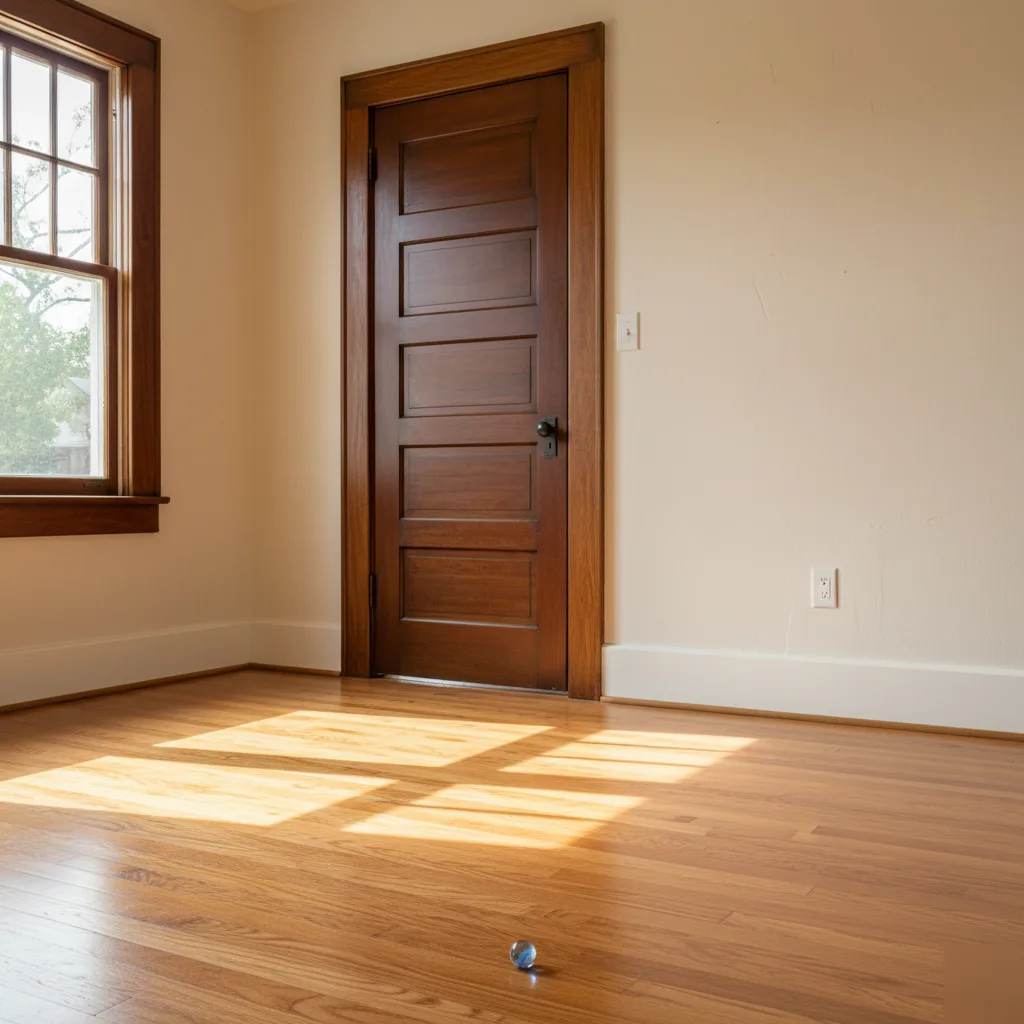
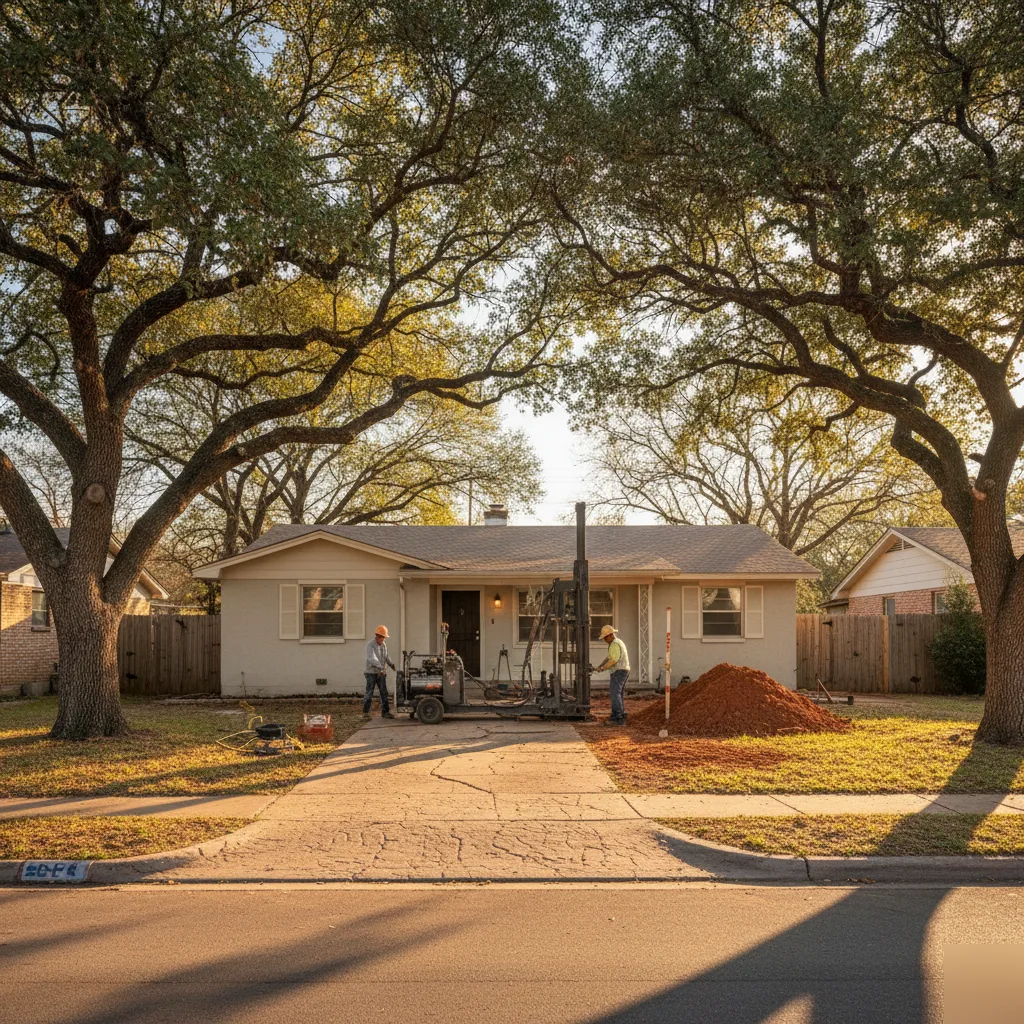
Think about what happens when a foundation shifts even half an inch. Doors stick. Windows won't lock. Cracks crawl up your drywall. Your tile pops loose in the kitchen. We see this every week in San Antonio homes, especially in neighborhoods like Alamo Heights where older pier and beam structures sit on top of Bexar County's reactive clay soil.
Here's what house leveling actually fixes:
- Uneven or sloping floors that you can feel when you walk across a room
- Gaps between walls and ceilings or walls and floors
- Interior doors that swing open on their own or won't close at all
- Exterior brick cracks that keep getting wider over time
- Plumbing stress caused by a shifting slab pulling on drain lines
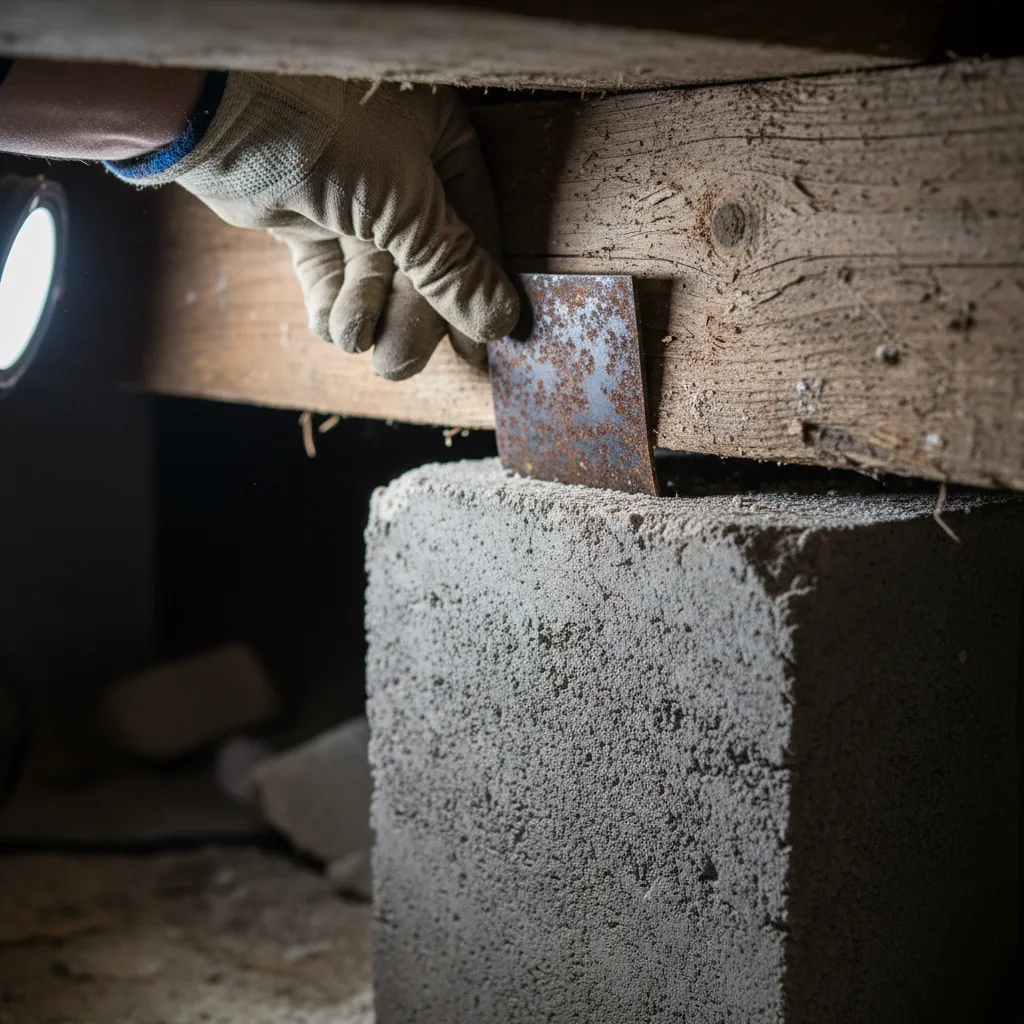
Our team at Bats Foundation Repair, a leading construction company in San Antonio, doesn't just raise the low spots. We measure the entire structure with precision instruments to map exactly where the foundation has moved, then lift and stabilize in a controlled sequence. Too fast or too uneven and you create new damage. With 40+ years of combined experience, we know how to read a structure before we touch it.
House leveling also protects your biggest investment from getting worse. A foundation that's dropped on one corner puts stress on framing, roof lines, even your HVAC ductwork. Left alone for a few years, a small settlement problem turns into a big structural one. Ever notice a crack above your garage door that wasn't there last summer? That's your house telling you something moved. The clay soils across San Antonio swell when it rains and shrink during drought, pushing and pulling on your foundation all year long. House leveling stops that cycle of damage and gives your home a stable base again.