
Why San Antonio Concrete Sinks Faster Than Most Cities
Bexar County sits on some of the most reactive clay soil in the country. That's not an exaggeration. The expansive clay beneath most San Antonio properties swells when it gets wet and shrinks hard when it dries out. This constant push and pull creates voids under your concrete that weren't there when the slab was poured.
We see it every week.
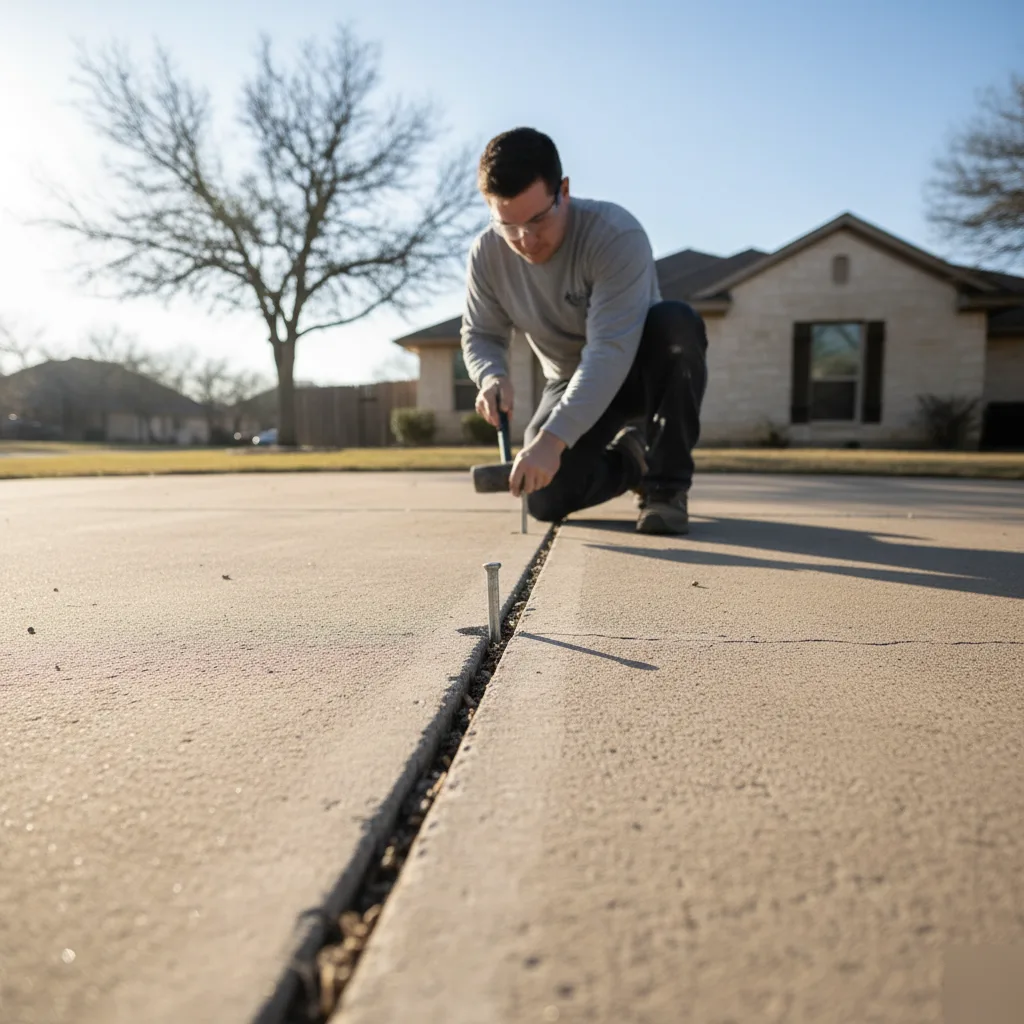
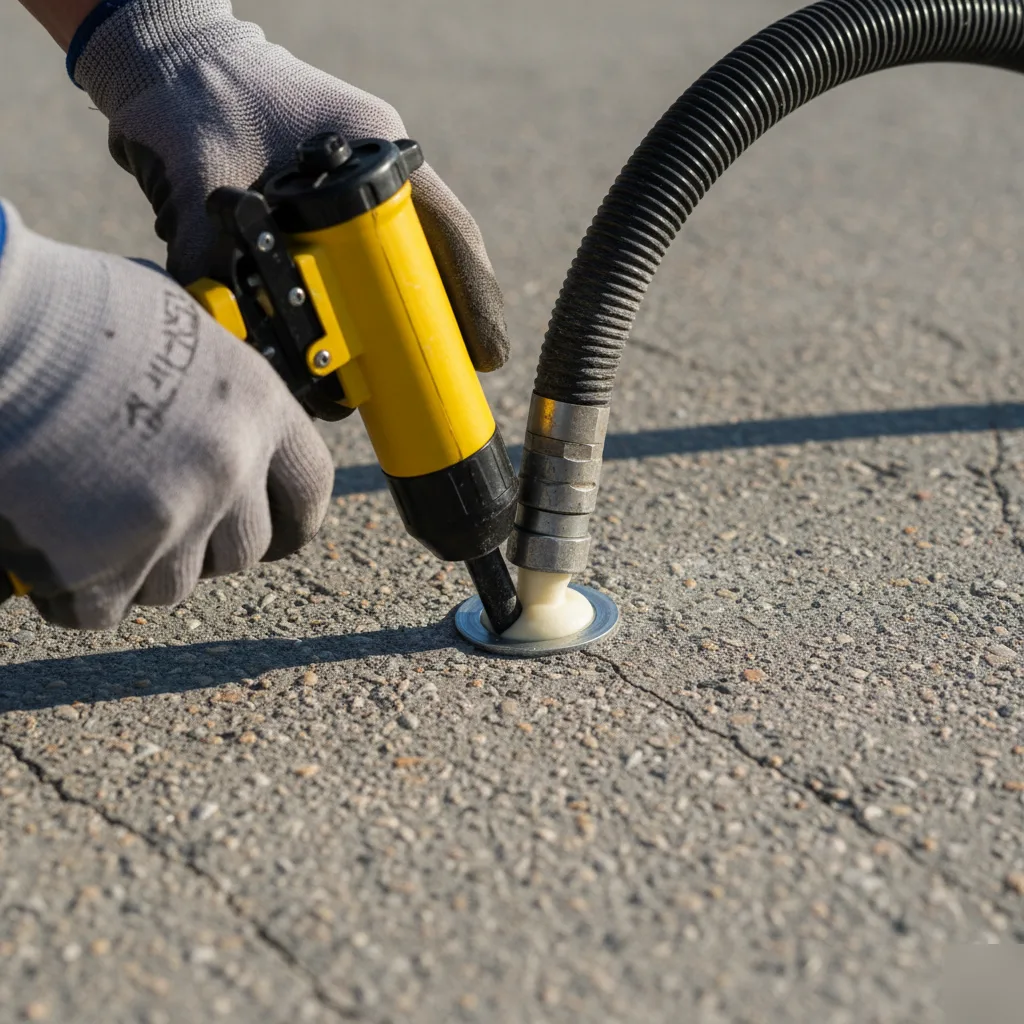
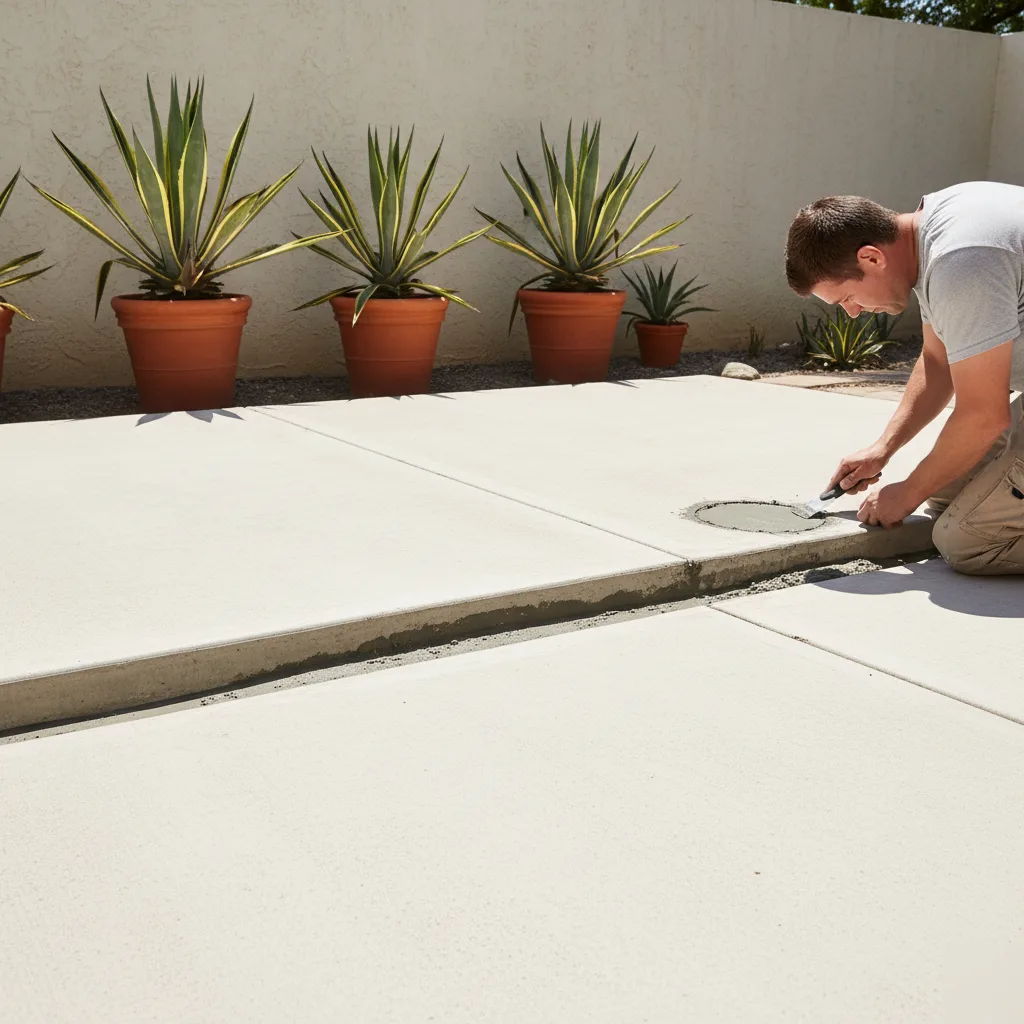
A homeowner near Alamo Heights calls about a driveway that's dropped half an inch on one side. Or someone in the Medical Center area notices their garage floor pulling away from the wall. It's the same thing. The soil moved, a gap formed underneath, and gravity did the rest. Polyurethane foam injection exists to fill those voids and lift that concrete back where it belongs.
What Makes San Antonio Worse Than Most Places
- Bexar County clay can expand up to 15% when saturated, then contract just as dramatically during drought
- Our hot summers create deep soil shrinkage cycles that other cities don't deal with
- Poor drainage around older homes funnels water right under slabs
- New construction on previously undeveloped land often sits on poorly compacted fill dirt
San Antonio is one of the fastest-growing cities in the United States. That means a lot of new residents are moving here from places with stable soil. They've never seen a sidewalk crack in half or a patio slope toward the house after two dry summers. But that's reality here — we're sitting right on top of some of the most reactive clay in the country.
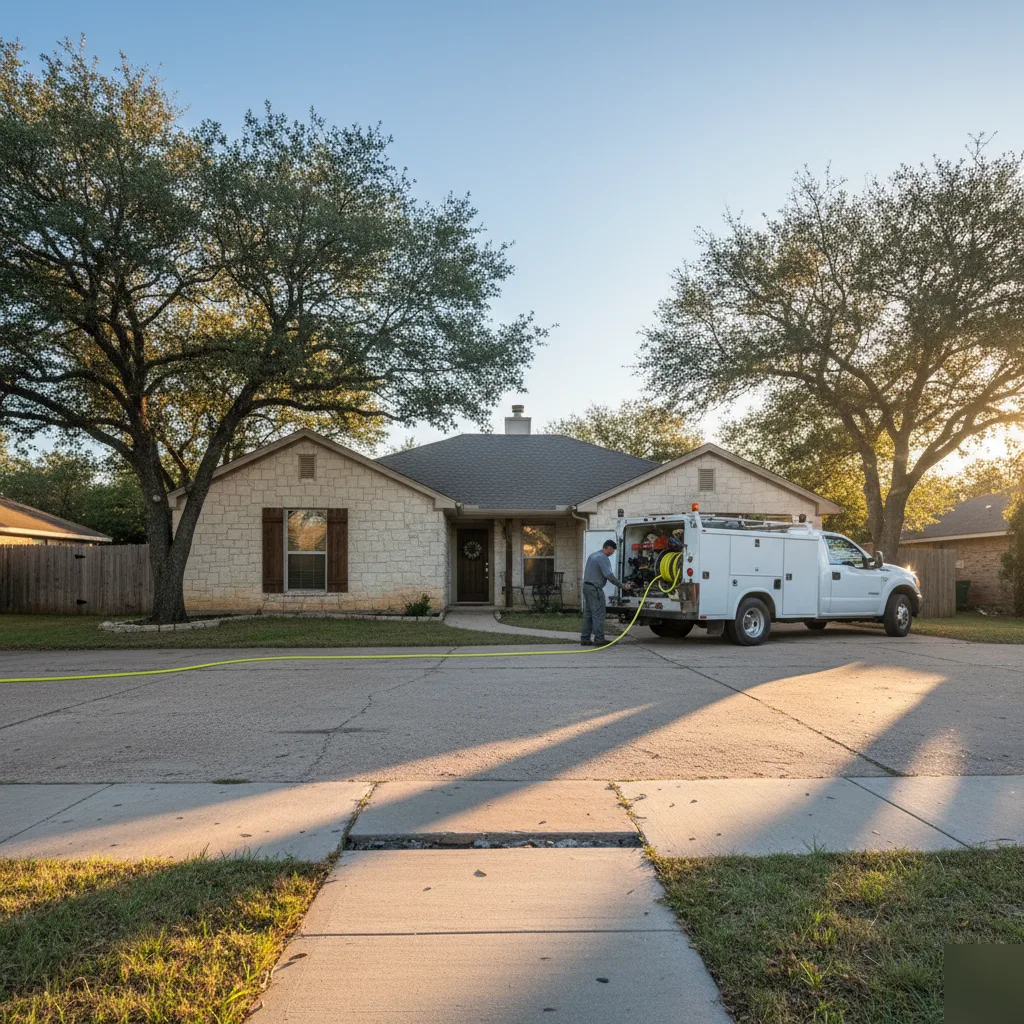
The good news? You don't have to tear out and repour every slab that settles. Polyurethane foam injection gives you a faster fix that works with our soil conditions instead of fighting them. Providing concrete contractor services in San Antonio, our team at Bats Foundation Repair has years of combined experience dealing with exactly this kind of ground.