
Slab Pier Installation · Pflugerville, TX

Slab Pier Installation in Pflugerville

Slab pier installation in Pflugerville that stops foundation settlement for good. Local experts diagnose, install, and verify. Call to book today.

The basics

What Is Slab Pier Installation?

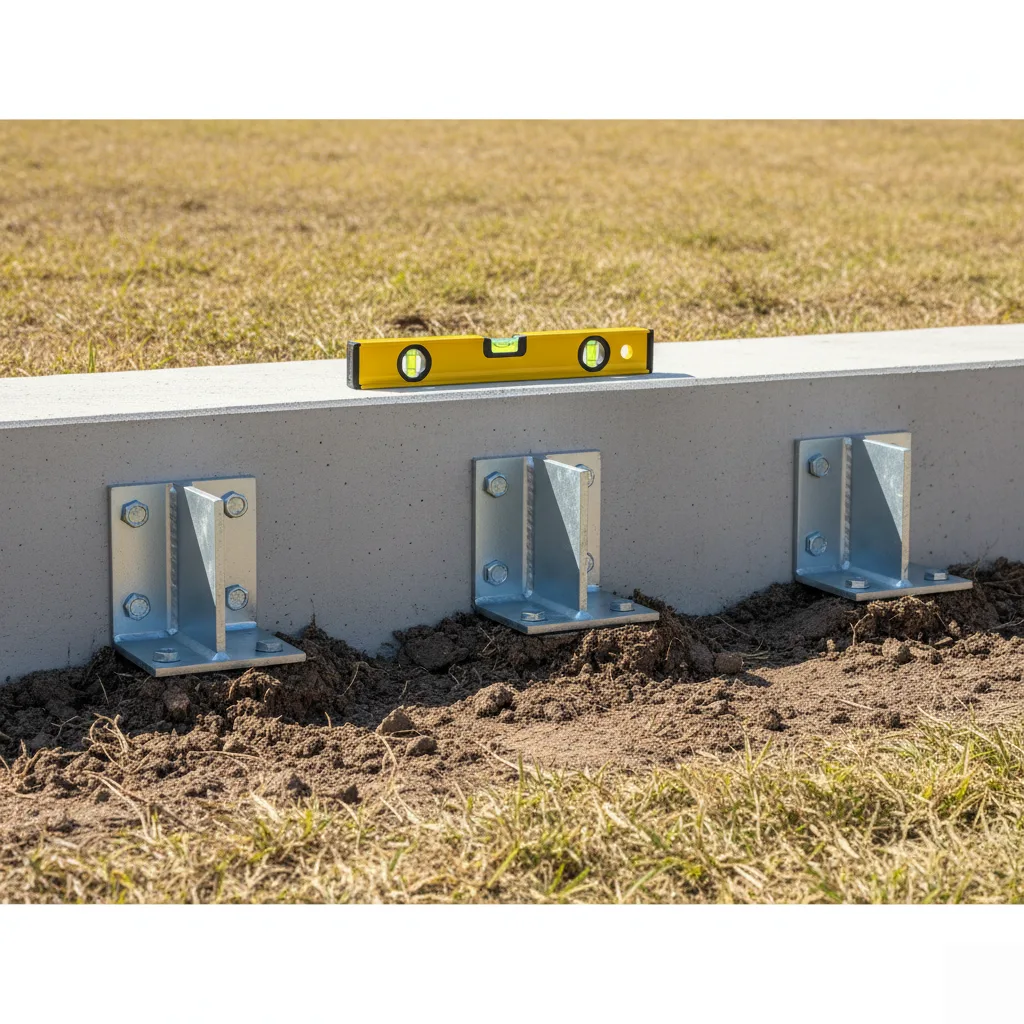
Slab pier installation is the process of driving steel or concrete pilings deep beneath your home's foundation to reach stable soil or bedrock below the active clay layer. Once the piers are in place, they transfer the load of your home away from the shifting surface soil and onto something that doesn't move with the seasons.

This matters in Pflugerville because the clay here doesn't behave like ordinary soil. Central Texas sits on Vertisol — a clay-heavy soil type rich in montmorillonite that swells when it absorbs water and shrinks when it dries out. The volume change can reach up to 15% between wet and dry states, and the pressure that generates can exceed 5,500 pounds per square foot. That's more than enough to crack a concrete slab and push a foundation out of level.

The shrink-swell cycle runs every year. Hot summers pull moisture from the soil, creating voids beneath your slab. Spring rains rehydrate the clay, which then pushes upward. Year after year, the cumulative effect adds up — and most homeowners don't notice until doors start sticking or cracks appear in the drywall.
Warning signs

Signs You May Need Slab Pier Installation

Foundation movement rarely announces itself all at once. It tends to show up gradually, in ways that are easy to dismiss at first:

  • Doors and windows that stick or won't close properly
  • Cracks in drywall, especially near door frames and corners
  • Uneven or sloping floors
  • Gaps forming between walls and ceilings
  • Cracks in the exterior brick or concrete
  • Visible separation along the foundation perimeter

If you're seeing one or more of these signs, it's worth getting a professional assessment before the movement goes further. We offer free estimates — no obligation, no pressure.

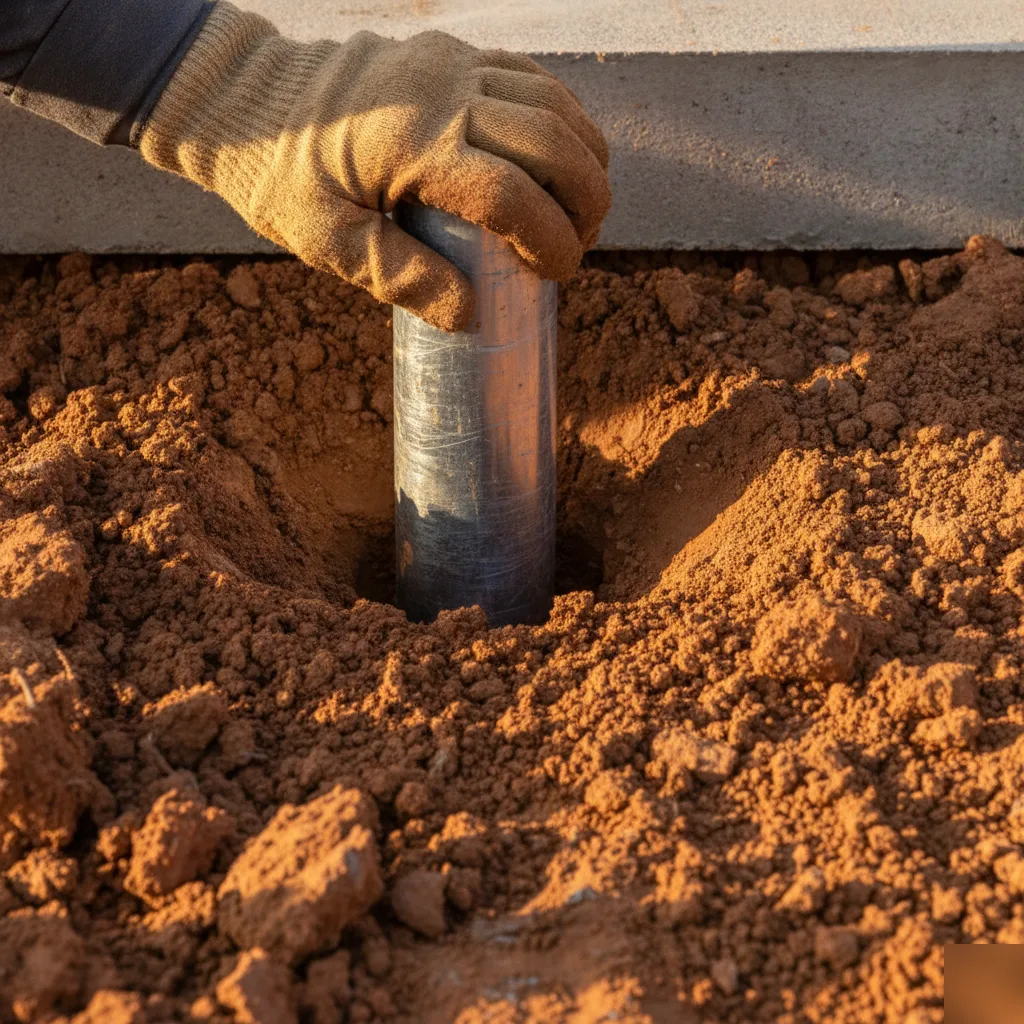
Steel pier shaft driven through clay soil beneath a slab foundation in Pflugerville
Choosing a system

Steel Pilings vs. Concrete Pilings

We install both pressed steel pilings and pressed concrete pilings, and the right choice depends on your home's specific conditions. Our team will evaluate your foundation, the soil profile beneath it, and the extent of settling before recommending a system.

Steel push piers are driven to refusal — meaning they're pushed until they hit resistance from stable soil or bedrock. They're well-suited for deeper installations and heavier loads. Our lifetime transferable warranty on steel piers includes future settling adjustments at no additional cost to the homeowner.

Pressed concrete pilings are a proven option for many Central Texas homes. They're installed in sections and pressed into the ground using hydraulic equipment. Concrete pilings have a long track record in this region and work well across a range of soil conditions.

Both systems are designed to last. Both are covered by our lifetime transferable warranty.

The root cause

Why Pflugerville Homes Are Particularly Vulnerable

Pflugerville sits on the eastern edge of the Austin metro, squarely on the Blackland Prairie formation. This is one of the most active shrink-swell zones in North America. Homes built here in the 1980s and 1990s — like many in Heatherwilde, Windermere, and Springbrook — have been through decades of seasonal soil movement. The older the foundation, the more cycles it has absorbed.

Austin's climate makes it worse. Summers regularly push past 100 degrees with extended dry stretches that pull moisture deep out of the clay. Then spring arrives with heavy rain events that can drop several inches in a single storm. That rapid rehydration is hard on any slab, but especially on one that's already been stressed by years of movement.

If you bought your home recently and moved here from another part of the country, this may all be new to you. Foundations in much of the country don't behave this way. In Central Texas, the soil is the variable — and it's always moving.

Our process

Our Slab Pier Installation Process

We start with a thorough on-site evaluation. One of our experienced technicians will walk the property, assess the interior and exterior signs of movement, and take measurements to determine how much settling has occurred and where. From there, we put together a repair plan specific to your home.

There's no one-size-fits-all approach here. The number of piers, their placement, and the type of system we recommend all depend on what we find. We'll walk you through the plan before any work begins so you understand exactly what's being done and why.

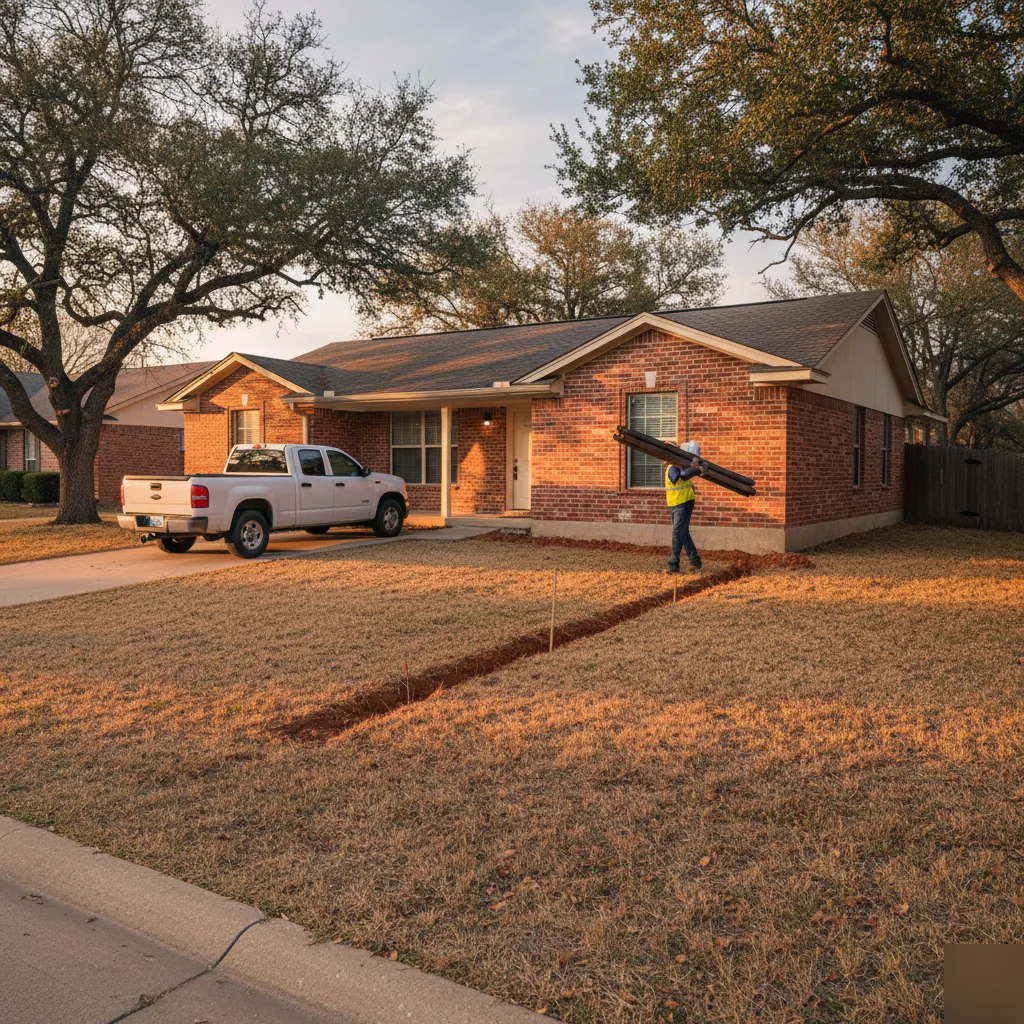
For most residential jobs, professional foundation repair in Pflugerville moves faster than homeowners expect — installation is typically completed in one to two days. Our crew works efficiently and cleans up the site when the job is done. Once the piers are in place, we perform the lifting and leveling adjustments needed to bring the foundation back to grade.

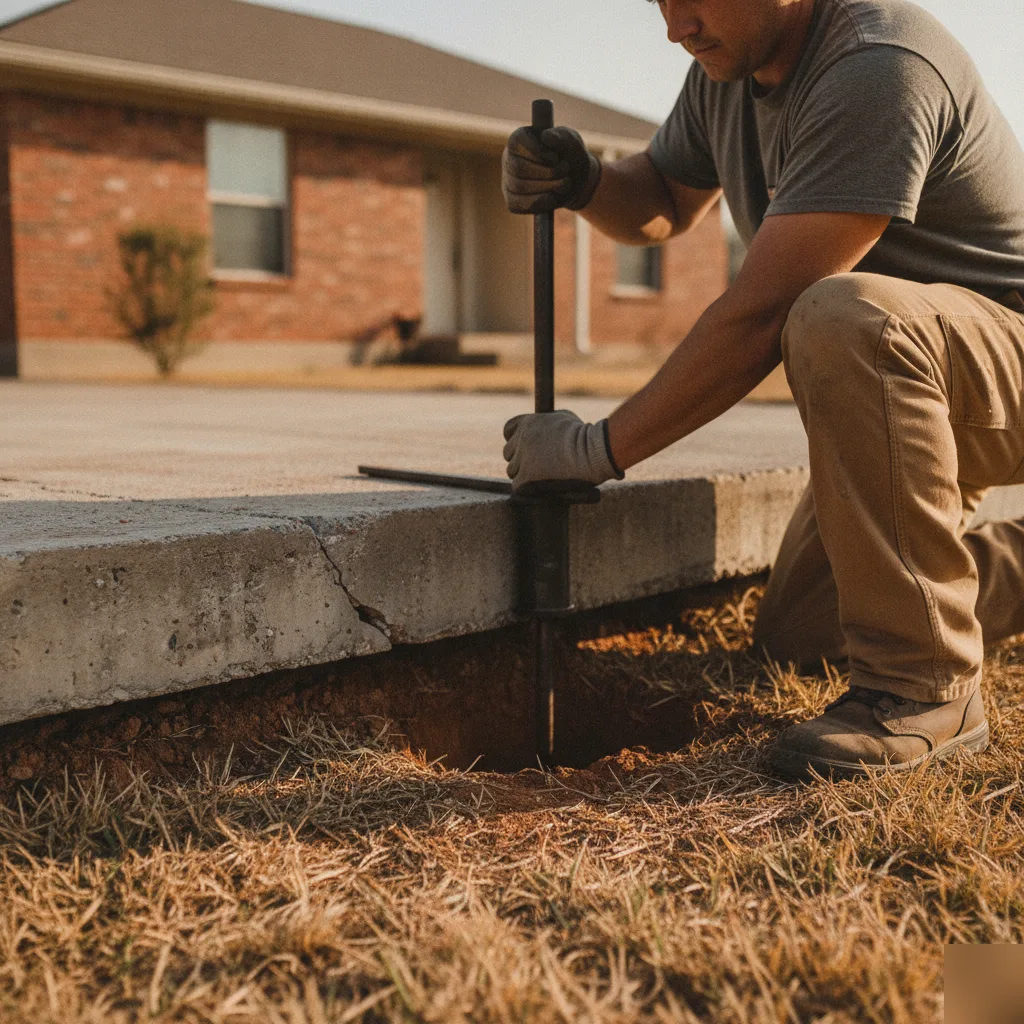
Slab pier installation underway during foundation repair in Pflugerville
Peace of mind

The Lifetime Transferable Warranty

Every pier installation we complete is backed by a lifetime transferable warranty. For steel piers, that includes future adjustments at no cost if additional settling occurs. When you sell your home, the warranty transfers to the new owner.

That transferability matters more than most homeowners realize. Foundation issues discovered during a buyer's inspection can kill a sale or trigger significant price negotiations. A documented repair with a transferable lifetime warranty changes that conversation entirely. It's one of the more tangible ways our work adds lasting value to your property.

Who we are

Locally Owned, Locally Experienced

Bats Foundation Repair is locally owned and operated, headquartered right here in Pflugerville at 18414 N Heatherwilde Blvd. We're not a franchise or a national chain. We're a Central Texas company that has been working in these neighborhoods, on these soil types, for over four decades of combined experience.

We're also a Better Business Bureau member, and we take that seriously. Our reputation is built on straightforward assessments, honest recommendations, and work that holds up over time.

Financing

Financing Available

Foundation repair is a significant investment, and we know that timing isn't always ideal. Financing options are available for qualified homeowners. Ask about financing when you call for your free estimate.

The soil

How Pflugerville's Soil Drives Slab Movement

You likely didn't think much about the soil when you bought your home. Few people do. But the ground beneath your slab in Pflugerville works against your foundation every season.

This area sits on Blackland Prairie clay, one of North America's most expansive soil types. The clay is rich in montmorillonite, a mineral that reacts to moisture like a sponge. According to the Natural Resources Conservation Service, this Vertisol soil can change volume by up to 15% between wet and dry conditions. This significant shift occurs while your entire house sits on top.

Here's what happens. During a long, dry summer, the clay shrinks and pulls away from your slab, creating voids. When spring rains arrive, the soil swells back up, pushing against the concrete with thousands of pounds per square foot. This cycle repeats every year, with damage compounding over time.

We see the results regularly in neighborhoods like Heatherwilde and Windermere. Homes built in the late '80s and '90s have experienced decades of this shrink-swell pattern. Signs appear gradually:

  • Doors and windows that stick or won't latch properly
  • Diagonal cracks running from door frames through drywall
  • Floors that slope or feel uneven when you walk across a room
  • Gaps forming between walls and ceilings or around trim

These symptoms trace back to soil movement under the slab. It's not just plumbing or the house "just settling." The clay physically pushes and pulls your foundation out of position.

This is why slab pier installation is so effective. Piers bypass this unstable clay. They reach down to stable, load-bearing soil or bedrock, providing true support that won't shift with the weather. Pflugerville homeowners experience this problem more than most, being in the heart of the Blackland Prairie zone. While the soil won't change, your foundation's ability to handle it certainly can.

Step by step

How Slab Pier Installation Works: Step by Step

You don't need to be an engineer to understand the process under your home. It's straightforward, and our Pflugerville crews handle it consistently. We remove the guesswork.

Here is how a typical slab pier installation proceeds:

  1. 1

    We dig access holes along the foundation's edge. These small openings, typically about two feet square, are placed at specific points our assessment identifies as needing support. Most homeowners are surprised by how little digging is needed.

  2. 2

    Steel pier sections are driven down through the holes. We use hydraulic equipment to push each pier segment deep into the ground. The piers continue downward until they hit load-bearing strata. In the Windermere area, this often means pushing past 15 to 20 feet of clay to reach stable rock or dense soil. The International Residential Code foundations chapter outlines the minimum requirements for foundation support and bearing capacity that guide this work.

  3. 3

    We attach a steel bracket to the foundation footing. This bracket connects the pier directly to the bottom of your slab, linking your home to the stable ground below.

  4. 4

    Hydraulic jacks lift the slab back toward its original position. We monitor elevation readings at every pier location during this slow, controlled step. Rushing this can cause more problems than it solves.

  5. 5

    Everything gets locked in place and backfilled. Once the slab is at the correct elevation, we secure the connections and fill the access holes.

Most jobs take one to two days. With over 40 years of combined experience, we've completed hundreds of these projects across Central Texas, consistently following this reliable process.

One thing many people don't expect is how quiet the work is. There's no jackhammering through your living room floor. Your landscaping remains largely intact because we work along the perimeter, allowing homeowners to stay in the house during exterior work.

Need help understanding your foundation's issues? Give us a call at (512) 584-6557 for a free estimate.

After the repair

What to Expect After the Piers Are Installed

Once our crew completes your slab pier installation, you won't wait weeks to use your home normally. Most Pflugerville homeowners can walk on the repaired areas the same day. However, a few details are important to understand.

The first thing you'll likely notice is improved function of doors and windows. Frames that were binding or sticking should now open and close smoothly with the slab returned to its correct position. Some drywall cracks may close on their own, while others will not; this is expected. Cosmetic repairs, such as patching drywall or touching up paint, are separate tasks you can address when ready.

We get this question every week: "Will my foundation move again?" Our answer is this: The piers bear on stable soil or bedrock far below the active clay zone. The Blackland Prairie clay near the surface will continue its seasonal swelling and shrinking, but the piers bypass this movement. Your slab is now supported independently of the topsoil's actions.

During the first few weeks, observe the following:

  • Minor hairline cracks in drywall or mortar as the structure settles into its corrected position
  • Small patches of disturbed soil or landscaping around pier locations outside your home
  • Slight popping sounds from framing members adjusting to the new level

These are not causes for concern. Your house is simply adjusting to its corrected level, particularly common in older neighborhoods like Windermere, where foundations have shifted for decades.

For homeowners considering selling, our work includes a lifetime transferable warranty. This means the next owner receives the same protection. Real estate agents in Pflugerville understand the value this adds during a buyer's inspection.

We provide documentation of every pier location, the depth reached, and the hydraulic pressure used during the lift. This file serves as your proof of a properly completed job.

When to call an engineer

When a Structural Engineer Should Be Part of the Process

Not every slab pier installation requires a structural engineer, but some situations certainly call for one.

This is a common question in Pflugerville, particularly from homeowners who have received conflicting advice from different contractors. A structural engineer provides a third-party opinion, backed by mathematical analysis and professional licensing. This expertise is important for complex situations or when documentation is needed for a real estate transaction, an insurance claim, or a permit.

When We Recommend Bringing One In

An engineer's report is most valuable in these situations:

  • Your home has severe cracking in load-bearing walls, not just cosmetic drywall cracks
  • You're selling your home and the buyer's lender requires an engineering letter
  • There's visible structural damage to beams or the slab itself beyond normal settling
  • Multiple areas of the foundation are affected, and the scope of work is unclear
  • You've had previous foundation work done and the problem came back

Our team can assess the situation during a free estimate and provide a clear repair plan. We have over 40 years of combined experience understanding the effects of Blackland Prairie clay. However, if a home in Windermere has deep diagonal cracks running through the brick veneer and floors slope more than two inches across a room, we will advise you to consult an engineer first.

A structural engineer's report provides exact specifications: pier depth, spacing, and load requirements. It removes guesswork and offers legal protection should any future dispute arise. If you're preparing to list your home, that report, combined with our lifetime transferable warranty, gives buyers genuine confidence.

We work with several engineers in the Pflugerville area. If you need a referral, please ask. Our objective is to complete the repair correctly the first time. Sometimes, this means consulting with another expert before we begin pier installation.

Frequently asked questions

Slab pier installation in Pflugerville, answered

How long does slab pier installation take in Pflugerville?

Most slab pier installation jobs in Pflugerville take one to two days to complete. The exact timeline depends on how many piers your foundation needs and how deep our crew has to drive them. In areas like Windermere, piers often need to reach 15 to 20 feet before hitting stable ground. You can usually walk on the repaired areas the same day work is finished. Your home stays livable throughout the process.

Does Pflugerville's clay soil really cause that much foundation damage?

Yes, and it's one of the most common reasons homeowners here call us. Pflugerville sits on Blackland Prairie clay, which can shift in volume by up to 15% between wet and dry seasons. That shrink-swell cycle happens every year, and the damage adds up over time. Homes built in the late '80s and '90s in neighborhoods like Heatherwilde have gone through decades of this. Slab piers work because they bypass that unstable clay entirely and anchor into stable ground below.

Will your crew need to break through my interior floors to install the piers?

No, your interior floors stay intact. We dig small access holes along the outside perimeter of your foundation — typically about two feet square. All the pier driving happens from those exterior openings. There's no jackhammering through your living room or bedroom floors. Your landscaping stays mostly undisturbed too. Most Pflugerville homeowners are surprised by how little disruption the process actually causes.

I've patched the same drywall cracks twice — will piers actually stop them from coming back?

Patching drywall only covers the symptom, not the cause. If the soil underneath your slab is still shifting, the cracks will keep returning. Slab piers address the root problem by anchoring your foundation to stable, load-bearing soil or bedrock below the clay layer. Once the foundation stops moving, the cracking stops too. Many Pflugerville homeowners in the Windermere area come to us after patching the same diagonal cracks near door frames two or three times.

What should I do before your crew arrives for the installation?

Clear the area around the outside of your home so our crew can access the foundation perimeter easily. Move any potted plants, patio furniture, or stored items away from the exterior walls. You don't need to vacate your home during exterior work. If we need interior access for elevation readings, we'll let you know ahead of time. A quick walkthrough before the job starts helps our Pflugerville team confirm pier placement points and answer any last questions you have.

Can one part of my slab settle while the rest stays level?

Yes, and this is actually very common. Your kitchen floor might be perfectly level while the master bedroom has dropped nearly half an inch. Settling follows weak spots in the soil, so it's often localized to one corner or side of the house. This uneven movement is one of the clearest signs that slab pier installation is the right fix. During the job, we monitor elevation readings at every pier location to lift each section back toward its original position carefully and evenly.

Seeing signs of foundation movement? Get a straight answer

We'll come out, take a look, and give you a straight answer about what's happening and what it will take to fix it. Call Bats Foundation Repair to schedule your free estimate.