
Why Pflugerville Driveways Crack and Sink
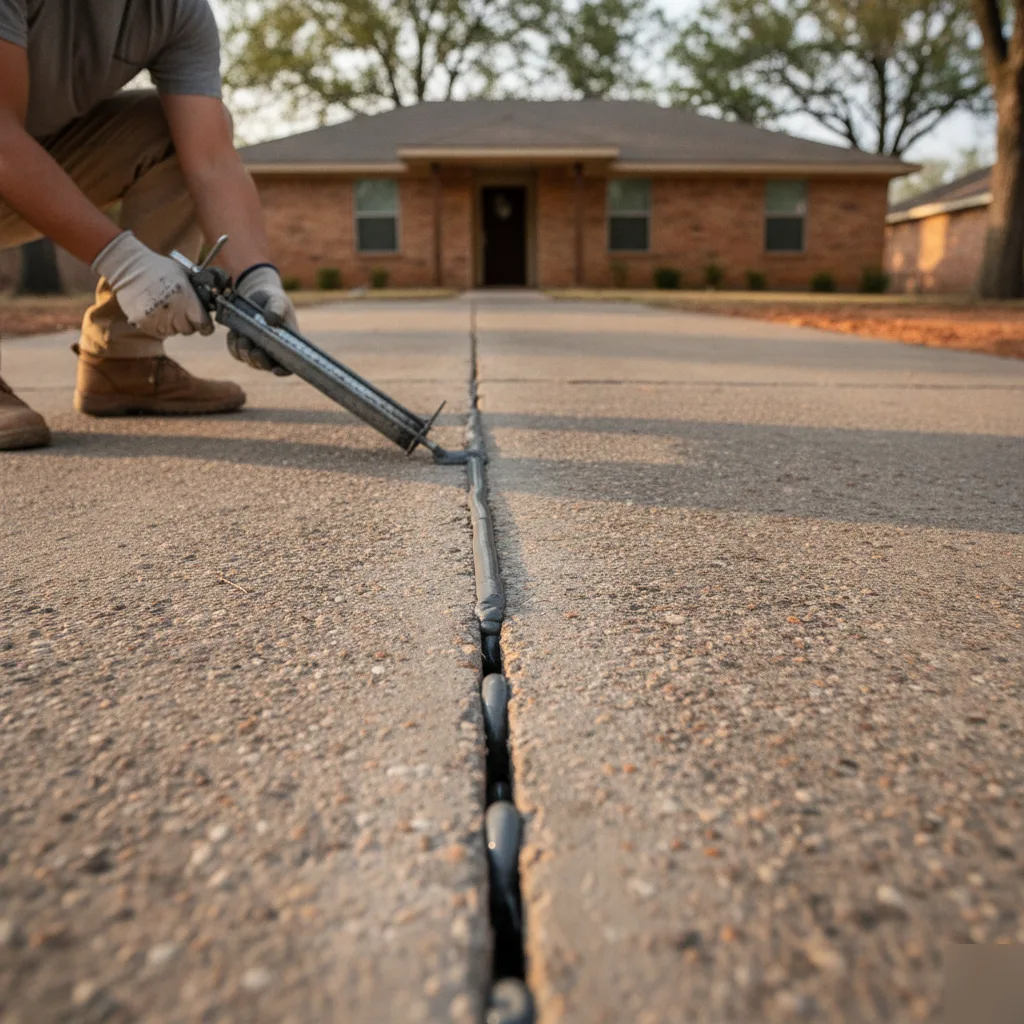
You walk out one morning and notice a crack across your driveway, or maybe one side has dropped half an inch lower than the other. This isn't random. There's a clear reason it keeps happening in Pflugerville. The problem often starts about three feet below the surface.
The soil here is Blackland Prairie clay, packed with a mineral called montmorillonite. This mineral acts like a sponge. When spring rains hit, the clay swells. During our long dry summers, it shrinks and pulls away from whatever sits on top of it. According to the Texas A&M AgriLife Extension, this clay can change volume by up to 15 percent between wet and dry states. This is a massive shift happening right under your concrete.
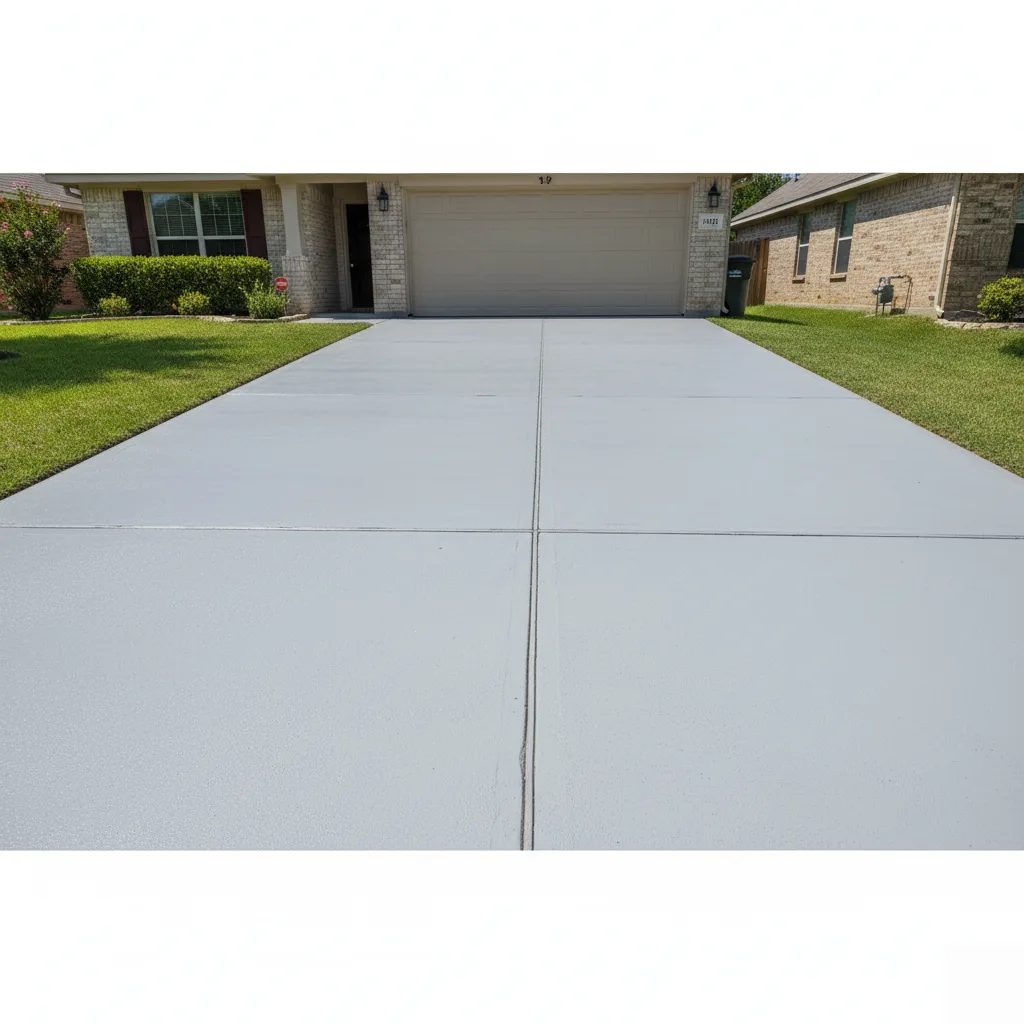
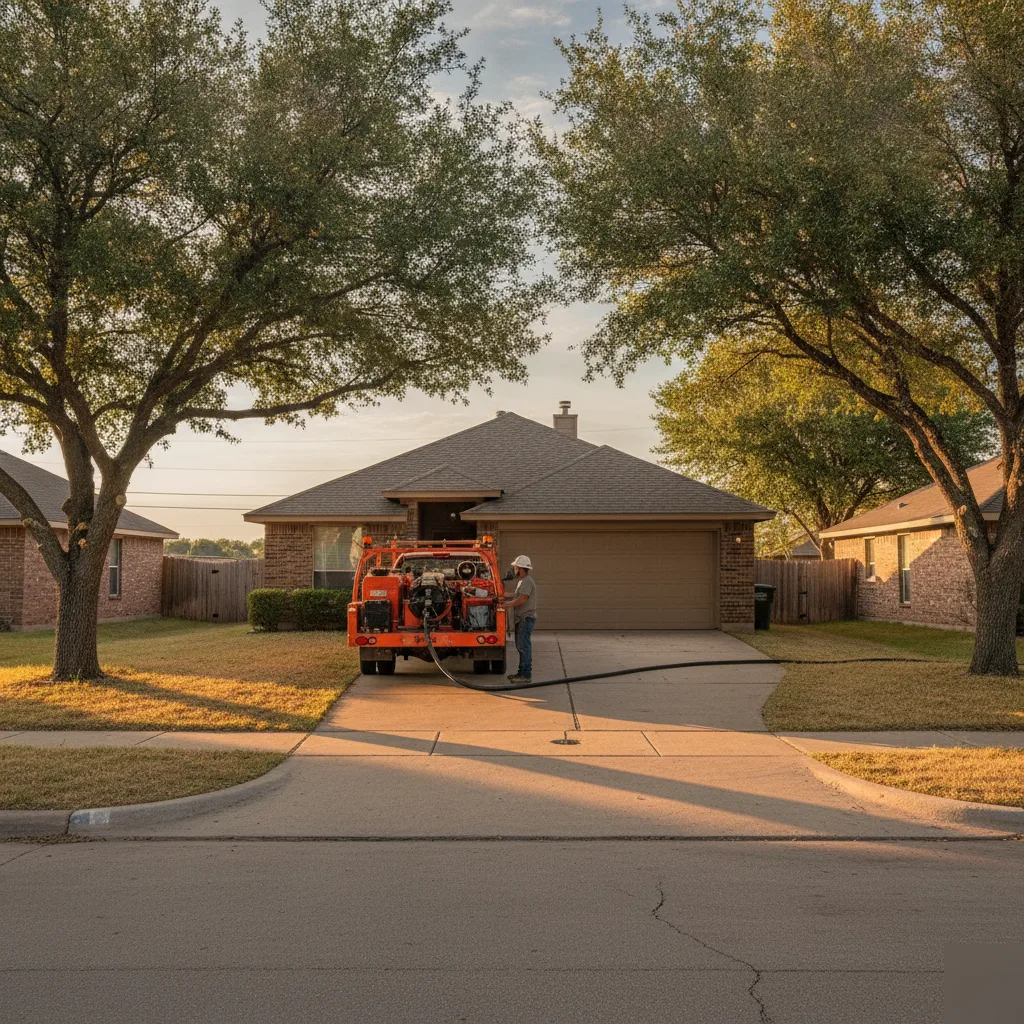
Your driveway takes the brunt because it lacks the weight of a house holding it down. The slab is thinner and more exposed to weather. It often sits where runoff collects or where tree roots pull moisture from the ground unevenly. In neighborhoods like Windermere and Springbrook, homes have been through decades of these cycles. The damage often shows up on driveways first.
The most common signs we find during driveway repair calls in Pflugerville include:
- Hairline cracks that widen over a single season
- Sections that have visibly sunk or tilted toward the garage
- Gaps forming between the driveway and the foundation wall
- Surface flaking or spalling from moisture getting into small cracks and expanding
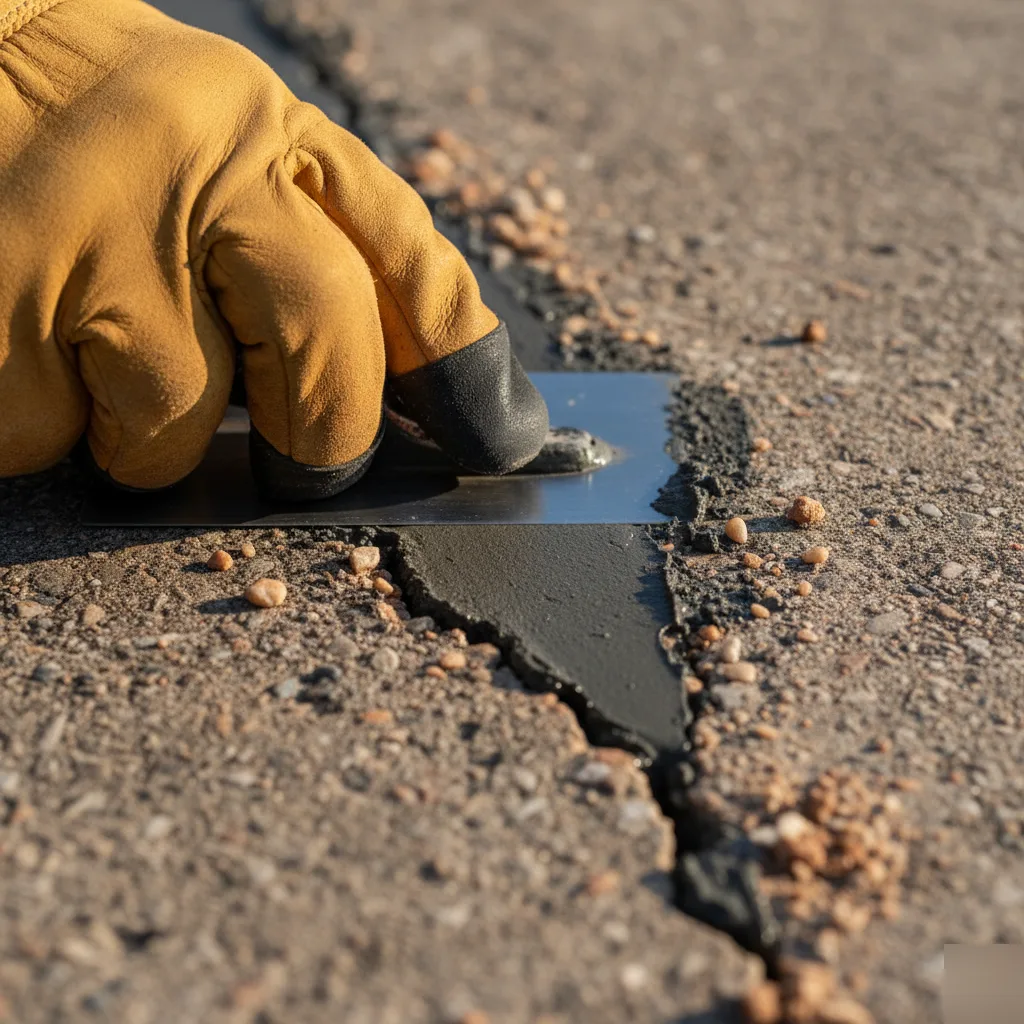
None of these issues fix themselves. The shrink-swell cycle repeats every year, and the damage accumulates. A small crack in January can become a trip hazard by August. Once you understand the cause, you can stop applying patches and get a lasting solution. This is the difference between applying filler from the hardware store and getting the job done correctly.