

Polyurethane Foam Injection · Pflugerville, TX

Polyurethane Foam Injectionin Pflugerville

Polyurethane foam injection is a fast, minimally invasive way to lift and stabilize settled concrete without tearing it out and replacing it.

At Bats Foundation Repair, we primarily use polyurethane for driveways, patios, sidewalks, walkways, and other independent concrete slabs. We can also use it for certain interior slab areas when installing piers is not practical because of access, occupancy, or other site conditions.

For structural interior foundation movement, piers are generally our preferred repair when they can be installed. Foam is another tool we can use when the conditions make it the better practical option.

How it works

What Polyurethane Foam Injection Does

At Bats Foundation Repair, we primarily use polyurethane for driveways, patios, sidewalks, walkways, and other independent concrete slabs. We can also use it for certain interior slab areas when installing piers is not practical because of access, occupancy, or other site conditions.

Polyurethane foam injection uses a high-density expanding material installed beneath settled concrete through small injection points, typically about the size of a dime. As the material is injected, it expands beneath the slab, filling available space and gradually raising the concrete.

Depending on the project, polyurethane can be used to:

  • Lift settled concrete — The expanding material can raise driveway sections, sidewalks, patios, and other slabs that have dropped relative to the surrounding concrete.
  • Fill voids — Polyurethane fills unsupported areas beneath the slab and helps restore support beneath the concrete.
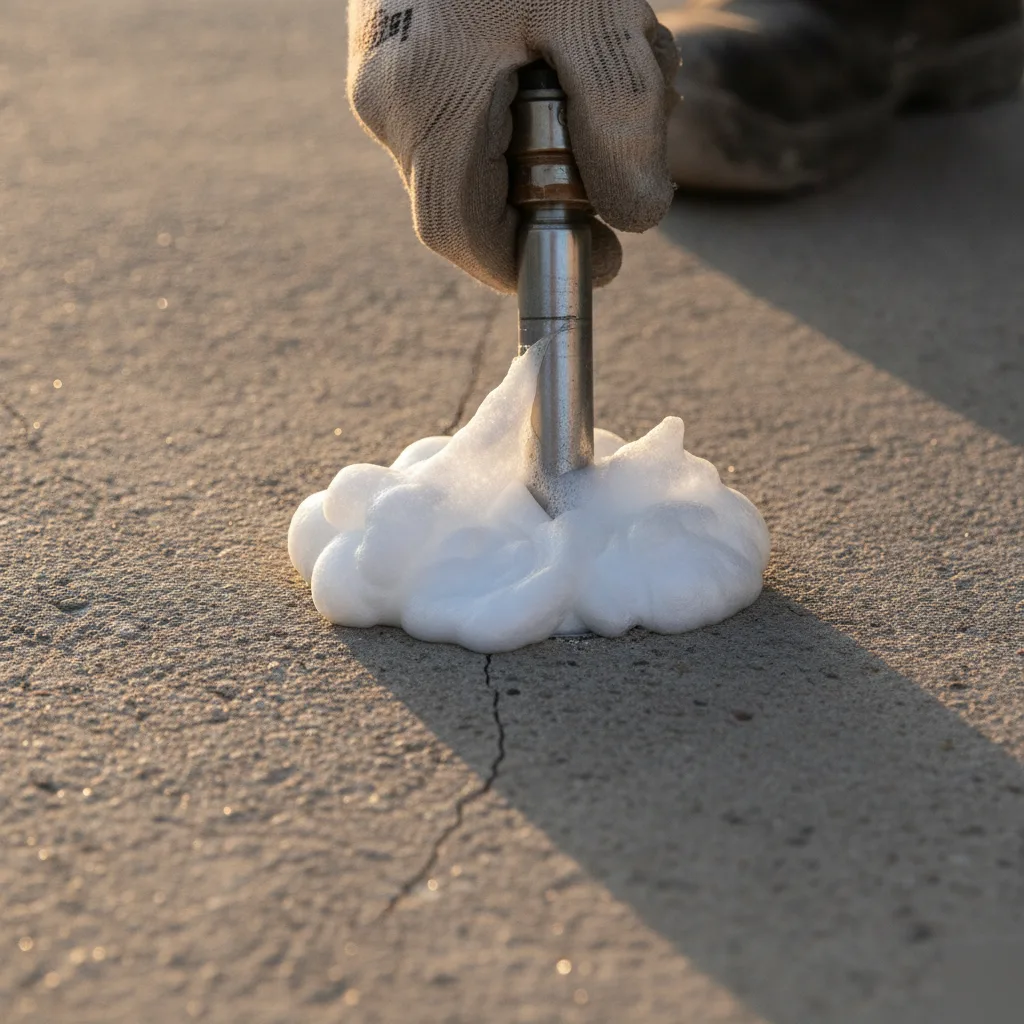
Polyurethane foam expanding through a dime-sized injection hole in a Pflugerville concrete slab

The material is lightweight, cures quickly, and requires only small access holes through the concrete.
Applications

Where We Use Polyurethane Foam

Driveways

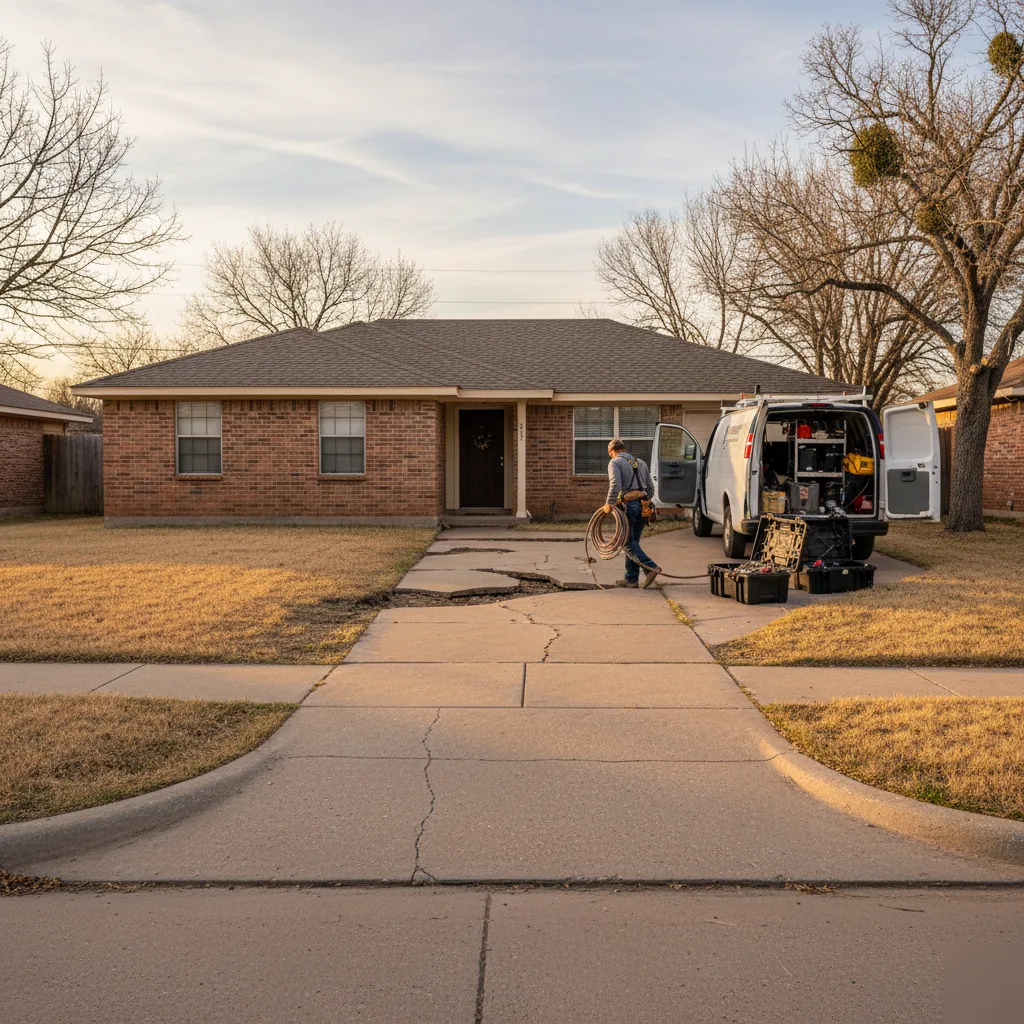
Driveway sections can settle as soils beneath them shrink, erode, or lose support. If the concrete is still in good condition, polyurethane can often lift the affected section and improve uneven areas where two slabs meet without removing and replacing the driveway.

Patios

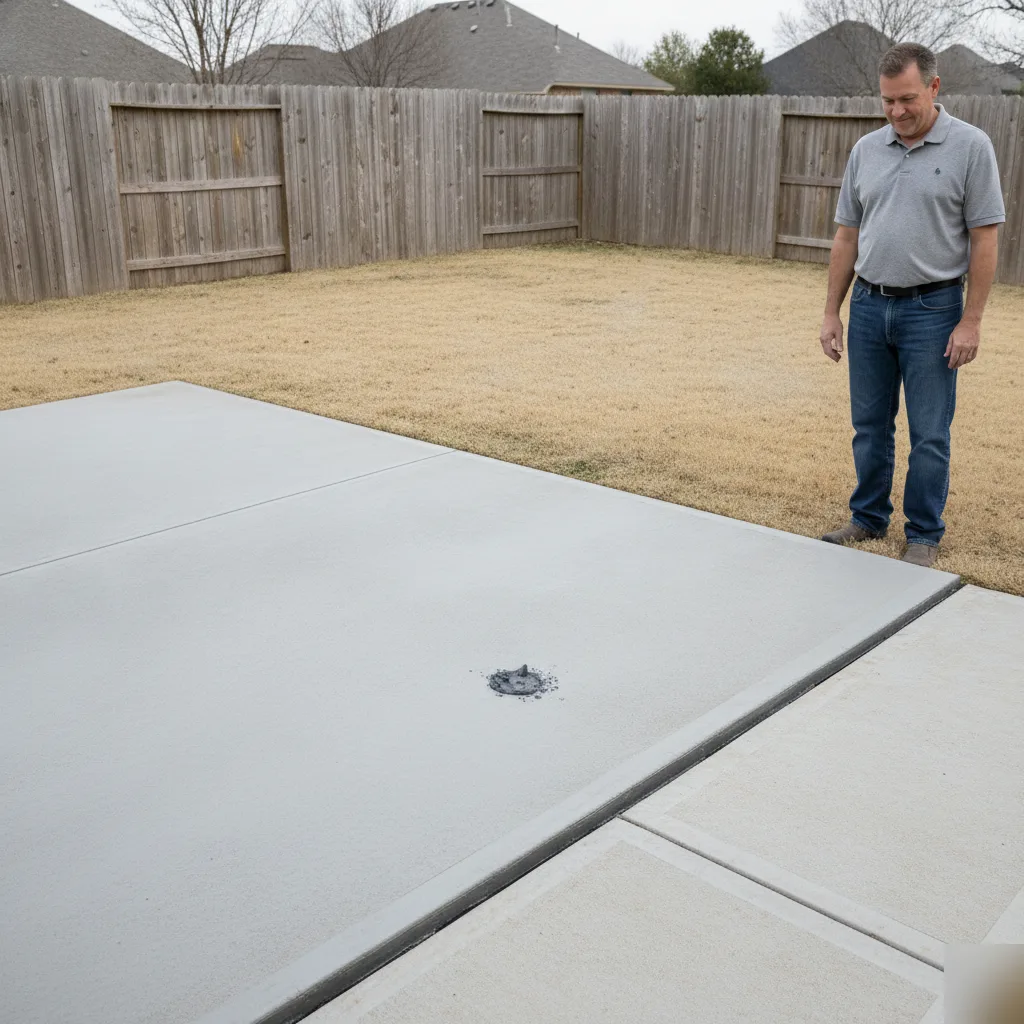
Patio slabs commonly move independently from the structural foundation of the home. Polyurethane can be used to lift settled areas, reduce uneven transitions, and restore support beneath the existing slab.

Sidewalks and Walkways

Settled sidewalk sections can create uneven surfaces and trip hazards. Foam injection allows us to adjust individual panels while leaving the existing concrete in place.

Porches and Other Concrete Slabs

Polyurethane can also be used on porch slabs, concrete pads, pool decks, and similar flatwork when the slab itself is in good enough condition to lift.

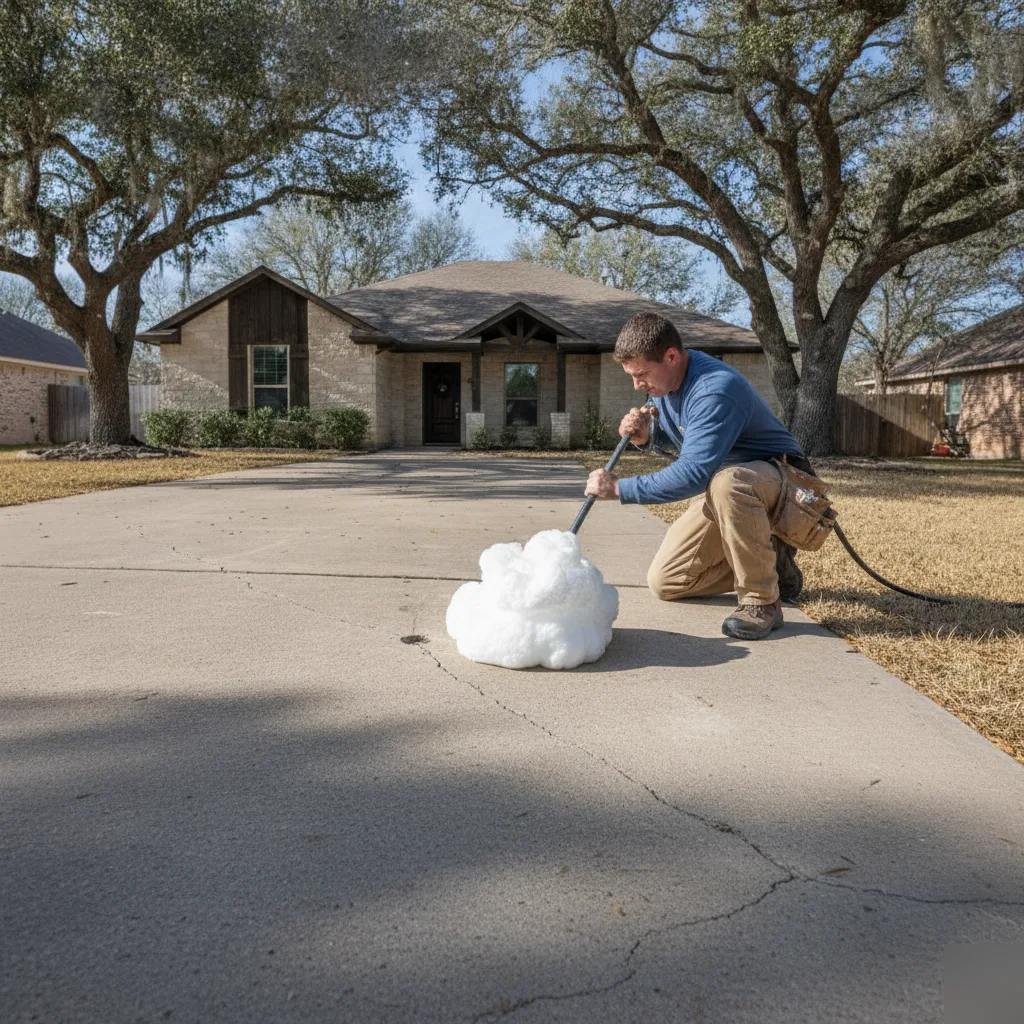
Crew lifting a settled driveway slab with polyurethane foam injection in a Pflugerville neighborhood
Inside the home

Interior Slab Lifting

Polyurethane can also be useful inside a home, but we approach interior foundation movement differently than an exterior sidewalk or driveway.

When an interior portion of a structural slab has settled, our preferred repair is generally to install piers when access and structural conditions allow it. Piers provide deeper structural support and transfer the load of the foundation below the more active surface soils. For that reason, we typically consider them the better long-term option for significant interior foundation movement.

There are situations, however, where installing interior piers may not be practical, including:

  • Occupied or finished areas where opening the floor would be highly disruptive
  • Limited access to the repair location
  • Areas where installing piers would create unnecessary disruption to the home
  • Other site or structural conditions that make conventional pier installation impractical

In those situations, polyurethane foam can provide a less invasive way to improve the elevation and support of the interior slab. We evaluate the home first and explain the advantages and limitations of each option before recommending a repair.

Comparing methods

Foam or Piers?

They are different repair methods intended to solve different problems.

Polyurethane Foam

Best suited for:

  • Driveways, patios, sidewalks, and walkways
  • Independent concrete slabs
  • Localized interior slab settlement where piers are not practical

Polyurethane works directly beneath the slab, filling voids and allowing controlled elevation improvements with relatively little disruption.

Foundation Piers

Best suited for:

  • Structural foundation settlement
  • Interior areas where pier access is practical
  • Areas requiring deeper structural support

When we're able to install a pier beneath a structurally settled interior area, that is generally the solution we prefer. We offer both systems because every property is different, and there are situations where the less invasive foam approach makes more sense. Learn more about our All-Steel Pier System and our Hybrid Steel Pier System.

Our process

How Polyurethane Foam Injection Works

  1. 1
    We evaluate the area

    We first determine what has settled, how much movement has occurred, and whether the existing concrete is a good candidate for lifting. For homes, we also look at the overall foundation before deciding whether foam or structural piers are the more appropriate solution.

  2. 2
    Small injection holes are drilled

    Small access points, typically about the size of a dime, are drilled through the concrete in locations selected to reach the areas requiring support or adjustment.

  3. 3
    Polyurethane is injected

    High-density polyurethane is injected beneath the slab. As the material expands, it moves into available voids and applies pressure to the underside of the concrete.

  4. 4
    The slab is carefully adjusted

    The foam is installed gradually while our crew monitors how the slab responds and rises. Our goal is not to force every section back to perfectly level. We make as much improvement as the existing slab and surrounding conditions reasonably allow.

  5. 5
    The injection points are patched

    Once the repair is complete, the small access holes are patched. Because polyurethane cures quickly, disruption and downtime are generally minimal.

Why it works well

Benefits of Polyurethane Foam Injection

  • Small injection points — Polyurethane is installed through access holes typically about the size of a dime, minimizing disturbance to the existing concrete.
  • Lightweight material — Polyurethane fills voids and supports the concrete without adding significant additional weight beneath an already settled slab.
  • Controlled lifting — The material can be injected gradually at multiple locations, allowing our crew to monitor and control how the slab responds.
  • Fast cure time — Polyurethane cures quickly, allowing most repaired areas to return to normal use soon after the work is completed.
  • Water resistant — The closed-cell polyurethane used for concrete lifting is highly resistant to water and maintains its structure after curing.
  • Minimal disruption — Particularly inside occupied homes, polyurethane can improve a settled slab without the excavation and disruption required to install interior piers.
The root cause

Why Concrete Settles in Pflugerville

Pflugerville and much of Central Texas have expansive clay soils that shrink and expand as moisture conditions change. Drainage, erosion, plumbing leaks, trees, and soil conditions can also create uneven support beneath concrete.

Driveways, sidewalks, patios, and other exterior flatwork are especially susceptible because they typically do not have the same structural support as the foundation of the home.

When the concrete itself is still in good condition, polyurethane can often improve settled areas without unnecessary demolition and replacement.

Why Bats

Why Bats Foundation Repair?

Polyurethane is one of several repair methods we offer. We also install steel piers, hybrid steel piers, and repair pier & beam foundations.

That allows us to recommend the repair method we believe makes sense instead of trying to make every problem fit the same product.

For exterior concrete, foam is often an excellent option. For structural interior movement, we generally prefer piers when they're practical. When access or disruption makes piers impractical, polyurethane gives us another option.

We'll explain the difference, set realistic expectations, and be clear about what we expect the repair to accomplish.

Frequently asked questions

Polyurethane foam injection in Pflugerville, answered

Can polyurethane lift concrete back to perfectly level?

Not always. How much improvement is possible depends on the condition of the concrete, how it settled, surrounding slabs and structures, and how the slab responds during adjustment. We set realistic goals before the work begins rather than promising a result the existing concrete may not allow.

How large are the injection holes?

The injection holes are typically about the size of a dime and are patched after the repair is complete.

How long does polyurethane take to cure?

Polyurethane cures very quickly, allowing most repaired areas to return to normal use shortly after installation. Specific use times can vary depending on the application.

How long does polyurethane foam last?

Polyurethane is a durable, closed-cell material designed for long-term use beneath concrete. Future drainage problems, plumbing leaks, erosion, or significant soil movement can still affect the slab and surrounding soils.

Should I use foam or piers for interior slab settlement?

When an interior portion of a structural slab has settled, our preferred repair is generally to install piers when access and structural conditions allow it. Piers provide deeper structural support and transfer the load of the foundation below the more active surface soils. Where occupancy, access, or disruption makes an interior pier impractical, polyurethane foam can provide a less invasive way to improve the elevation and support of the slab.

Is my driveway a good candidate for foam injection?

If the concrete itself is still in good condition and the problem is settlement rather than deterioration, it usually is. We evaluate what has settled, how much movement has occurred, and whether the existing concrete will lift before recommending foam over replacement.

Have Settled Concrete?

Schedule a free, no-pressure assessment with Bats Foundation Repair. We'll evaluate the concrete and let you know whether polyurethane lifting, foundation piers, replacement, or simply leaving it alone makes the most sense.