
All-Steel Pier System · Pflugerville, TX

Steel Pier Foundation Repairin Pflugerville

Bats Foundation Repair's All-Steel Pier System is our premium driven pier option for slab foundation repair.

The driven portion of each pier is constructed from 2⅞-inch Schedule 80 steel pipe installed in 12-inch interlocking sections. The pier is positioned concentrically beneath the grade beam and hydraulically advanced one section at a time until it reaches refusal or bedrock, whichever comes first.

There is no predetermined installation depth.

The system

What Is the Bats All-Steel Pier?

An all-steel pier is a deep foundation support system used to stabilize and adjust areas of a slab foundation that have experienced settlement. Instead of relying on the more active soils close to the surface, the pier extends deeper beneath the home until the required supporting condition is reached.

Our system uses:

  • 2⅞-inch Schedule 80 steel pipe
  • 12-inch interlocking sections
  • Steel throughout the entire driven support column
  • Concentric placement beneath the grade beam
  • Hydraulic installation using the weight of the structure
  • Installation to refusal or bedrock
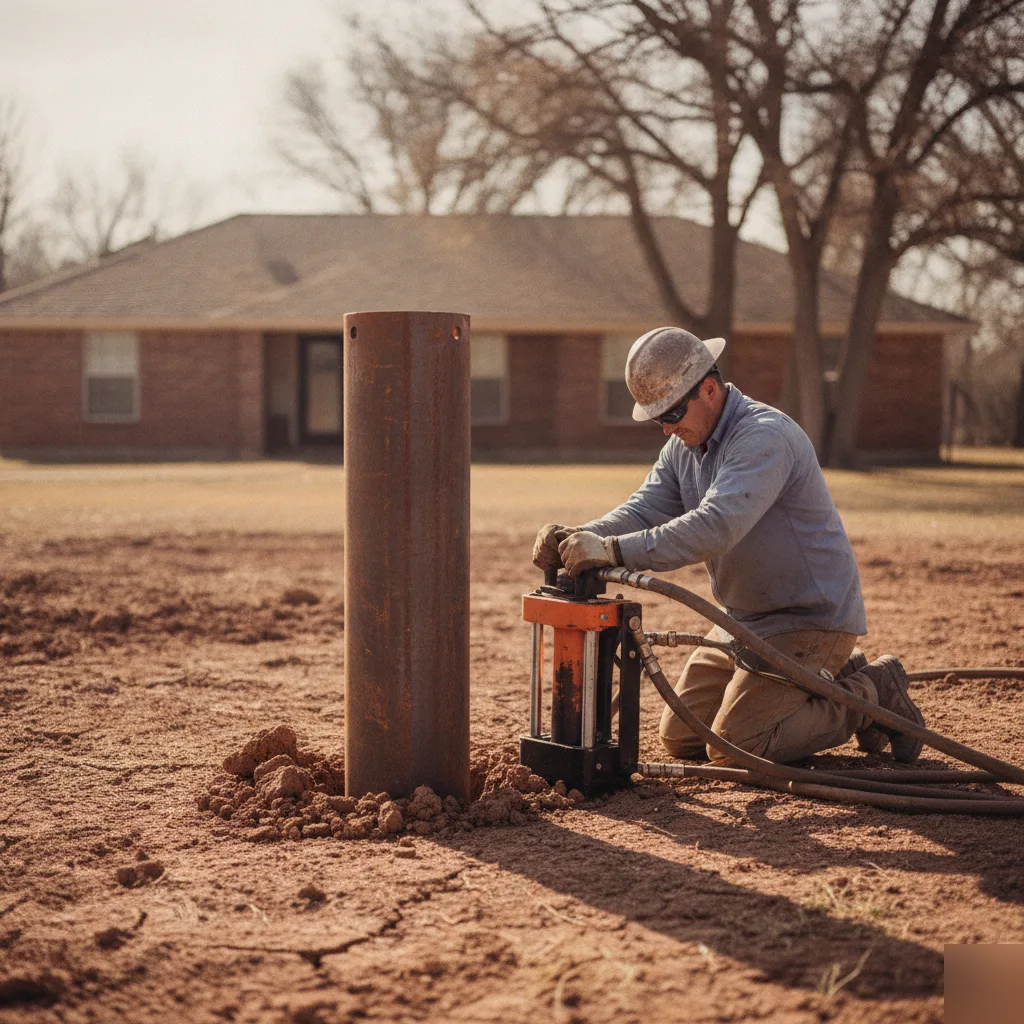
Schedule 80 steel pier section driven through clay soil beneath a Pflugerville slab foundation

Because the pier is positioned directly beneath the grade beam, the structural load transfers directly downward into the support column rather than through an offset support point.
Why this system

Why Choose an All-Steel Pier?

  • All-steel construction — The entire driven support column is constructed from Schedule 80 steel.
  • Compact profile — The 2⅞-inch steel pipe has a relatively small profile, allowing the pier to continue through varying soil conditions while maintaining substantial strength.
  • No predetermined depth — Steel sections are added one at a time, allowing the pier to continue deeper until it reaches refusal or bedrock.
  • Concentric support — The pier sits directly beneath the grade beam and structural load.
Our process

How Our Steel Pier Is Installed

  1. 1
    Access the foundation

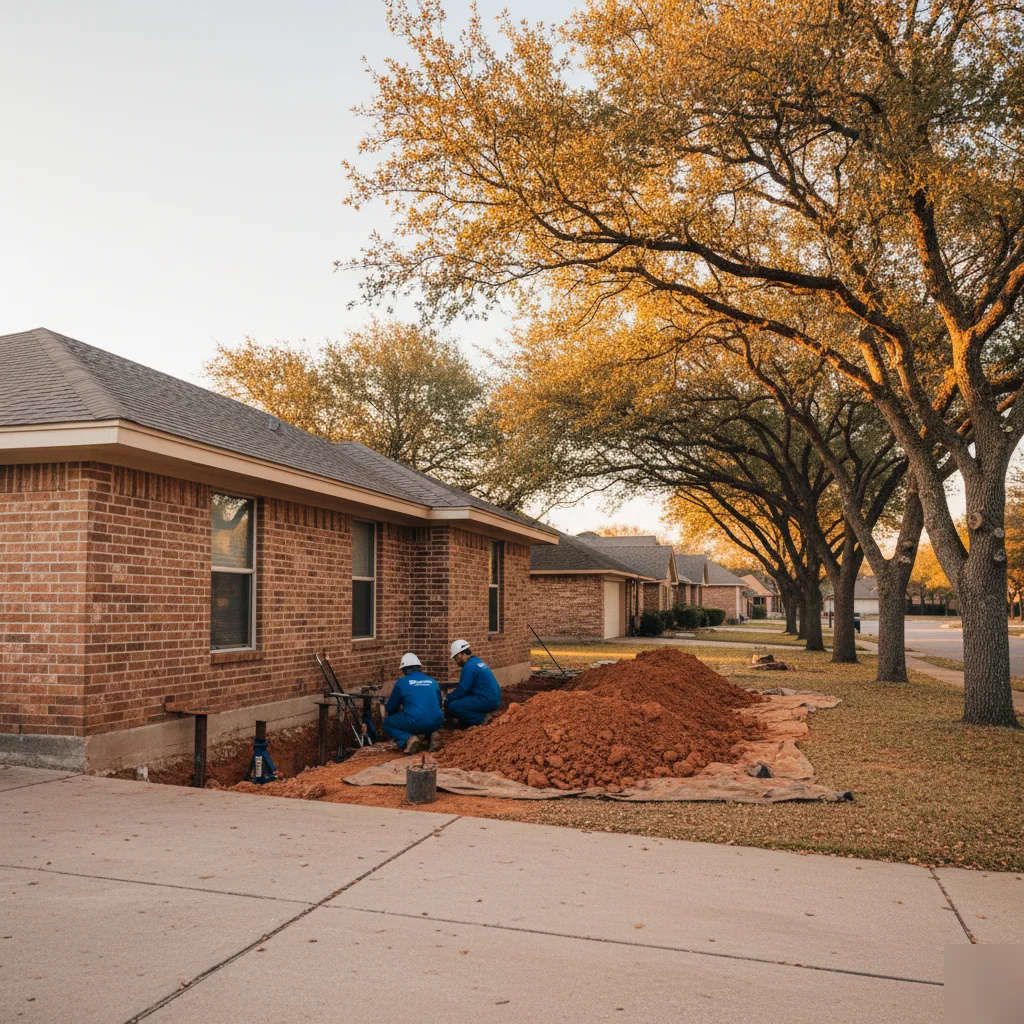
    Our crew excavates beneath the grade beam at each proposed pier location so the pier can be positioned directly below the foundation.

  2. 2
    Install the steel

    A hydraulic ram is positioned beneath the structure. The first 12-inch section of 2⅞-inch Schedule 80 steel pipe is pressed into the soil using the weight of the home as resistance. Once that section is installed, another interlocking steel section is inserted and pressed. The process continues one section at a time.

  3. 3
    Continue to refusal or bedrock

    Installation continues until the pier reaches refusal or bedrock, whichever comes first. With our equipment, refusal generally occurs at approximately 10,000 psi of hydraulic system pressure. If bedrock is encountered first, the pier terminates at the rock. The depth can vary considerably between neighborhoods, properties, and even individual pier locations on the same home.

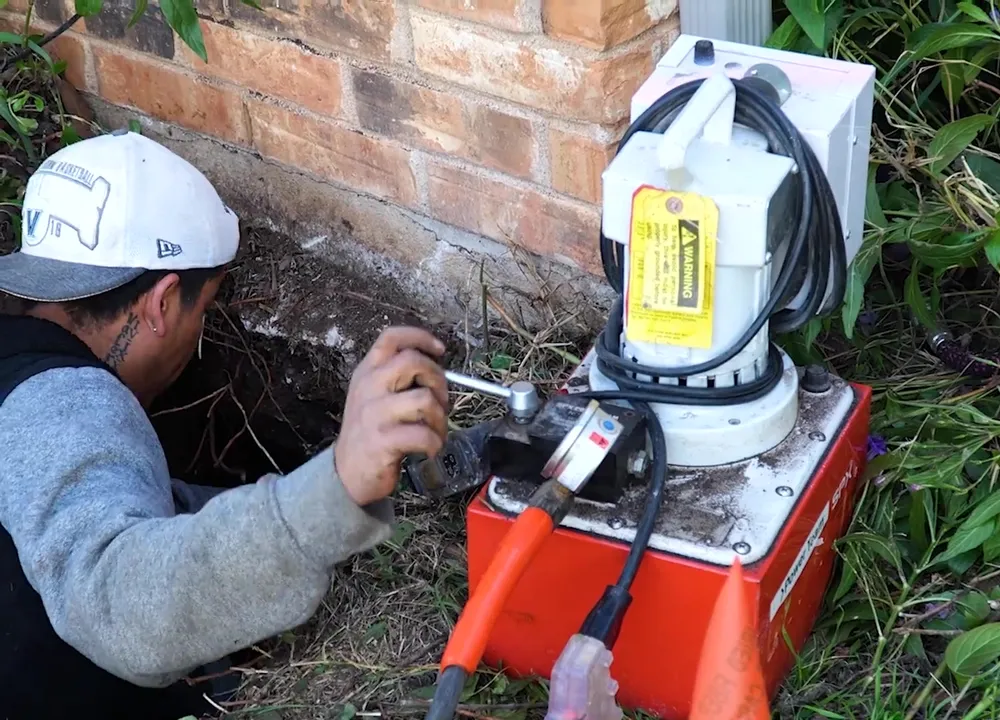
Hydraulic pump advancing a steel pier section beneath a Pflugerville foundation
Installation depth

How Deep Will Steel Piers Go?

There is no standard answer.

Bats has completed foundation repairs throughout Central Texas, so we can often review previous installation records from nearby homes to get a general idea of the depths and subsurface conditions we may encounter.

Those records are useful, but they aren't a guarantee. Actual conditions beneath each home can be different. Once installation begins, we continue adding steel until the required supporting condition is reached.

The lift

Adjusting and Securing the Foundation

After the piers are installed, multiple jacks are positioned throughout the repair area. Our crews make coordinated adjustments while monitoring elevations and the structure's response.

We don't promise to make every home perfectly level. We lift to the limits of the structure and make as much improvement as the home will reasonably allow.

Once the adjustment is complete, steel shims are installed at the pier head to maintain the new elevation. The lifting jack is then removed, a concrete cylinder is installed at the top of the pier assembly, and additional steel shims are fitted to permanently secure the foundation. The driven support column beneath the pier head remains entirely steel.

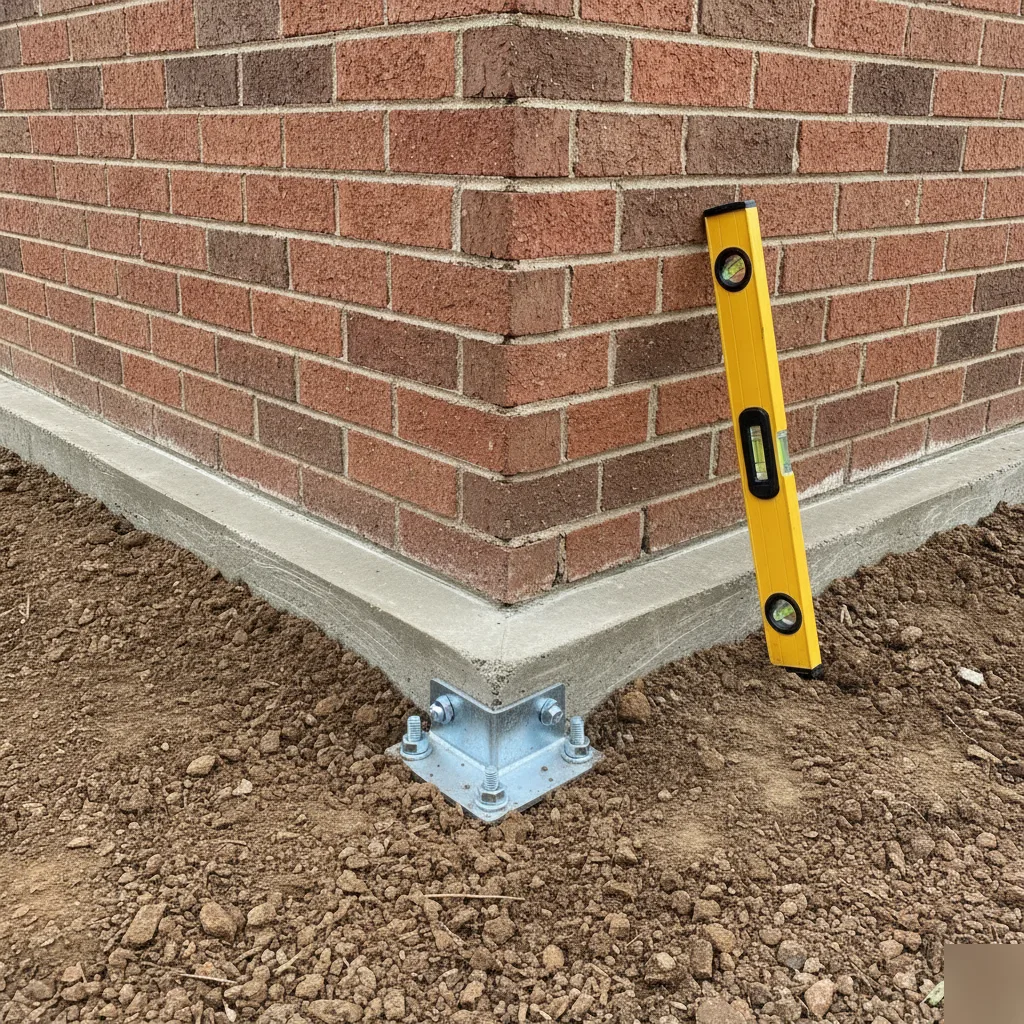
Concrete cylinder and steel shims securing a completed steel pier head in Pflugerville
Interior repairs

Interior Steel Piers and GPR

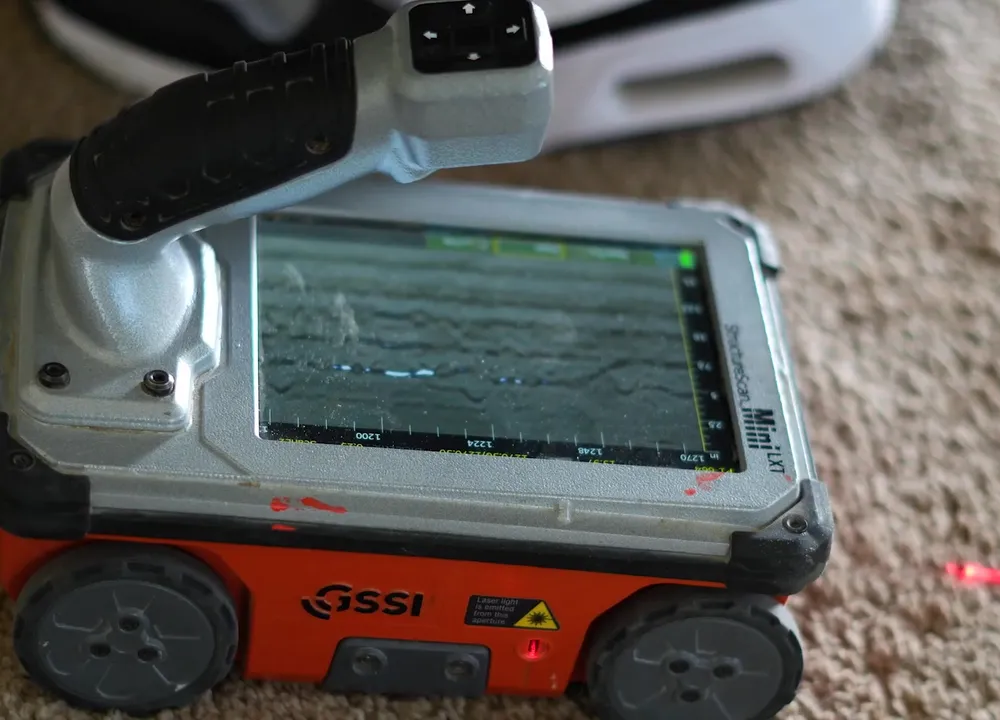
All-steel piers can also be installed beneath interior portions of a slab when structural movement requires deeper support. Because the structural components beneath a finished floor aren't visible, we use Ground-Penetrating Radar (GPR) before opening the slab.

GPR helps identify:

  • Interior grade beams
  • Post-tension cables
  • Reinforcing steel
  • Other embedded components
  • Appropriate locations for pier access
Ground-penetrating radar scan locating post-tension cables before an interior steel pier is installed in Pflugerville

This allows us to better position the pier beneath the structural area we're trying to support while reducing the risk of disturbing embedded components.

When access is practical, a driven pier is generally our preferred repair for significant interior structural movement. If access or occupancy makes interior pier installation impractical, polyurethane foam may sometimes be considered as a less invasive alternative. Learn more about polyurethane foam injection.

Comparing systems

All-Steel or Hybrid Steel?

Bats offers both systems because not every home needs the same pier.

Our All-Steel Pier System uses steel throughout the entire driven support column and is our premium option. Our Hybrid Steel Pier System combines an initial steel section with high-pressure-tested concrete components for the remaining depth, offering an additional long-term repair option at a lower cost.

If both systems are appropriate, we'll explain the differences in construction, price, and warranty rather than simply steering you toward the more expensive system.

Every project includes

A Complete Foundation Repair Process

Most residential Bats slab foundation repairs take approximately one to three days, depending on the number of piers, interior access, installation depths, and overall complexity of the project. Every project also includes:

Licensed Engineer Review

Every Bats foundation repair project receives independent review by a licensed professional engineer, with engineering documentation provided after completion.

Post-Repair Hydrostatic Test

We require a hydrostatic plumbing test after the foundation repair is completed. Bats does not employ plumbers or sell plumbing repairs. We intentionally keep the plumbing test separate so the homeowner receives an independent evaluation from a licensed plumbing professional and Bats has no financial incentive tied to the result.

Final Elevations

We take final elevations after the foundation has been adjusted and secured to document the completed repair.

Learn more about our slab foundation repair process.

Warranty

Lifetime Transferable Warranty

Our All-Steel Pier System includes a transferable lifetime warranty with no adjustment charge for covered future steel-pier adjustments.

The warranty stays with the property if ownership changes, subject to the written warranty terms and requirements. Complete warranty information is provided before the project begins.

Frequently asked questions

Steel piers in Pflugerville, answered

Do steel piers have to reach bedrock?

No. Some piers reach bedrock first. Others develop the required resistance before encountering rock. We continue until refusal or bedrock, whichever comes first — there is no predetermined installation depth.

How deep will my steel piers go?

There is no predetermined depth. We can often review previous Bats installation records from nearby homes to get a reasonable idea of local conditions, but the actual depth isn't known until installation. Depth can vary considerably between neighborhoods, between properties, and even between individual pier locations on the same home.

Is an all-steel pier always better than a hybrid pier?

No. The All-Steel Pier is our premium system, but our Hybrid Steel Pier may provide an appropriate long-term repair at a lower cost in many situations. We'll explain both options when they're appropriate and let you decide based on the repair, the cost, and the warranty.

Can an all-steel pier be installed inside my home?

Yes, when interior structural support is needed and access is practical. Because the structural components beneath a finished floor aren't visible, we scan the slab with Ground-Penetrating Radar first to identify interior grade beams, post-tension cables, reinforcing steel, and appropriate pier access locations before the slab is opened.

What does the transferable lifetime warranty actually cover?

Our All-Steel Pier System includes a transferable lifetime warranty with no adjustment charge for covered future steel-pier adjustments. The warranty stays with the property if ownership changes, subject to the written warranty terms and requirements. Complete warranty information is provided before the project begins.

How long does the work take?

Most residential Bats slab foundation repairs take approximately one to three days, depending on the number of piers, interior access, installation depths, and the overall complexity of the project. Every project also includes independent licensed engineer review, a post-repair hydrostatic plumbing test, and a final set of elevations.

Is an All-Steel Pier Right for Your Home?

Not every slab foundation needs our most expensive pier. We'll evaluate the home, take elevations, identify the areas that need support, and explain the available repair options. If both our All-Steel and Hybrid Steel Pier Systems are appropriate, we'll explain the differences and let you make an informed decision based on the repair, cost, and warranty.