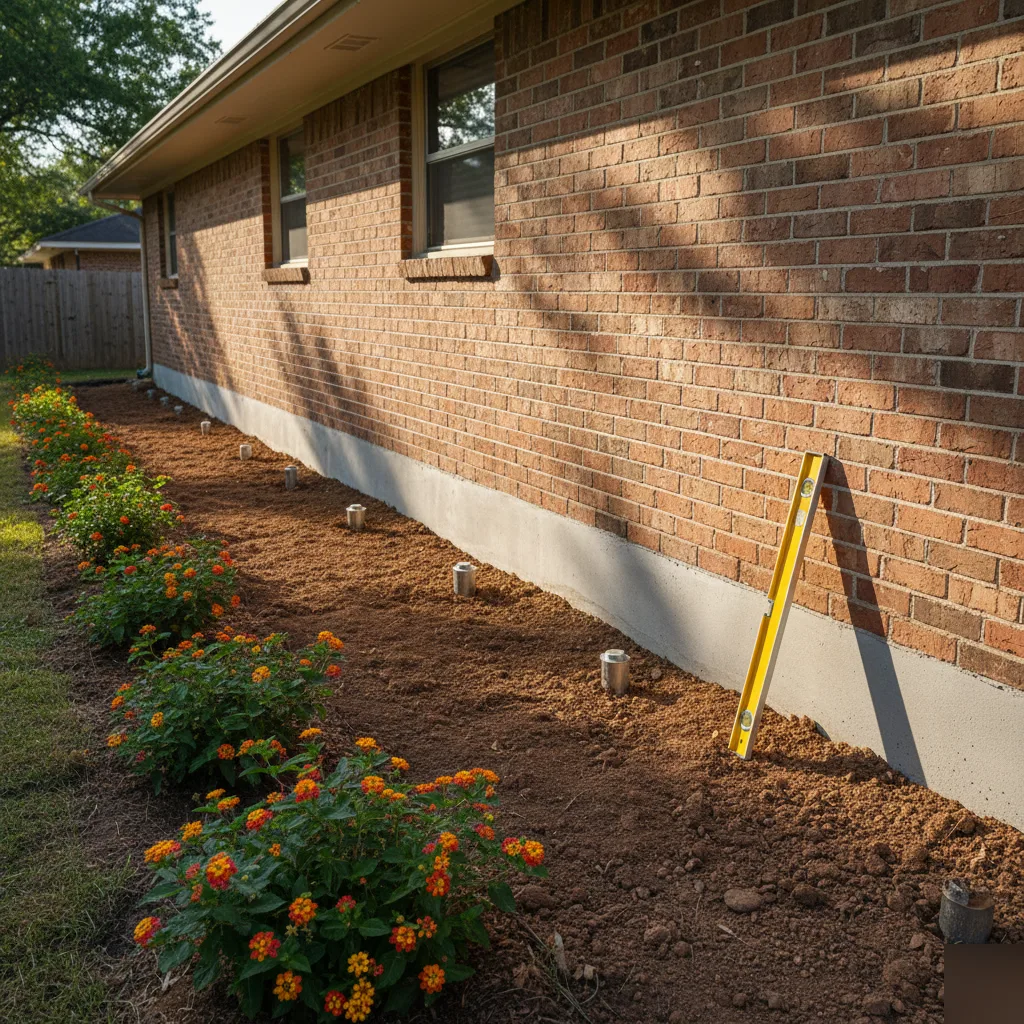

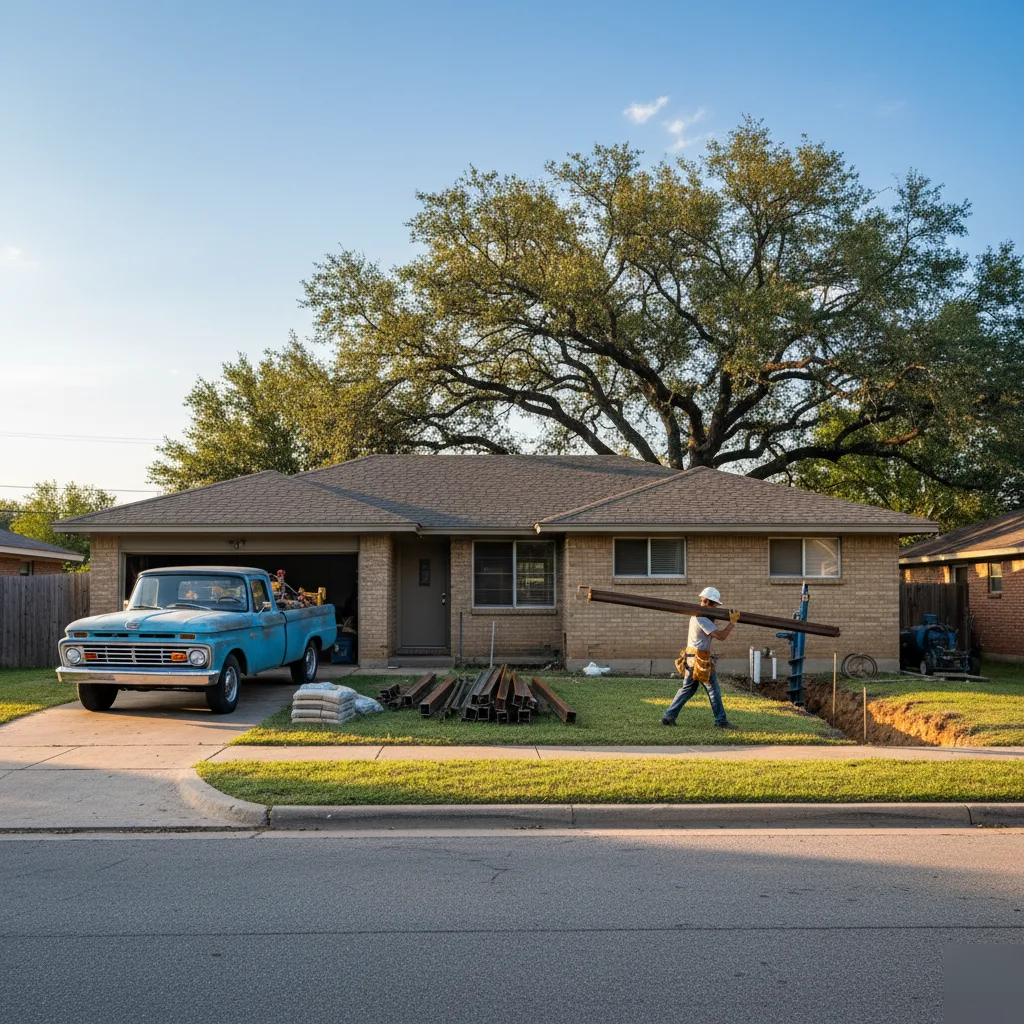
Steel Push Pier Installation · Pflugerville, TX

Steel Push Pier Installation in PflugervilleStop Foundation Movement for Good

Sticking doors, stair-step cracks in brick, and noticeably sloping floors usually mean a section of your slab has settled and needs support. If the problem is isolated to one corner or side of the house, steel push piers are often the right call.

Warning signs

Signs Your Foundation Needs Steel Piers

Sticking doors, stair-step cracks in brick, and noticeably sloping floors usually mean a section of your slab has settled and needs support. If the problem is isolated to one corner or side of the house, steel push piers are often the right call.

Not every crack means trouble. We get calls from folks who saw a hairline crack in the garage floor and panicked. Most of the time, that's just normal concrete shrinkage. As a masonry contractor in central texas, we look for a pattern. One crack is nothing. A crack that lines up with a sloping floor, a door that won't latch, and a brick wall showing stair-step cracks near a window? That's a pattern worth checking out.

  • Doors and windows that stick or won't latch, especially ones that used to work fine
  • Cracks running in a stair-step pattern through brick or block mortar joints
  • Floors that visibly slope toward one corner or side of the house
  • Gaps opening up between the wall and the ceiling or floor
  • Cracks in the slab itself, particularly ones wider on one end than the other

Pflugerville sits on expansive clay soil. That soil shrinks hard during our summer dry spells, then swells back up when the rain comes. That cycle puts uneven pressure on a slab. Over years it can cause one section to settle while the rest stays put. That's the kind of localized settlement steel push piers are built to fix. If your whole house feels level but one back bedroom has a noticeable dip, that's your clue.

When does it stop being cosmetic and start being structural? Once you see two or more of these signs together, especially if they're getting worse over a few months, it's time to have someone measure your elevations and tell you what's happening underneath.
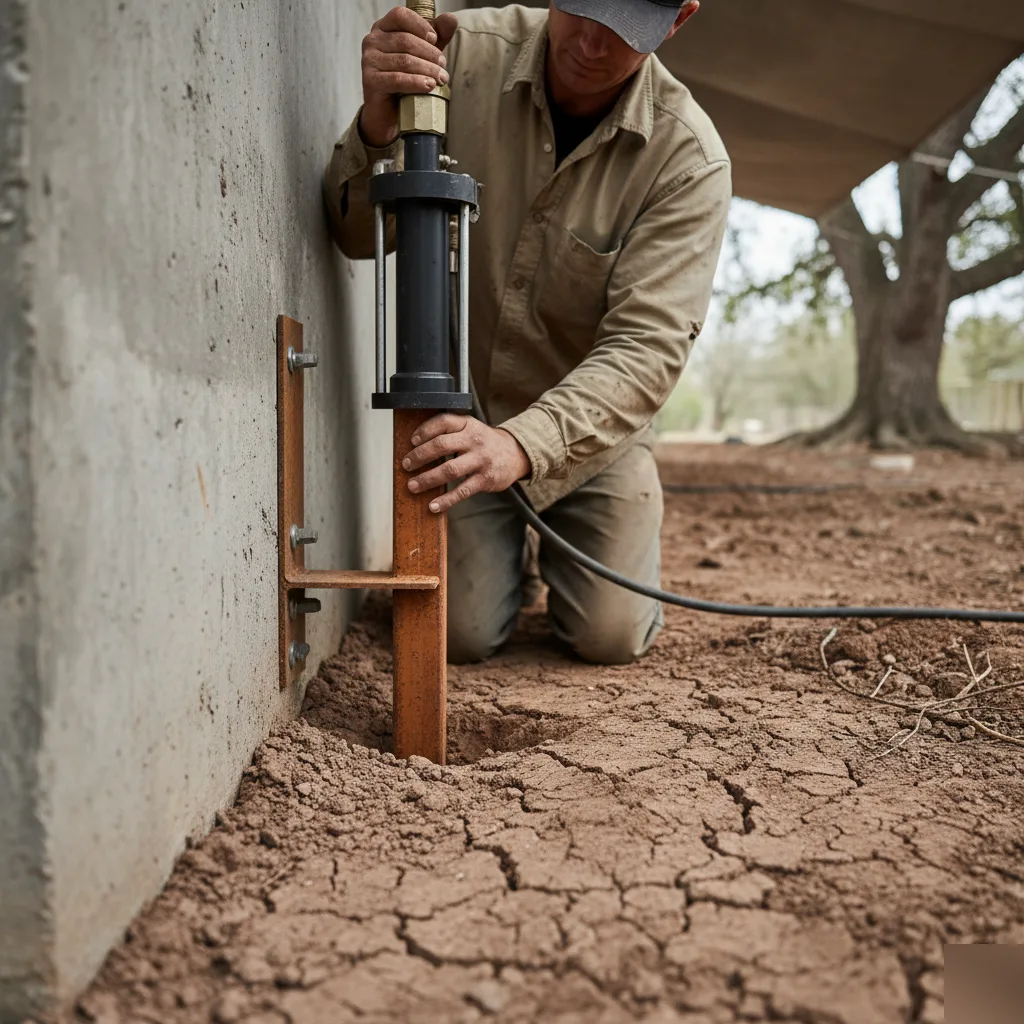
Steel push pier being driven against a foundation wall
Before you worry

When Cracks Don't Mean You Need Piers

Not every crack means your foundation needs piers. We get calls all the time from folks who found a hairline crack in the sheetrock and figure the house is falling apart. Most of the time it's not that serious.

Central Texas homes move a little every year. The clay soil around Pflugerville swells when it rains and shrinks hard during a dry summer. That normal push and pull can cause small cosmetic cracks in drywall or a little separation around a door frame. It doesn't mean the slab has settled. It doesn't mean you need steel piers driven under your home.

  • Hairline cracks in drywall that don't grow over time
  • A door that sticks only in humid weather, then loosens up again
  • Small gaps around baseboards in an older home that's always had them
  • Minor cracks in a driveway or patio slab with no rotation or dip

If that crack is growing, if it's wider than a quarter inch, or if you've got doors that won't latch and floors that noticeably slope, that's a different story. That's when we start talking about elevation readings and whether steel push pier installation makes sense for your home.

We'd rather tell you the truth up front than sell you a repair you don't need. Before anyone recommends piers, we measure the floors, look at the drainage around the house, and figure out what's causing the movement. Sometimes the fix is grading the yard or fixing a leaking gutter, not driving steel twenty feet into the ground.

The process

How Steel Push Pier Installation Works Step by Step

Most homeowners picture something loud and messy. It's not, really. Here's how a steel push pier job goes from start to finish.

  1. 1

    We dig a small access hole at each pier location along the foundation, usually about two feet by two feet.

  2. 2

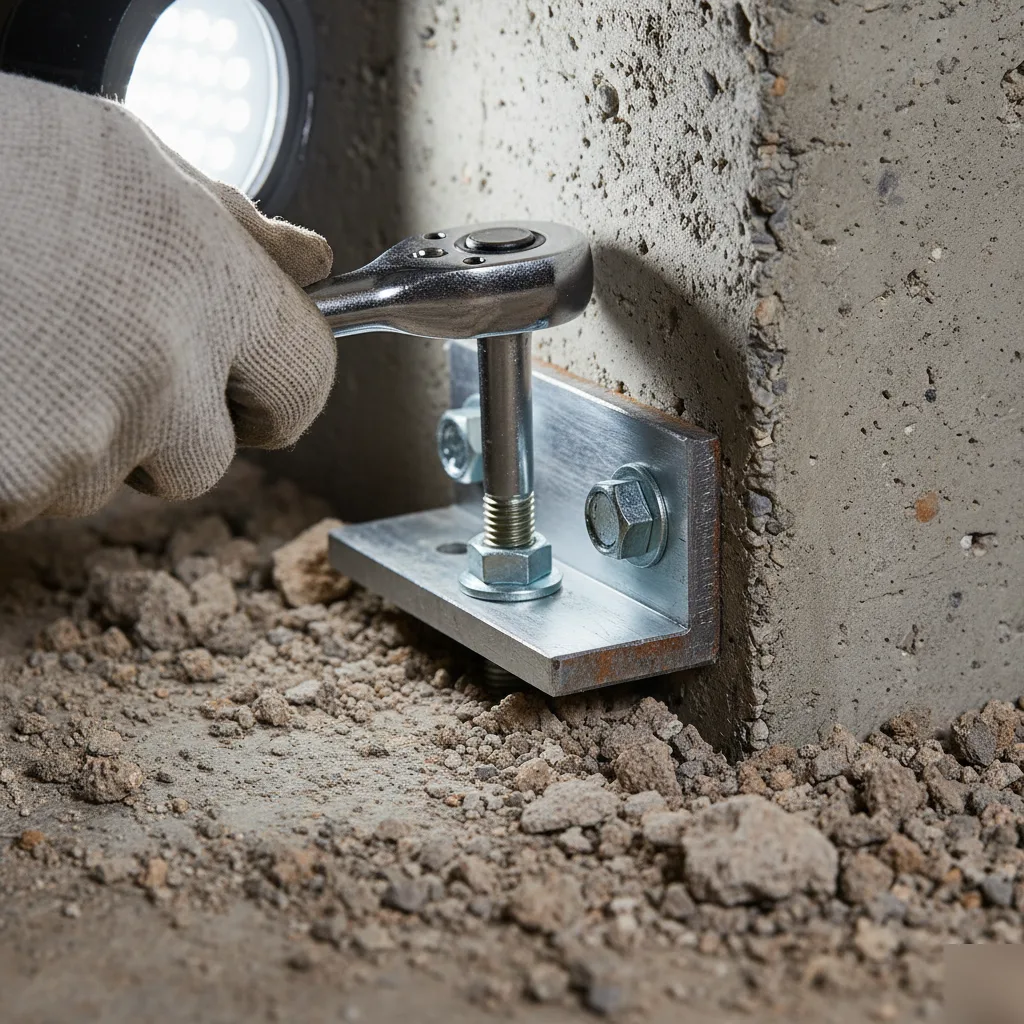
    A steel bracket gets attached to the footing. This bracket is what the pier will push against.

  3. 3

    Steel pier sections get driven straight down through the bracket, one section connected to the next as it goes deeper.

  4. 4

    The piers keep driving until they hit refusal. This means the soil below won't let them go any further. That's the stable layer we're after.

  5. 5

    Hydraulic jacks apply pressure to lift the settled area back up, only as far as the structure will reasonably allow.

  6. 6

    Once the elevation looks right, the load transfers onto the piers permanently and the brackets get locked in place.

  7. 7

    We backfill the access holes and clean up the yard before we leave.

That refusal point is the whole reason steel piers work. Around Pflugerville, that stable strata can sit quite a bit deeper than folks expect, especially on the east side of town where the clay content runs heavy. A pier that stops too shallow just isn't doing its job.

We use 3 inch concentric steel piers, driven section by section until they reach that load bearing layer. Often that's deeper than the original builder's foundation was ever designed to account for.

A typical job runs one to three days depending on how many piers the plan calls for. You don't need to be home the whole time. We'll walk you through the elevations before and after so you can see the difference for yourself.

Push pier bracket bolted to a concrete footing
Comparing systems

Steel Push Piers vs. Concrete Pilings: Choosing the Right System

Which one do you need? That depends on your soil, your home's weight, and how deep we have to go to hit ground that won't move on us again.

Steel push piers are driven straight down in sections, one after another, until they hit refusal. Refusal means the pier can't go any deeper. It has found rock or dense soil strong enough to carry the load. Around Pflugerville, that stable layer often sits well below the surface because of the expansive clay that dominates this part of Central Texas. Steel handles that depth without losing strength. This is why we lean on it for homes that have settled or sit on soil that swells and shrinks hard with the seasons.

Concrete pilings work differently. They're pressed into the ground using the weight of the structure itself. They're built up in shorter segments. They can be a solid option in the right conditions, but they don't always reach the same depth as steel. Depth is the whole game out here.

We've walked plenty of Pflugerville homeowners through this question standing in their side yard, looking at a cracked slab. Once we pull soil samples and check how deep the stable strata sits, the decision usually makes itself.

  • Homes with deeper settlement or heavier structural loads often call for steel
  • Soil that shifts a lot seasonally favors a system that reaches past the active clay zone
  • Concrete can suit lighter loads where stable soil sits closer to the surface
  • An inspection and elevation survey, not guesswork, should drive the final call

We don't pick a system before we've looked at your foundation. That's not how good repair work happens.

Your property

What Happens to Your Yard and Driveway During the Repair

Let's talk about what your yard looks like during steel push pier installation. This is the question we get right after we finish explaining the piers themselves. You've got flower beds. Maybe a sprinkler line running along the foundation. A driveway you just resealed last spring. All fair concerns.

Here's the honest answer. We dig access holes along the foundation where piers are going in. These are usually about two to three feet across and down to the footing. That's it, not a trench around the whole house. In Pflugerville neighborhoods with newer slab construction, footings tend to sit shallow, so holes are often smaller than folks expect. Older homes with deeper footings mean a bit more digging in that one spot.

If a pier location falls under a driveway or a walkway, we can core through concrete to get access. It's a clean cut, not a jackhammer free-for-all. We patch it back after the pier's set. Sprinkler lines and landscaping near the foundation sometimes need to be moved out of the way first. We'll flag that during the inspection so nothing catches you off guard on install day.

Most of the time, the yard damage is limited to those access points, not the whole lawn. We backfill each hole once the pier's driven and load-tested. We clean up the dirt and debris before we leave. Your grass won't come back overnight, but you're not looking at a construction site for weeks either.

Got a fence line close to the foundation, or a mature tree with roots near a pier location? Mention it when we walk the property. We plan pier spacing around obstacles like that whenever the structure allows it.

Frequently asked questions

Steel push piers in Pflugerville, answered

How do I know if I need steel push piers or just have normal cracks?

You likely need push piers if cracks form a stair-step pattern, doors stick, and floors slope toward one corner. A single hairline crack in a garage floor is usually just concrete shrinkage. We look for patterns, not one crack alone. If you see a sloping floor plus a stair-step crack near a window, that combination is worth having your elevations checked.

Why does Pflugerville have so many foundation settlement issues?

Pflugerville sits on expansive clay soil that shrinks during dry summers and swells when rain returns. That constant cycle puts uneven pressure on your slab. Over several years, one section can settle while the rest of the house stays put. This is common on the east side of town where the clay content runs especially heavy, often requiring piers driven deeper than builders originally planned for.

How long does steel push pier installation take?

Most jobs take one to three days, depending on how many piers your home needs. You don't have to be home the entire time. We dig small access holes, drive steel sections down until they hit refusal, then lift the settled area with hydraulic jacks. We'll walk you through elevation readings before and after so you can see the actual results.

What happens during a push pier installation visit?

We start by digging small two-foot access holes at each pier location, then attach steel brackets to your footing. Steel sections get driven down one at a time until they reach refusal, meaning the soil won't let them go further. Hydraulic jacks then lift the settled section back up. We backfill every hole and clean the yard before we leave.

Do all foundation cracks in my Pflugerville home mean I need piers?

No, not every crack signals a serious problem. Hairline drywall cracks that don't grow, doors that only stick in humid weather, and small gaps around old baseboards are usually normal seasonal movement. We measure your floors and check drainage before recommending anything. Sometimes fixing a leaking gutter or regrading your yard solves the issue without driving any steel piers at all.

How deep do steel push piers need to go in this area?

Piers get driven until they hit refusal, which is the stable soil layer strong enough to carry your home's weight. Around Pflugerville, that layer often sits deeper than expected because of heavy clay content, especially on the east side of town. We use 3 inch concentric steel piers driven section by section, often well past the depth the original foundation was designed for.

One back bedroom with a noticeable dip?

That's the kind of localized settlement steel push piers are built to fix. Before anyone recommends piers, we measure the floors, look at the drainage, and figure out what's causing the movement. Call Bats Foundation Repair for a free inspection.