
Pier and Beam Foundation Repair · Pflugerville, TX

Pier and Beam Foundation Repair in PflugervilleFix It Right From the Crawl Space Up

Bouncy floors, sticking doors, and gaps around baseboards are common signs a pier and beam foundation has settled. We walk every crawl space before we write a number down. No guessing from the driveway.

Warning signs

Signs Your Floors and Doors Are Telling You Something

Bouncy floors, sticking doors, and gaps around baseboards are common signs a pier and beam foundation has settled. Not every crack means trouble, but a pattern of these signs together usually points to a crawl space that needs a look.

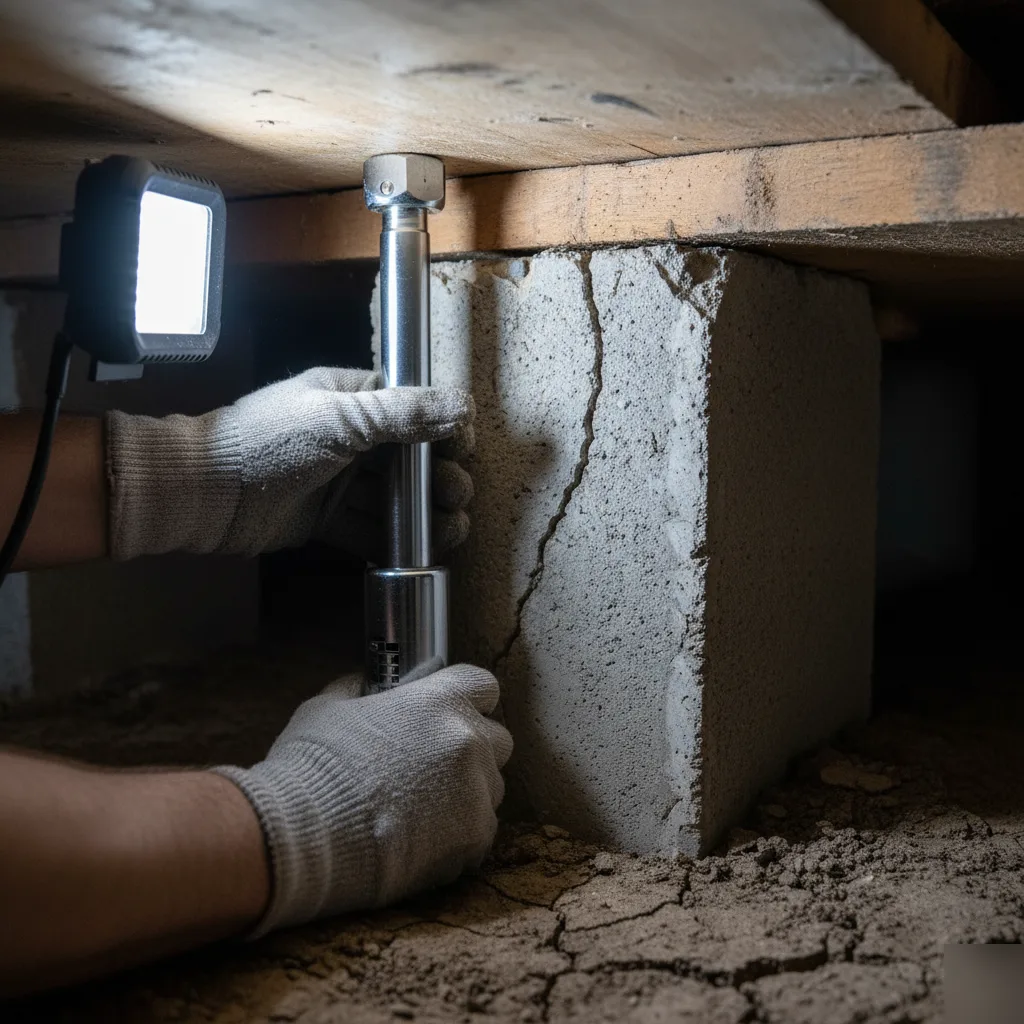
If you notice structural issues around brickwork or concrete, consulting a professional masonry contractor can help prevent further settling.

Pier and beam homes give signs before things get bad. A floor that feels springy near the kitchen, a door that used to close and now sticks, or cracks creeping across drywall near a window corner. One or more piers or wood posts under the house has settled, shifted, or rotted, and the floor above it is no longer level.

  • Floors that dip, slope, or feel soft when you walk across a room
  • Doors and windows that stick, especially interior doors that used to swing freely
  • Gaps opening up between baseboards and the floor
  • Cracks in drywall, particularly near door frames and ceiling corners
  • A musty smell or visible moisture in the crawl space
  • Wood floors that squeak more than they used to, in the same spot

Pflugerville sits on clay soil that swells when it's wet and shrinks during dry spells. That constant movement puts stress on the wood posts and beams under older pier and beam homes. A house that was level five years ago can develop a noticeable dip without warning.

Not sure if what you're seeing is normal? That's common to wonder about. A hairline crack from a house settling once, decades ago, is different from three or four signs showing up together in the last year.
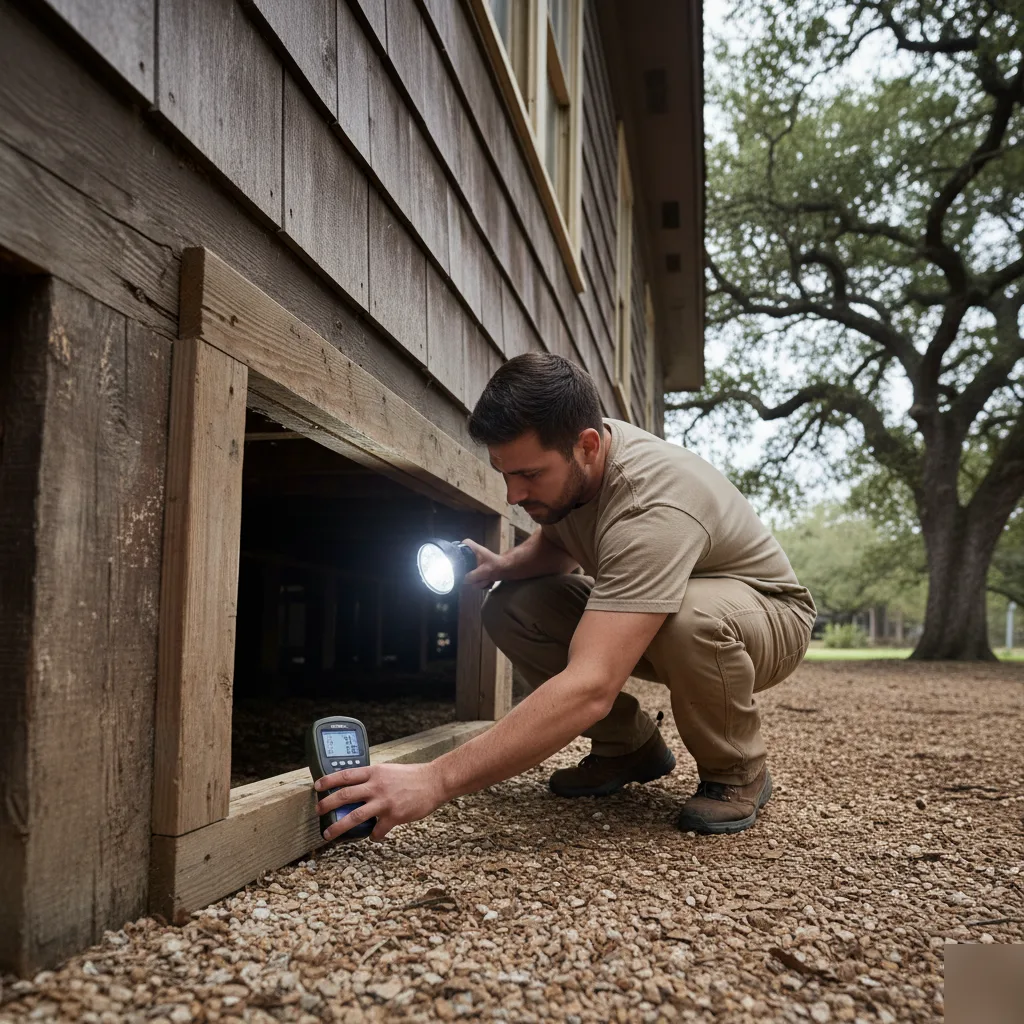
Moisture meter reading on a beam during a pier and beam crawl space inspection
Timing

When Your Foundation Can Wait and When It Cannot

Not every crack means your pier and beam home is in trouble. Small hairline cracks in drywall or a door that sticks a little in July are usually just the house breathing with the season. Central Texas clay soil swells when it rains and shrinks in a drought, and a pier and beam home moves a bit with it. That kind of minor movement can wait. It's worth watching, not worth panicking over.

What can't wait? If you're standing in a room and you can feel the floor slope, that's different. The same goes for a crawl space where you spot a beam that's cracked through, or a pier that's leaning instead of standing straight. Doors that used to close and now won't latch, gaps opening up between the wall and the ceiling trim, those are signs the settling has moved past normal and into structural territory.

  • Floors that feel noticeably uneven when you walk across a room
  • Cracked or splitting floor joists visible in the crawl space
  • Piers that have shifted, tilted, or separated from the beam
  • Doors and windows that stopped working within the last few months, not years
  • Standing water under the house after a heavy rain, sitting there for days

We see this every week. A homeowner calls after ignoring a sticky door for two years. Then it rains hard for three days straight, and the floor has a noticeable dip near the kitchen. That's the moment slow settling turns into a real problem. If what you're seeing matches the list above, don't wait. If it's just a seasonal squeak, keep an eye on it and call us if it changes.

Who does what

Contractor Assessment vs. Structural Engineer: What Each One Covers

Folks in Pflugerville don't always know this going in. A foundation repair contractor and a structural engineer aren't doing the same job.

When our team inspects a pier and beam home, we check the crawl space, the piers, the beams, the joists, and the framing. We look for rot, settled pads, gaps under posts, and signs of moisture damage. We measure elevations across the floor to see where the low spots are. That inspection is free, and it tells us what's happening right now under the house.

A structural engineer does something different. They are a licensed professional who reviews the whole structure and puts their stamp on a repair plan. Some situations call for that extra step, especially if the home has significant structural concerns, if you're dealing with an insurance claim, or if you're selling the house and a buyer's lender wants documentation. Engineers charge a separate fee for their report. That's normal in this industry, it's not something a repair contractor controls.

Not sure which one you need? That's a fair question, and most homeowners don't know until we've taken a look.

  • Contractor inspection: checks piers, beams, posts, and crawl space condition
  • Engineer report: reviews structural adequacy and may be required for financing or insurance
  • Contractor gives a repair plan and options
  • Engineer provides a stamped, documented opinion when one is needed

We'll tell you straight if your situation looks like one that needs an engineer-reviewed repair plan. If it doesn't, we won't send you looking for one you don't need.

The process

What Happens During a Pier and Beam Repair

This is the part most homeowners never see. Once we're under the house, the repair is usually mechanical. A beam has dropped, a post has rotted, or a pier has sunk into soft soil. We don't guess down there.

  1. 1

    We walk the crawl space and mark low spots using the elevation readings from the inspection.

  2. 2

    We check existing piers, posts, and beams for rot, cracking, or sinking.

  3. 3

    We set new pier and beam supports, usually concrete or pressed steel, at the spots that need it.

  4. 4

    We use jacks to lift the affected framing back toward level, a little at a time.

  5. 5

    We shim, replace, or reinforce beams and joists that are damaged or undersized.

  6. 6

    We double check elevations before we pack up, comparing the numbers to where we started.

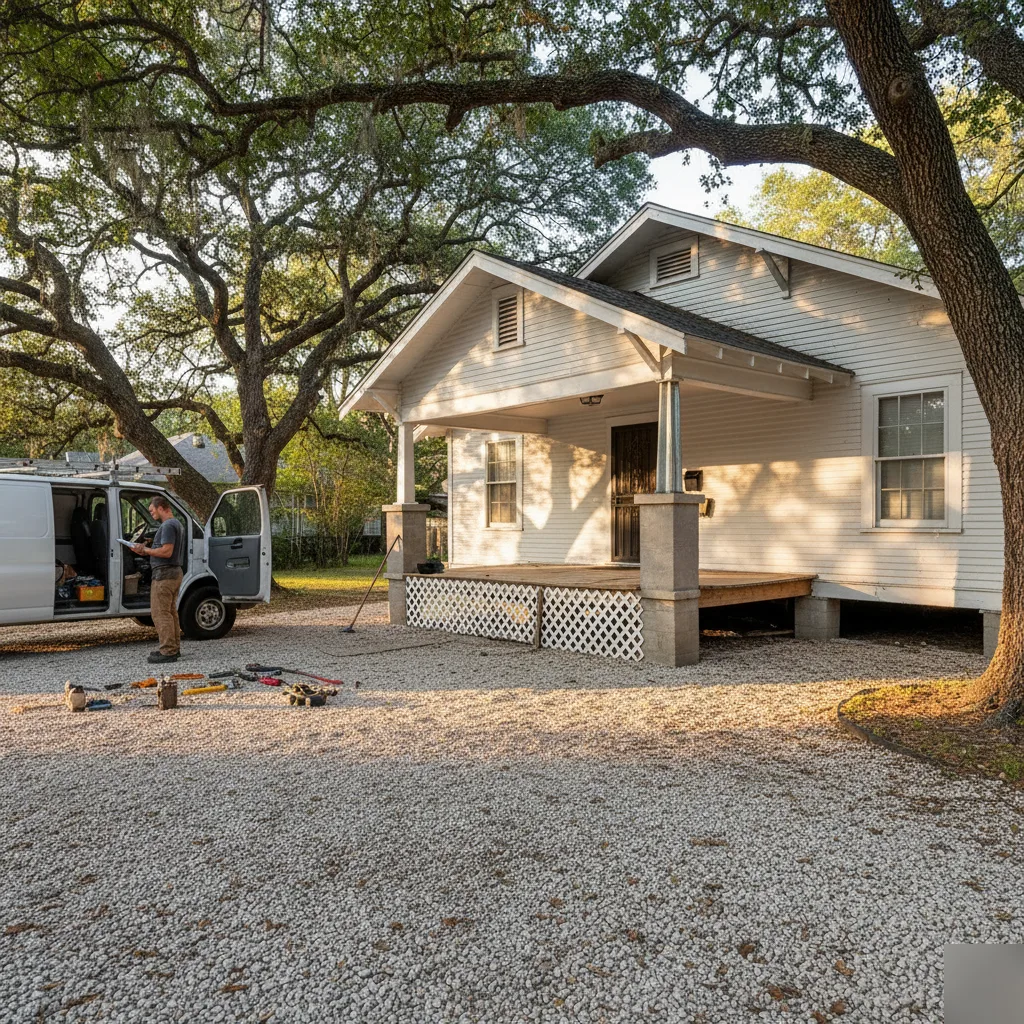
Most jobs like this take a day, sometimes two if the crawl space is tight or the damage runs along more than one beam line. Homes off Pecan Street and older sections near Old Town Pflugerville still have some pier and beam construction from before slab foundations took over. Those crawl spaces tend to be lower and harder to move around in. That adds time, not difficulty.

We don't tear out floors or cut into walls for this kind of repair. That's the advantage of pier and beam. Everything happens underneath the house.

You'll hear jacking and some hammering, and you might feel a door shift slightly as things lift. That's normal, not a warning sign.

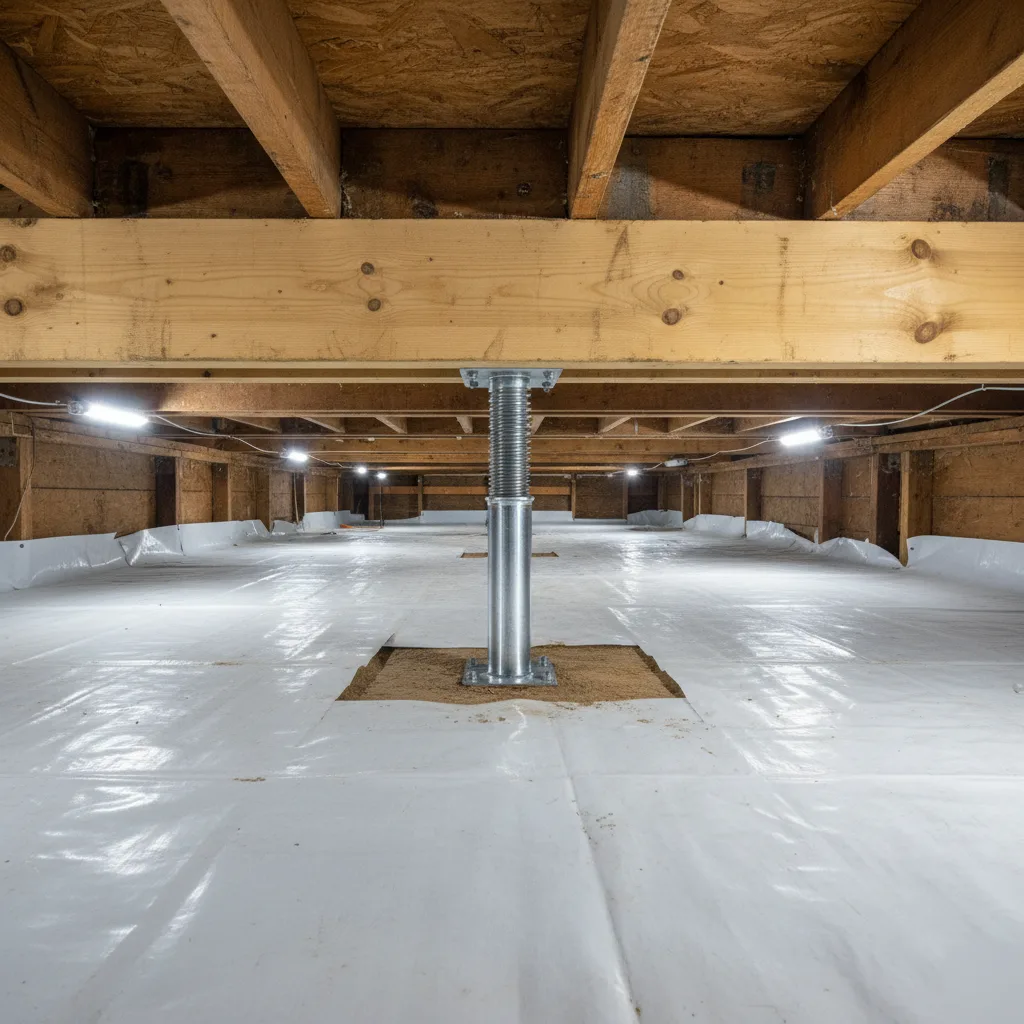
New steel pier set beneath a beam after pier and beam foundation repair
Pricing

How Pier and Beam Repair Pricing Works

Let's talk money, because that's usually the first question. Pier and beam repair pricing depends on what's wrong under the house, not a flat number someone quotes over the phone. That's the honest answer, even if it's not the simple one.

A few things drive the cost up or down. The number of piers, posts, or pads the home needs is the biggest factor. A small settled corner is a different job than a whole perimeter that's dropped. Access matters too - a crawl space with two feet of clearance takes longer to work in than one you can stand in. Some Pflugerville homes near older parts of town sit on original pad and block systems from decades back, and those often need more support points than a newer pier and beam build.

Beam and joist condition changes the price as well. If wood has rotted from moisture or old plumbing leaks, that section gets replaced, not just re-shimmed. Drainage work, if recommended, gets priced separately from the structural repair itself.

Before you hire anyone, ask a few straight questions.

  • Does the quote include an engineer-reviewed repair plan, or just a verbal estimate?
  • Are rotted joists or beams included in the price, or billed as they're found?
  • Is drainage work part of this quote or a separate recommendation?
  • What's covered under warranty, and is it transferable if you sell the house?

We walk every crawl space before we write a number down. No guessing from the driveway.

Frequently asked questions

Pier and beam repair in Pflugerville, answered

How do I know if my Pflugerville home needs pier and beam foundation repair?

You likely need repair if floors feel uneven, doors stick, or you see cracks near door frames. Pflugerville sits on clay soil that swells and shrinks with rain and drought, which stresses the wood posts under older homes. One sign alone may just be normal seasonal movement. Several signs showing up together in the same year, especially a sloping floor you can feel, means it's time to call for a crawl space inspection.

What's the difference between a foundation contractor inspection and a structural engineer report?

A contractor inspection checks your piers, beams, posts, and crawl space condition to find what's happening right now under the house. A structural engineer is a licensed professional who reviews the whole structure and stamps a repair plan, which some homes need for insurance claims or a buyer's lender. Most pier and beam homes only need the contractor inspection. We'll tell you if your situation calls for an engineer, so you don't pay for a report you don't need.

How long does pier and beam foundation repair take?

Most pier and beam repairs take one day, sometimes two if the crawl space is tight or damage runs along more than one beam line. The work happens under the house, where we set new supports, jack the framing back toward level, and reinforce damaged beams or joists. Older homes near Old Town Pflugerville and off Pecan Street often have tighter crawl spaces, which can add time. We recheck elevations before finishing to confirm the fix held.

Can hairline cracks in my drywall wait, or should I call someone now?

Small hairline cracks can usually wait, especially if they've been there a while and haven't grown. Central Texas clay soil shrinks and swells with the seasons, so a little cracking near a window corner is often just the house settling normally. What can't wait is a floor you can feel slope, a cracked joist in the crawl space, or doors that stopped closing in the last few months. If several signs show up together, don't wait for it to get worse.

What should I expect when a foundation crew arrives to inspect my crawl space?

Expect us to walk the crawl space, check every pier, beam, and post, and measure floor elevations to map the low spots. We look for rot, settled pads, gaps under posts, and moisture damage while we're under there. This inspection is free and gives you a clear picture of what's causing the sticking doors or sloped floors upstairs. Afterward, we walk you through what we found and what repair options make sense for your home.

Is standing water under my pier and beam home in Pflugerville a serious problem?

Yes, standing water sitting under your house for days after a heavy rain is a warning sign, not a normal occurrence. It speeds up wood rot in posts and beams and softens the soil piers rest on. Pflugerville's clay soil already holds water longer after storms, which makes drainage issues worse for older pier and beam homes. If you notice water pooling in the crawl space repeatedly, get it checked before it turns into a bigger structural issue.

Feeling a dip in the floor near the kitchen?

If what you're seeing matches the warning signs, don't wait. If it's just a seasonal squeak, keep an eye on it and call us if it changes. Either way, the crawl space inspection is free. Call Bats Foundation Repair.