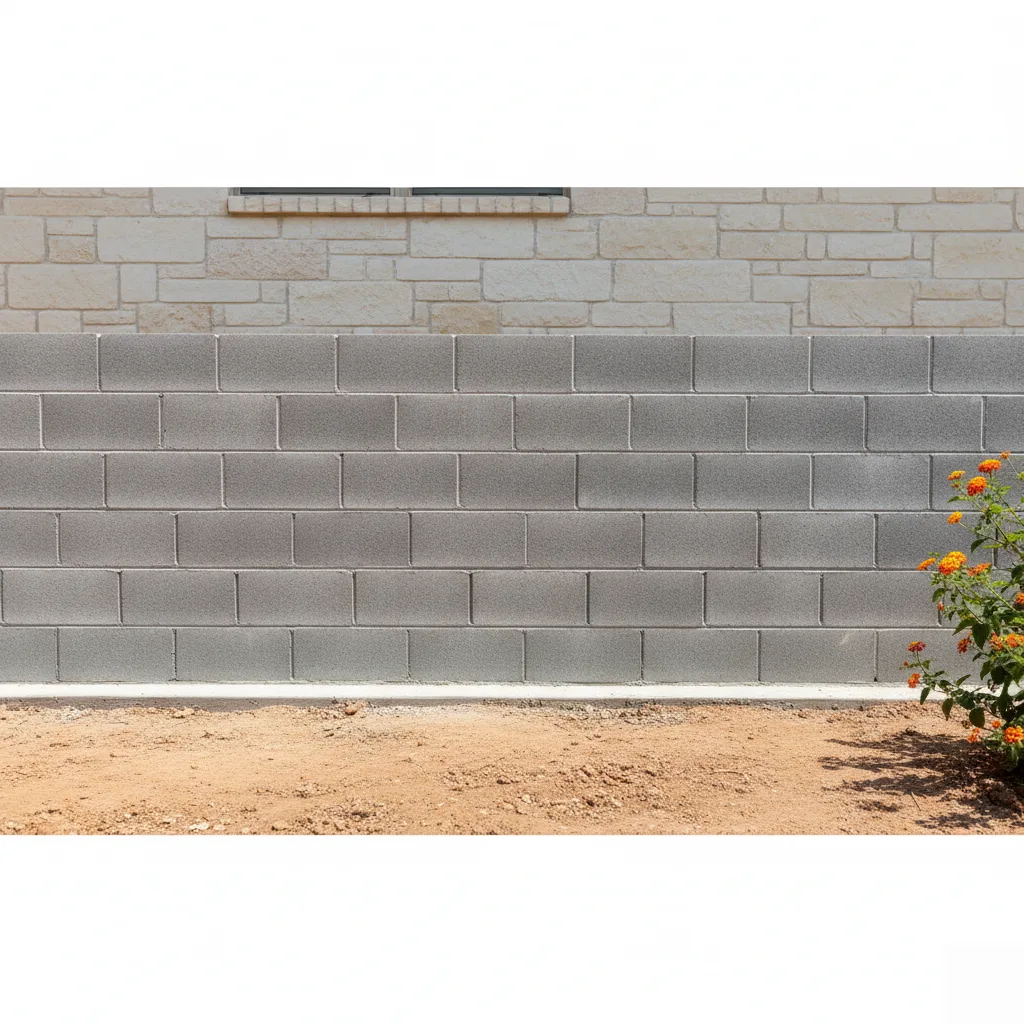

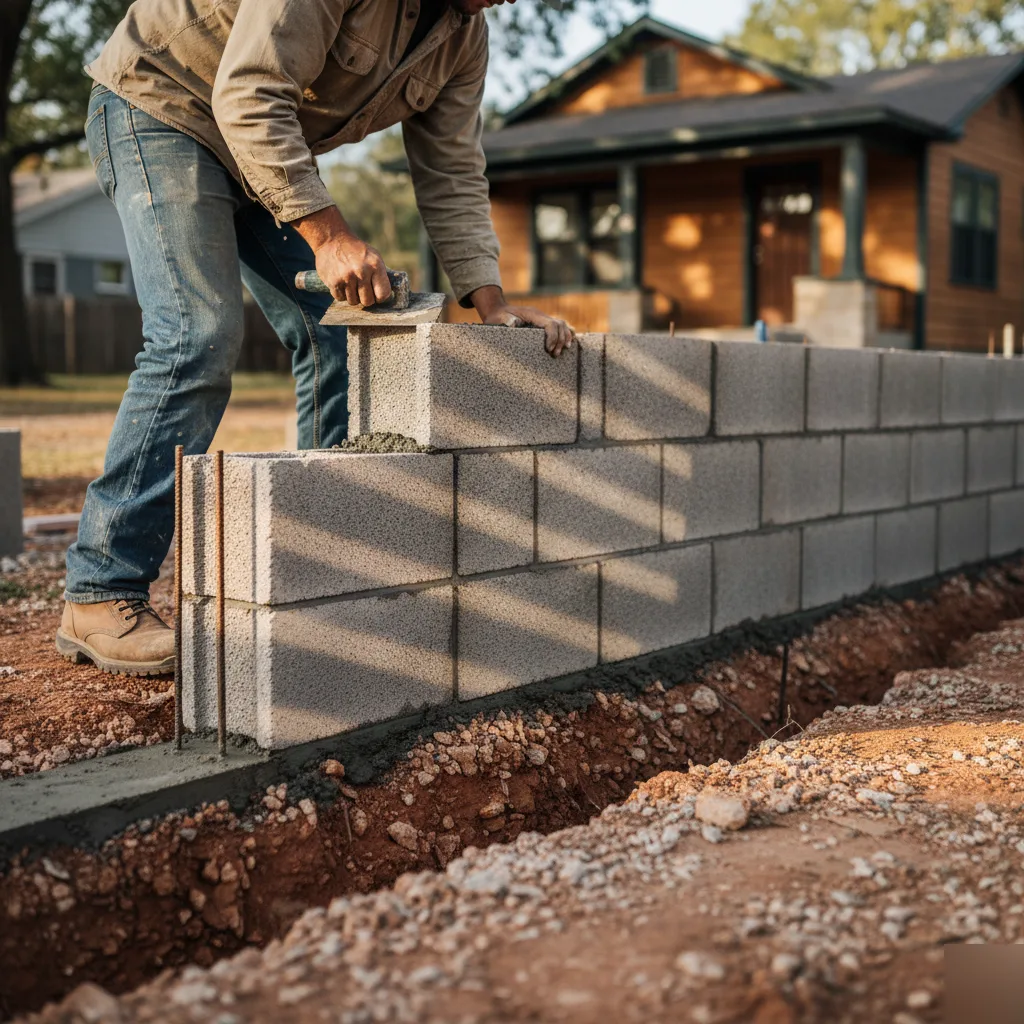
Foundation Block Wall Installation · Pflugerville, TX

Foundation Block Wall Installation in PflugervilleStop Cracks Before They Spread

Cracked or bowing block walls, gaps around windows and doors, and stair-step cracks in the mortar joints are the biggest red flags with a block foundation. Central Texas clay soil pushes and pulls on these walls every season.

Warning signs

Signs Your Block Foundation Wall Needs Attention

Cracked or bowing block walls, gaps around windows and doors, and stair-step cracks in the mortar joints are the biggest red flags with a block foundation. Central Texas clay soil pushes and pulls on these walls every season. Small cracks can turn into real problems if nobody looks at them, which is why consulting a professional masonry contractor early on can save significant expense down the road.

So how do you know if what you're looking at is normal or something worth calling about? Block foundation walls crack differently than poured concrete. We often see the same pattern first: a stair-step crack running along the mortar joints instead of straight through the block itself. That stair pattern means the wall moved.

  • Stair-step cracks in the mortar joints, especially near corners of the house
  • A wall that bows or leans inward, sometimes just an inch or two you can see with a straight edge
  • Doors or windows near the wall that stick or won't latch right anymore
  • Gaps opening up between the wall and the floor or ceiling
  • Horizontal cracks running across several block courses in a row

That horizontal crack worries us most. A stair-step crack usually means settling. A horizontal crack across the block often means the wall is under lateral pressure from soil pushing against it. That's a different kind of problem. We check for both every time we're out on a job.

Here's a scenario we run into often. A homeowner calls because a bedroom door suddenly won't close right. When we get there, we find a hairline stair-step crack in the block wall on that side of the house that's been quietly growing for months. Nobody noticed until the door started sticking.

Not every crack means trouble. Small vertical hairline cracks in the mortar are common and often just shrinkage. If you're seeing bowing, horizontal cracks, or doors and windows changing on you, that's worth a second set of eyes.
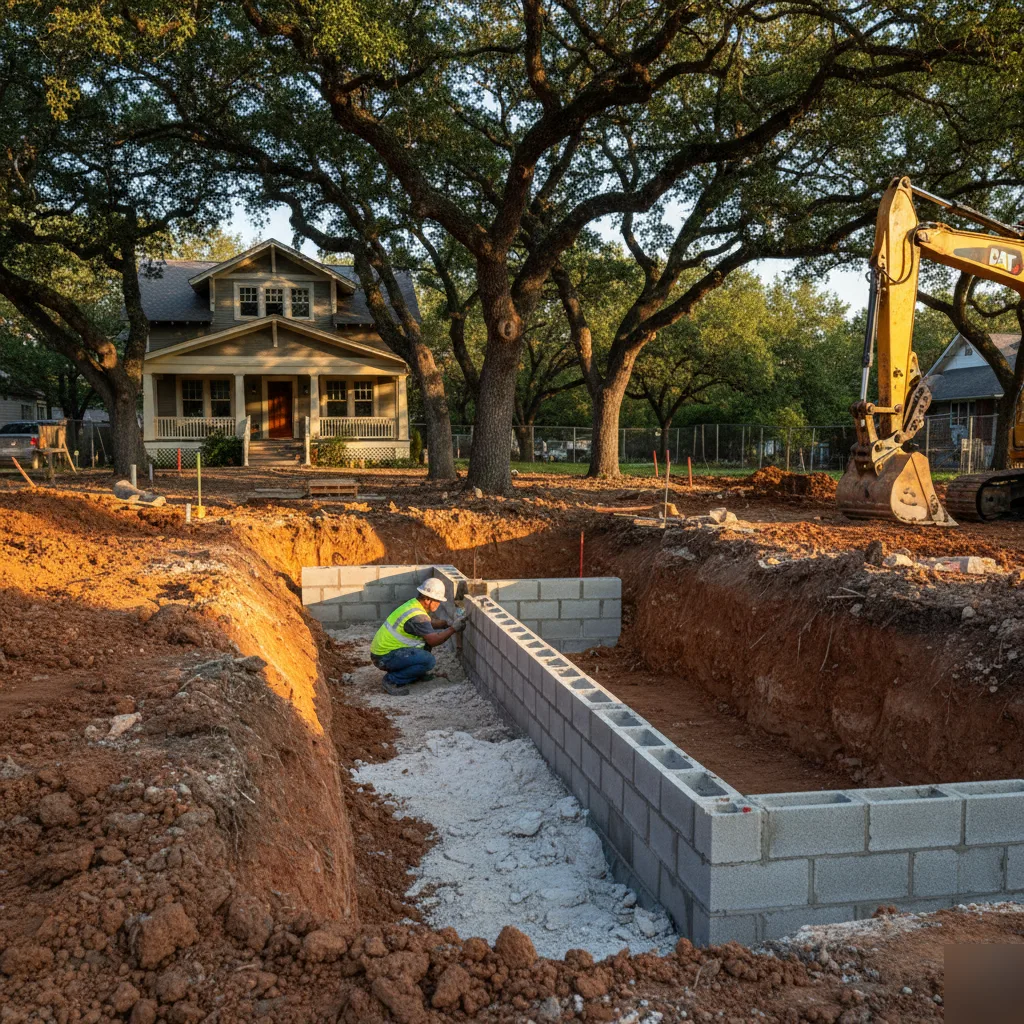
Excavation along a foundation block wall in clay soil
Before you worry

Cosmetic Cracks vs. Structural Failure

Not every crack in a block wall means trouble. We get calls about hairline cracks in mortar joints all the time. Most of those are just the wall settling a little as it cures or shifting slightly with the seasons. Pflugerville sits on expansive clay soil that swells during heavy spring rain and shrinks hard during a dry summer. That movement is normal. It stresses a wall in small ways every year.

So how do you know when it's more than cosmetic? Look at the direction and size of the crack. A vertical hairline crack under an eighth of an inch is usually not urgent.

  • Diagonal cracks running toward a corner, often a sign of uneven settling below
  • Cracks wider than a quarter inch, or ones that keep growing month to month
  • Bulging or leaning sections of the wall, not just a crack but a shape change
  • Horizontal cracks across multiple courses of block, this one worries us the most
  • Doors or windows nearby that stick or won't latch right

That last one catches people off guard. A homeowner will call about a wall crack and mention almost as an afterthought that the back door hasn't shut right in months. Those two things are connected more often than not.

A horizontal crack means the wall is bowing from soil pressure pushing on one side. That's structural, not cosmetic, and it needs a real look. A vertical hairline crack that isn't growing is something we tell people to just keep an eye on.

If you're not sure which one you're looking at, take a photo now and another in a month. That side by side tells you more than staring at it every day will.

The process

What Happens During a Block Wall Installation

So what does the actual job look like? Every home is a little different, but the steps stay pretty consistent. We follow a plan built around what your foundation needs.

  1. 1

    We dig out access at the block wall foundation area that's failing or settled, clearing dirt away from the base so we can see what's really going on underneath.

  2. 2

    We remove damaged or crumbling block sections without disturbing more of the structure than we need to.

  3. 3

    We set new block courses, leveling each one carefully so the wall sits square and takes the load the way it's supposed to.

  4. 4

    We check elevations against the rest of the foundation. This ensures the new wall section matches up with the surrounding structure.

  5. 5

    We backfill around the repaired wall and grade the soil so water moves away from the foundation instead of pooling against it.

Most block wall jobs take a day or two. This depends on how much wall needs work and how easy the access is. Homes with tight crawl spaces or landscaping right up against the foundation can add time. We've worked on plenty of older Pflugerville homes near the Old Town area where block and base foundations are common. Access under the house is usually a bigger factor than the repair itself.

You don't need to be home the whole time. We'll walk you through what we found before we start and show you the finished work before we leave. No surprises, no guessing about what happened underneath your house.

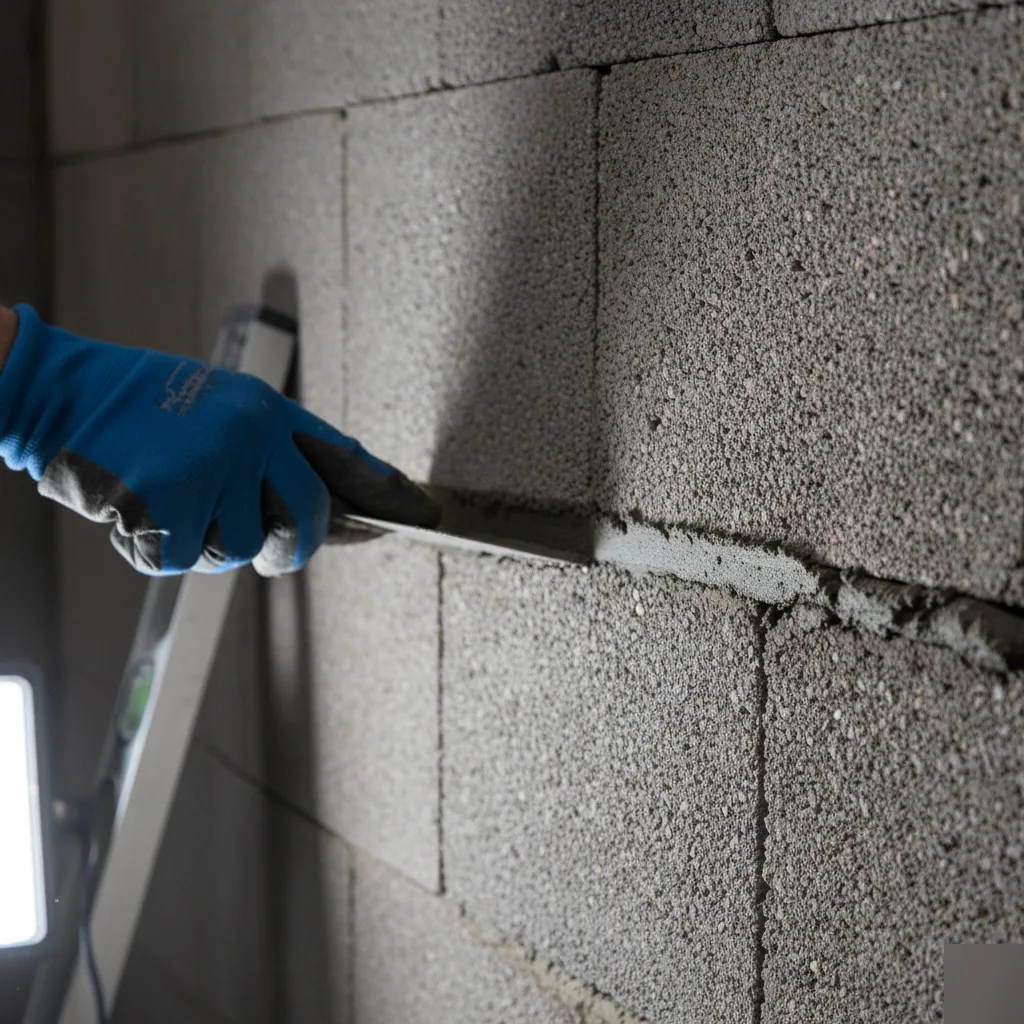
Trowel detail on a mortar joint during foundation block wall installation
Pricing

What Drives the Cost of Block Wall Installation

Every home is different, so every block wall job prices out different. We can't hand you a number without seeing the crawl space. We can tell you what moves the needle on cost.

Access matters more than people think. A crawl space with plenty of clearance under a pier and beam home goes faster than one where our crew has to squeeze through 18 inches of dirt. Tight access means more labor hours. Labor is usually the biggest line item in any foundation job.

  • How many linear feet of wall need replacing or rebuilding
  • Whether the old blocks are cracked, crushed, or just out of level
  • Soil conditions under the home, since expansive clay can affect how the wall needs to be set
  • Access under the structure and how far materials have to be carried
  • Whether drainage work needs to happen alongside the wall repair
  • If an engineer review is required before work starts

Here's something to ask any company you call: are they pricing the whole wall system, or just patching the worst spots? Some contractors quote low by only fixing what's visibly broken and leaving weak sections untouched. That's a short term fix, not a real one.

Before you sign anything, ask what's included. Ask if the quote covers reshimming, if damaged joists get addressed, and whether the plan accounts for the whole perimeter or just the trouble spots. A clear, itemized plan tells you more than any number on a page.

Getting it right

Permits, Footings, and Why Wall Height Matters

Here's something folks don't think about until it's a problem: a block wall is only as good as what's underneath it. Footing depth matters more than the blocks themselves. Travis County soil moves. It swells when it's wet and shrinks hard during a Central Texas summer drought. If the footing isn't set below that active zone, the wall above it will crack or lean within a few years no matter how well the blocks are laid.

Wall height changes the whole plan, too. A short retaining or foundation block wall under a couple feet might need a simple footing. Go taller, and you're looking at reinforcement, wider footings, and sometimes engineered drainage behind the wall to keep water pressure from pushing it out. Pflugerville's building department requires permits for many retaining and foundation wall projects once you cross certain height thresholds. It's worth checking before any digging starts.

We get calls where someone's already poured a wall without checking on this. Now they're stuck redoing it. That's the expensive way to learn this lesson.

  • Footing depth needs to sit below the seasonal soil movement zone, not just below grade
  • Taller walls generally need wider footings and steel reinforcement
  • Drainage behind the wall reduces pressure that causes bowing or cracking over time
  • Permit requirements often kick in at specific height thresholds set by the city

None of this is complicated once someone walks you through it. Skipping it isn't an option if you want the wall standing straight in ten years.

Frequently asked questions

Block wall installation in Pflugerville, answered

How do I know if my block wall crack is serious or just normal settling?

Check the direction and size of the crack first. A vertical hairline crack under an eighth of an inch usually just means normal shrinkage. A horizontal crack running across several block courses, or a stair-step crack near a corner, points to real movement. Doors or windows sticking near the wall are another sign. If you're unsure, take a photo now and another in a month. Comparing them tells you more than checking every day.

How long does a block wall installation or repair take?

Most block wall jobs take a day or two, depending on how much wall needs work. Homes with tight crawl spaces or landscaping crowding the foundation can add time to the schedule. We've worked on older Pflugerville homes near Old Town where block and base foundations are common, and access under the house is usually the bigger factor. You don't need to stay home the entire time. We'll walk you through the plan before starting.

Do I need to be home during the block wall repair?

No, you don't need to be there the whole time. We'll walk you through what we found before we start digging, then show you the finished wall before we leave. This keeps you informed without needing to watch every step. Most homeowners appreciate being able to run errands or work while we handle the digging, block setting, and backfilling underneath the house.

Why does Pflugerville's soil cause so many block wall problems?

Pflugerville sits on expansive clay soil that swells during heavy spring rain and shrinks hard in dry summer months. That constant swelling and shrinking pushes and pulls on block walls every year. It's a normal stress, but over time it can create stair-step cracks or push walls out of level. This is why we check foundations differently here than we would on sandier or more stable soil types.

What's the difference between a stair-step crack and a horizontal crack?

A stair-step crack follows the mortar joints in a zigzag pattern and usually means the wall has settled. A horizontal crack runs straight across several block courses and worries us more, because it often means soil is pushing against the wall from the outside. We check for both patterns on every job, since they point to different causes and need different repairs.

Will fixing my block wall stop my doors and windows from sticking?

In most cases, yes, once the wall movement causing the crack is corrected. We often get calls about a sticking door only to find a growing stair-step crack on that same wall. The two problems are connected more often than people expect. Once we level and rebuild the affected block courses, the pressure causing the door or window to bind is usually relieved.

Seeing bowing or horizontal cracks?

That's structural, not cosmetic, and it needs a real look. We'll walk you through what we found before we start and show you the finished work before we leave. No surprises, no guessing about what happened underneath your house. Call Bats Foundation Repair.