
Slab Pier Installation · San Antonio, TX

Slab Pier Installation in San Antonio

Slab pier installation in San Antonio to stabilize settling foundations before damage spreads. Local experts diagnose, install, and verify. Get a free assessment today.

Signs you need piers

Warning Signs Your Slab Foundation Needs Piers

You probably didn't search for slab pier installation because everything looks fine. Something caught your eye. A crack that wasn't there last year. A door that sticks every time you close it. These are the things San Antonio homeowners call us for concrete slab services in San Antonio Texas, and they're right to be concerned.

The tricky part is knowing which signs are normal settling and which ones mean your foundation is actually moving. Bexar County's clay soil expands and contracts with every dry spell and rainstorm, and that constant shift puts real stress on slab foundations. Here's what we tell people to watch for:

  • Cracks in drywall, especially diagonal ones near door frames and window corners
  • Gaps forming between walls and ceilings or walls and floors
  • Doors or windows that suddenly won't open or close right
  • Uneven or sloping floors you can feel when you walk across a room
  • Cracks in the exterior brick or stone, particularly stair-step patterns in mortar joints

We see every one of these on jobs across the Alamo Ranch and Stone Oak areas. But here's the thing most people miss. One hairline crack by itself might not mean much. Multiple signs showing up together? That's your foundation telling you it needs help.

A common scenario we run into is a homeowner who notices their kitchen tile cracking and figures it's just the tile. Then a few months later, a bedroom door starts dragging. By the time they call us, the slab has shifted enough that the repair takes more piers than it would have six months earlier.

So don't wait for the problem to get obvious. If you're noticing two or more of these signs, it's worth getting a professional look. Our team at Bats Foundation Repair does free inspections across San Antonio and can usually tell you what's going on within the first visit. Early action almost always means a simpler fix. With 40+ years of combined experience, exactly what Bexar County soil does to foundations over time.
Our process

How Slab Pier Installation Works Step by Step

People ask us about the process all the time. They want to know what's actually happening under their home. Fair enough. Here's how our crew handles slab pier installation from start to finish on a typical San Antonio job.

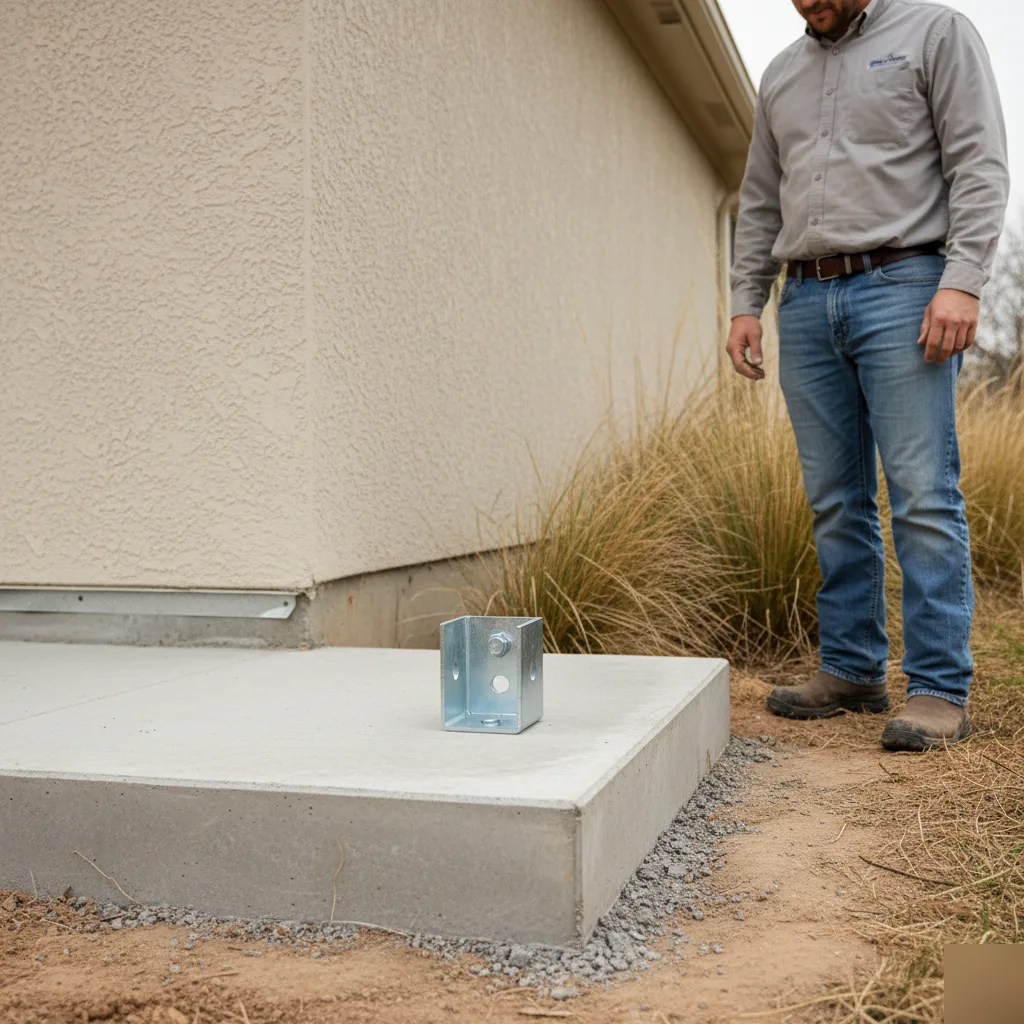
Steel push pier bracket installed on a slab foundation in San Antonio
  1. 1
    Excavate access points along the foundation

    We dig small holes next to the slab at each pier location. These holes go down to the bottom of your footing, usually about two to three feet deep depending on the home's design.

  2. 2
    Install steel brackets on the footing

    A heavy-duty steel bracket gets attached directly to the underside of your foundation. This bracket is the anchor point for the pier.

  3. 3
    Drive piers to load-bearing soil or bedrock

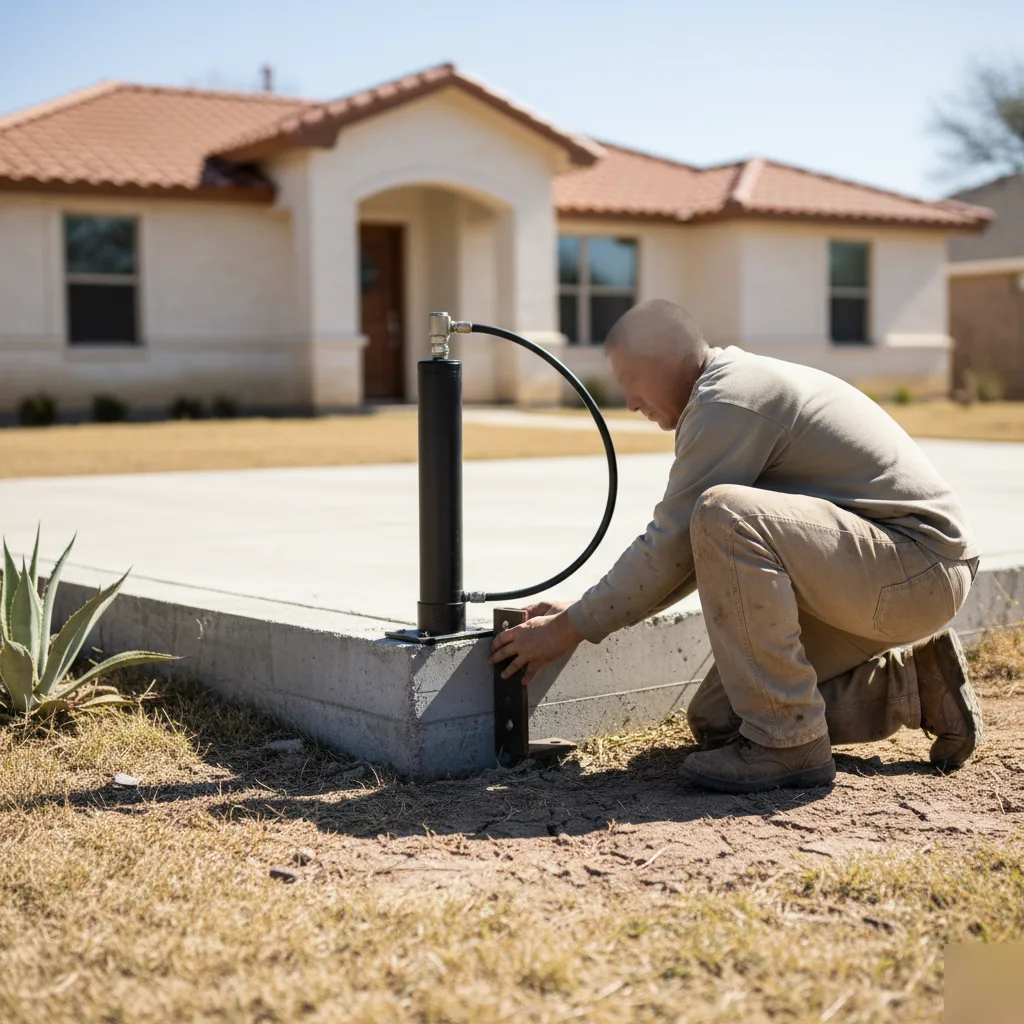
    Steel pier sections get hydraulically pressed straight down through the bracket, one section at a time, each locking into the next until we hit stable ground. In Bexar County, that depth can vary a lot because of the clay layers.

  4. 4
    Transfer the structure's weight onto the piers

    Once every pier reaches refusal depth, we use hydraulic jacks to carefully lift the slab back toward its original position. The weight of your home shifts from unstable soil onto the pier system.

  5. 5
    Lock everything in place and backfill

    We secure the brackets so nothing moves, then fill and compact the excavation areas.

The whole process usually takes one to three days for most homes in San Antonio. We've done jobs near Alamo Heights where the soil was so reactive the piers had to go over twenty feet deep. Other spots across town, we hit limestone at eight feet. Every property is different, and you can stay in your home while we work.

The hydraulic equipment we use measures resistance at every stage, so we're not guessing when we've reached solid ground. The equipment tells us. That data matters because it proves each pier can support the load above it. Our crew has 40+ years of combined experience reading those numbers and making real-time decisions on-site. Once those piers are seated on stable ground, your foundation isn't sitting on San Antonio's shifting clay anymore. It's resting on something that won't move.

Choosing a pier type

Push Piers vs. Helical Piers: Choosing the Right Fit

This is one of the most common questions we get. The answer depends on what's happening under your home. Both pier types do the same basic job, transferring your home's weight from weak soil down to something stable, but how they get there is different.

Push piers use the weight of your home to drive steel shafts deep into the ground. They're hydraulically pushed down until they hit load-bearing rock or dense soil. In most of San Antonio, that means reaching past the expansive Bexar County clay into the limestone layers below. Push piers work best on heavier structures because they need that existing weight for resistance during installation.

When We Recommend Helical Piers Instead

Helical piers look like giant screws. They're mechanically rotated into the ground and don't rely on the structure's weight at all. That makes them a better choice for lighter loads, new construction, or situations where we need to stabilize soil before building on it. We see this a lot in neighborhoods near Alamo Ranch where newer homes sit on fill dirt that hasn't fully settled.

  • Push piers are our go-to for existing homes with active settlement and enough structural weight
  • Helical piers work better for lighter structures like porches, additions, or garage slabs
  • Soil conditions at depth matter — some San Antonio properties sit on fractured limestone that favors one type over the other
  • The direction of movement matters too — whether your slab is sinking straight down or tilting to one side

We can usually tell which pier type fits before we finish the inspection. Our crew has 40+ years of combined experience reading Bexar County soil. We don't guess. We look at the crack patterns, check elevation data, and factor in what the soil report tells us. Not sure which one your home needs? Give us a call. We'll walk your property and explain exactly what we're seeing. The wrong pier choice can mean callbacks and ongoing problems. The right one means your foundation stays put.

For more detail on how slab pier installation provides permanent support, the process has been well documented by structural specialists across the region.

Why timing matters

Why San Antonio's Clay Soil Makes Timing Critical

Bexar County sits on some of the most reactive clay soil in the country. That's not an exaggeration. The expansive clays here swell when they're wet and shrink hard when they dry out. Your slab moves with them.

We see this pattern play out the same way almost every year. San Antonio gets a stretch of heavy rain in spring, the soil puffs up, then summer hits and everything bakes dry for weeks. That cycle puts enormous stress on a concrete slab. Cracks that were barely visible in March can be a real problem by August, and by then the damage has had months to get worse.

So why does timing matter for slab pier installation? Because the longer you wait, the more your foundation shifts. Here's what typically happens when homeowners delay:

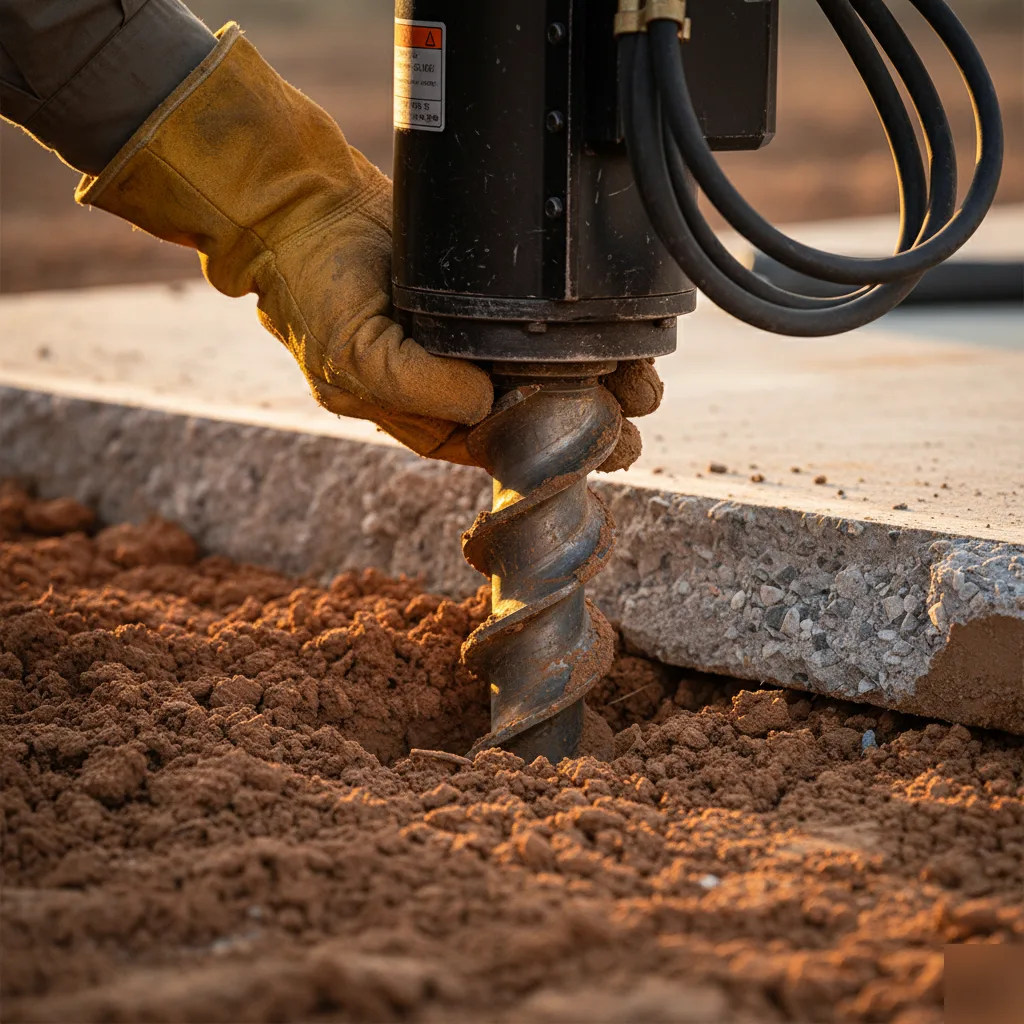
Helical pier installation through expansive clay soil beneath a slab foundation in San Antonio
  • Interior cracks spread from door frames into walls and ceilings
  • Doors and windows that stuck a little now won't close at all
  • Plumbing lines under the slab start to stress and can develop leaks
  • The number of piers needed to stabilize the foundation goes up

Homes in neighborhoods like Alamo Ranch and the older parts of the near West Side deal with this constantly. According to the American Society of Civil Engineers, expansive soils cause more financial damage to structures in the U.S. each year than floods, hurricanes, and earthquakes combined. With 40+ years of combined experience working across San Antonio, our team has watched the same soil conditions cause the same problems season after season. The best time to address foundation movement is before the next big weather swing, not after.

What to expect

What to Expect During and After Your Slab Pier Project

Most folks in San Antonio have never had foundation work done before. That's okay. Here's what a typical slab pier installation looks like from your side of things.

The whole process usually takes one to three days for an average home. Larger jobs or homes in the Alamo Ranch area with bigger footprints might stretch a bit longer, but you won't be displaced for weeks. You can stay in your home the entire time.

What Happens on Install Day

  • Our crew arrives and marks the pier locations based on the engineering plan from your inspection
  • We core small holes through the slab at each marked point, usually about six inches across
  • Steel pier sections get driven down through those openings until they hit load-bearing strata — sometimes 20 feet or more in Bexar County clay
  • Hydraulic jacks lift the slab back toward its original position — slow and controlled
  • The pier caps lock into place, the holes get patched, and we clean up the work area

You'll hear some noise. Hydraulic equipment isn't quiet. But it's not jackhammer-level loud — most neighbors barely notice after the first hour.

The biggest concern people have is about their floors and walls during the lift. You might see some minor cosmetic cracking as the slab moves back into position. That's normal. It's actually a sign that things are shifting the right direction, and those small cracks are easy to patch once everything settles.

After the job wraps up, we walk through the entire project with you. We show you every pier location and explain what we found underground and how the structure responded to the lift. Your doors that were sticking? They'll likely close properly again. Those gaps along the baseboards? They tend to close up. The results show up in small ways all over the house. Need help figuring out if your home needs this work? Give us a call.

Frequently asked questions

Slab pier installation in San Antonio, answered

How long does slab pier installation take in San Antonio?

Most slab pier jobs in San Antonio take one to three days to complete. The timeline depends on how many piers your foundation needs and how deep we have to go. Bexar County soil varies a lot — some spots hit limestone at eight feet, others need piers past twenty feet. You can stay in your home the whole time. We work outside along the foundation perimeter, so your daily routine isn't disrupted much.

Can I stay in my home while the foundation work is being done?

Yes, you can stay home during slab pier installation. Our crew works outside along the foundation, not inside your house. We dig small access holes next to the slab, install the piers, then backfill and compact when we're done. There's equipment noise and some yard disruption near the work areas, but your living space stays usable throughout the job.

Why do San Antonio homes need foundation piers more than homes in other cities?

Bexar County's clay soil is the main reason. That soil expands when it rains and shrinks during dry spells. That constant movement puts stress on slab foundations year after year. San Antonio's heat and drought cycles make this worse than in many other regions. Over time, the soil under your slab can shift enough to cause real structural movement — the kind that shows up as sticking doors, diagonal cracks, and sloping floors.

What's the difference between push piers and helical piers, and how do you decide which one I need?

Push piers use your home's weight to drive steel shafts into stable ground. Helical piers are screwed in mechanically and don't rely on the structure's weight. For most existing San Antonio homes with active settling, push piers are the right call. Helical piers work better for lighter structures like porches, additions, or garage slabs. We look at your crack patterns, soil conditions, and the direction of movement during the inspection to decide which fits your situation.

How do I know if my foundation cracks are serious or just normal settling?

One hairline crack by itself usually isn't cause for alarm. Multiple signs showing up together is what tells us something real is happening. Watch for diagonal cracks near door frames, stair-step patterns in exterior brick, doors or windows that suddenly stick, and floors that feel uneven when you walk across them. If two or more of those things are happening at the same time, that's worth a professional look — not something to wait on.

What should I expect when your crew comes out for the inspection?

We walk the interior and exterior of your home and look at every sign of movement. We check crack patterns, test doors and windows, and look at floor levelness. We also look at the soil conditions around your foundation. Most inspections wrap up in one visit, and we can usually tell you what's going on before we leave. We offer free inspections across San Antonio, so there's no cost to find out where things stand.

Surface fixes won't stop a settling slab

When the same crack keeps coming back, your slab needs structural support — not another patch. Call to book today.