

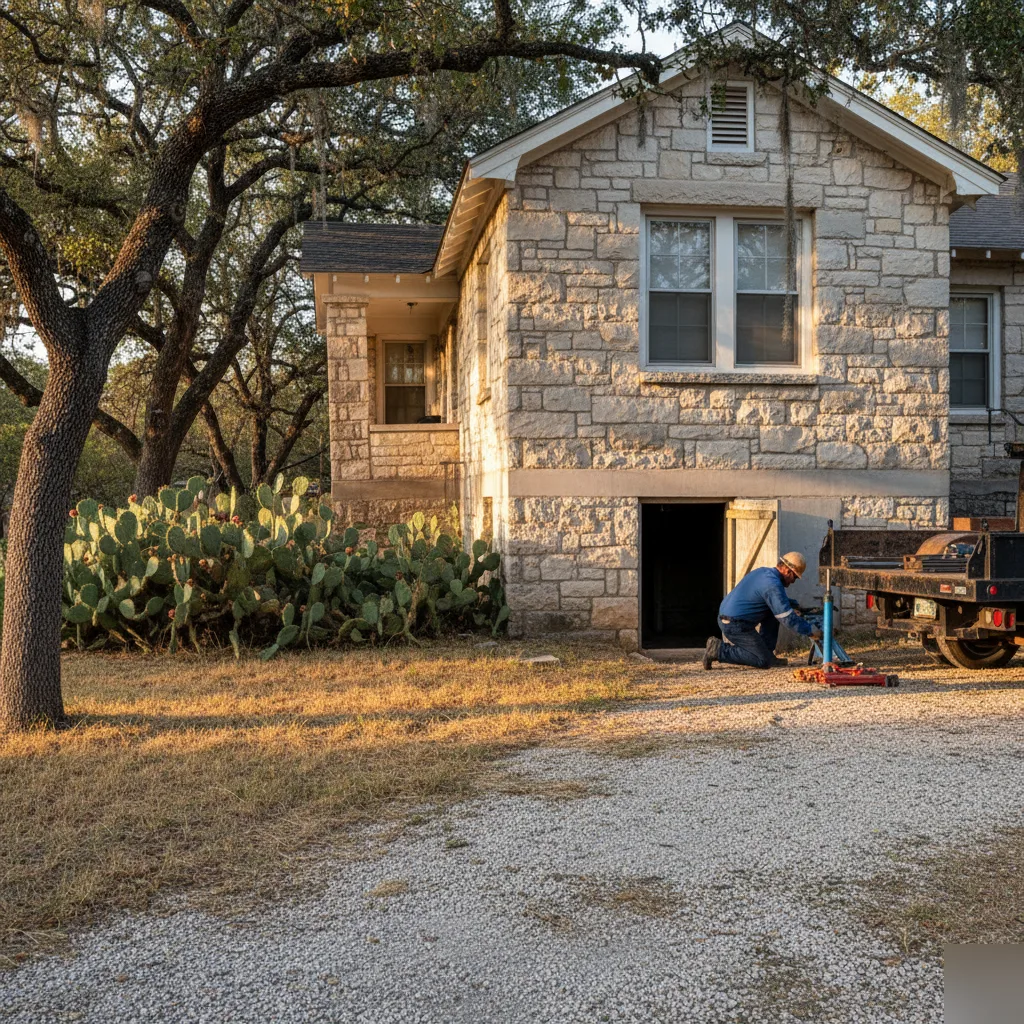
Pier and Beam Foundation Repair · San Antonio, TX

Pier and Beam Foundation Repair in San Antonio

Pier and beam foundation repair in San Antonio done right. Know the signs, understand the process, and get expert help when it counts. Call to schedule today.

Warning signs

Warning Signs Your Pier and Beam Foundation Needs Attention

Bouncy floors. That's usually the first thing people notice. You're walking through the hallway and the floor gives a little under each step, almost like you're on a trampoline. That's a pier and beam problem.

But soft or uneven floors aren't the only red flag. San Antonio homeowners call us about all kinds of symptoms, including masonry repair San Antonio TX, and most don't realize they're connected to the foundation until we crawl underneath and take a look.
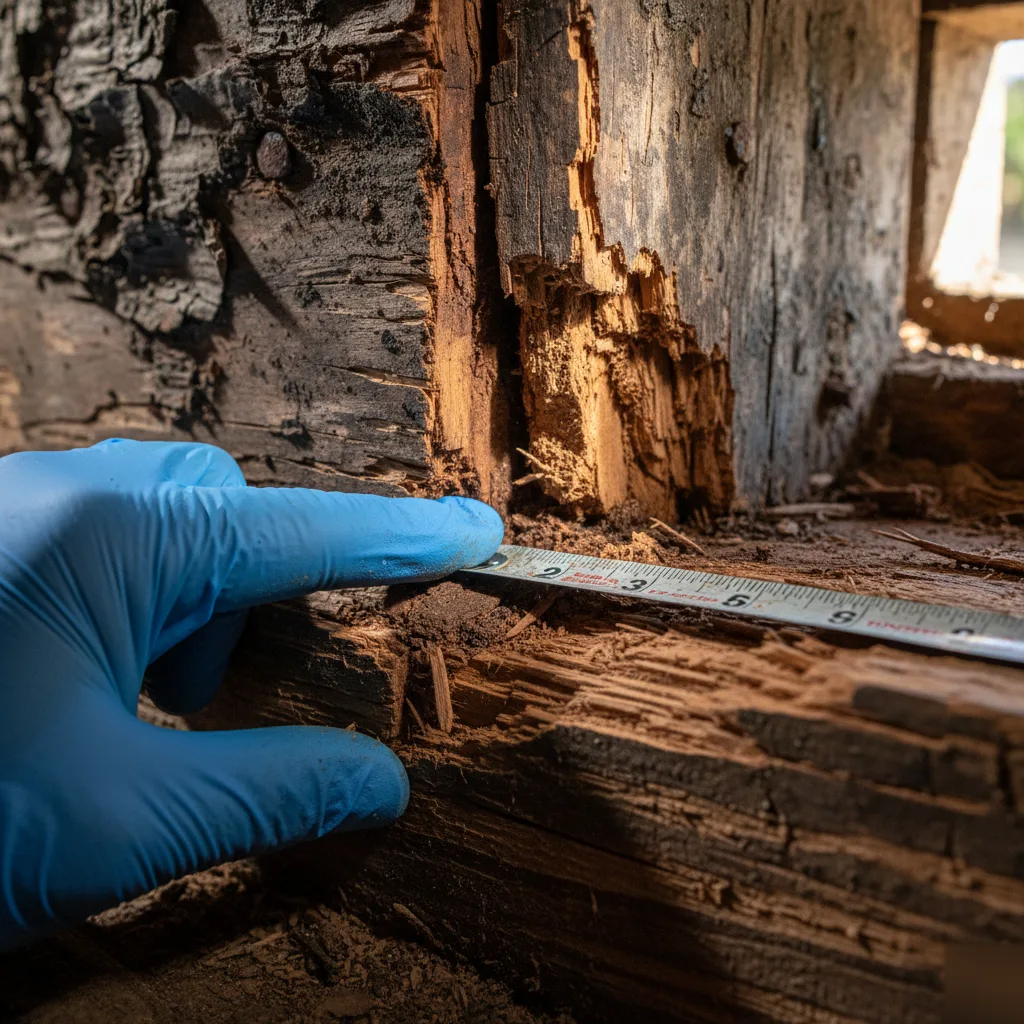
Wood rot and cracked beam on a pier and beam foundation in San Antonio

Here's what we tell people to watch for:

  • Doors that stick, won't latch, or swing open on their own
  • Visible gaps between the wall and the floor or ceiling
  • Cracks running along interior drywall, especially near door frames
  • A musty smell coming from beneath the house
  • Sagging or sloping floors in one area of the home

We see every one of these on jobs across the Alamo Heights area and older neighborhoods near downtown. Homes built in the 1940s through 1970s are especially common. The original cedar posts and concrete blocks shift over decades, the wooden beams lose strength from moisture exposure, and the whole system starts to settle unevenly.

Here's something most people don't think about. A musty crawl space isn't just unpleasant. It usually means moisture is trapped under the house, rotting your floor joists and attracting termites. That's damage happening right now.

And sometimes the signs are subtle. A slight slope you've gotten used to. A crack you painted over last year that came back wider. Your eye adjusts to these things over time. Our team has 40+ years of combined experience reading these clues, and we can usually tell within the first few minutes of an inspection what's going on beneath your home. Not sure if what you're seeing is serious? That's actually pretty common. Most folks who call us aren't certain either. They just know something feels off.
Why it keeps moving

Why San Antonio Clay Soil Keeps Pier and Beam Foundations Moving

Bexar County sits on some of the most reactive clay soil in the country. It swells when it's wet. It shrinks when it's dry. And San Antonio gives it plenty of both. We get stretches of 100-degree heat with zero rain, then a sudden downpour dumps inches in a single afternoon. That cycle does real damage under a pier and beam home. The soil pushes up against your beams during wet months, then pulls away during drought, your foundation never gets a chance to sit still.

According to the American Society of Civil Engineers, expansive soils cause more financial damage to structures each year than floods, hurricanes, and earthquakes combined. Homes in neighborhoods like Alamo Heights and older parts of Dignowity Hill often sit on raised foundation systems built decades ago. Those original cedar posts and concrete blocks weren't designed to handle this constant ground movement. Over time the piers shift, the beams sag, and your floors start telling the story.

Here's what that movement actually looks like inside your home:

  • Soft or bouncy spots in your flooring, especially near the center of rooms
  • Doors that stick or won't latch properly
  • Visible gaps between walls and the ceiling or baseboards
  • Cracks running along interior drywall near door frames

It's the same thing every time. The soil shifted, one or more piers lost contact with stable ground, and now part of your home is sitting lower than the rest. We see this every week across San Antonio. It's not a rare problem. It's the most common call we get.

Raised foundations are actually easier to fix than slabs, you just can't ignore the signs. The crawl space underneath gives our crew direct access to every beam, joist, and support post. That's a real advantage. The soil won't stop moving. What matters is catching the damage early and fixing it right before small shifts turn into big structural problems.

The repair process

How the Repair Process Works, Step by Step

People always ask us what the actual process looks like. Fair question. Nobody wants surprises when someone's working under their house. Here's how our crew handles crawl space foundation work from start to finish in San Antonio.

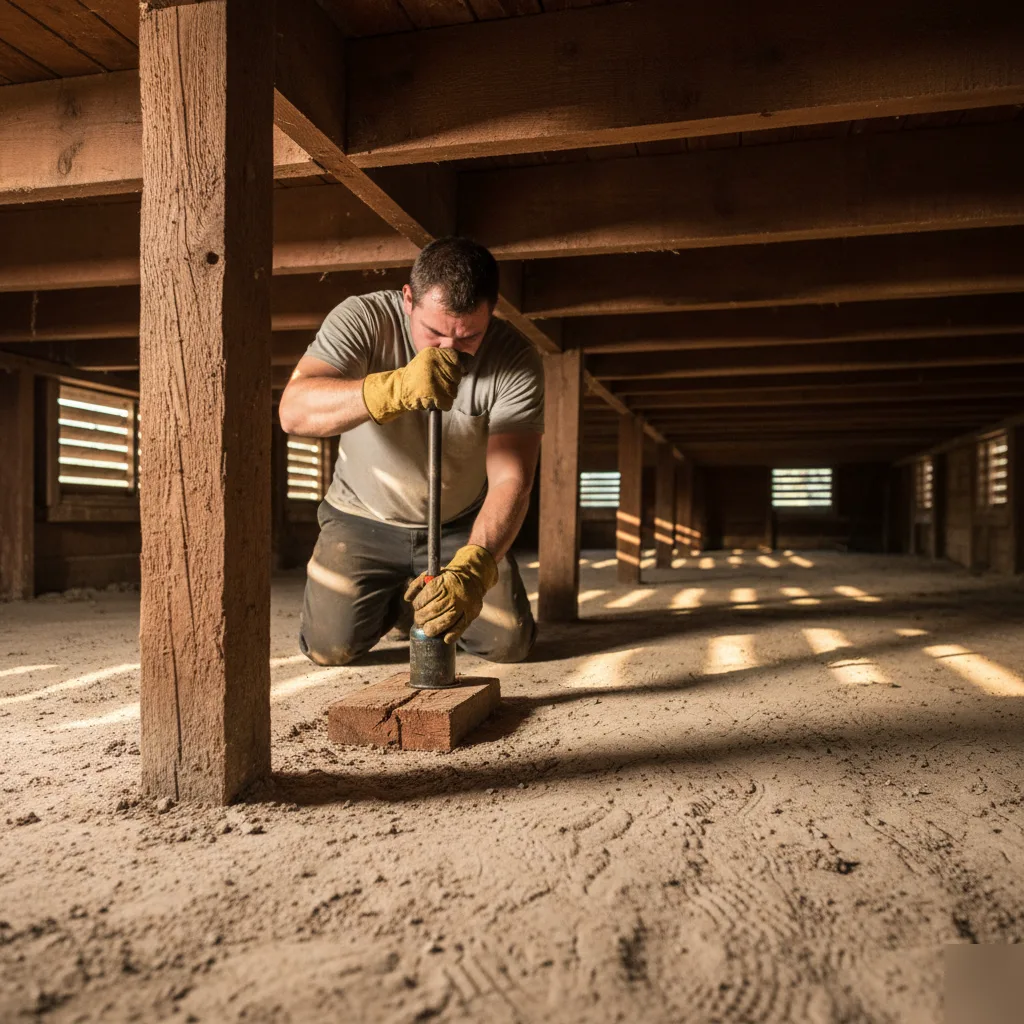
Foundation repair crew working in a pier and beam crawl space in San Antonio
  1. 1
    Access the crawl space

    We get under your home and clear out any debris, old insulation, or anything blocking our work area. Some crawl spaces in older Dignowity Hill homes are tight, we've crawled through spaces barely 18 inches high.

  2. 2
    Set temporary supports

    Before we lift anything, we brace the structure with temporary jacks and supports. This keeps your home stable while we work on the damaged sections.

  3. 3
    Remove or repair failed components

    Rotted wooden beams get pulled out. Cracked concrete piers get replaced. Sinking crawl space support posts get swapped for new ones set on proper footings. Whatever's failing comes out.

  4. 4
    Level the structure

    Using hydraulic jacks, we carefully raise the home back to its correct position. This is slow, precise work. Rushing it cracks drywall and breaks plumbing lines. We move in small increments, sometimes an eighth of an inch at a time.

  5. 5
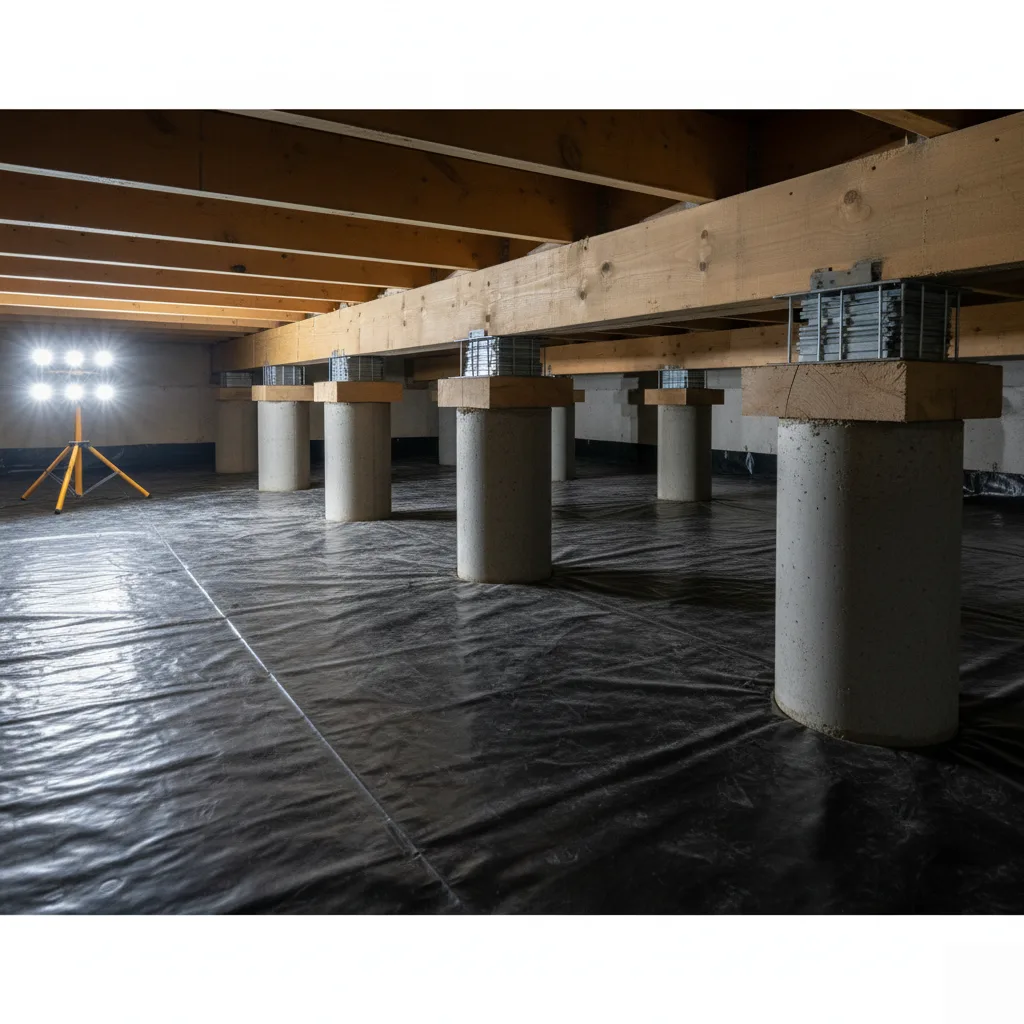
    Install permanent repairs

    New piers go in. New beams get sistered or replaced. We set everything on stable footings that account for Bexar County's expansive clay soil. The goal is a foundation that handles the next drought cycle without shifting again.

  6. 6
    Final inspection and verification

    We check every measurement twice. Floors get tested with a level across multiple rooms. And we make sure all plumbing and utilities under the house are intact before we button everything up.

The whole process typically takes one to three days for most San Antonio homes. Larger properties or severe damage can stretch that timeline a bit. Homeowners tell us the hardest part was just making the call. The actual work? It's methodical. Our team has 40 plus years of combined experience doing exactly this, what Bexar County soil does to these homes, and we build every repair around that reality. You'll feel the difference the first time you walk across a floor that's actually level again.

Choosing the right contractor

Choosing the Right Contractor for Older Homes in San Antonio

Not every foundation company knows how to work under a raised pier and beam house. That's just the truth. A lot of crews in San Antonio focus on slab work because that's what most newer construction uses. But if you've got an older home, especially in areas like Monte Vista or Dignowity Hill, you need someone who's spent real time in crawl spaces and understands how these systems age.

We get calls every week from homeowners who had a slab contractor come out, look at their setup, and basically shrug. It's a different kind of work. The tools are different. The access points are different. The way you diagnose problems under a raised floor is nothing like reading cracks on a concrete slab.

So what should you look for? Here are a few things that matter:

  • Direct experience with crawl space support posts, beam replacement, and shimming
  • A willingness to physically get under your home and inspect before quoting anything
  • Familiarity with Bexar County's clay soil and how seasonal moisture shifts affect older structures
  • Proper licensing and a track record you can verify

Ask how many crawl space jobs they've done in the last year. If the answer is vague, that tells you something. Our team at Bats Foundation Repair has over 40 years of combined experience, and a big chunk of that has been spent working on San Antonio's older housing stock. We're locally owned. We live here. What these homes go through, we know.

Older homes often have other structural quirks too. Original cedar posts that have rotted out. Beams that were undersized for the span they're covering. A contractor who only knows one fix won't catch those things. You deserve someone who looks at the whole picture, not just the obvious problem. That's the difference between a repair that holds and one you're calling about again in two years.

After the repair

Protecting Your Foundation After Repair

The work doesn't end when our crew leaves your property. What you do in the months after a foundation repair matters almost as much as the repair itself. We tell every customer the same thing: protect what you just invested in.

Bexar County's expansive clay soil is the main long-term threat to your foundation. That soil swells when it's wet and shrinks when it's dry. The cycle never stops in San Antonio. So your job is to keep moisture levels around your home as steady as possible. Not soaking wet. Not bone dry. Consistent.

Moisture Management Basics

Here's what we recommend to every homeowner after we finish a job:

  • Run a soaker hose around your perimeter during dry stretches, especially July through October
  • Keep gutters clean and make sure downspouts direct water at least three feet from the foundation
  • Grade your landscaping so water flows away from the house, not toward it
  • Avoid planting large trees within 15 feet of your foundation, their root systems pull massive amounts of moisture from the soil

The homeowners who call us back years later skipped the moisture management. It's that simple. We also recommend checking your crawl space at least twice a year. Look for standing water, new cracks in support posts, or wood that feels soft. Homes in the Alamo Heights area with older raised systems are especially prone to moisture buildup underneath. A quick visual check can catch small problems before they turn into big ones.

Don't ignore your plumbing either. A slow leak under the house can undo months of good drainage habits. If you notice a spike in your water bill or damp spots in the crawl space, get a plumber out fast. Our team at Bats Foundation Repair is always happy to do a follow-up crawl space inspection if something looks off. With 40 plus years of combined experience working in San Antonio, we've seen what neglect does to a repaired foundation. We've also seen how well homes hold up when owners stay on top of basic maintenance. Most of our customers never need us again once they stick to a simple routine.

Frequently asked questions

Pier and beam foundation repair in San Antonio, answered

How long does pier and beam foundation repair take in San Antonio?

Most pier and beam repairs in San Antonio take one to three days to complete. Smaller jobs with a few failed piers can wrap up in a single day. Larger homes or cases with severe beam rot and multiple sinking posts may run longer. The timeline depends on how much of the crawl space needs work and how tight the access is. Older homes in areas like Dignowity Hill sometimes have crawl spaces under 18 inches high, which slows things down.

Does San Antonio's clay soil make pier and beam problems worse over time?

Yes, Bexar County's expansive clay soil is one of the biggest reasons pier and beam foundations fail here. The soil swells when it rains and shrinks during dry spells. San Antonio gets both extremes regularly. That constant movement pushes and pulls at your piers and beams season after season. Original cedar posts and concrete blocks weren't built for that kind of stress. Over time, piers lose contact with stable ground, beams sag, and your floors start showing the damage.

What does a musty smell from under my house actually mean?

A musty smell from your crawl space usually means trapped moisture is actively rotting your floor joists. It's not just an odor problem. Wet wood attracts termites and breaks down faster than most people expect. By the time the smell reaches your living area, the damage underneath may already be significant. We see this regularly in older San Antonio homes. Getting someone under the house to inspect the beams and joists is the right move as soon as you notice it.

Will my doors and floors go back to normal after the repair?

In most cases, yes. Once we level the structure and set new piers on stable footings, doors that were sticking usually start latching properly again. Floors that felt bouncy or sloped firm up. The change is noticeable right away when you walk through the house. Some cosmetic issues like drywall cracks may need patching after the repair, but the structural movement that caused them stops. Your home sits level again, and that's what makes the everyday difference.

How do I know if my San Antonio home has a pier and beam foundation?

The easiest way to tell is to check for a crawl space underneath your home. If you can see an opening along the base of your exterior walls or a small access door, you almost certainly have a raised foundation. Most San Antonio homes built between the 1940s and 1970s were built this way. You may also notice your home sits slightly elevated off the ground. If you're not sure, we can confirm it during a free inspection before any work is discussed.

What should I do before the repair crew arrives?

Clear a path to any exterior crawl space access points so the crew can get under your home without delay. Move anything stored directly against the foundation walls if possible. Inside, it helps to note which rooms have the worst floor bounce or sticking doors so you can point those out during the walkthrough. You don't need to leave your home during the repair. Most San Antonio homeowners stay on-site, and our crew will walk you through what they find before any work begins.

Fix the foundation before it gets worse

Pier and beam problems don't get better on their own. Call to schedule your free foundation assessment today.