

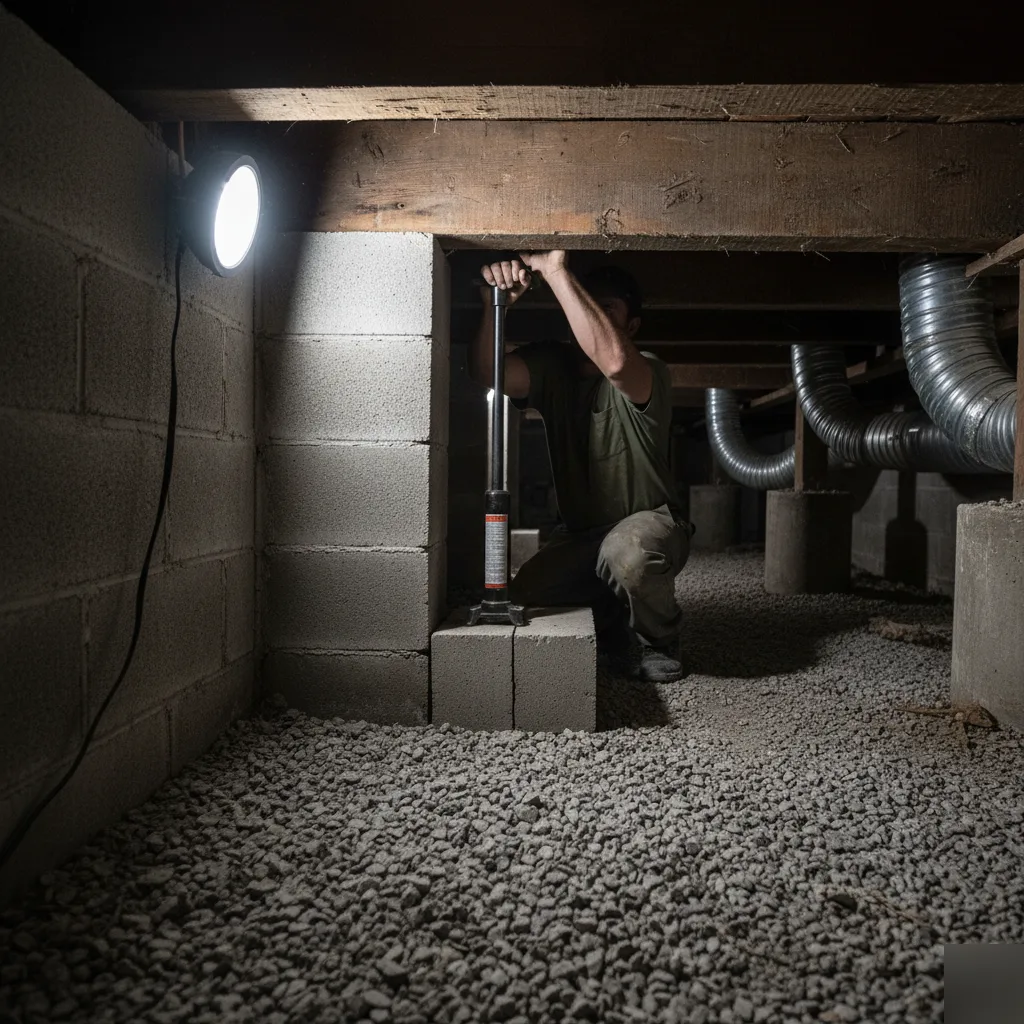
Block and Base Foundation Repair · San Antonio, TX

Block and Base Foundation Repair in San Antonio

Block and base foundation repair in San Antonio done right. Bats Foundation Repair diagnoses settling, shifting, and damage. Call to schedule your inspection today.

What block and base is

What Block and Base Foundations Are and Why They Fail

A block and base system uses concrete masonry blocks stacked on top of a concrete footing. Those blocks support wooden beams that hold up your floor. If you require assistance with these elements, you might be looking for an affordable masonry contractor San Antonio TX. You'll find this setup under a lot of older homes here, especially in neighborhoods like Dignowity Hill and Government Hill where houses were built decades ago.

It's a simple design. Concrete blocks sit on poured footings. Wooden shims or spacers go between the blocks and the beams. The crawl space underneath gives you access to plumbing and wiring. That open space is also where problems start.

So why do these foundations fail? Bexar County's clay soil is the biggest factor. Our soil expands when it rains and shrinks during dry spells. That constant movement pushes footings out of alignment, tips blocks sideways, and creates gaps between the support points and your floor beams. We see this every week on jobs across San Antonio. Here are the most common reasons block and base foundations break down:

  • Soil movement from the expansive clay underneath your home
  • Moisture buildup in the crawl space that weakens wooden beams and shims
  • Deteriorating mortar joints between the concrete blocks
  • Improper drainage around the perimeter pushing water toward your footings
  • Age and settling over time as original materials wear out
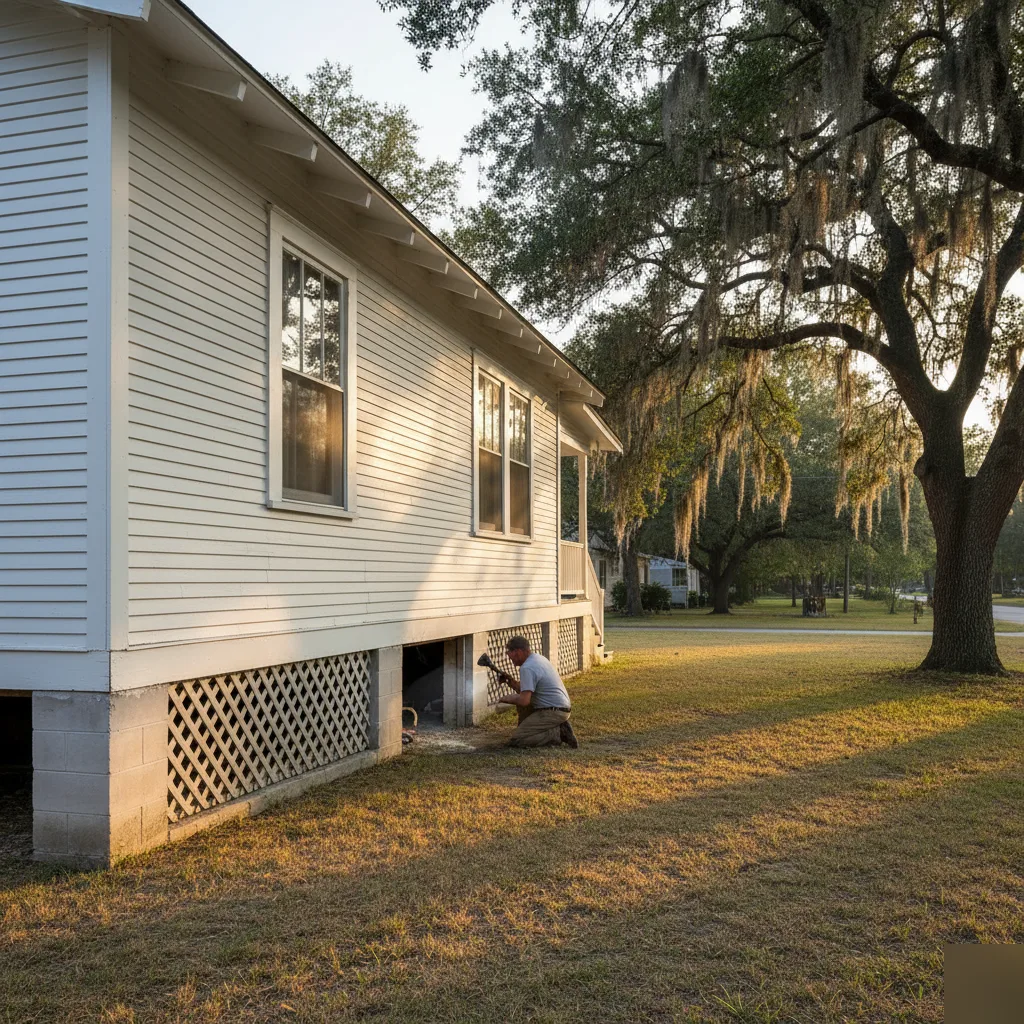
Block and base foundation inspection on an older bungalow exterior in San Antonio

The soil shifts, the blocks move, and your floors start feeling uneven. You might notice a bounce when you walk across the living room. Or doors that used to close fine now stick at the top corner. Those are your early warning signs.

New residents moving to San Antonio from out of state don't always know about our soil conditions. According to the Texas A&M AgriLife Extension, expansive clay soils cause more property damage in Texas than any other natural hazard. These systems are especially vulnerable because they rely on precise alignment between independent support points. One block shifts a half inch and your whole floor line changes. Our team at Bats Foundation Repair has over 40 years of combined experience working on exactly these types of foundations, so what to look for before the damage gets worse.
Warning signs

Warning Signs Your Crawl Space Foundation Needs Attention

Floors that bounce when you walk across them, that's usually the first thing people notice. Maybe you feel a soft spot near the hallway, or the living room floor slopes toward one corner. These aren't quirks of an old house. They're your foundation asking for help.

The signs start small. Then they don't stay small for long. Here's what to watch for:

  • Doors that stick or won't latch, especially interior doors
  • Cracks in drywall above door frames or at ceiling corners
  • Uneven or sagging floors you can feel underfoot
  • Gaps between the wall and floor or wall and ceiling
  • A musty smell coming up from below the house

That musty smell matters more than most people think. It usually means moisture is sitting in your crawl space. Moisture is the number one enemy of crawl space foundations in Bexar County. Our clay soil holds water like a sponge after heavy rain, then dries out and shrinks during summer. That cycle pushes and pulls at your foundation blocks constantly.

Over in neighborhoods like Dignowity Hill and Government Hill, we find older pier and beam homes where the original cedar posts have rotted and the concrete blocks have shifted off their bases entirely. Not sure if what you're seeing is serious? That's actually pretty common. A lot of homeowners call us thinking they just have a cosmetic crack. That crack is often connected to movement underneath the house. Our team with 40+ years of combined experience can tell the difference fast.

One thing we always tell people: catching these signs early saves you real money. A block that's shifted half an inch today could be three inches off by next year. The repair stays simpler when you act sooner. Don't wait for the floor to feel like a trampoline before you pick up the phone.

Why damage accelerates

How San Antonio's Soil and Climate Accelerate Block and Base Damage

Bexar County sits on some of the most reactive clay soil in the country. The expansive clay beneath most San Antonio homes swells when it gets wet and shrinks hard when it dries out. Crawl space foundations take the hit directly because they rely on stable ground to keep everything level.

Here's what happens in a typical year. We get heavy rain in spring, the soil expands, and those concrete blocks feel upward pressure from below. Then summer hits. Weeks of 100-degree days bake the moisture right out of the ground. The soil contracts and pulls away from your foundation. That constant push-and-pull cycle does real damage over time, we see it on almost every inspection in neighborhoods like Alamo Heights and the near South Side.

Several factors make San Antonio especially tough on these systems:

  • Highly plastic clay soil that can shift several inches between wet and dry seasons
  • Long drought periods followed by sudden heavy rainfall events
  • Older homes with original block and base systems that weren't designed for this level of soil movement
  • Mature tree roots near the foundation that pull moisture unevenly from the soil

According to the American Society of Civil Engineers, expansive soils cause more financial damage to structures in the U.S. each year than floods, hurricanes, and earthquakes combined. San Antonio is right in the middle of that problem zone.

New residents moving here from out of state don't always know this. They buy a home, notice a few cracks after their first dry summer, and assume it's cosmetic. It's usually not. Our team at Bats Foundation Repair has over 40 years of combined experience working in this soil, and the damage accelerates fast once it starts. The ground under your home never stops moving. That's just reality here. But catching the signs early and getting the right repair done means you don't have to watch a small problem turn into a big one.

Step-by-step repair

The Block and Base Repair Process Step by Step

Folks always want to know what actually happens during the repair. Fair enough. It's your home, you deserve to know exactly what we're doing under there. Here's how our team at Bats Foundation Repair handles crawl space foundation repair from start to finish.

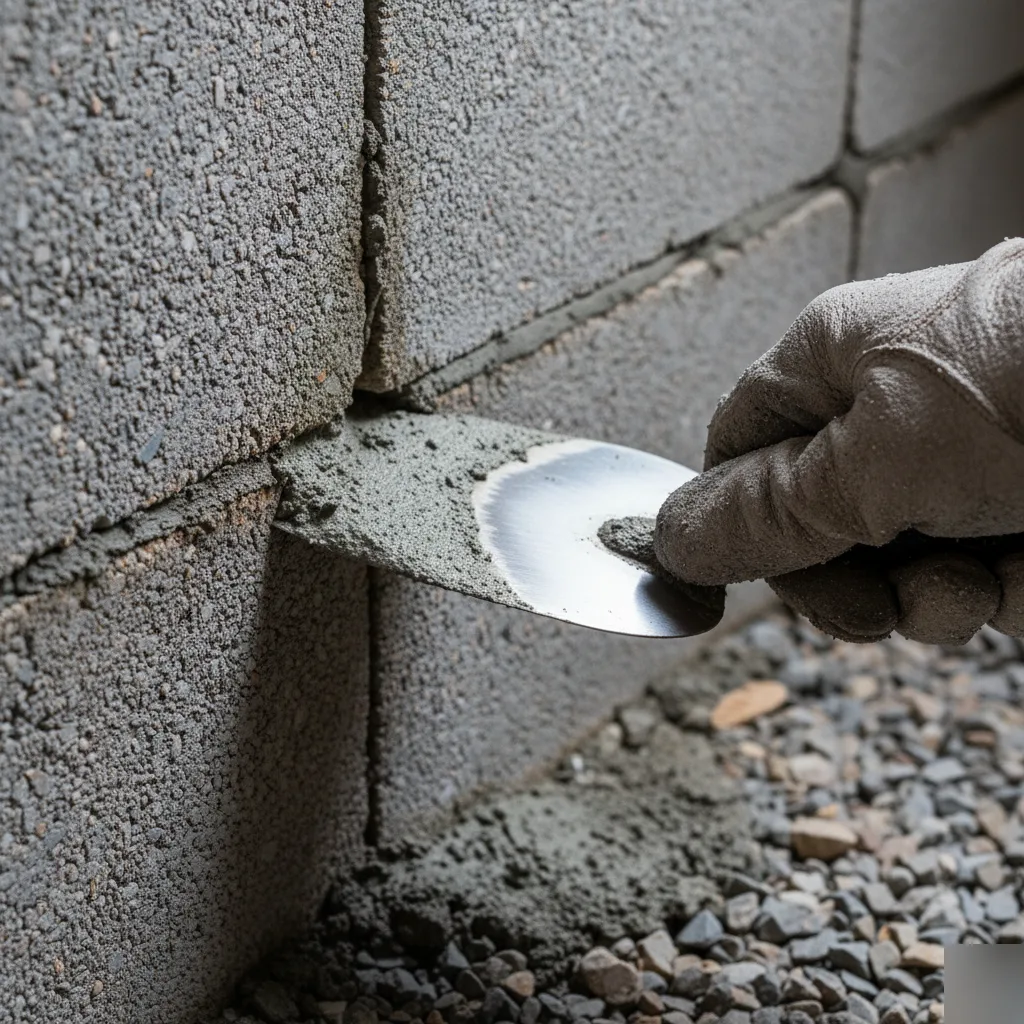
Cement trowel work during block and base foundation crack repair in San Antonio
  1. 1
    Crawl space inspection

    We get under your home and check every pier, block, and base pad. We're looking at the condition of the wood, the shimming, how level things sit, and whether moisture has caused rot or shifting. In San Antonio's older neighborhoods like Dignowity Hill, we see homes where nobody's been under the floor in decades.

  2. 2
    Measurements and leveling plan

    We use precision instruments to map out exactly where your floors are high, low, or sloping. This tells us which piers need attention and how much correction each one requires.

  3. 3
    Stabilize and replace damaged blocks

    Cracked or crumbling concrete blocks get pulled out and replaced. If the base pads have sunk into the soil, we address that too. Bexar County clay can swallow a pad over time, we've seen it happen more than you'd think.

  4. 4
    Shim and level each pier

    We set new shims and adjust every pier until your floors read level. This part takes patience. Rushing it means problems come back.

  5. 5
    Re-measure and verify

    We re-measure everything and walk the floors with you. You should feel the difference right away.

The whole process typically takes one day for most San Antonio homes. Bigger jobs or homes with severe damage might stretch into two days. But you won't be displaced for weeks.

One thing we always tell people: the repair itself isn't the hard part. It's diagnosing the root cause correctly. That's where our 40+ years of combined experience really matters. We don't just fix what's broken today. We figure out why it broke so it doesn't happen again next year. Need help figuring out what's going on under your home? Give us a call.

Post-repair inspection

What a Proper Post-Repair Inspection Should Include

The repair itself is only half the job. What happens after matters just as much. We've seen crews finish crawl space foundation work and walk away without a real inspection. That's not how we do things at Bats Foundation Repair. Every job in San Antonio gets a thorough post-repair check before we consider it done. With 40+ years of combined experience, our team knows exactly what to look for once the dust settles.

A proper post-repair inspection should cover these key areas:

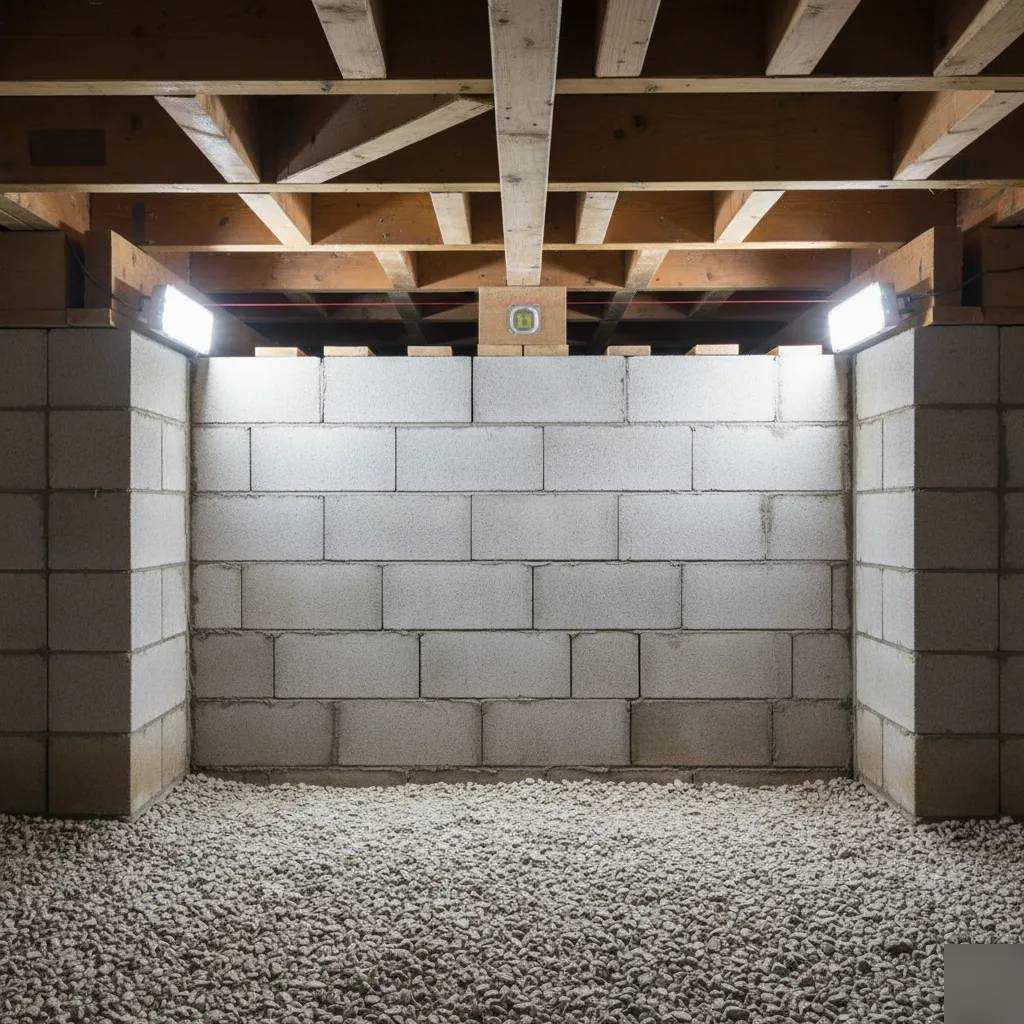
  • Block alignment and level — every replaced or reset block gets checked with a laser level
  • Base pad contact — the concrete base pads need full, even contact with the soil beneath them
  • Shim placement and fit — shims between blocks and beams should sit tight with no wobble
  • Beam condition — we look at every beam the repaired blocks support for cracks, rot, or sagging
  • Floor levelness inside the home — we go inside and verify your floors read level

Over in the Alamo Heights area, we see older pier and beam homes where previous repairs skipped this step entirely. Homeowners called us back because their floors still bounced or doors still stuck. The original crew never verified their work from inside the house.

We also check the crawl space ventilation and drainage while we're under there. Moisture buildup around fresh block work can weaken mortar joints within a single San Antonio summer. So we flag anything that could cause trouble later. You should expect photos and a walkthrough from your contractor. If someone finishes a crawl space foundation repair and doesn't invite you to see the results, that's a problem. We walk every homeowner through what we did, what we found, and what to watch going forward.

Frequently asked questions

Block and base foundation repair in San Antonio, answered

How long does block and base foundation repair usually take in San Antonio?

Most block and base repairs in San Antonio take one to two days to complete. A straightforward job — resetting shifted blocks and replacing worn shims — often wraps up in a single day. More involved work, like repairing multiple support points with significant soil movement underneath, may run into a second day. Your crawl space needs to be dry and accessible before we start. We'll walk you through the timeline after the inspection so you know exactly what to expect.

What happens during a block and base foundation inspection?

When we arrive, we go straight under the house into the crawl space. We check every block, every beam connection, and every shim point for shifting, rot, or moisture damage. We also look at how water drains around your perimeter. Above ground, we check your floors for slope and your door frames for racking. The whole inspection usually takes under two hours. You get a clear picture of what's wrong and what needs to happen next — no guesswork.

Why do so many older San Antonio homes have block and base foundation problems?

Older homes in neighborhoods like Dignowity Hill and Government Hill were built before builders fully understood how Bexar County's expansive clay soil behaves. The original block and base systems weren't designed to handle soil that swells several inches in spring and then contracts hard during a dry summer. Over decades, that constant movement shifts blocks off their footings and rots the wooden shims between blocks and beams. Age plus reactive soil is a tough combination, and it catches up with a lot of these homes.

Can I just ignore a soft or bouncy spot in my floor for now?

Ignoring it usually makes the repair bigger and more expensive. A block that's shifted half an inch today can be three inches off by next year. The floor bounce you feel is a block or beam that's no longer carrying your floor the way it should. Every wet-dry soil cycle in San Antonio pushes that problem further. Small repairs stay small when you act early. Once the beams start sagging or the blocks tip over, the scope of work grows fast.

Does the musty smell in my home mean my crawl space foundation is failing?

A musty smell is a strong warning sign that moisture is sitting in your crawl space. That moisture weakens the wooden beams and shims that sit on top of your concrete blocks. In San Antonio's climate, crawl spaces trap humidity after heavy rain, and our clay soil holds water close to your footings. You don't need visible damage to have a real problem. If you're smelling it inside the house, the moisture level under your home is already high enough to be doing damage.

Do I need a permit for block and base foundation repair in San Antonio?

Most block and base repairs in San Antonio do not require a permit because they involve restoring existing structural components rather than new construction. However, if the scope of work includes significant structural changes to beams or footings, permit requirements can apply under Bexar County and City of San Antonio building codes. We handle that review as part of every job. You won't have to figure out the permitting side on your own — we'll tell you upfront what's needed before any work begins.

Fix the foundation before it keeps shifting

Block and base problems don't correct themselves. Call to schedule your free inspection today.