
Why San Antonio Driveways Crack and Sink
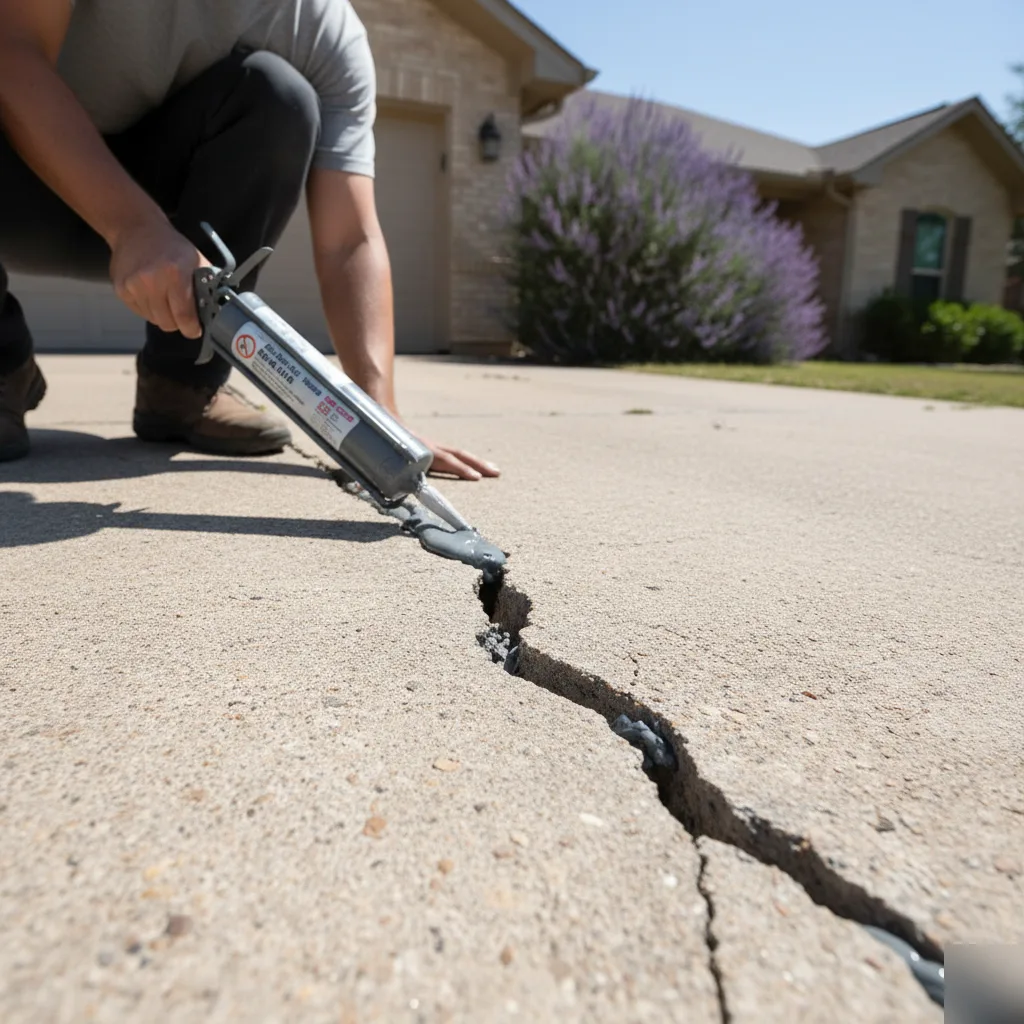
That long crack running down your driveway didn't show up overnight. It's been building for months, maybe years. And the cause is almost always right under your feet.
Bexar County sits on heavy clay soil. This stuff expands when it gets wet and shrinks when it dries out. San Antonio's weather makes that cycle brutal. We'll get weeks of dry heat, then a sudden downpour dumps inches of rain in a single afternoon. The ground swells, then contracts, then swells again. Your driveway concrete can't keep up with that movement, so it cracks, shifts, or sinks into the voids that form underneath.
We see this pattern play out across San Antonio every week. Homeowners over near Alamo Ranch notice a corner of their driveway dropping. Folks closer to downtown find spider-web cracks spreading across a slab that looked fine last summer. Same root cause, different neighborhoods. Contact us for professional driveway repair in San Antonio.
Here's what typically drives driveway damage in our area:
- Expansive clay soil that moves with every weather shift
- Poor drainage pushing water under the slab edge
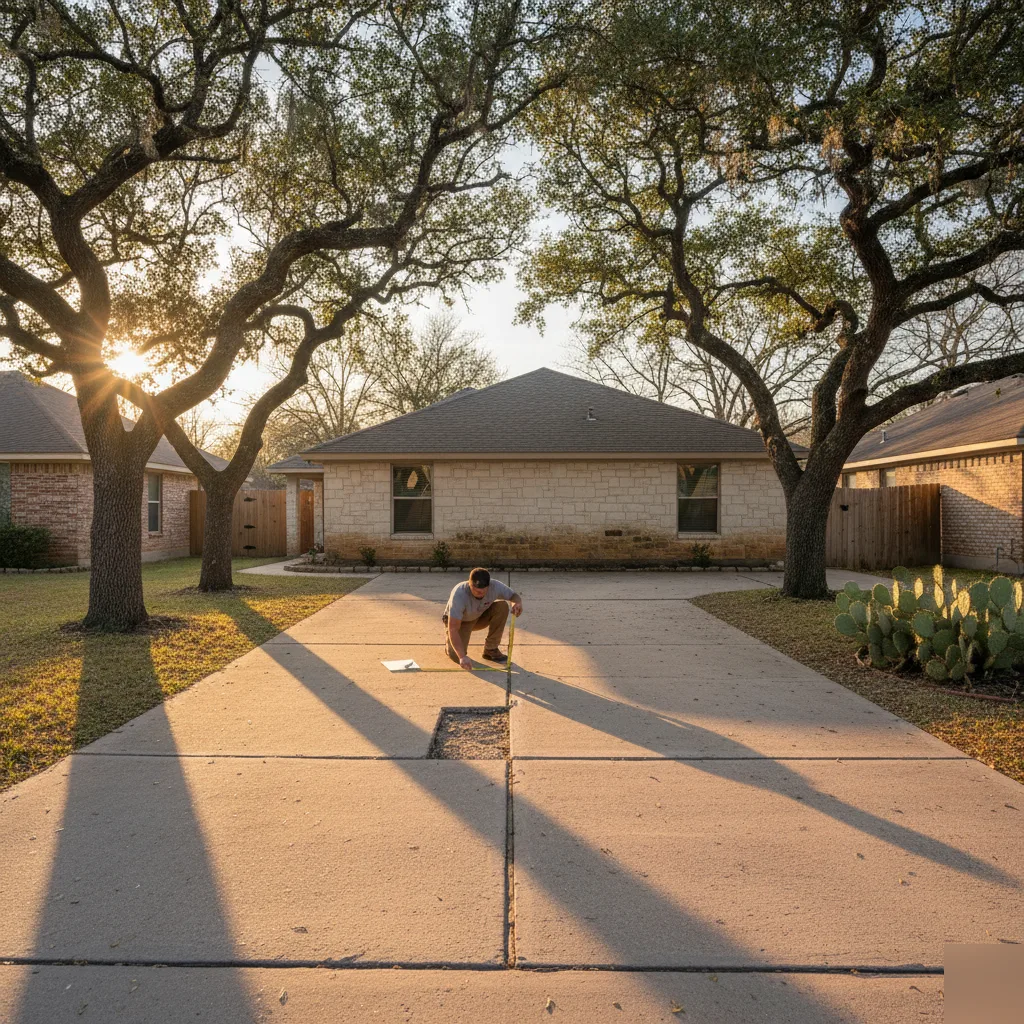
- Tree roots from live oaks and mesquite growing beneath the concrete
- Original pour done without proper base prep or reinforcement
- Settling from new construction or nearby grading work
That last one matters more than people think. San Antonio is one of the fastest-growing cities in the country right now. New construction changes how water flows across a lot. Your neighbor's new build can redirect runoff straight toward your driveway, and you won't notice until the damage is already done.
According to the Texas A&M AgriLife Extension, expansive clay soils cause more property damage in Texas than any other natural hazard. Your driveway sits right on top of it with no deep foundation to anchor it. Knowing why it's happening won't fix the crack. But it does help you understand why a quick patch won't hold and why the right repair approach matters so much here in San Antonio.