

Under-Slab Tunneling · San Antonio, TX

Under-Slab Tunneling in San Antonio

Expert tunneling in San Antonio to access and repair under-slab plumbing without tearing up your floors. Licensed crew, proven process. Call to schedule.

What the process involves

What Tunneling Under a Slab Actually Involves

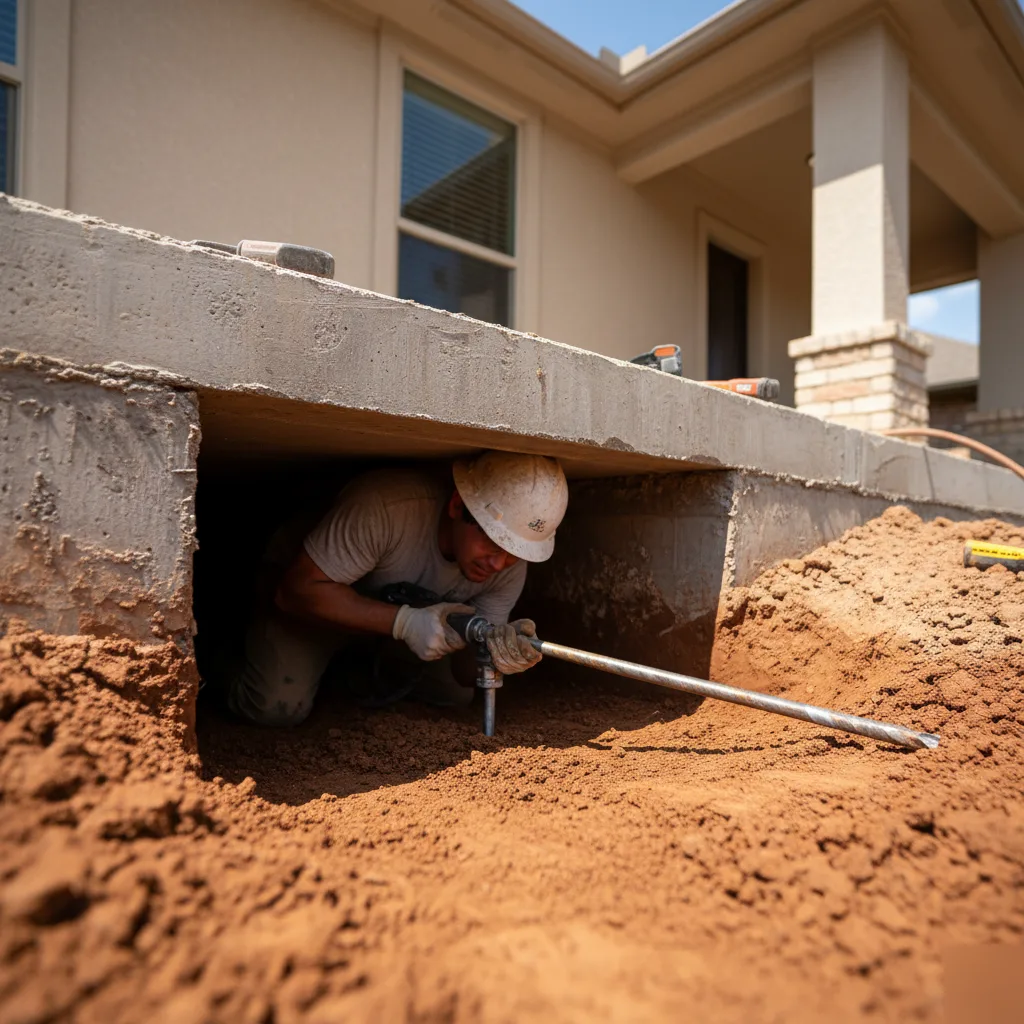
Most people picture some massive excavation when they hear the word tunneling. It's not like that. Tunneling means Bats Foundation Repair, a professional construction company in San Antonio, digs a carefully sized passage underneath your concrete slab so we can reach the plumbing or foundation supports without cutting through your floor.

Think about it. Your slab sits right on top of Bexar County's clay soil. Pipes run underneath it. Foundation piers need to go beneath it. So how do you get down there without jackhammering through your kitchen tile or living room? That's the whole point.

Here's what the process looks like from start to finish:

  • We start by digging an entry point at the edge of your home's foundation, usually along an exterior wall
  • Our crew hand-digs a tunnel underneath the slab, following a mapped route to the repair area
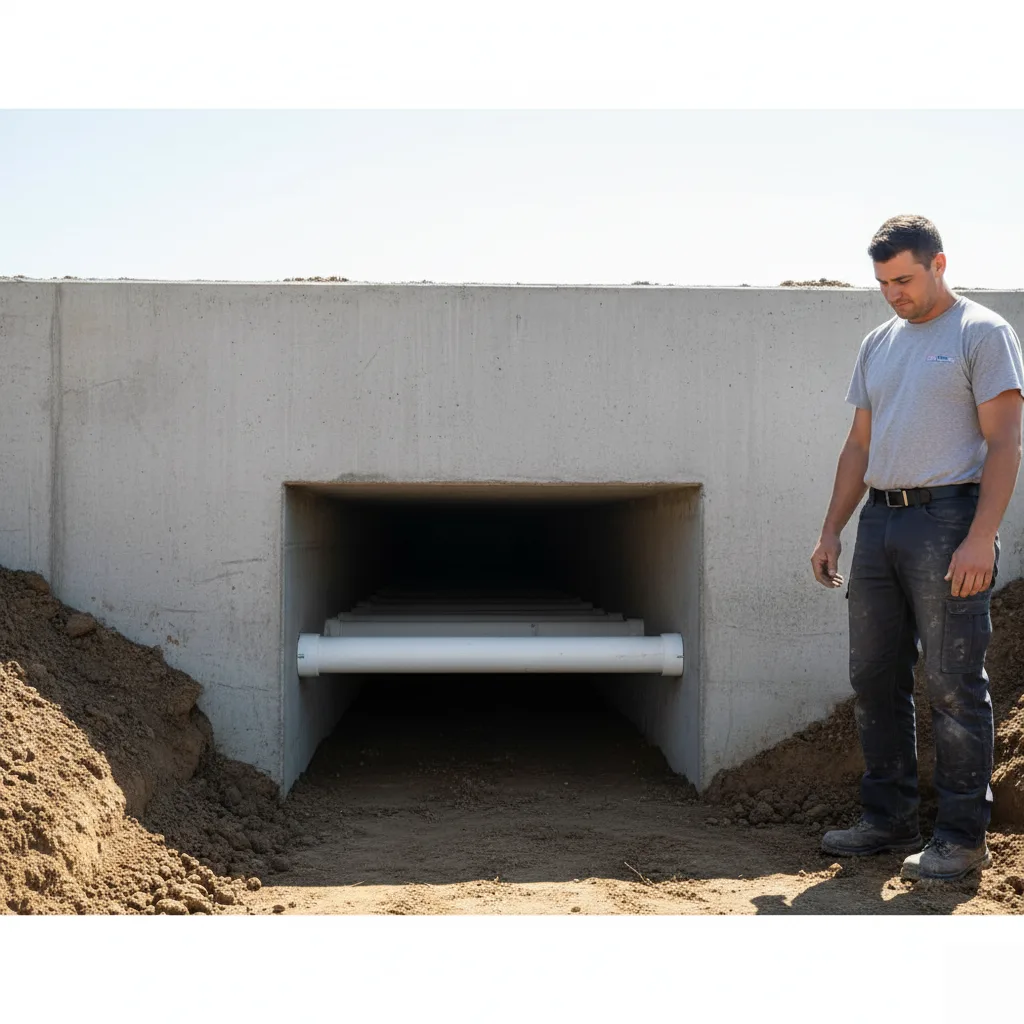
  • We shore up the tunnel walls as we go to keep everything stable and safe
  • Once we reach the target area, we make the repair — whether that's fixing a broken drain line or installing pier supports
  • After the work is done, we backfill the tunnel with clean material and compact it properly

The tunnel itself is typically about three feet wide and three feet tall, just enough room for a crew member to work. We've done this on homes all over the Alamo Ranch area and across San Antonio, some with tight access and tricky soil conditions. Every job is a little different. The approach stays the same.

Homeowners are often surprised by how little disruption there is inside the house. Your floors stay intact. Your cabinets don't move. And you don't have to rip out tile or flooring just to let someone access a pipe.

Our team at Bats Foundation Repair has over 40 years of combined experience. That means knowing how to read the soil and plan the tunnel route before we ever break ground. That planning step matters more than people realize. Bexar County clay shifts and swells depending on moisture levels, so we account for that before we dig a single shovel.
Why San Antonio homes need it

Why San Antonio Homes Need Tunneling More Than Most

Most cities don't deal with what San Antonio deals with underground. Bexar County sits on some of the most reactive clay soil in the country. That soil swells when it rains and shrinks hard during drought. Your foundation moves with it, sometimes unevenly. And when plumbing runs beneath a slab foundation, that movement creates real problems.

We see it constantly in neighborhoods like Alamo Heights and across the south side. A homeowner notices a spike in their water bill. Or they spot damp spots on the slab with no clear source. The leak isn't above ground. It's under the foundation, buried in soil that's already shifting.

Here's why tunneling matters so much here. San Antonio homes are overwhelmingly built on concrete slab foundations. That means your plumbing doesn't run through a crawl space you can access. It runs underneath thousands of pounds of concrete. When a pipe cracks or a joint separates beneath that slab, you've got two choices:

  • Break through your slab from inside the home, tearing up flooring and living space
  • Tunnel beneath the foundation from the outside, leaving your home untouched

For San Antonio slab homes, tunneling is the better path. It protects your floors, your walls, your daily routine. The crew at Bats Foundation Repair brings over 40 years of combined experience working under these exact conditions. They know how Bexar County clay behaves at depth. Where the soil gets dense and where it crumbles.

If you're new to San Antonio, this might sound unusual. But this city is one of the fastest-growing in the United States, and many folks moving here from other states have never dealt with expansive clay soil before. The ground here is different. It puts stress on foundations and the plumbing beneath them in ways you won't see in sandy or loamy regions.

That stress doesn't fix itself. It gets worse with every wet-dry cycle, every long summer without rain. Tunneling gives us a way to reach the problem without creating a new one inside your home.

Step-by-step process

The Step-by-Step Tunneling Process

So what actually happens once we show up? Most folks in San Antonio have never seen tunneling work before. That's fair. It's not something you watch on a weekend home show. But the process is straightforward once you break it down. Here's how our crew handles a typical tunneling job from start to finish:

  1. 1
    Site assessment and planning

    We map out exactly where the tunnel needs to go based on the structural engineer's report. Every home is different, every foundation has its own trouble spots. We mark utility lines, check drainage paths, and plan our entry and exit points before a single shovel hits dirt.

  2. 2
    Excavation of the access point

    We dig a vertical shaft at the edge of your foundation. This is the doorway into the tunnel. It's typically about four feet wide, just enough for our crew to work safely underneath your slab.

  3. 3
    Hand-digging the tunnel

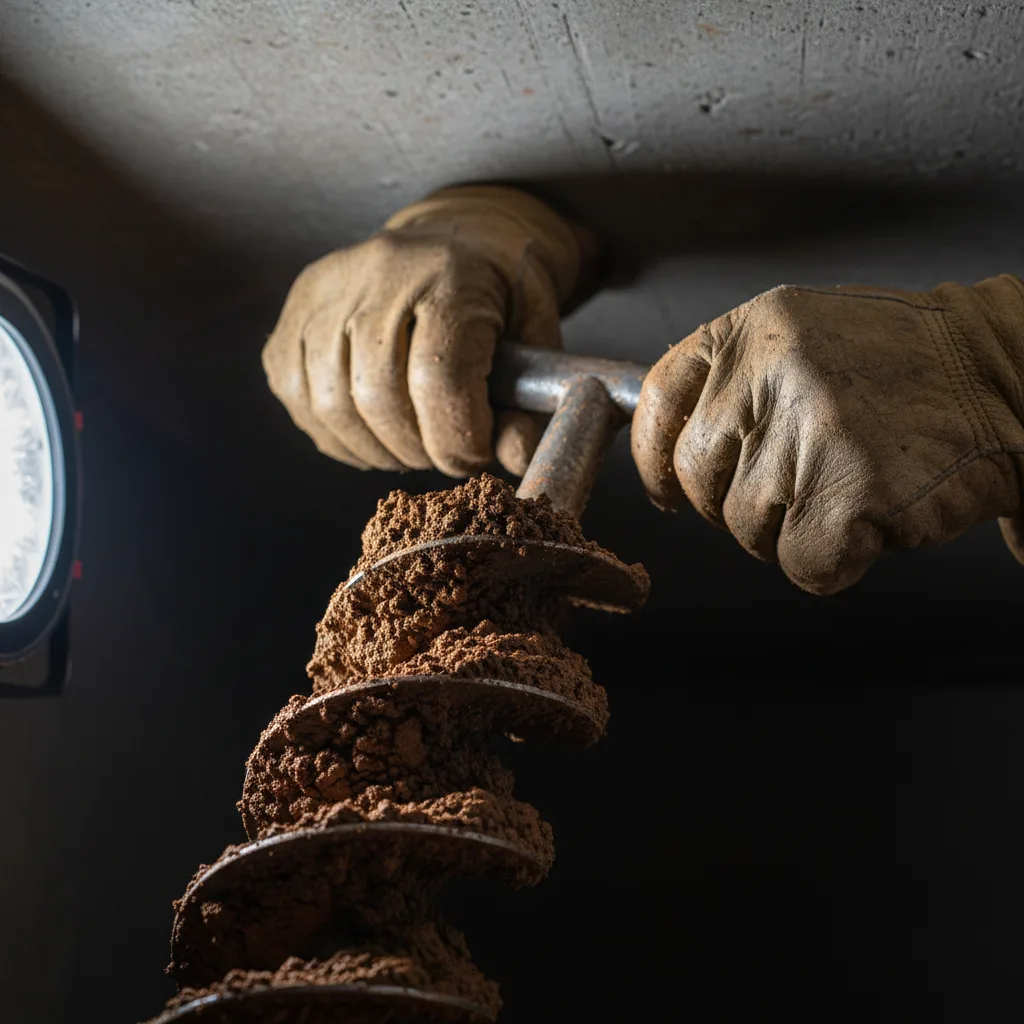
    Our guys dig horizontally beneath your foundation, following the planned route to reach the areas that need repair. In Bexar County's heavy clay soil, this takes muscle and patience. We've done this hundreds of times across neighborhoods like Alamo Ranch and Stone Oak.

  4. 4
    Performing the repair

    Once we reach the problem area, we install piers, address plumbing issues, or make whatever structural fix the job calls for. The tunnel gives us full access to work as if the slab wasn't even there.

  5. 5
    Backfilling and compaction

    After the repair is done, we fill the tunnel back in with proper material and compact it to support the foundation above. No voids, no loose spots.

  6. 6
    Surface restoration

    We restore the access point and clean up. Your yard goes back to looking like your yard.

The whole process usually takes a few days depending on the length of the tunnel. We've had jobs in San Antonio where we only needed a 10-foot run; others stretched 40 feet or more. With over 40 years in the business, our crew knows how to read the soil and adjust on the fly.

Homeowners tell us they expected way more disruption than what they got.

Need help figuring out if tunneling is right for your situation? Give us a call.

Before the crew arrives

How to Prepare Your Home Before the Crew Arrives

Most of the heavy prep falls on us. But a few things on your end make the whole tunneling job go smoother and faster.

First, think about what's near your foundation walls inside the house. We're going to be working underneath your slab, and there can be vibration. Not a lot, but enough that you'll want to clear fragile items off shelves near exterior walls. Family photos, glass vases, that collection of Fiesta medals on the mantle — move them to a back room or set them on the floor. We see homeowners forget this step, then panic when the first bit of digging starts.

Here's a quick list of what helps us get started without delays:

Tunneling auger bit working through Bexar County clay soil under San Antonio slab
  • Clear a path along the exterior wall where we'll dig the access point — move potted plants, patio furniture, grills, and stored items at least six feet back
  • Trim any bushes or landscaping tight against the foundation — our crew can work around it, but cutting it back saves time and protects your plants
  • Make sure we can access your water shutoff — some tunneling work in San Antonio runs right alongside plumbing lines, and we may need to turn water off briefly
  • Let your neighbors know — in tighter neighborhoods like Tobin Hill or Dignowity Hill, the equipment noise can catch people off guard
  • Secure pets inside or arrange for them to stay elsewhere that day — an open access pit and curious dogs don't mix

And if you have sprinkler lines near the foundation, flag them for us. Bexar County clay shifts those lines over the years, so they're not always where the original install map says they are.

You don't need to do anything structural or technical. That's our job. The crew at Bats Foundation Repair shows up with a plan already mapped out from your inspection. Your part is just making sure we can get to work without obstacles.

Got questions about what to move or how to prep? Give us a call before your scheduled date. We'll walk you through it.

The phase that determines results

Backfill and Compaction: The Phase That Determines Long-Term Results

Most people think the hard part is over once the repairs are done underground. That's not quite right. Backfill and compaction after tunneling is what separates a repair that lasts decades from one that causes new problems within a year or two.

Here's what we mean. After our crew finishes pier and beam foundation repair or any other work inside the tunnel, we've got an open excavation sitting beneath your home. That space has to be filled back in carefully. Not just shoved full of dirt. The soil going back in needs to match the right moisture content for Bexar County clay, it needs to go in layers, and each layer needs proper compaction before the next one goes on top.

Why Compaction Matters More Than You'd Think

Loose backfill settles. When it settles unevenly under a slab or near your foundation walls, you get voids. Voids let water collect. Water in San Antonio's expansive clay soil creates swelling pressure against your foundation. A sloppy backfill job can restart the cycle of damage you just paid to fix.

We see this more than we'd like to admit on jobs where another contractor did the original work. Homeowners near Alamo Heights call us back out because their floors started sloping again. Poor backfill was the root cause.

Our process follows a specific sequence:

  • Remove any debris or contaminated soil from the tunnel area
  • Place clean fill material in 6-to-8-inch lifts
  • Compact each lift with mechanical equipment before adding the next
  • Test moisture levels throughout to prevent future shrink-swell issues
  • Grade the final surface to direct water away from the foundation

That last step matters a lot in San Antonio. Drainage patterns shift with every major storm season. If the grade around your home slopes toward the foundation instead of away, you're inviting trouble right back.

The team at Bats Foundation Repair doesn't rush this phase. We compact until it's right. Not until it looks right.

Frequently asked questions

Under-slab tunneling in San Antonio, answered

How long does under-slab tunneling take on a typical San Antonio home?

Most tunneling jobs in San Antonio take two to four days from start to finish. A short tunnel run of 10 feet moves faster than a 40-foot run under a large slab. Soil conditions matter too. Bexar County's heavy clay slows hand-digging compared to looser soils. Your crew will give you a realistic timeline after the site assessment. Plan for some yard disruption during that window, but your interior stays untouched the whole time.

Will tunneling damage my floors, tile, or cabinets inside the house?

No, tunneling leaves your interior completely undisturbed. That's the main reason homeowners choose it over slab cutting. The crew digs from outside along your foundation's edge and works entirely underground. Your kitchen tile, bathroom floors, and cabinets never get touched. This is especially helpful in older San Antonio homes where original tile or hardwood would be hard to match if it got damaged during a traditional slab-cut repair.

Why does San Antonio's soil make under-slab plumbing problems so common?

Bexar County sits on highly reactive clay soil that swells when wet and shrinks during dry spells. That constant movement puts stress on pipes running beneath your slab. Every wet season followed by a long dry summer creates another cycle of shifting. Over time, joints separate and drain lines crack. This is why San Antonio sees more under-slab plumbing failures than cities built on sandy or loamy ground. The soil doesn't stop moving, so the damage doesn't stop either.

What should I do before the tunneling crew arrives at my home?

Clear the area around your foundation where the crew will dig. Move patio furniture, potted plants, or stored items away from the exterior walls. Make sure the crew has easy access to your yard, including any gate codes or locked side entries. You don't need to leave your home during the work, but keeping pets and kids away from the dig area is a good idea. Your crew will walk you through the entry point location before they start.

How do I know if I need tunneling versus just cutting through the slab?

Tunneling is usually the better choice when the repair area sits far from an exterior wall or when your interior flooring would be expensive or impossible to replace. Slab cutting makes sense in rare cases where the pipe is directly accessible from inside. In most San Antonio slab homes, tunneling causes far less disruption and protects your living space. A structural engineer's report and a site walkthrough will tell you which approach fits your specific situation.

Is the tunnel filled back in after the repair, or does it stay open under my foundation?

The tunnel is completely backfilled and compacted after every repair. No voids are left under your slab. Proper compaction is a big deal in San Antonio because loose backfill in reactive clay soil can shift and create new foundation problems. The crew uses the right fill material and compacts it in layers to support the slab above. Once the job is done, the access point in your yard is restored and the underground space is solid again.

Access what's underneath without touching your floors

Tunneling gets us under your slab without tearing up your home. Call to schedule your free assessment today.