

House Raising & Lifting · San Antonio, TX

House Raising & Lifting in San Antonio

House raising and lifting in San Antonio done right. Bats Foundation Repair guides you through every step — from assessment to completion. Call to book.

Signs your home needs lifting

Signs Your Home Needs Structural Lifting

Most folks don't wake up one morning thinking about house raising or lifting. Something catches their eye first. A door that used to close fine now sticks at the top. Or maybe the gap between the floor and the baseboard keeps getting wider. We see this every week in San Antonio homes, especially in older neighborhoods like Dignowity Hill and Government Hill where pier and beam foundations have been settling for decades. This is a common issue for any experienced construction company San Antonio TX.

Here's what to watch for:

  • Floors that slope or feel bouncy when you walk across a room
  • Cracks running diagonally from window or door frames
  • Visible gaps where the foundation meets the exterior walls
  • Plumbing problems that keep coming back with no clear cause
  • One side of the house sitting noticeably lower than the other

Some of these signs show up slowly. Others happen fast after a heavy rain season. Bexar County's expansive clay soil swells when it's wet and shrinks when it's dry. That constant push and pull does real damage over time. And if your home sits on a pier and beam foundation, the beams and posts underneath can rot, shift, or sink into soft ground.

Not sure if what you're seeing is serious? A lot of homeowners tell us they noticed something small two or three years ago but figured it wasn't a big deal. By the time they call, the settling has gotten worse.

One thing we tell people all the time: trust your gut. If the floor feels off when you walk through your living room, it probably is. If you can roll a marble from one wall to the other, that's not your imagination.

Our team at Bats Foundation Repair has years of combined experience reading these signs in San Antonio homes. We can tell you pretty quickly whether your house needs structural lifting or if a less involved repair will do the job. The inspection gives you real answers, not guesswork.

Understanding the difference

House Raising vs. House Leveling: Understanding the Difference

People mix these two up all the time. We get calls every week from San Antonio homeowners who say they need one when they really need the other. So let's clear it up.

House leveling fixes a foundation that's settled unevenly. Your floors slope. Doors stick. Cracks run through the drywall. The goal is to bring everything back to level without changing the overall height of your home. We use methods like pressed steel pilings or concrete underpinning to stabilize and adjust the foundation from below. Most homes in Bexar County with slab or pier and beam foundations deal with this at some point, thanks to our expansive clay soil.

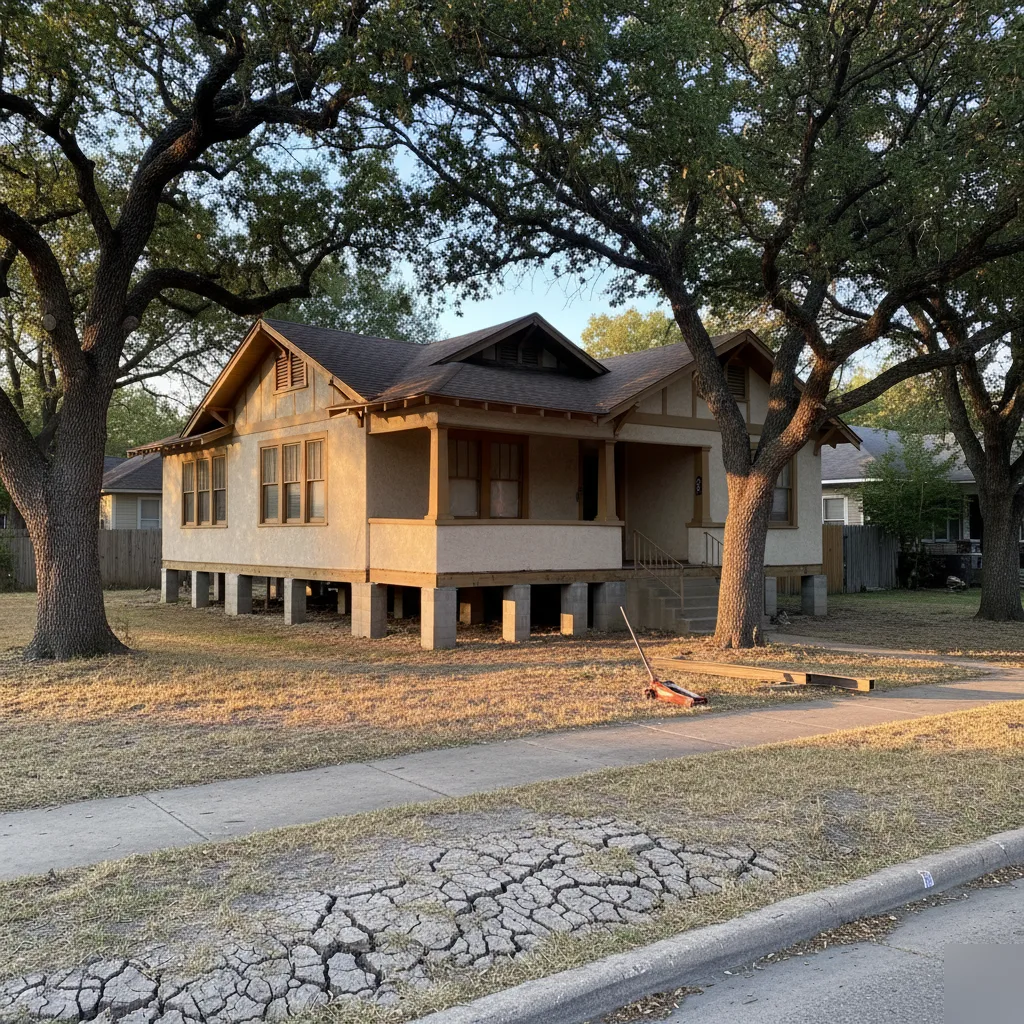
House raising is a bigger move. We're physically lifting the entire structure higher off the ground. The home goes up, and it stays up. This changes the elevation of your living space permanently. Here's when house raising makes more sense than leveling:

  • Your home sits in a flood-prone area and you need to meet new elevation requirements
  • You want to add livable space underneath the structure
  • The existing foundation is too damaged to repair in place, so we lift the house, rebuild below it, then set it back down
  • You're converting a slab foundation to a pier and beam system

Here's the part most people don't realize. A house raising project often includes leveling work too. Once we've lifted the structure, we make sure everything sits perfectly even on the new support system. The two services aren't opposites. They're more like cousins.

In older parts of San Antonio like Government Hill and the near East Side, we see homes that need both. The original foundation has shifted over decades, the home sits too low for modern drainage standards, and the whole thing needs a fresh start. That's where our years of combined experience really matter — we've handled both scenarios many times across San Antonio and know which approach fits your situation.

Not sure which one your home actually needs? That's the most common question we hear. Give us a call and we'll walk through it with you.

Why the ground keeps moving

San Antonio's Clay Soil and Why It Keeps Moving

Bexar County sits on some of the most reactive clay soil in the country. It swells when it gets wet. It shrinks when it dries out. And in San Antonio, we get both extremes — sometimes in the same month.

That constant push and pull is what moves your foundation. A homeowner calls because doors won't latch anymore, or there's a new crack running up the brick near the garage. It's the same story: the soil under the house expanded during spring rains, then contracted hard through a dry July. The foundation shifted, and now the whole structure is sitting unevenly.

Here's what makes San Antonio's soil different from what you'd find even an hour north or west:

Foundation settlement gap visible between baseboard and floor in San Antonio home
  • The clay content in neighborhoods like Southtown and the near East Side is dense and heavy, holding moisture for weeks after rain stops
  • Homes closer to the Hill Country edge, like those in Helotes and Grey Forest, sit on thinner topsoil over limestone, so drainage patterns change fast
  • Older neighborhoods with mature trees pull massive amounts of moisture from the soil, creating dry pockets right next to the foundation

If you've moved to San Antonio from out of state, this might be new to you. The soil here doesn't behave like what you're used to.

So why does this matter for house raising and lifting? Because a house that's settled unevenly can't just be patched. The soil underneath it has already proven it won't stay put. Lifting the structure lets our team address what's happening below the slab or pier and beam system, not just above it. We're correcting the position of the house itself.

With years of combined experience working in Bexar County clay, we know how this soil behaves season to season. That local knowledge matters. It's the difference between a fix that holds and one that doesn't.

Our process

The House Lifting Process From Start to Finish

People always ask us how this actually works. Fair question. House raising and lifting sounds dramatic, and it kind of is. But after years of combined experience, we've broken it down into a clear sequence so nothing gets left to chance. Here's how a typical project moves through our hands in San Antonio:

  1. 1
    Structural assessment

    We inspect your foundation, framing, and soil conditions. Bexar County clay shifts a lot, so we need to know exactly what's happening underground before we touch anything.

  2. 2
    Engineering and permits

    A structural engineer reviews the plan. We pull the right permits through the city. No shortcuts here.

  3. 3
    Utility disconnect

    Gas, electric, water, sewer — everything gets safely disconnected before we start. We coordinate this so you're not making a dozen phone calls yourself.

  4. 4
    Steel beam placement

    We install a network of steel beams beneath your home. These beams carry the entire load during the lift. Getting this right is everything.

  5. 5
    Hydraulic lifting

    Synchronized jacks raise your home slowly — inches at a time. The whole structure moves together, evenly, with constant monitoring at every corner.

  6. 6
    New foundation work

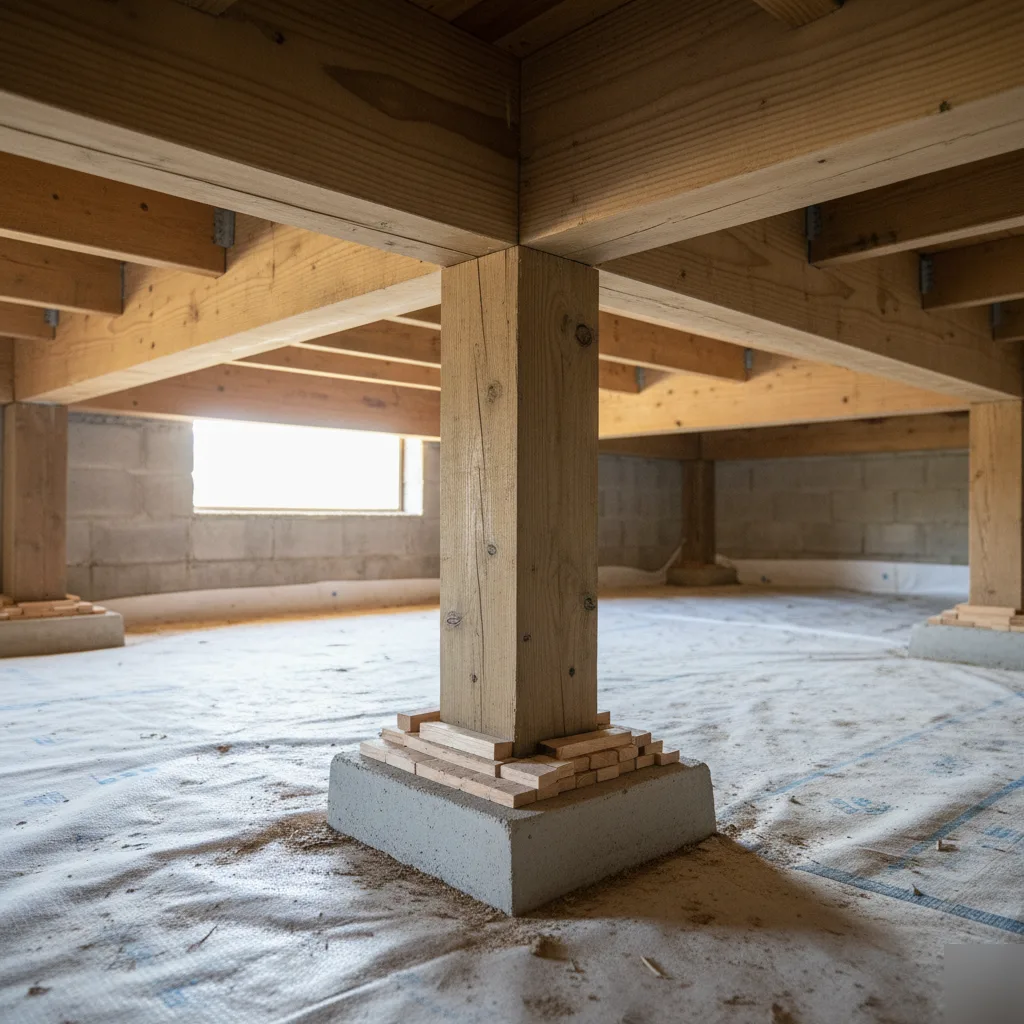
    Once the home reaches the target height, we build or repair the foundation underneath. This might involve pier and beam foundation repair, new support posts, or elevated pilings depending on your situation.

  7. 7
    Setting and reconnection

    The home gets lowered onto its new foundation. Utilities come back on. We verify everything is level and secure.

The part that surprises homeowners most is how controlled the whole thing is. There's no shaking. No cracking. Homes in historic areas like Tobin Hill have gone through this process with original plaster walls still intact.

The lift itself usually takes less time than the foundation prep beneath it. Most of the real work happens before your house ever moves an inch.

Every home in San Antonio sits on different soil, different fill, different history. That's why Bats Foundation Repair never runs a cookie-cutter process. We build the plan around your house, not the other way around.

Need help figuring out if your home is a good candidate? Give us a call.

After the lift

What to Expect After Your Home Is Lifted

Once the heavy lifting is done, the real question hits. "Is my house actually okay now?" We hear it every time. And the answer is almost always yes — but here's what happens next so you're not caught off guard.

Right after we finish the house raising and lifting process, our crew does a full walkthrough with you. We check every room. We look at door frames, windows, and interior walls. Some cosmetic cracking is normal. Think of it like this: your home just moved. Drywall and plaster show stress before anything else does. Most of those hairline cracks are surface-level and easy to patch once everything settles.

The First Few Weeks

Your home needs a short settling period after being lifted. In San Antonio's expansive clay soil, this matters more than in other parts of the country. The ground beneath your foundation will adjust to the new load distribution. During this time you might notice:

  • Doors that stick slightly or swing open on their own
  • Minor popping sounds from the frame as wood adjusts
  • Small gaps at baseboards or trim that weren't there before
  • Slight unevenness in flooring that levels out over days

None of that should alarm you. Those things resolve on their own within a few weeks. If something doesn't settle right, that's what our follow-up inspection is for.

When to Call Us Back

We tell every homeowner the same thing. Give it 30 days, then we come back out. Our team checks grade levels, pier alignment, and structural connections. In the Alamo Heights area, we've had homes where the original plumbing needed minor rerouting after a lift — not unusual for older properties, but we catch it early so it doesn't become a bigger problem.

Bexar County clay keeps shifting with the seasons. So even after a successful lift, keeping your drainage right and your soil moisture consistent protects the work we've done. Our crew will walk you through exactly what to watch for going forward.

Frequently asked questions

House raising and lifting in San Antonio, answered

How long does a house raising project in San Antonio typically take?

Most house raising projects in San Antonio take anywhere from a few days to two weeks, depending on the size of the home and what's happening below the foundation. A smaller pier and beam home in a neighborhood like Dignowity Hill might be lifted and reset in three to five days. Larger homes or those needing new foundation work underneath can run longer. We'll give you a realistic timeline after the inspection, not a guess.

Do I need to move out while my house is being lifted?

Yes, you'll need to vacate the home during the actual lifting phase. It's not safe to be inside while the structure is being raised. Most families in San Antonio make arrangements for a few days, sometimes up to a week. Utilities are typically disconnected during the lift and reconnected once the house is set back down. We walk you through exactly what to expect before we start so there are no surprises.

Will San Antonio's clay soil cause my house to settle again after it's raised?

It can, if the repair doesn't account for how Bexar County soil actually behaves. That's why lifting alone isn't enough. The support system underneath needs to reach stable ground below the reactive clay layer. Pressed steel pilings or concrete underpinning driven to the right depth stay put even when the soil above them swells and shrinks. A fix that only addresses the surface won't hold through a full San Antonio wet-dry cycle.

What should I do to prepare my home before the crew arrives?

Clear out fragile items from shelves, cabinets, and walls before the lift begins. Dishes, framed photos, and anything that can fall or shift should come down. Disconnect any freestanding appliances if your crew advises it. Outside, make sure there's clear access around the perimeter of the home. The more access the team has, the faster and cleaner the job goes. We'll give you a specific prep checklist when we schedule your project.

Can a house be raised if it's on a slab foundation?

Yes, slab homes can be raised, though the process is more involved than lifting a pier and beam structure. In some cases, we lift the house off the existing slab, rebuild or replace the foundation below, and set the structure back down. This is actually a common scenario in older San Antonio neighborhoods where the original slab has shifted beyond repair. It's a bigger project, but it gives the home a solid, corrected foundation instead of a patched one.

How do I know if my home needs raising versus a standard leveling repair?

If your floors slope and doors stick but the home's elevation is fine, leveling is usually the right call. House raising makes sense when the structure needs to go higher permanently, like when drainage or flood requirements demand it, or when the existing foundation is too far gone to repair in place. A lot of San Antonio homeowners don't know which one they need until someone looks underneath. That's exactly what the inspection is for — you get a real answer, not a guess.

Lift your home onto stable ground

House raising sets your home on a corrected support system. Call to book your free assessment today.