

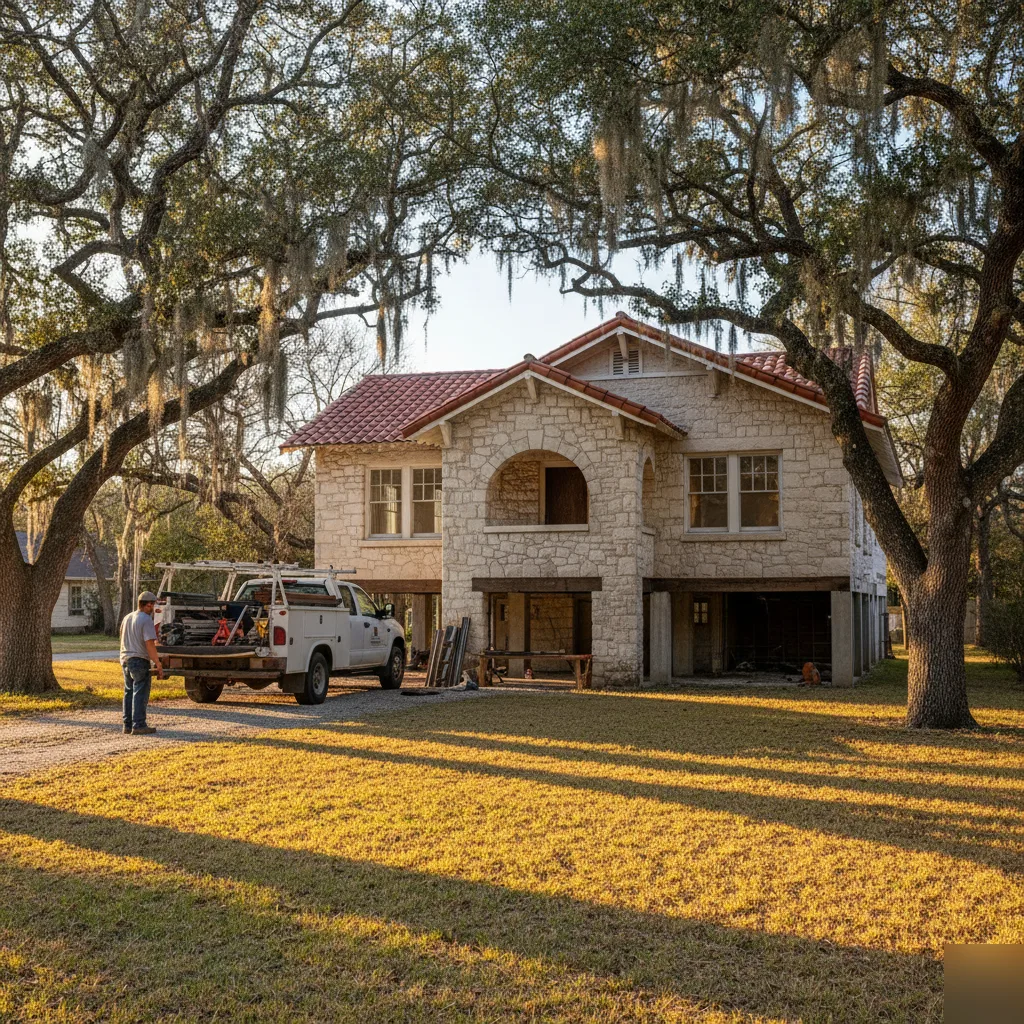
Elevated Pilings & Stilts Foundation Repair · San Antonio, TX

Elevated Pilings & Stilts Foundation Repair in San Antonio

Elevated pilings or stilts foundation repair in San Antonio done right. Bats Foundation Repair diagnoses, repairs, and restores. Call to book today.

Warning signs

Warning Signs Your Elevated Pilings or Stilts Are Failing

You might not think about your pilings every day. Most folks don't. But your house is trying to tell you something long before a real crisis hits.

The tricky part with elevated foundations in San Antonio is that Bexar County's expansive clay soil shifts constantly. It swells when we get heavy rain, then shrinks during those brutal dry stretches. That cycle puts enormous stress on pilings over time. As an experienced construction company in Texas, we see this every week on jobs across the south side and out near Helotes.

Here's what to watch for:

  • Floors that feel bouncy, soft, or uneven when you walk across them
  • Visible tilting or leaning of the structure, even slightly
  • Cracks forming around door frames, windows, or where walls meet ceilings
  • Doors and windows that suddenly stick or won't latch properly
  • Gaps appearing between the ground and your support posts

Some of these seem minor. A sticky door doesn't scream "foundation failure." But when someone calls us about a door that won't close right on an elevated home, the pilings are usually the real problem. The door is just the messenger.

One thing we run into a lot is wood rot on older timber pilings. You can't always see it from the outside. The piling looks fine at ground level, but below the surface or at the connection point, it's deteriorating fast. Moisture gets trapped against the wood, especially during San Antonio's humid summers, and the damage spreads quietly.

Not sure if what you're seeing is actually a piling issue? That's pretty common. A lot of homeowners assume their floors are just "old" or that cracks are cosmetic. Sometimes they are. But with 40 plus years of combined experience, our team at Bats Foundation Repair can tell the difference in a single inspection. The sooner you catch it, the simpler the fix. Waiting turns a manageable repair into something much bigger.
How San Antonio soil stresses elevated foundations

How San Antonio's Soil and Terrain Stress Elevated Foundations Differently

Bexar County clay soil doesn't behave like dirt in other parts of the country. It swells when it's wet and shrinks when it's dry. In San Antonio, we bounce between heavy rain and drought sometimes in the same month. That cycle puts constant pressure on piling and stilt systems in ways most homeowners don't expect.

Here's what we see happening to elevated foundations across San Antonio:

  • Clay expansion pushes against pilings laterally, shifting them out of plumb over time
  • Drought causes soil to pull away from stilts, removing the friction that keeps them stable
  • Slope erosion on hilly lots near areas like Alamo Heights washes away the soil that supports piling bases
  • Tree root systems grow into the gaps around stilts and slowly force movement

A homeowner calls because their floors feel uneven or a door won't latch anymore and they assume the house is just settling. It's the soil doing something aggressive underneath.

San Antonio sits on a mix of geological zones. The north side has more limestone near the surface. The south and east sides sit on deeper expansive clay. That means two homes five miles apart can have completely different soil behavior under their elevated foundations. A fix that works near Castle Hills might not be the right approach for a property closer to the south side. Our team has worked across every soil condition in Greater Bexar County, so what to look for before we ever pick up a tool.

Terrain matters just as much. Lots with even a slight grade change put uneven loads on stilts. Water runs downhill and pools around the lower pilings, creating soft spots right where you need the most support. It's a problem that gets worse slowly, then all at once.

Once you understand what San Antonio's ground is doing to your foundation, you can fix it the right way. Not a guess. A real solution matched to your soil.

What the repair involves

What Elevated Piling Repair Actually Involves, Step by Step

People ask us about this process all the time. They want to know what's going to happen under their house before they commit. Fair enough. Here's how our team at Bats Foundation Repair handles stilt and piling foundation repair from start to finish. Every job in San Antonio starts the same way. We get under the structure and look at everything with our own eyes. No shortcuts.

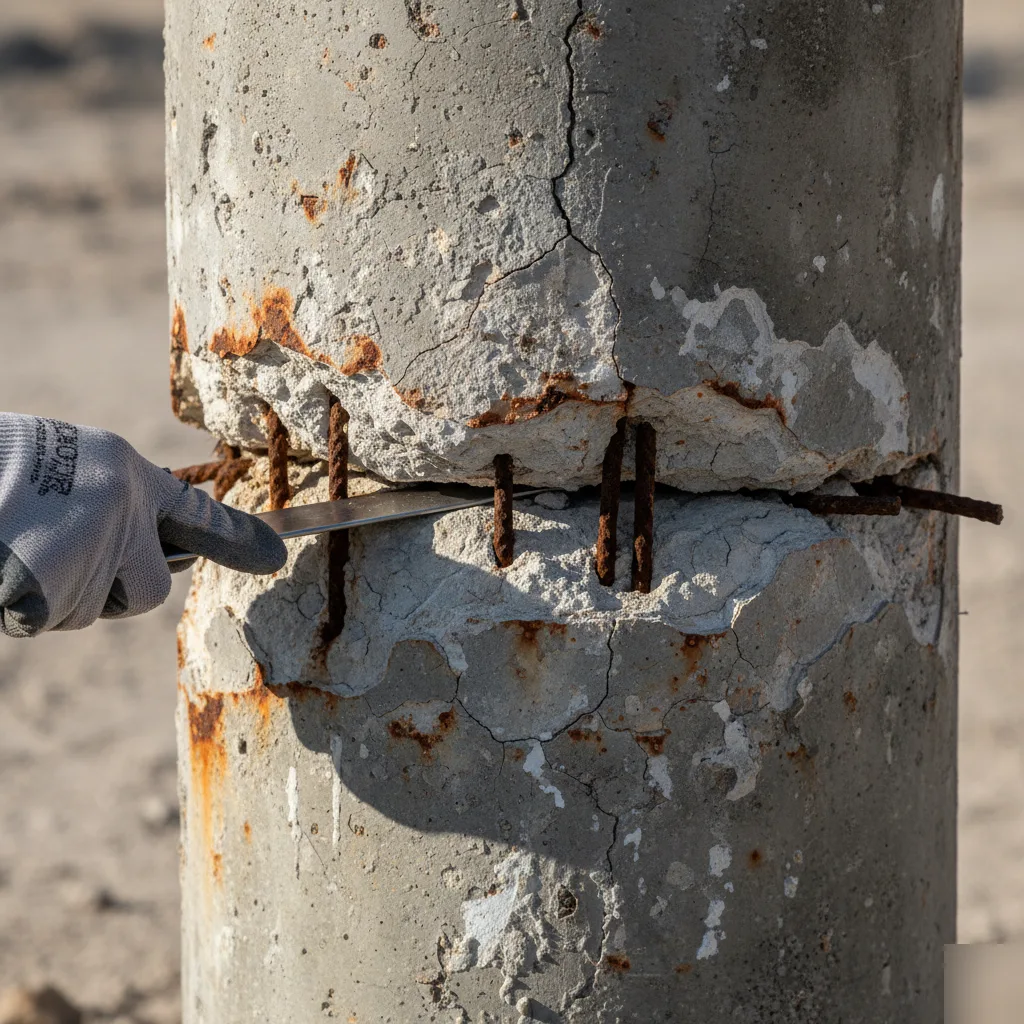
Failing concrete piling with crack and exposed rebar being inspected in San Antonio
  1. 1
    Full structural assessment

    We inspect every existing piling, beam, and connection point. We're checking for rot, shifting, cracking, and settlement. We also test the soil conditions around each piling because Bexar County clay does unpredictable things after long dry spells.

  2. 2
    Engineering layout

    Based on what we find, we map out exactly where new pilings need to go and which existing ones can stay. This isn't guesswork — it's based on load calculations and the specific soil profile at your property. Piling depth and placement must meet the Pier and Pile Foundations Code standards that govern how deep and how load-bearing each piling must be.

  3. 3
    Site prep and access

    We clear the work area beneath the structure. In neighborhoods like Dignowity Hill with older elevated homes, access can be tight. Our crew knows how to work in those spaces without tearing up your yard or landscaping more than necessary.

  4. 4
    Piling installation

    We drive or set new pilings deep enough to reach stable ground below the reactive clay layer. Each one gets positioned to carry its share of the structural load.

  5. 5
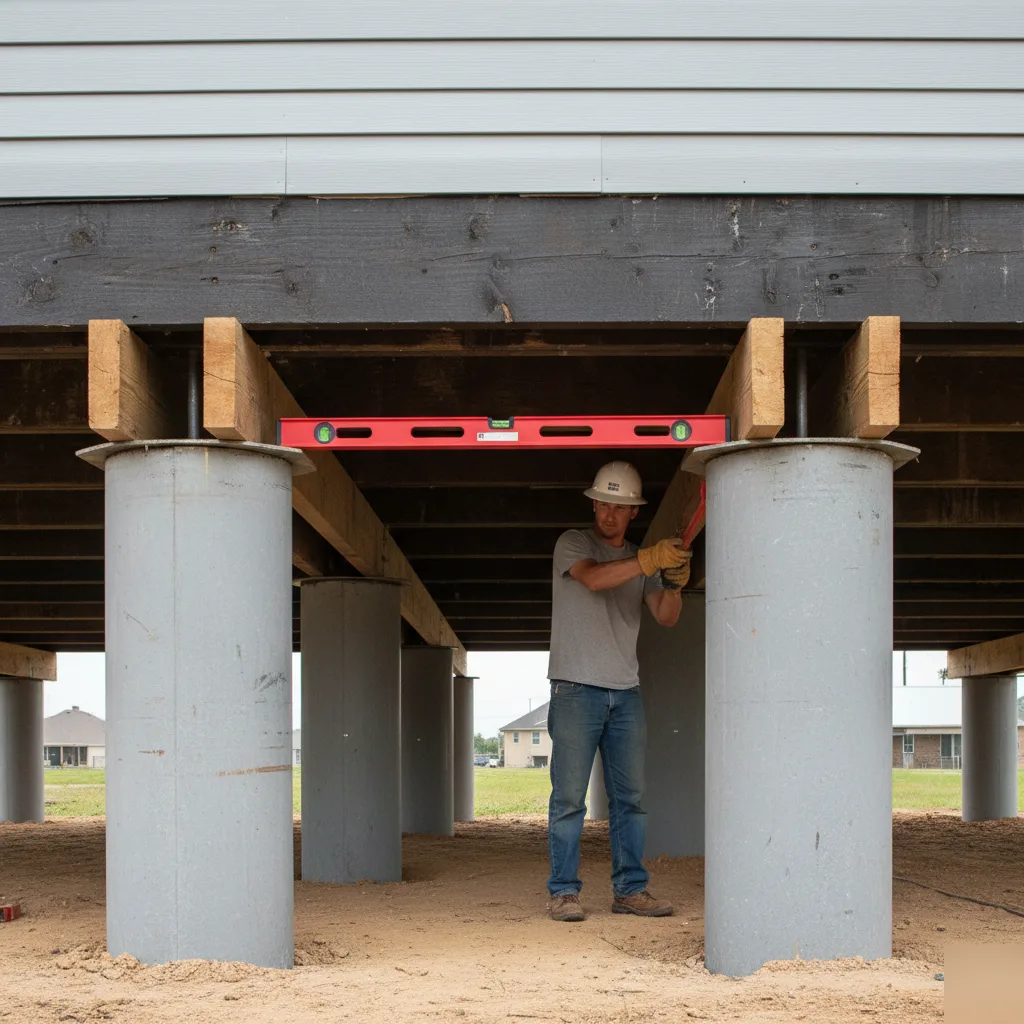
    Leveling and shimming

    Once pilings are in place, we lift the structure back to level. We use precision equipment to get this right. Even a quarter inch matters when you're trying to close gaps in door frames and stop floor bounce.

  6. 6
    Final check and verification

    We measure everything again. Elevation readings, beam alignment, connection integrity. Nothing gets signed off until the numbers match what they should.

The whole process usually takes a few days for a standard home. Bigger structures or severe damage can take longer. But we don't rush it. The homeowners who call us back with problems hired someone who cut corners on steps two and three.

With 40 plus years of combined experience, our team has seen just about every variation of this work across San Antonio. That matters when surprises show up mid-job.

Why permits matter

Why Skipping the Permit Is a Costly Mistake in San Antonio

We get this question a lot. "Do I really need a permit for stilt or piling foundation repair?" Yes. Every time.

San Antonio's Development Services Department requires permits for structural foundation work. That's not a suggestion. It's city code. And skipping the permit doesn't save you money. It costs you more down the road.

What Happens Without a Permit

We've walked onto properties near Alamo Heights where a previous contractor did stilt work with no permit and no inspection. The homeowner thought everything was fine. Then they tried to sell the house. The buyer's inspector flagged unpermitted structural work, the deal fell apart, and now they're paying to have the whole job redone to code. That's a nightmare nobody needs.

Here's what's at risk when you skip the permit process:

  • The city can issue stop-work orders and fines that add up fast
  • Your homeowner's insurance may deny claims tied to unpermitted work
  • Future buyers or their lenders can refuse to close on the sale
  • You lose any legal recourse if the contractor did substandard work

The contractor who tells you "we don't need a permit for this" is the same one cutting corners on the actual repair. That should tell you something.

How We Handle Permits

Our team at Bats Foundation Repair pulls the permits before we start. We coordinate with San Antonio inspectors at every required checkpoint and don't close out a job until the final inspection passes. With 40 plus years of combined experience in Bexar County, what the city expects and which inspectors cover which districts. We've done this hundreds of times.

A permitted job creates a paper trail that protects your investment. It proves the work was done right and gives you documentation you can hand to any future buyer, any insurance adjuster, any appraiser. That piece of paper is worth more than most people think.

Don't let anyone talk you into skipping it. The permit exists to protect you, not slow you down.

Protecting your investment

Protecting Your Elevated Foundation After Repair

The repair itself is only half the job. What you do after we finish matters just as much as the work itself. We tell every homeowner in San Antonio the same thing: protect what you just invested in.

Bexar County's expansive clay soil doesn't stop moving just because your pilings are in place. That soil will keep swelling when it rains and shrinking during drought. Your elevated foundation can handle it now, but you've got to manage the moisture around your property to keep things stable long-term.

Moisture Control Is Everything

The homeowners who call us back years later skipped this part. Here's what we recommend after every piling and stilt foundation repair job:

  • Keep gutters clean and direct downspouts at least four feet from your foundation
  • Use soaker hoses during dry spells to maintain even soil moisture around the perimeter
  • Grade the soil so water flows away from the structure, not toward it
  • Trim tree roots that creep too close to your piling locations

That last one catches people off guard. Big live oaks near homes in neighborhoods like Alamo Heights can pull massive amounts of water from the soil. The ground contracts, and that puts lateral pressure on your pilings over time.

Annual Inspections Save You Money

We recommend a quick visual check once a year. Walk the crawl space if you can access it. Look at each piling for signs of rust, shifting, or new gaps between the beam and the pier cap. Check your floors inside for any new unevenness.

Don't wait if something feels off. A small adjustment early costs far less than a full re-level later. With 40 plus years of combined experience, our team at Bats Foundation Repair has seen what happens when folks ignore early signs.

Most of our San Antonio customers never need us again after the initial repair. That's the goal. But knowing what to watch for puts you in control of your home's long-term health instead of reacting to problems down the road.

Frequently asked questions

Elevated pilings and stilts repair in San Antonio, answered

How do I know if my elevated home's pilings are failing or if it's just normal settling?

Bouncy floors, sticking doors, and gaps between your support posts and the ground are signs your pilings need attention — not just age. Normal settling happens slowly and evenly. Piling failure shows up in specific spots. In San Antonio, expansive clay soil speeds this process up. The soil swells with rain and shrinks in dry spells. That constant movement stresses pilings in ways that look like "old house quirks" but are actually structural warnings. A professional inspection will tell you which one you're dealing with.

Does San Antonio's clay soil affect elevated foundations differently than other foundation types?

Yes, and it's one of the biggest factors we see on elevated homes across Bexar County. Clay soil pushes against pilings sideways when it swells, then pulls away when it dries out. That back-and-forth removes the friction that keeps stilts stable. Homes on the south and east sides sit on deeper expansive clay, which makes this worse. Limestone-heavy areas on the north side behave differently. Your soil type matters when choosing the right repair approach — a fix that works near Castle Hills may not be right for a south side property.

How long does elevated piling repair typically take to complete?

Most standard elevated homes in San Antonio take a few days to complete from inspection through final verification. The timeline depends on how many pilings need replacement, how severe the damage is, and how tight the access is under your structure. Older elevated homes in neighborhoods like Dignowity Hill can take longer because the workspace is tight. Severe rot or significant structural shifting adds time too. We don't rush the leveling and shimming phase — even a quarter inch off can leave you with doors that still won't close right.

What should I expect when a technician comes out to inspect my stilts or pilings?

Your technician will get under the structure and physically inspect every piling, beam, and connection point. They're looking for rot, shifting, cracking, and soft spots in the soil around each post. In San Antonio, wood rot on older timber pilings is common — it often hides below ground level where you can't see it from outside. The inspector will also check soil conditions around each piling because Bexar County clay behaves differently after a long dry stretch. Expect the inspection to be thorough, not a quick glance from the yard.

Can tree roots near my stilts cause foundation problems on an elevated home?

Yes, and it's more common than most homeowners expect. Tree root systems grow into the gaps around stilts and slowly force movement over time. We see this regularly on San Antonio properties with mature live oaks or other large trees close to the structure. The roots don't have to be massive to cause a problem — steady pressure over several years shifts pilings out of plumb. If you have big trees near your elevated home and you're noticing uneven floors or sticking doors, the roots may be part of the issue worth checking during an inspection.

Stabilize your elevated home before it gets worse

Failing pilings get worse with every weather cycle. Call to book your free elevated foundation inspection today.