
Why San Antonio Slabs Crack and Sink
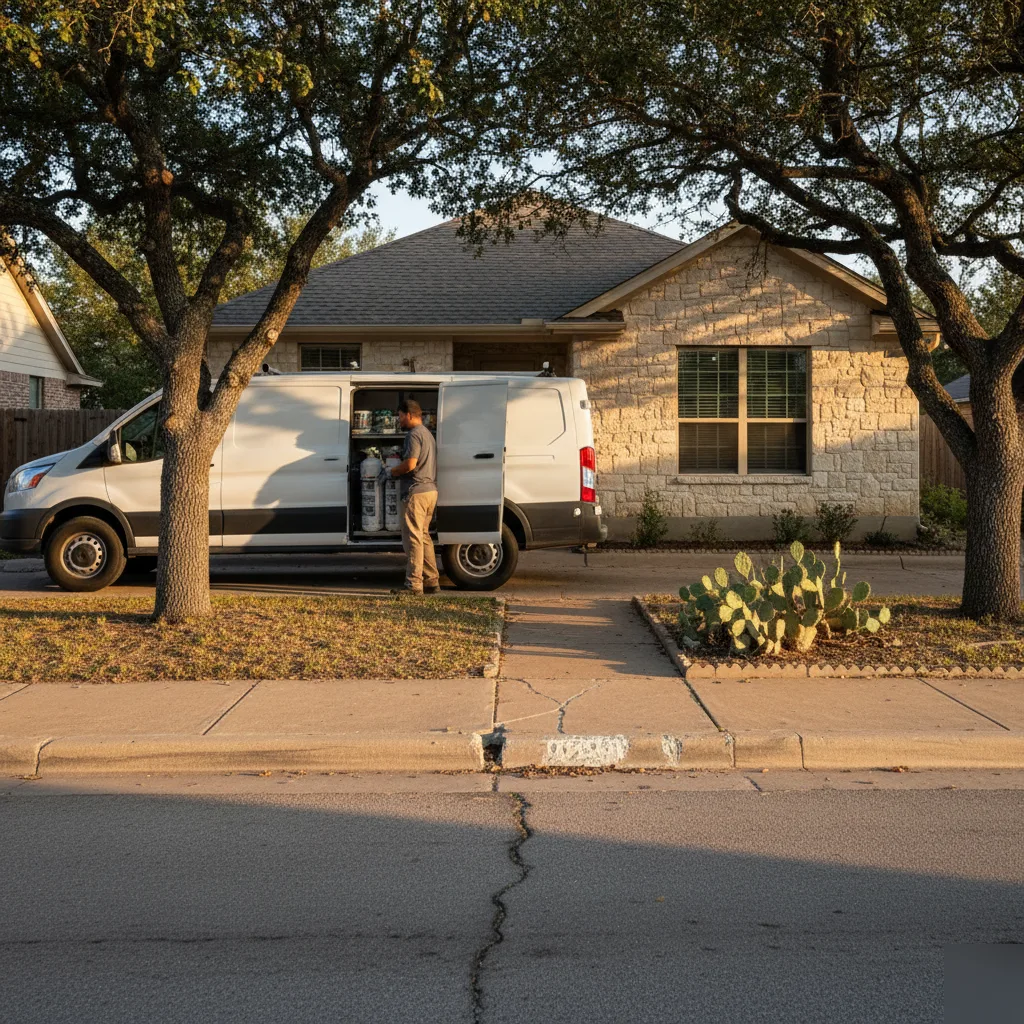
Bexar County sits on some of the most reactive clay soil in the country. That's the root of almost every concrete slab problem we see across San Antonio. The soil here swells when it gets wet and shrinks when it dries out. Your slab doesn't move with it evenly — it moves in pieces.
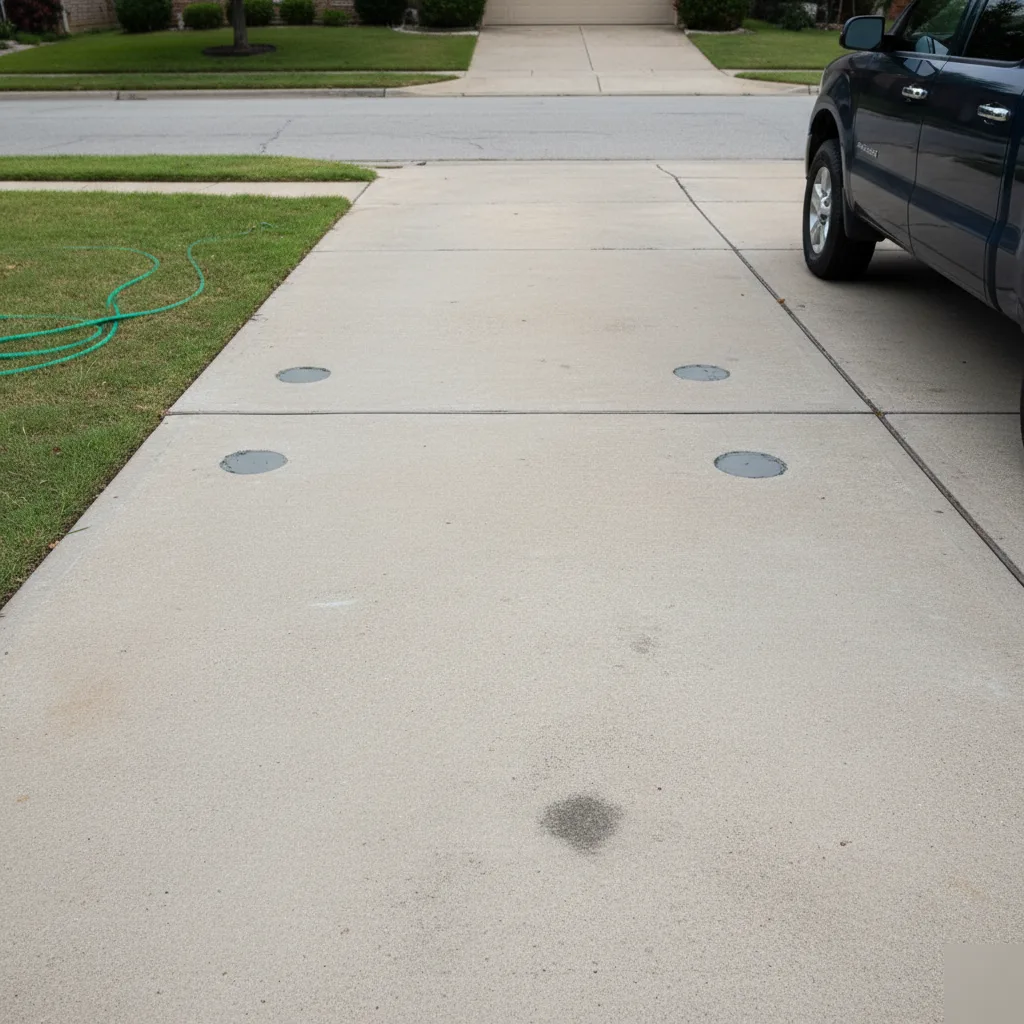
We get calls about this constantly from homeowners over near Alamo Ranch and all through the Medical Center area. Same story every time. A door that used to close fine now sticks. A crack appeared in the living room floor that wasn't there last summer. The garage slab dipped on one side.
So what actually causes the damage? A few things working together:
- Expansive clay soil that swells after heavy rain and contracts during San Antonio's long dry stretches
- Poor drainage around the foundation that lets water pool and saturate the soil unevenly
- Tree roots pulling moisture from one side of your slab while the other side stays wet
- Original soil prep issues where the ground under the slab wasn't compacted right before the pour
It's the soil. San Antonio is one of the fastest-growing cities in the U.S., and a lot of new residents moving here from other states don't realize how different our ground behaves. Clay soil in Bexar County can shift inches in a single season, and that kind of movement puts enormous stress on a concrete slab.
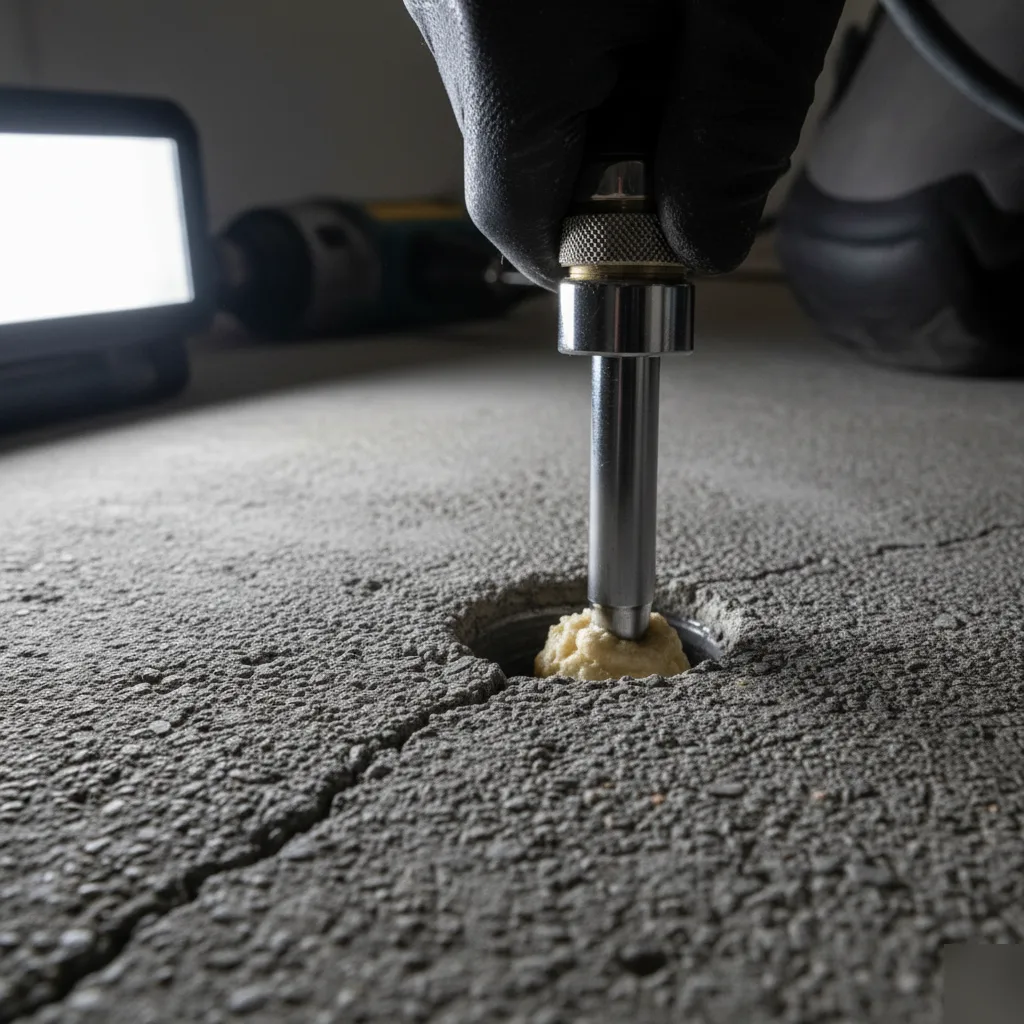
And here's something worth knowing. Once a slab starts settling unevenly, water can find its way into the gap, and that tends to keep the movement going. Catching it early usually means a straightforward concrete slab crack repair rather than a larger structural fix later on. Bats Foundation Repair has years of combined experience working specifically with San Antonio's soil conditions. That local knowledge matters when it's time to figure out what's going on under your slab.