
Concrete Slab Foundation Repair · San Antonio, TX

Concrete Slab Foundation Repair in San Antonio

Concrete slab foundation repair in San Antonio done right. Bats Foundation Repair diagnoses cracks, settling, and shifting before damage spreads. Call to book.

Warning signs

Warning Signs Your Slab Foundation Needs Attention Now

Most people don't wake up thinking about their foundation. They notice something small. A crack running along the wall above a doorframe. A door that used to close fine but now sticks. And then they wonder if it's been like that for a while.

We provide concrete slab services you can count on. Homeowners call us after months of ignoring little clues, not realizing those small signs point to real movement underneath the slab. Bexar County's expansive clay soil swells when it's wet and shrinks when it dries out. That constant push and pull puts serious stress on concrete slab foundations, especially during our long dry summers.

Here's what to watch for:

  • Cracks in interior drywall, especially diagonal cracks near windows and doors
  • Gaps forming between walls and ceilings or walls and floors
  • Doors and windows that stick, won't latch, or swing open on their own
  • Uneven or sloping floors you can feel when you walk across a room
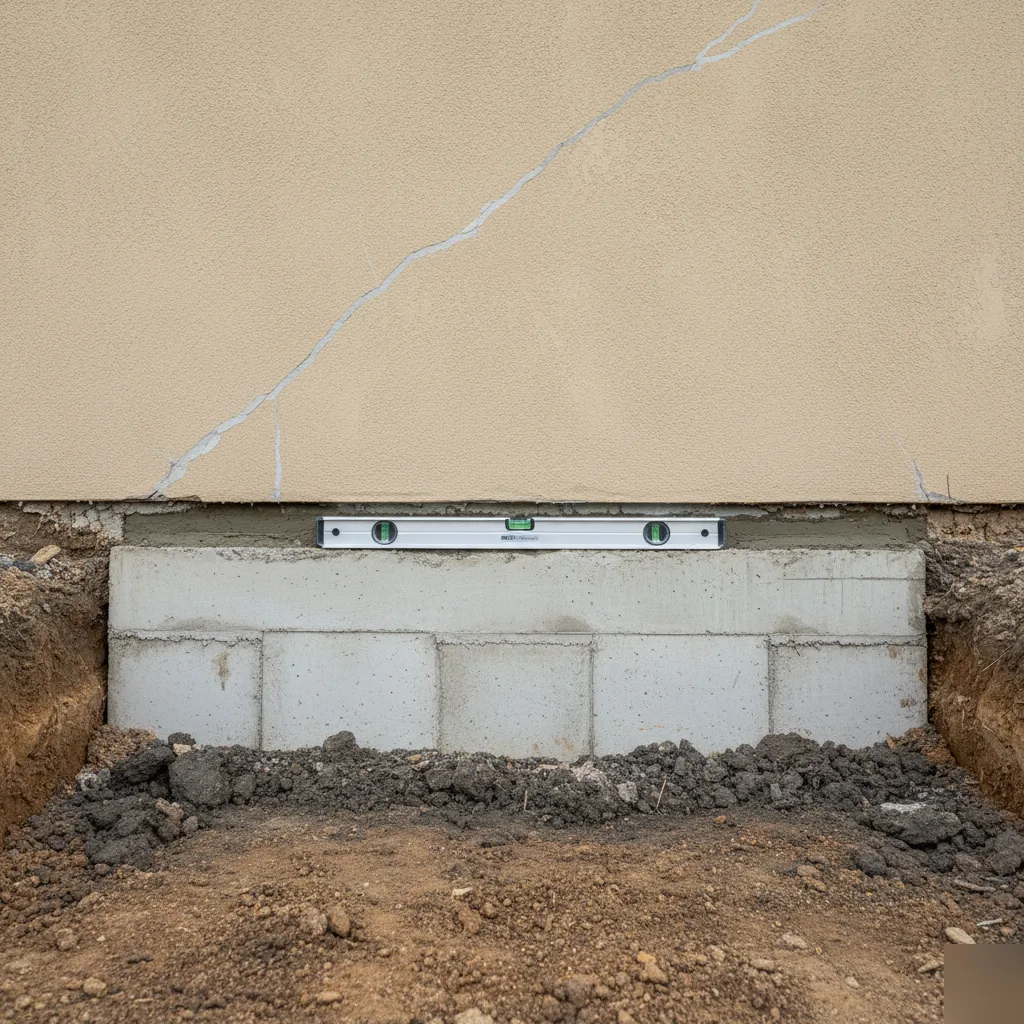
  • Cracks in the exterior brick or stone veneer, particularly stair-step patterns in mortar joints

One crack by itself might not mean much. But two or three of these showing up together? That's your foundation talking to you. Over in the Alamo Ranch area, we've worked on homes less than ten years old that already showed serious settlement. New construction doesn't make you immune.

And here's the thing most folks don't realize: waiting costs more. A small area of settlement that needs two or three piers today could turn into a job needing eight or ten if you let another year go by. With over 40 years of combined experience, our team at Bats Foundation Repair can tell you quickly whether what you're seeing needs action or just monitoring.

The root cause

Why San Antonio Clay Soil Keeps Attacking Concrete Slabs

Most folks who move to San Antonio don't think about dirt. But the soil under your home is doing more work than you'd ever guess. Bexar County sits on heavy expansive clay, and that clay swells when it gets wet and shrinks when it dries out. Your concrete slab is caught right in the middle of that constant push and pull.

We hear it constantly. A homeowner notices a crack running across the living room floor or a door that won't latch anymore. They think the house is just settling. But it's not settling. It's moving, because the ground underneath won't stay still.

Here's what makes San Antonio's soil so tough on foundations:

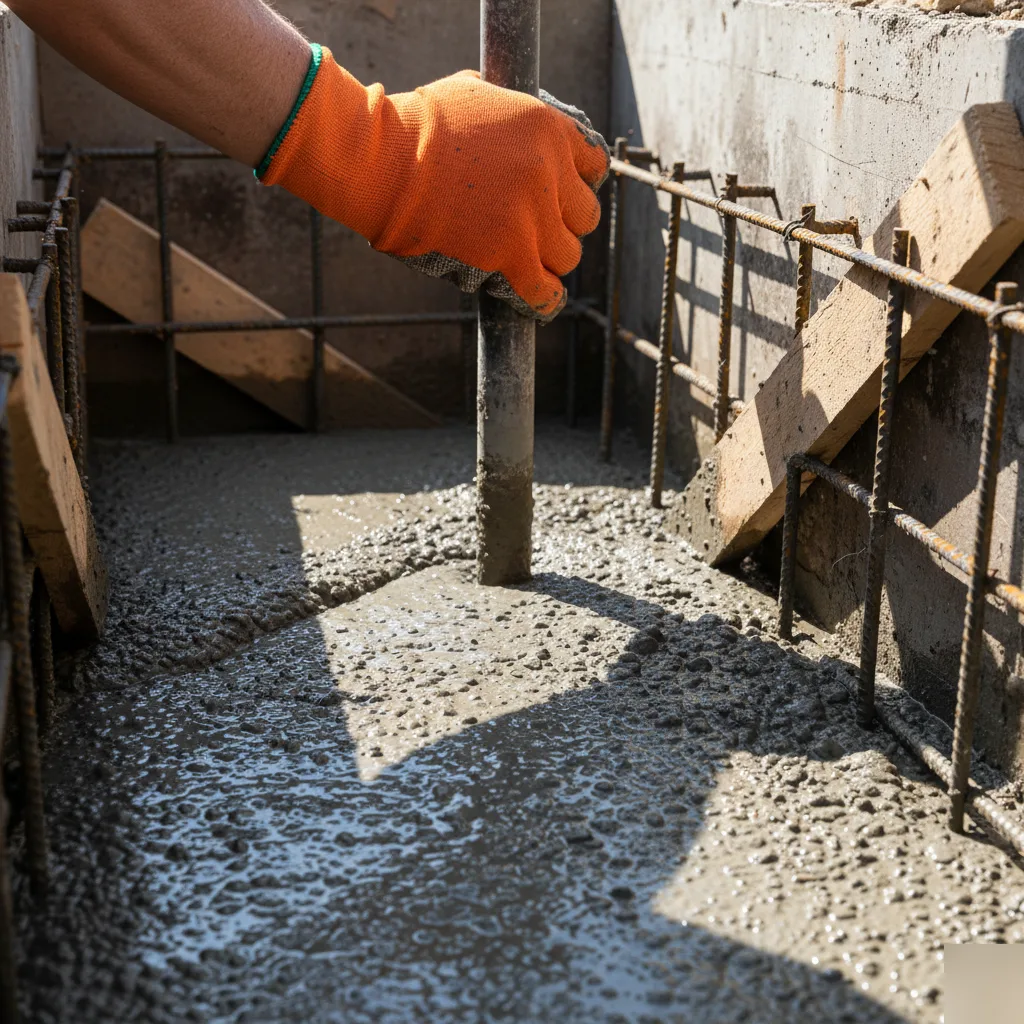
Epoxy injection nozzle detail for slab crack repair in San Antonio
  • The clay content in Bexar County can expand by 30% or more when saturated after a heavy rain
  • Long dry stretches cause the soil to contract and pull away from the slab edges
  • Plumbing leaks under the slab create uneven moisture pockets that shift soil in random spots
  • Poor drainage around the home sends water pooling against one side of the foundation

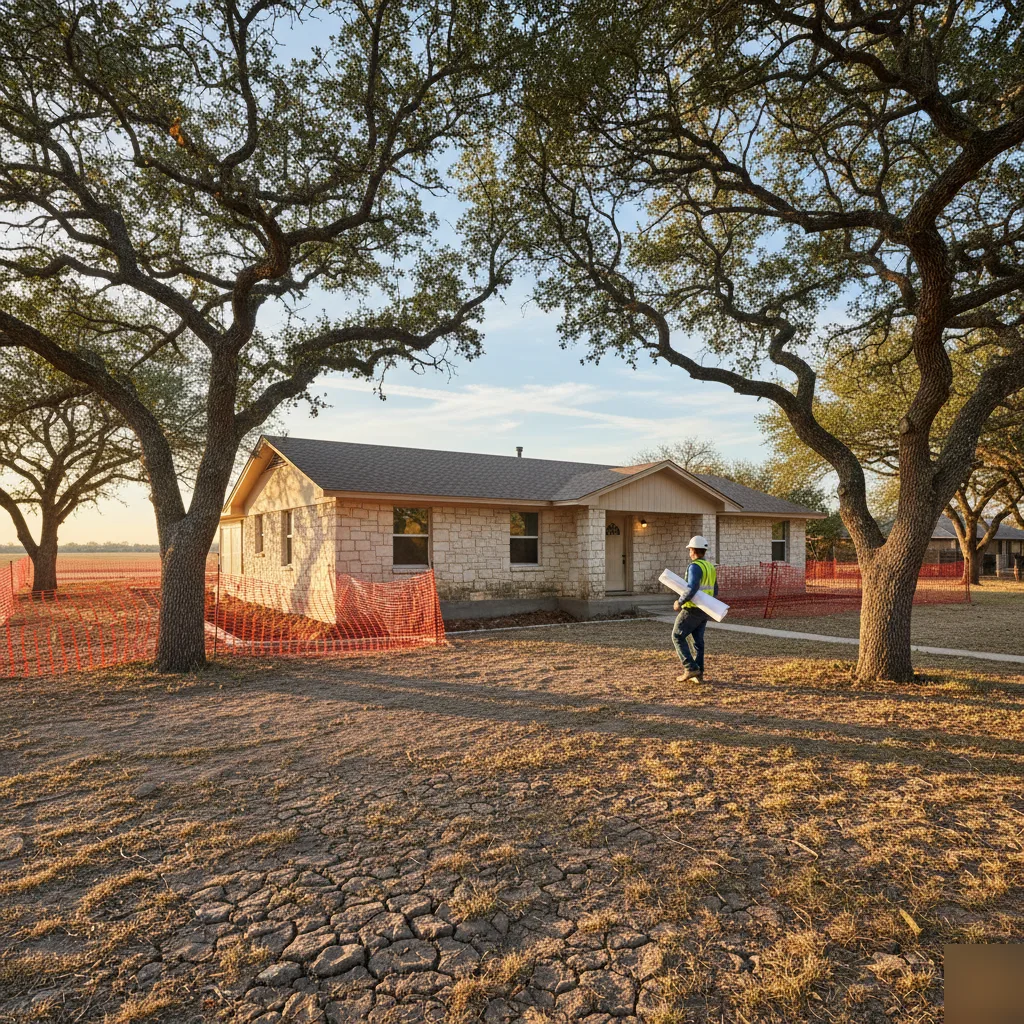
According to the American Society of Civil Engineers, expansive soils cause more financial damage to structures in the U.S. each year than floods, hurricanes, and earthquakes combined. San Antonio is right in the heart of that problem zone. Think about neighborhoods like Alamo Ranch on the far west side — homes built on freshly graded lots where the clay was disturbed during construction. Over in older areas near downtown, you've got decades of drought and flood cycles that have already done their damage.

The clay doesn't stop. It doesn't reach a point where it's done moving. Every season brings another cycle of wet and dry, and every cycle puts more stress on your slab. Our team at Bats Foundation Repair has over 40 years of combined experience reading San Antonio's soil conditions, and that local knowledge changes everything about how we approach your home.

Our process

How Concrete Slab Foundation Repair Actually Works

People ask us this all the time. They've seen the cracks, felt the uneven floors, maybe noticed a door that won't latch anymore. But they don't know what actually happens once our crew shows up. So let's walk through it.

Every job in San Antonio starts the same way. We look at your slab, measure the elevation at multiple points, and figure out exactly where the foundation has shifted. That part matters more than anything else. A wrong diagnosis means wasted money and problems that come right back.

The Step-by-Step Process

  1. 1
    Mark pier locations

    We mark pier locations along the affected areas of your slab, usually spaced about six to eight feet apart.

  2. 2
    Drill access holes

    Small access holes are drilled through the concrete at each marked point.

  3. 3
    Drive pilings to stable depth

    Steel or concrete pilings are driven down through the unstable Bexar County clay until they hit load-bearing soil or bedrock.

  4. 4
    Lift the slab

    Hydraulic jacks lift the slab back toward its original position.

  5. 5
    Lock, patch, and verify

    The pilings are locked into place with steel brackets, the holes are patched, and we verify elevation readings one more time.

The whole process usually takes one to two days for most homes. You can stay in your house while we work. That heavy clay soil expands when it's wet and shrinks when it's dry, so your slab doesn't just settle once — it moves with the seasons. That's why we drive those pilings deep past the active soil zone. We're anchoring your home to something that doesn't move. The International Residential Code foundations chapter outlines the minimum standards for foundation depth and bearing capacity that guide how this work is done correctly.

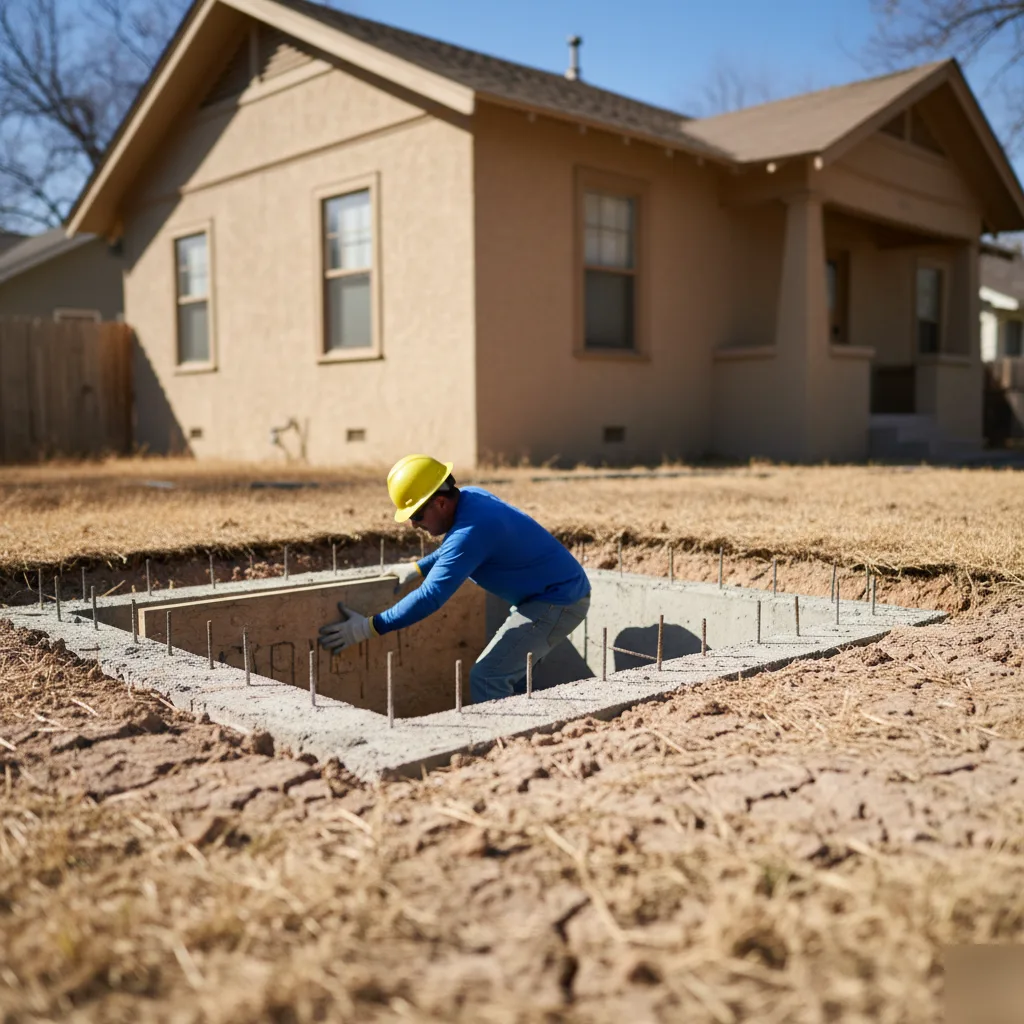
Concrete slab foundation repair isn't about pouring new concrete over the problem. That's a mistake we've seen other contractors make. The fix happens underneath. The slab itself is usually fine once it's back in position and properly supported.

What others skip

The Repair Step Most Contractors Skip: Under-Slab Plumbing

Here's something we run into constantly. A homeowner in San Antonio gets their slab leveled, everything looks great for six months, then the same cracks come back. Why? Because nobody checked the plumbing underneath.

Your concrete slab sits right on top of your water and drain lines. In Bexar County's expansive clay soil, a small plumbing leak under your slab can do more damage than a decade of drought cycles. That water saturates the clay in one concentrated spot, the soil swells unevenly, and your foundation shifts all over again.

A lot of contractors will lift your slab, install piers, and call it done. But if there's an active leak feeding moisture into the ground below, you're just resetting a timer. The real fix means looking at the whole picture.

What We Check Before Any Lift

Before we touch a pier or a pump, our team runs a static hydrostatic plumbing test on every job where we suspect moisture issues. It's straightforward:

  • We isolate your water supply and cap all drain access points
  • We fill the drain system and monitor water levels for a set period
  • If levels drop, there's a leak under the slab
  • We pinpoint the location so repairs happen before foundation work begins

Skipping this step is like putting a new roof on a house with a cracked chimney. It looks right but won't last. Homes in neighborhoods like Alamo Ranch and Stone Oak sit on particularly reactive clay. A pinhole leak in a cast iron drain line can go unnoticed for years, slowly washing out the soil support beneath your slab. With over 40 years of combined experience, our crew at Bats Foundation Repair won't sign off on a job until we're confident the cause is handled, not just the symptom. Need help figuring this out? Give us a call.

Hiring advice

What to Ask Before Hiring a Slab Foundation Repair Contractor

You've got cracks in your walls. The doors stick. Now you're looking at contractors online, and every one says they're the best. So how do you actually tell?

Start with the right questions. Not the ones they want you to ask. The ones that protect you. Here's what we'd tell a friend to ask any contractor before signing anything:

Concrete slab foundation repair crack injection work in San Antonio
  • Are you licensed and insured in Bexar County?
  • Do you do your own structural assessments, or do you sub that out?
  • What method are you recommending, and why?
  • How long have you been doing concrete slab foundation repair in San Antonio specifically?
  • Can I see the engineering report before work starts?

We've seen homeowners in neighborhoods like Alamo Ranch sign contracts without asking a single one of these. Then they call us six months later because the work didn't hold. It's the same story every time — the first contractor skipped the assessment or used the wrong repair method for the soil conditions on that lot.

Ask how they handle surprises underground. Plumbing lines, old pier remnants, unexpected voids. A crew with over 40 years of combined experience has seen all of it. But the biggest question is simple: do they make you feel rushed, or do they take time to explain? That tells you everything. A good contractor in San Antonio wants you to understand what you're paying for. We'd rather spend 30 minutes walking you through our findings than have you feel confused after we leave.

Frequently asked questions

Concrete slab foundation repair in San Antonio, answered

How do I know if my foundation cracks are serious or just normal settling?

The key is whether the cracks are growing. A hairline crack that hasn't changed in years is very different from one that appeared last month and keeps spreading. Watch for multiple warning signs together — sticking doors, diagonal cracks near windows, and gaps between walls and ceilings all at once. One crack alone might not mean much. But when two or three of these show up together, your foundation is telling you something real is happening underneath the slab.

Why do so many San Antonio homes have foundation problems?

San Antonio sits on heavy expansive clay soil that swells when wet and shrinks when it dries out. That constant movement puts serious stress on concrete slabs, especially during long dry summers. According to the American Society of Civil Engineers, expansive soils cause more financial damage to U.S. structures each year than floods, hurricanes, and earthquakes combined. San Antonio is right in the middle of that problem zone, which means foundation movement here isn't unusual — it's almost expected without proper repairs.

Can a new home in San Antonio still have foundation problems?

Yes, and it happens more than most people expect. In areas like Alamo Ranch, homes less than ten years old can already show serious settlement. Newly graded lots disturb the clay soil during construction, and that soil keeps shifting for years after the house goes up. New construction doesn't protect you from Bexar County's expansive clay. If you're seeing sticking doors or diagonal wall cracks in a newer home, don't assume it's just the house "breaking in."

How long does a concrete slab foundation repair take?

Most homes take one to two days to complete. The crew drills access holes, drives steel or concrete pilings down through the unstable clay to load-bearing soil or bedrock, then uses hydraulic jacks to lift the slab back toward its original position. You can stay in your home while the work is done. After the pilings are locked in place, the holes are patched and elevation readings are verified one more time before the crew leaves.

Does waiting to fix a foundation problem make it worse?

Yes, waiting almost always makes the repair bigger and more involved. A small settlement area that needs two or three piers today could turn into a job needing eight or ten if you let another year go by. The slab doesn't stop moving on its own. San Antonio's clay soil goes through wet and dry cycles every season, and each cycle adds more stress. Catching the problem early means less disruption to your home and a smaller repair footprint overall.

What should I do before a foundation repair crew arrives at my San Antonio home?

Clear access to the areas around your foundation perimeter and move any furniture away from walls showing cracks. If the crew needs to work near landscaping or a fence line, let them know ahead of time. Inside, take note of which doors stick or swing open on their own — that helps the crew map out where the slab has shifted. You don't need to leave your home, but keeping pets and kids away from the work areas keeps things moving smoothly.

Waiting costs more every season

San Antonio's clay soil doesn't pause between dry spells. Every weather cycle adds stress. Call to book your free foundation assessment today.