

Tunneling · Austin, TX

Tunneling in Austin

Expert tunneling in Austin to fix plumbing and foundation issues under your slab without tearing up your floors. Get a professional assessment today.

What it does

What Tunneling Actually Does for Your Home

Most folks in Austin picture foundation repair as a big, messy job inside their house. Ripped-up tile. Jackhammered concrete. Furniture shoved into the garage for weeks. Tunneling changes all of that.

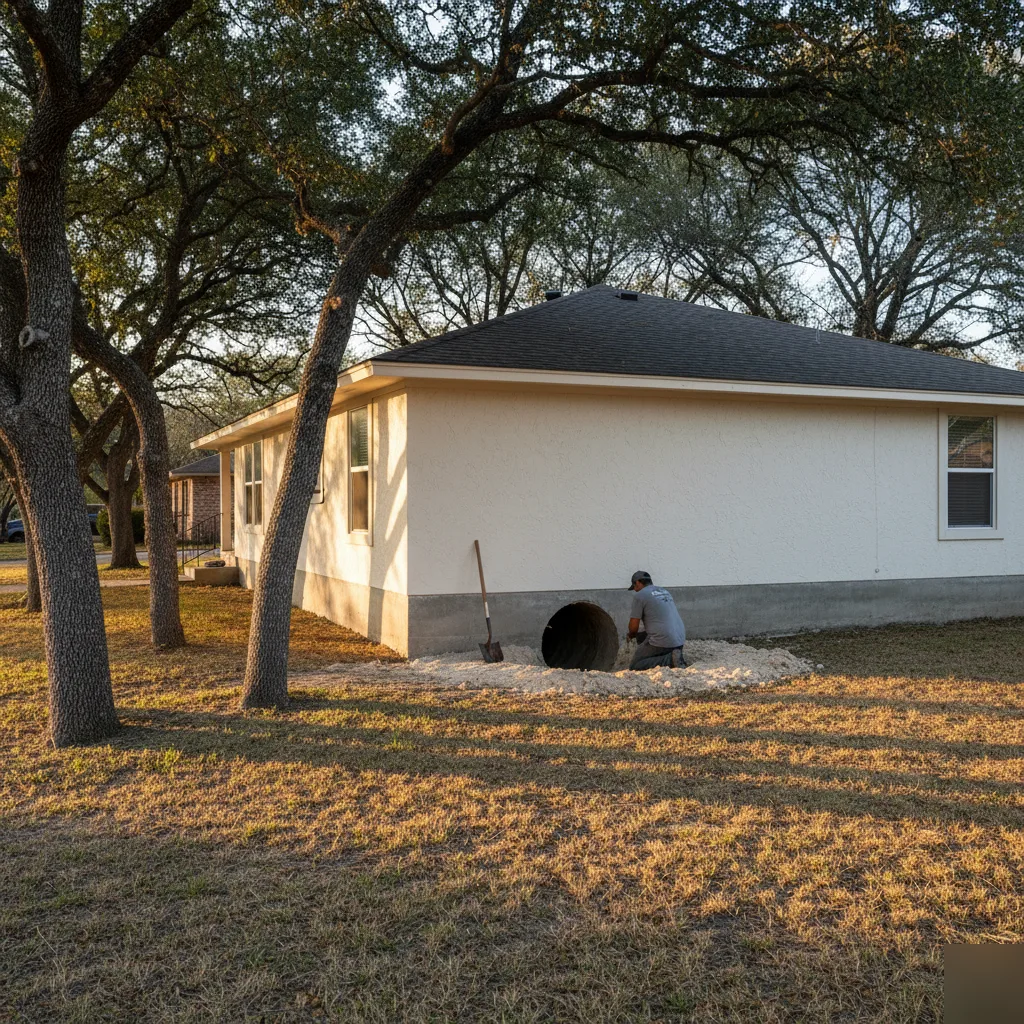
Here's the short version. We dig a tunnel underneath your slab foundation from the outside of your home. That tunnel gives our crew full access to the underside of the slab, right where the piers need to go. Your floors stay intact, your kitchen stays your kitchen, and we get the job done without tearing up a single room, as performed by a professional construction company in Austin.

So why does this matter? Think about a home in the Barton Hills area with beautiful original hardwood or custom tile throughout. The foundation has settled, doors won't close right, and cracks are spreading along the interior walls. Traditional slab pier installation would mean cutting through that flooring to reach the soil below. With tunneling, we access those same pier locations from underneath. No demolition inside. No costly floor repairs after the fact.

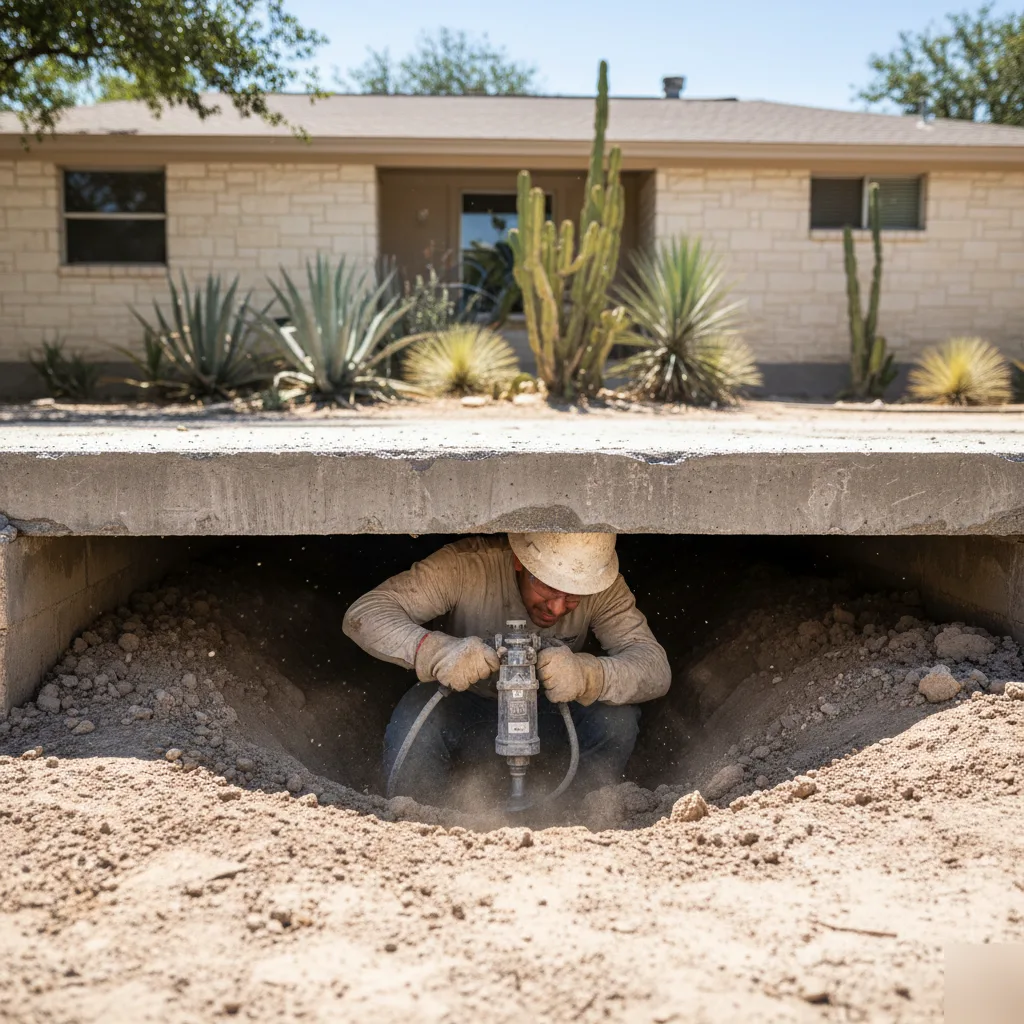
The tunnel itself is typically about three feet wide and tall enough for our crew to work safely beneath the slab. We excavate along the perimeter of the home, then extend inward to reach each pier location our structural engineer has mapped out. Once we're under there, we can install steel push piers or pressed concrete pilings depending on what the soil conditions call for.

Homeowners who call us about tunneling have often already been told by another company that their floors need to come out. That's not always true, it depends on the layout and the pier placement.
Exterior access shaft for tunneling beneath an Austin slab foundation

Tunneling works especially well when you've got:

  • Expensive or irreplaceable flooring you can't afford to lose
  • Interior plumbing repairs needed under the slab at the same time
  • Multiple pier locations clustered toward the center of the home
  • A finished home where interior access would cause major disruption

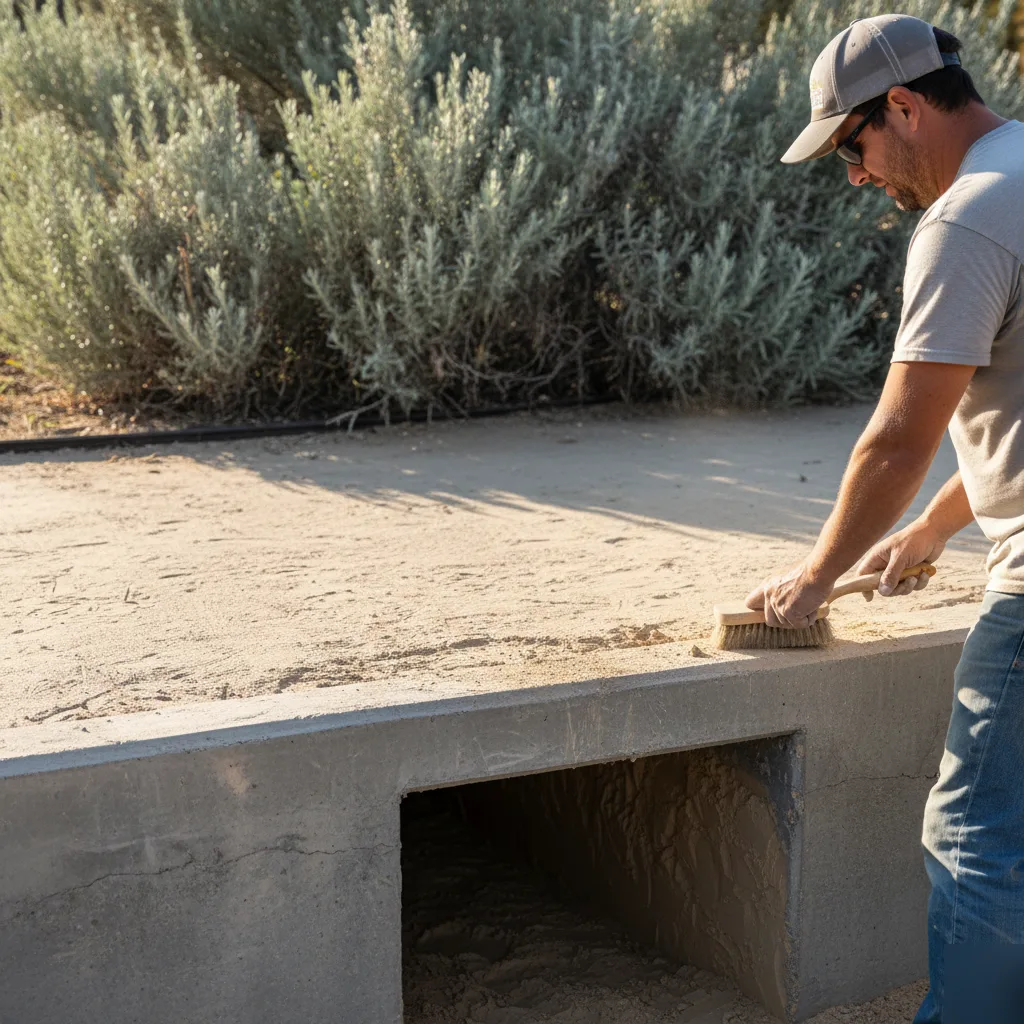
And here's something people don't always realize. Once the pier work is done and verified, we backfill the tunnel and compact the soil. Your yard recovers. Your home is level. But your living space was never touched. That's what tunneling actually does for Austin homeowners, it gives us a way to fix serious foundation problems without turning your life upside down in the process.
Under-slab plumbing

Signs Your Under-Slab Drain Line Needs Attention

Most folks don't think about the pipes running beneath their slab until something goes wrong. And by then, the damage has usually been building for months. We see this pattern constantly across Austin, especially in older homes near the Crestview and Allandale neighborhoods where cast iron drain lines have been in the ground for decades.

The tricky part is that a failing drain line under your slab doesn't announce itself with a big dramatic event. It's subtle at first. Here's what to watch for:

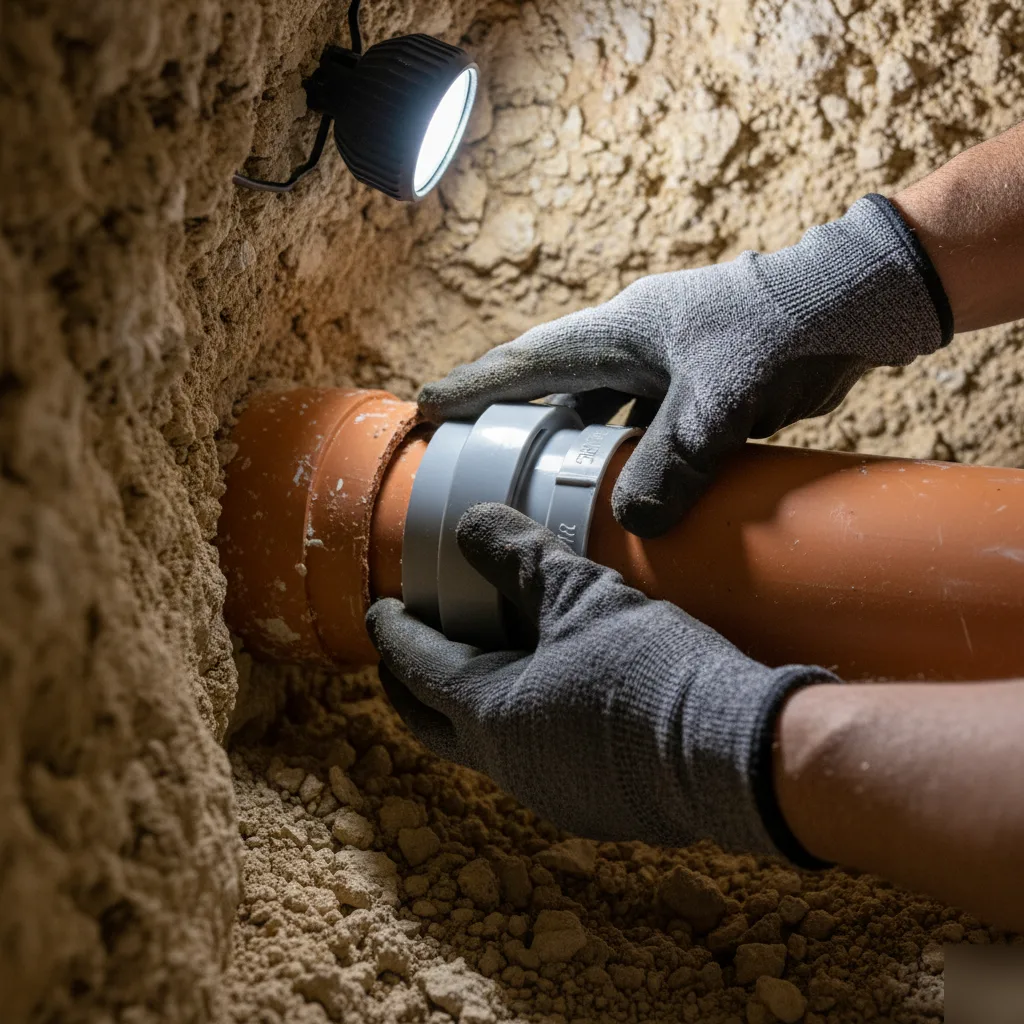
PVC coupling repair on an under-slab drain pipe inside an Austin tunnel
  • Unexplained wet spots or warm areas on your floor. Hot water lines leaking under the slab can actually make sections of tile or flooring feel warm to the touch.
  • Slow drains throughout the house, not just one fixture. If every sink and tub drains sluggishly, the problem is likely deep in the main line under the slab.
  • A faint sewage smell you can't track down. That odor seeping up through cracks in the slab is a dead giveaway.
  • Foundation cracks appearing alongside plumbing issues. Water escaping a broken line saturates the Central Texas clay soil beneath your home, causing it to swell and shift.
  • Higher-than-normal water bills with no obvious explanation. A steady leak under the slab runs 24 hours a day, and your water meter knows it even if you don't.

By the time a homeowner calls us about a possible plumbing leak under their slab, we can already see early signs of foundation movement too. The two problems feed each other. Water softens the soil, the soil shifts, the slab settles unevenly, and that settlement can crack more pipes. It's a cycle that gets worse the longer it sits.

So why does tunneling matter here? Because fixing these drain lines means getting under the slab. Traditional methods involve jackhammering through your kitchen or bathroom floor. Tunneling lets our crew access the problem from outside your home's footprint, working beneath the slab without tearing up your living space.

If you're noticing any combination of these signs in your Austin home, don't wait for the problem to get bigger. A free estimate can tell you exactly what's going on down there.

Our Process

How the Tunneling Process Works Step by Step

Folks always want to know what's actually happening under their house. Fair question. You're trusting us to dig beneath your slab foundation, so let's walk through it the way we'd explain it standing in your yard.

Every tunneling job in Austin follows a clear sequence. We don't skip steps, we don't improvise underground.

  1. 1
    Structural assessment and tunnel planning

    A structural engineer reviews the foundation damage and identifies exactly where piers need to go beneath the slab. We map out the tunnel path to reach those interior locations with the least disruption to your property.

  2. 2
    Excavation of the access point

    We dig a vertical shaft at the edge of your home's perimeter, typically about four feet wide. This is the entry point into the tunnel. Most of the time it's along an exterior wall near the worst settlement.

  3. 3
    Horizontal tunneling beneath the slab

    Our crew digs by hand beneath your foundation, creating a passage roughly three feet wide and tall enough to work in. The tunnel follows the planned route to each pier location. It's hard, physical work in Central Texas clay soil, and experience matters down there.

  4. 4
    Pier installation from below

    Once we reach the target spots, we install pressed concrete pilings or steel push piers directly under the slab. This is the whole reason for the tunnel. The piers transfer your home's weight to stable ground below the active clay layer.

  5. 5
    Lifting and leveling

    With piers in place, hydraulic jacks raise the settled sections of your foundation. We monitor elevation readings across the slab to bring everything back toward level.

  6. 6
    Backfill and restoration

    We pack the tunnel with clean fill material and compact it. The access shaft gets filled and graded. Your floors inside stay untouched.

The whole process can take several days depending on how far the tunnel needs to reach. We've run tunnels under homes in the Barton Hills area where the interior damage was thirty feet from the nearest exterior wall. That's a long dig, but it beats ripping up tile and plumbing.

Homeowners tell us they can't believe how little evidence there is above ground once we're done. Your kitchen stays your kitchen, your bathroom stays intact, and the foundation gets the support it needs from below.

Soil & slab conditions

Austin Soil and Slab Conditions That Affect Every Tunnel Job

Central Texas clay doesn't care about your renovation timeline. It swells when it's wet, shrinks when it's dry, and moves your slab in ways you won't notice until a door won't close or a crack runs across your living room wall. We work in this soil every day, and it's the main reason tunneling stays so busy in Austin.

The expansive clay soils here, mostly from the Eagle Ford and Taylor formations, create a cycle of heave and settlement that puts constant stress on slab foundations. During a long dry stretch like we get most summers, the soil pulls away from your foundation's edge. Then the rains come, the clay swells back, and your slab shifts again. Over years, that back-and-forth movement can push interior pier locations out of reach from the outside. That's when tunneling becomes the right call.

What We See Under Austin Slabs

Not every tunnel job is the same. The conditions under your slab depend on your neighborhood, your lot's drainage, and how old your home is. Here's what we typically find:

  • Heavily saturated clay near plumbing leaks that's been softening the soil for months or even years
  • Void spaces where the soil has shrunk away from the bottom of the slab
  • Root intrusion from mature live oaks, especially in older neighborhoods like Allandale and Brentwood
  • Compacted fill material that was poorly placed during original construction

Each of these conditions changes how we plan the tunnel path and where we place piers. A home in South Austin sitting on shallow limestone might need a completely different approach than one built on deep clay near Onion Creek. We check the soil, look for moisture issues, and review the slab thickness before we ever start digging.

And here's something most folks don't realize. Your slab's post-tension cables or rebar layout affects tunnel routing too. We have to know what's in that concrete before we go under it. Guessing isn't an option when you're working three feet below someone's kitchen floor, it's the kind of detail that separates careful work from careless work.

Verify the work

What to Verify Before and After the Repair Is Done

You're spending good money on tunneling work. You deserve to know it's done right. We walk every customer through what to look for, but here's what you should check on your own too.

Before any tunneling starts under your Austin home, get a few things documented. Take photos of every crack in your walls, floors, and exterior brick. Measure door gaps with a ruler. Write it down. This gives you a real baseline so you can see actual movement after the repair. We do our own measurements with laser levels, but your records matter too.

What to Confirm Before Work Begins

  • A structural engineering report or detailed inspection that shows exactly where piers need to go
  • A clear plan for tunnel entry points, usually from the exterior perimeter of the slab
  • Utility locations marked so we don't hit plumbing or electrical lines during excavation
  • Written scope of work that spells out how many piers, what type, and where they'll be installed

We see homeowners in neighborhoods like Crestview skip the pre-inspection photos. Then after the job, they can't remember if that crack was there before. Don't be that person.

After the tunneling and pier installation are finished, the real proof shows up over the next few weeks. Doors that were sticking should open and close smoothly. Cracks that were growing should stop. Some cosmetic cracks might even close up partially once the slab settles into its corrected position.

Ask your contractor to walk the property with you after completion. Check that tunnel backfill is compacted properly, not just loose dirt shoved back in. Make sure the entry points are sealed and graded so water drains away from your foundation. In Austin's clay soil, poor drainage after a repair can undo the work faster than you'd think.

Request a post-repair elevation survey. It shows exactly how much lift was achieved at each pier location. We provide this on every tunneling job because the numbers don't lie, they tell you the slab is where it needs to be.

Frequently asked questions

Tunneling in Austin, answered

How long does a tunneling job typically take from start to finish?

Most residential tunneling jobs in Austin take between three and five days from first dig to backfill. The timeline depends on how many pier locations your structural engineer has mapped out and how far beneath the slab we need to reach. Homes with multiple piers clustered toward the center take a bit longer than perimeter-only jobs. You can usually stay in your home the whole time, since we're working from the outside in.

Will tunneling damage my yard or landscaping?

Tunneling will disturb a section of your yard near the exterior wall, but it's temporary. We excavate the access shaft, do the work underneath, then backfill and compact the soil when we're done. Most Austin homeowners see their yard recover within a few weeks. If you have established landscaping or irrigation lines near the perimeter, let us know before we start so we can plan the entry point carefully.

Why do Austin homes need tunneling more than homes in other parts of the country?

Central Texas clay soil is the main reason. Austin's expansive clay shrinks in dry summers and swells after heavy rains. That constant movement puts stress on slab foundations and the pipes running beneath them. Older neighborhoods like Crestview and Allandale have cast iron drain lines that have been shifting with that clay for decades. Tunneling lets us fix both foundation and plumbing problems without tearing up floors that have already been through enough.

Can tunneling fix a plumbing leak under the slab at the same time as foundation work?

Yes, and that's actually one of the biggest advantages of tunneling. Once our crew is beneath your slab, they have direct access to both pier locations and drain lines in the same tunnel. Combining both repairs in one job saves you time and avoids opening the ground twice. If you're already seeing slow drains or a sewage smell alongside foundation cracks, mention both issues when you call so we can plan for them together.

Do I need to move out of my home during the tunneling process?

In most cases, no. Because we access everything from outside your home's footprint, your living space stays intact throughout the job. You can keep using your kitchen, bathrooms, and bedrooms normally. The main disruption is noise and activity in your yard. If your job involves a lifting phase where we're hydraulically raising the slab, we'll walk you through what to expect that day so nothing catches you off guard.

How do I know if tunneling is the right approach versus cutting through my floors?

Tunneling is usually the better choice when you have expensive flooring, interior plumbing repairs needed at the same time, or pier locations near the center of the home. A structural engineer's assessment tells us exactly where the piers need to go. If those locations are reachable from a tunnel path along the perimeter, you don't need to sacrifice your floors. If another company told you your floors have to come out, it's worth getting a second opinion specific to your home's layout.

Fix the foundation without touching your floors

Tunneling reaches the piers from below, so your kitchen stays your kitchen. If another company said your floors have to come out, get a second opinion first.