

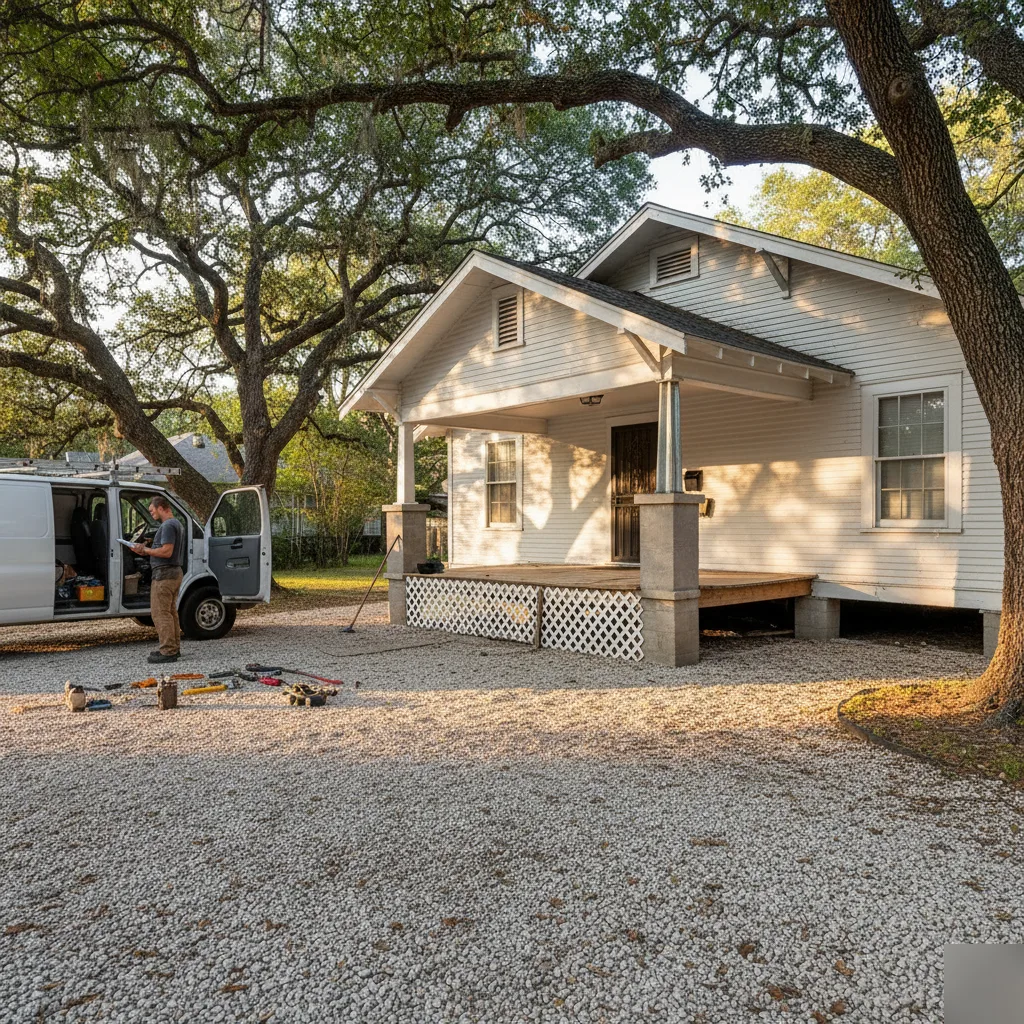
Pier and Beam Foundation Repair · Austin, TX

Pier and Beam Foundation Repair in Austin

Pier and beam or block and base foundation repair in Austin done right. Local experts diagnose, repair, and restore. Call Bats Foundation Repair today.

Warning signs

Signs Your Pier and Beam Foundation Needs Attention

You probably didn't wake up thinking about your foundation today. Most folks don't until something feels off. A door that used to close just fine now sticks at the top. The kitchen floor has a soft spot that wasn't there last year. These are the kinds of things Austin homeowners mention when they call us for masonry repair in Austin TX.

Pier and beam foundations give you warning signs before things get serious. The trick is knowing what to look for.
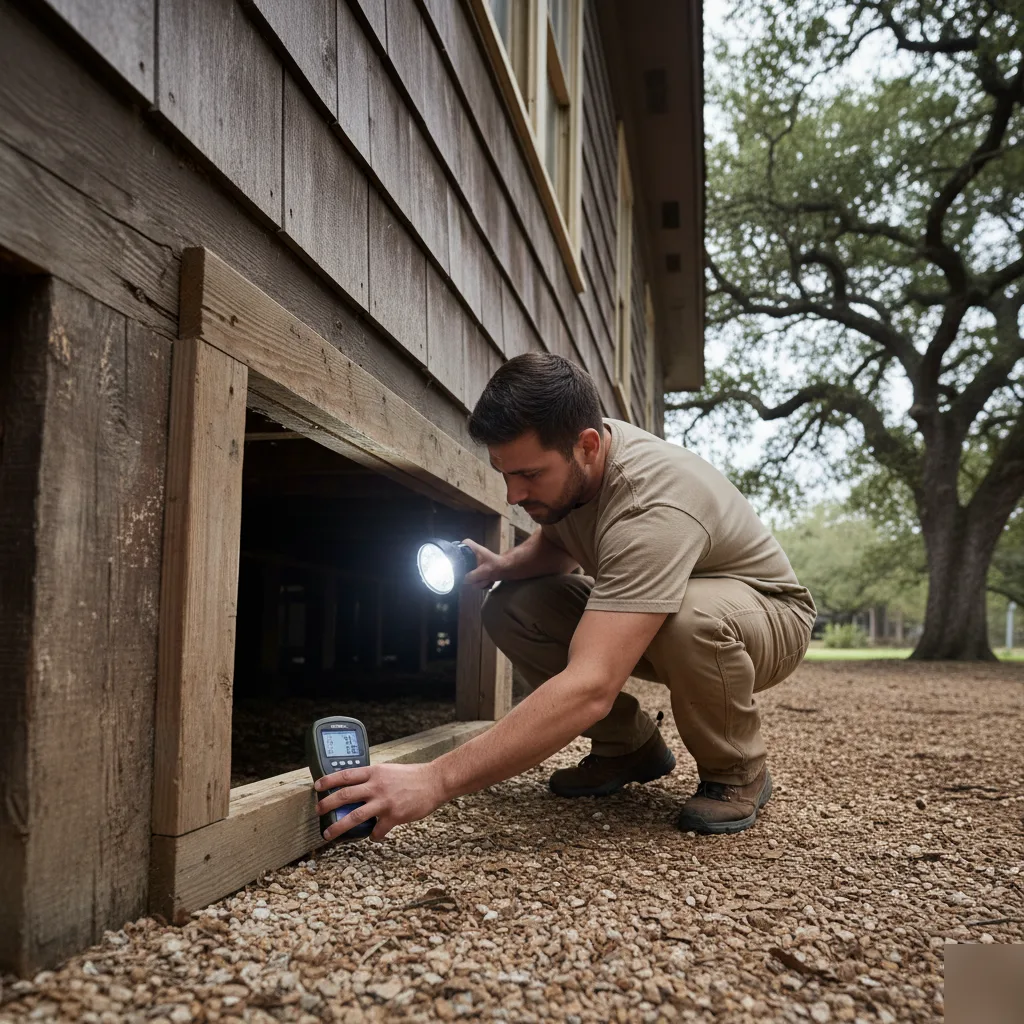
Moisture meter inspection of a pier and beam foundation in an Austin crawl space
  • Uneven or bouncy floors: If you can feel a slope when you walk across a room, or the floor gives a little under your weight, something underneath has shifted or weakened.
  • Doors and windows that won't latch: Frames go out of square when the structure moves. That bedroom door dragging on the carpet isn't just annoying.
  • Visible cracks in interior walls: Diagonal cracks near door frames and window corners point to differential settlement in the support system below.
  • Musty smell from the crawl space: Moisture problems under a pier and beam home can rot wooden beams and joists. You'll smell it before you see it.
  • Gaps between the wall and floor or ceiling: Even small separations mean the structure is pulling apart at connection points.

We see a lot of these issues in older neighborhoods like Hyde Park and Bouldin Creek. Homes built in the 1940s and 1950s across Austin often sit on original cedar posts or concrete blocks that have deteriorated over decades. The Central Texas clay soil makes it worse, expanding and contracting with every wet-dry cycle and pushing those supports out of position.

Here's what catches people off guard. A single symptom might seem minor. But two or three together usually mean the foundation has already moved enough to need professional attention. Don't wait for a crack to run the full length of your wall.

And if you're not sure whether what you're seeing is normal settling or real damage, that's actually the most common reason people reach out to us. A quick look underneath the house usually gives us a clear answer.
The root cause

Why Austin's Soil and Climate Stress These Foundations

Central Texas clay is the main reason we stay busy. This soil expands when it gets wet and shrinks when it dries out. That cycle puts constant pressure on pier and beam foundations, and it doesn't take long for the damage to show up.

Austin sits right on top of what geologists call expansive clay soil. According to the American Society of Civil Engineers, expansive soils cause more financial damage to structures in the U.S. each year than floods, hurricanes, and earthquakes combined. We see exactly that play out under homes across Austin every week.

Here's what that shrink-swell cycle does to a crawl space foundation:

  • Cedar posts and older wooden piers rot faster when moisture levels swing back and forth
  • Concrete block pads shift or sink as the soil beneath them contracts during dry spells
  • Support beams lose contact with their piers, creating gaps that let floors sag and bounce
  • Crawl space moisture builds up during humid months, accelerating wood decay and mold growth

And it's not just the soil. Austin's climate makes everything worse. We'll get three inches of rain in a single afternoon, then go six weeks without a drop. That pattern is brutal on foundations. Homes in the Bouldin Creek area sit on some of the most reactive clay in the city. We've pulled crawl space support posts out of the ground there that had sunk four inches in under two years.

The heat plays a role too. Long stretches above 100 degrees pull moisture out of the ground fast. The soil contracts away from your piers and blocks. Then a thunderstorm rolls through and the clay swells back up. Your foundation never gets a break.

Most homeowners don't think about what's happening under their house until a door won't close right or a floor starts sloping. But the soil's been working against your foundation for years before those signs appear. That's why catching foundation problems early in Austin matters so much. The ground here won't stop moving, so the question isn't whether your foundation will need attention. It's when.

Two systems

Block and Base vs. Pier and Beam: The Difference That Changes the Repair

People use these terms like they mean the same thing. They don't.

A true pier and beam foundation uses concrete piers sunk into the ground with wooden beams running across them to support the floor joists. Block and base is a simpler setup. Concrete blocks sit on small concrete pads right at the surface, stacked to the right height. Both give you a crawl space underneath the house, but the way they carry weight is different, the way they fail is different, and the way we fix them is different too.

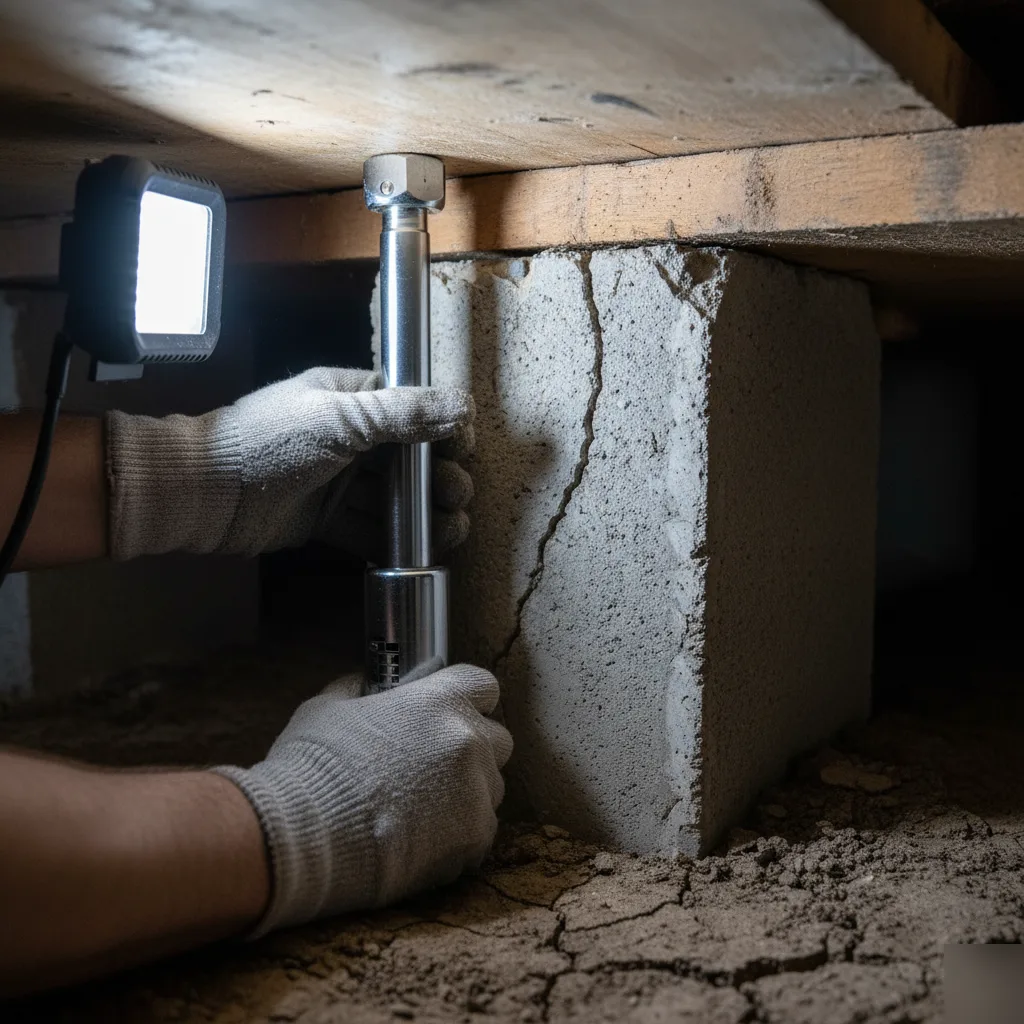
Hydraulic jack supporting a cracked pier during block and base foundation repair in Austin

Why It Matters for Your Repair

Block and base foundations are common in older Austin homes, especially around neighborhoods like Bouldin Creek and parts of East Austin where houses went up decades ago. The blocks can shift when Central Texas clay soil expands and contracts with our wet-dry cycles. A block tilts just a fraction of an inch, and suddenly you've got a sloping floor or a door that won't latch.

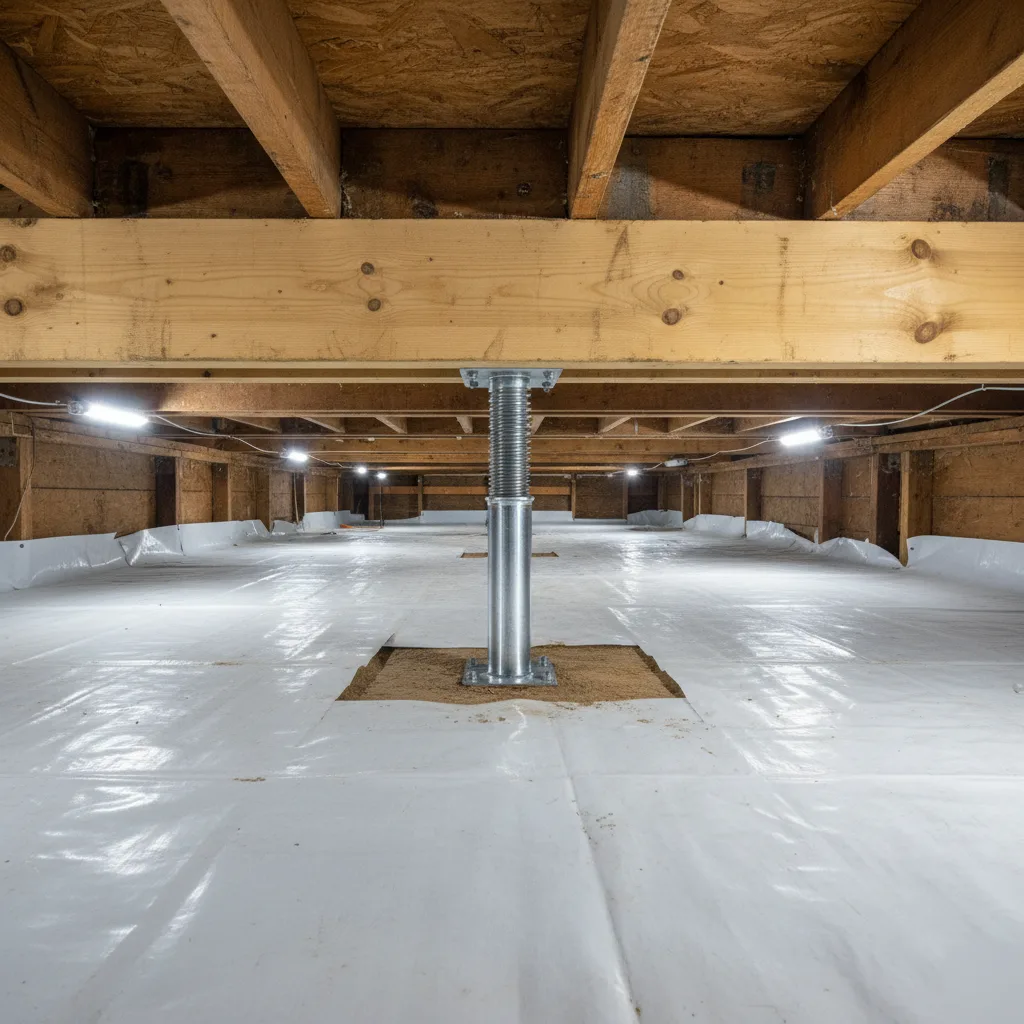
Pier and beam systems handle load differently. The piers go deeper into the ground, so settlement patterns change. When a pier and beam foundation fails, it's often because the wooden beams have rotted from moisture or the original piers have cracked. The repair approach for that might involve crawl space support posts, new beam sections, or shimming existing piers back to level.

Block and base repairs usually focus on restacking or replacing blocks, re-leveling the pads underneath, and sometimes adding new support points where the original layout wasn't enough. It's a different scope of work entirely.

  • Block and base: blocks can shift, tilt, or sink into soft soil
  • Pier and beam: piers crack, beams rot, joists sag from moisture damage
  • Both systems: require proper drainage and crawl space ventilation to prevent repeat problems

So which one do you have? Most homeowners in Austin aren't sure. That's actually pretty common. We figure it out during our inspection by getting under the house and looking at the actual support structure. The fix has to match the foundation type, or it won't hold.

Our Process

How the Repair Process Works From Inspection to Final Leveling

You've spotted the signs. Now what actually happens when we show up? Here's the honest truth. Pier and beam or block and base foundation repair in Austin isn't a mystery. It follows a clear sequence we've done hundreds of times across Central Texas.

Every job starts the same way.

  1. 1
    Crawl space inspection

    We get under your home and look at everything. The beams, the piers, the joists, the soil conditions. We check for moisture damage, wood rot, and any shifting in the block and base supports. Most homes in the Crestview and Brentwood areas have older crawl space systems, so exactly what to look for.

  2. 2
    Measurements and documentation

    We use a manometer or laser level to map the elevation across your floor system. This tells us where the settlement is worst and how far off level things have gotten.

  3. 3
    Repair plan

    Based on what we find, we lay out which piers need replacing, which beams need sistering or reinforcement, and whether crawl space support posts are part of the fix. You'll know the full scope before any work begins.

  4. 4
    Pier replacement and shimming

    We remove failing block and base stacks and install new supports. Cedar posts that have rotted out get swapped for concrete piers or proper load-bearing alternatives. Shims go in where needed to bring everything back to the right height.

  5. 5
    House leveling

    Once the new supports are in place, we use hydraulic jacks to carefully lift the structure back toward level. This part takes patience. You can't rush it or you'll crack interior finishes.

  6. 6
    Final verification

    We re-measure the entire floor system to confirm the correction. Then we walk you through everything we did under the house.

The whole process wraps up faster than people expect. But we don't cut corners to save time. Every pier gets set right, every beam gets checked twice.

And here's something folks in Austin don't always realize. That crawl space access is actually an advantage. Unlike slab work, we don't have to tear up your floors or tunnel underneath. We go right in through the crawl space, do the work, and your home stays livable the entire time. Need help figuring out what your home needs? Give us a call for a free estimate.

After the repair

Protecting Your Foundation After Repair: Austin-Specific Maintenance

Getting your foundation repaired is a big step. But the work doesn't stop when our crew leaves your property. Austin's climate puts constant pressure on crawl space foundations, so a little ongoing care goes a long way toward keeping everything level for years.

Central Texas clay soil is the main thing working against you. It swells when it's wet and shrinks when it's dry. That cycle never stops. During a typical Austin summer, we can go weeks without rain and the soil around your home pulls away from the foundation. Then fall storms roll in and everything expands again. That back-and-forth movement is what caused your problems in the first place, and it'll keep causing them if you don't manage moisture around your home.

What You Can Do Right Now

Here's what we tell every homeowner after we finish a foundation repair job:

  • Water your foundation consistently. A soaker hose placed 12 to 18 inches from the perimeter helps keep soil moisture even during dry stretches. This matters especially in neighborhoods like Barton Hills where mature trees pull a lot of moisture from the ground.
  • Keep gutters clean and downspouts directed away. Water pooling near your foundation is just as bad as drought. Aim downspouts at least four feet from the structure.
  • Watch your crawl space. Pier and beam homes have the advantage of access underneath. Check for standing water, new cracks in support posts, or signs of wood rot at least twice a year.
  • Trim tree roots that grow too close. Large oaks and pecans can pull enough moisture to shift soil several feet from the trunk.

And don't ignore small changes. A door that starts sticking again or a new hairline crack in the drywall doesn't always mean major trouble. But catching it early means a simple adjustment instead of another round of repairs.

We offer crawl space support posts and other follow-up services if something shifts down the road. Most homeowners in Austin who stay on top of moisture management rarely need us back. That's the honest truth. A little attention now saves you real money later.

Frequently asked questions

Pier and beam foundation repair in Austin, answered

How long does pier and beam foundation repair typically take in Austin?

Most pier and beam or block and base repairs in Austin take one to three days, depending on how many support points need attention. A straightforward block restacking job on a smaller home might wrap up in a single day. If we find rotted beams or multiple shifted piers, the work takes longer. We'll give you a clear timeline after we inspect the crawl space. You won't need to leave your home during most repairs.

Why do pier and beam foundations in Austin fail faster than in other parts of the country?

Austin's expansive clay soil is the main reason. It swells when wet and shrinks when dry, and that cycle never stops. Your piers and blocks are constantly being pushed and pulled out of position. We also get extreme weather swings — heavy rain followed by weeks of 100-degree heat. That pattern pulls moisture out of the ground fast and accelerates wood rot in crawl spaces. Homes in areas like Hyde Park and Bouldin Creek deal with some of the most reactive soil in the city.

What's the difference between block and base repair and pier and beam repair?

They're two different systems that fail in different ways. Block and base foundations use concrete blocks stacked on surface pads, and they tend to shift or tilt when the clay soil moves. Pier and beam systems go deeper, so they're more likely to fail from rotted wood or cracked piers. The repair scope is completely different. Block and base work usually means restacking or replacing blocks and re-leveling pads. Pier and beam work often involves new support posts, beam sections, or shimming piers back into contact with the structure above.

What should I do before a foundation repair crew arrives at my Austin home?

Clear access to your crawl space entry point before the crew arrives. Move any stored items away from the perimeter of the house if they block exterior vents or access panels. You don't need to vacate your home. It helps to write down the symptoms you've noticed — which doors stick, where the floor feels soft, when you first saw a crack. That information helps us connect what you're seeing inside the house to what we find underneath it.

Can I ignore a soft spot in my floor if it's only in one area?

A soft or bouncy floor usually means a support post has shifted, a beam has lost contact with a pier, or wood has started to rot underneath. One soft spot can mean the surrounding structure is already under more stress than it should be. We've opened crawl spaces in East Austin homes where one obvious soft spot turned out to be three or four failed support points. Catching it early keeps the repair smaller. Waiting usually means more of the floor system gets involved.

Does Austin have any specific requirements for crawl space or foundation work on older homes?

Yes, permitted foundation work in Austin requires a building permit through the City of Austin Development Services Department. Older homes in historic districts like Hyde Park may have additional review steps depending on the scope of work. We handle the permit process for you on jobs that require it. If you're buying or selling a home, a permitted repair also gives you cleaner documentation for the transaction. It's worth asking your contractor whether they pull permits — some don't, and that can create problems later.

The ground here won't stop moving — so catch it early

The question isn't whether your pier and beam foundation will need attention. It's when. A quick look under the house gives you a clear answer. Get a free estimate today.