
Signs Your Elevated Foundation Is Failing, Not Just Settling
Every house moves a little. That's normal. Central Texas clay expands and contracts with the seasons, and your elevated foundation will shift slightly over time. But there's a big difference between minor settling and real structural failure. Knowing what to look for can save you thousands.
We get calls from homeowners in Austin who say, "I thought it was just the house getting older." The signs were there for months before they picked up the phone. Here's what to watch for on an elevated piling or stilt foundation:
- Leaning or tilting pilings. Walk under your home and look at the support posts. They should be straight and plumb. If any are visibly leaning, that's not settling. That's movement under load.
- Soft or spongy floors. Step across your living room. If certain spots feel bouncy or dip underfoot, the beams or pilings beneath that area have likely shifted or deteriorated.
- Doors and windows that stick or won't latch. One sticky door might be humidity. Three or four throughout the house? That's the frame racking because the foundation isn't level.
- Visible gaps between the floor and baseboards. This one surprises people, but it's a clear indicator of differential movement in the support structure below.
- Cracking in exterior cladding or interior drywall. Diagonal cracks near door frames and window corners tell us the structure is twisting, not just resting.
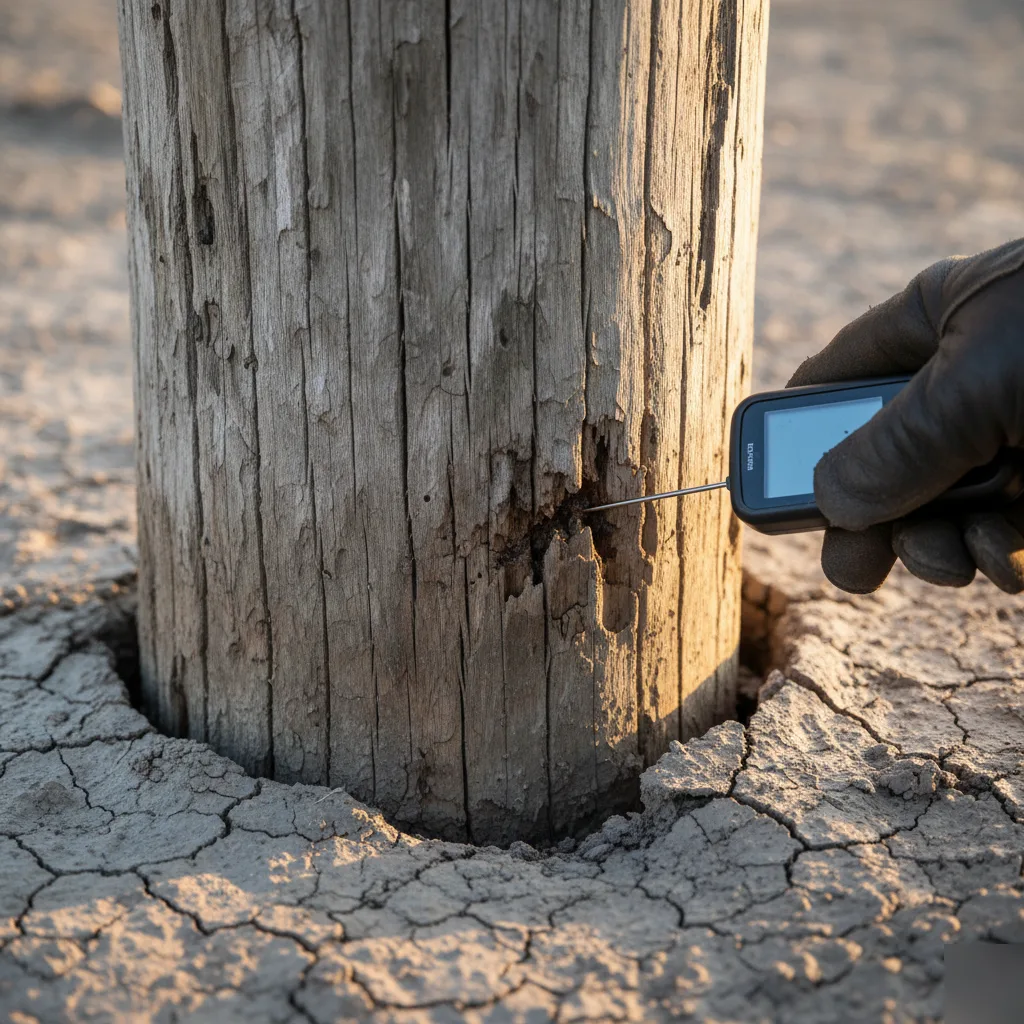
So how do you know if it's serious? Look at the pattern. One small crack near a window in your East Austin bungalow might be cosmetic. But multiple signs showing up together point to a foundation that needs professional attention.
Here's what most folks don't realize. Elevated foundations can hide problems longer than slab foundations because you don't walk directly on the structural surface. The damage happens underneath, out of sight. By the time your floors feel uneven, the pilings may have been shifting for a while. That's why we always recommend getting under the house with a flashlight if something feels off. Or better yet, let an experienced construction company in Texas take a look. A quick visual inspection can tell us a lot before anything gets worse.