
Signs Your Slab Foundation Needs Piers, Not Just Patching
You notice a crack in the wall. Maybe a door that used to close fine now sticks every time. So you fill the crack, sand it down, repaint. Two months later it's back. Wider this time.
That's the moment most Austin homeowners realize something deeper is going on. When you need concrete slab services in central Texas, it's crucial to look for structural solutions.
Surface-level fixes handle surface-level problems. But when your slab foundation is actually settling or shifting, cosmetic repairs just mask what's happening underneath. We see this every week. Folks in the Barton Hills area or over near Mueller call us after they've already patched the same drywall crack three or four times. The real issue isn't the crack. It's the soil beneath the slab losing its ability to hold the load.
Here are the signs that point to a pier problem, not a patching problem:
- Diagonal cracks running from door or window corners toward the ceiling
- Floors that feel uneven or slope noticeably in one direction
- Gaps forming between walls and the ceiling or floor
- Exterior brick cracks, especially stair-step patterns in the mortar joints
- Doors or windows that won't latch, stick, or swing open on their own
One or two of these on their own might not mean much. But when you're seeing three or four at the same time, your slab is telling you something. Central Texas clay soil expands and contracts with moisture changes. During dry summers the soil shrinks and pulls away from your foundation. During wet springs it swells back. Over years, this cycle creates differential settlement, where one part of your slab drops lower than the rest.
Caulk won't fix that. Neither will foam filler in a drywall crack.
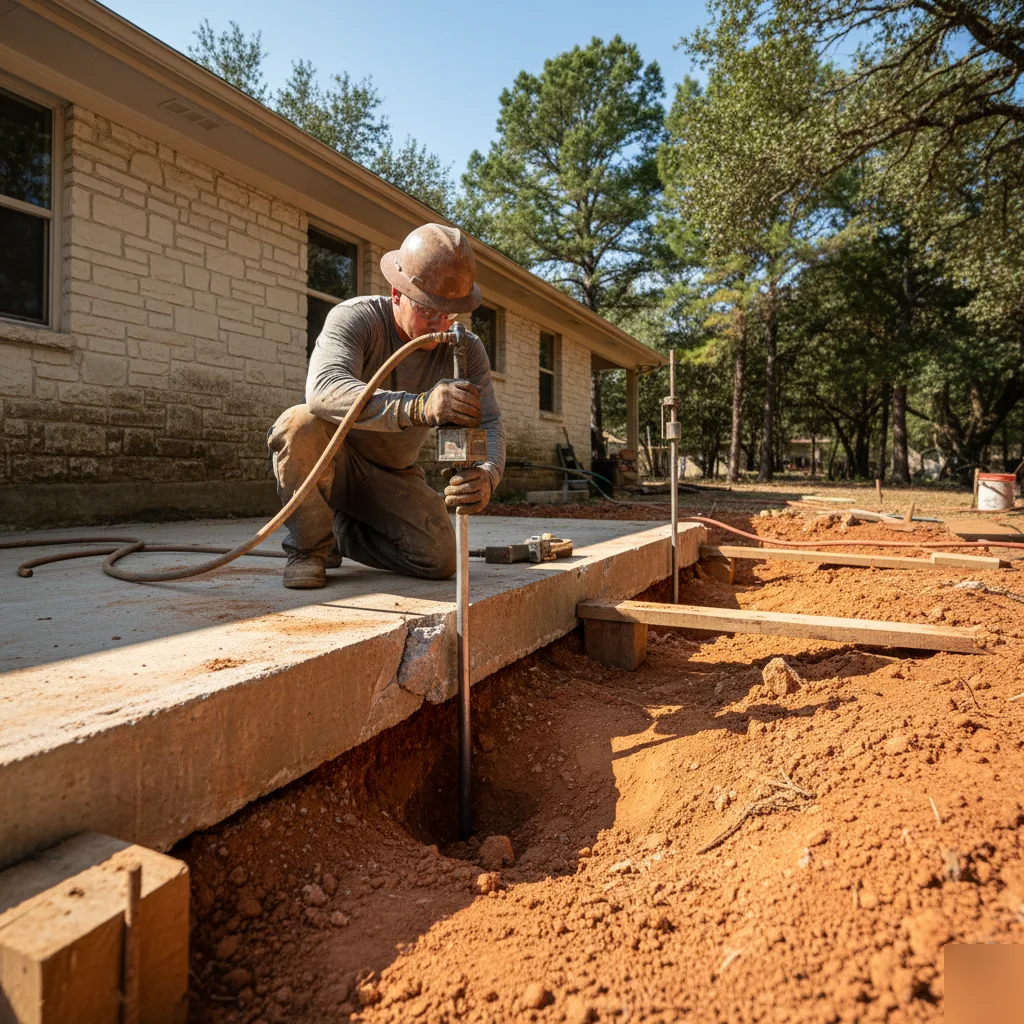
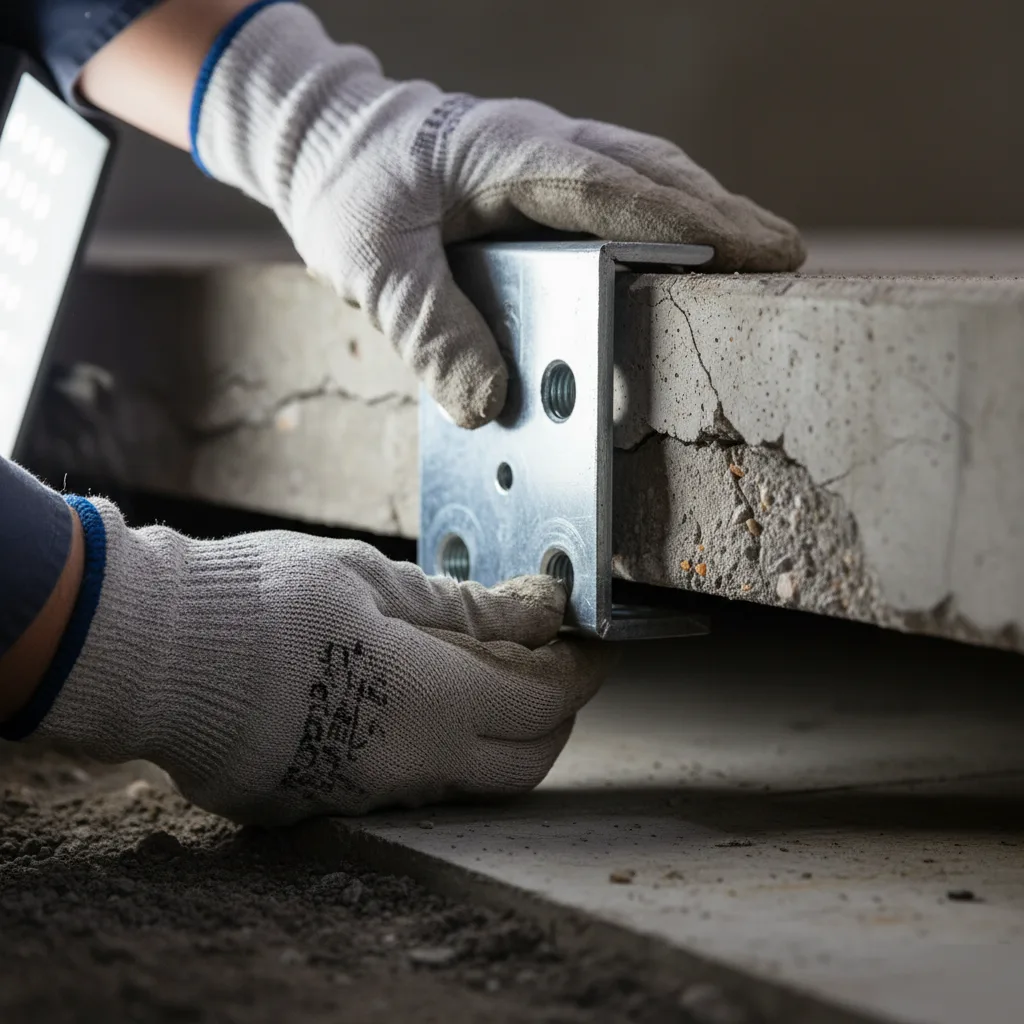
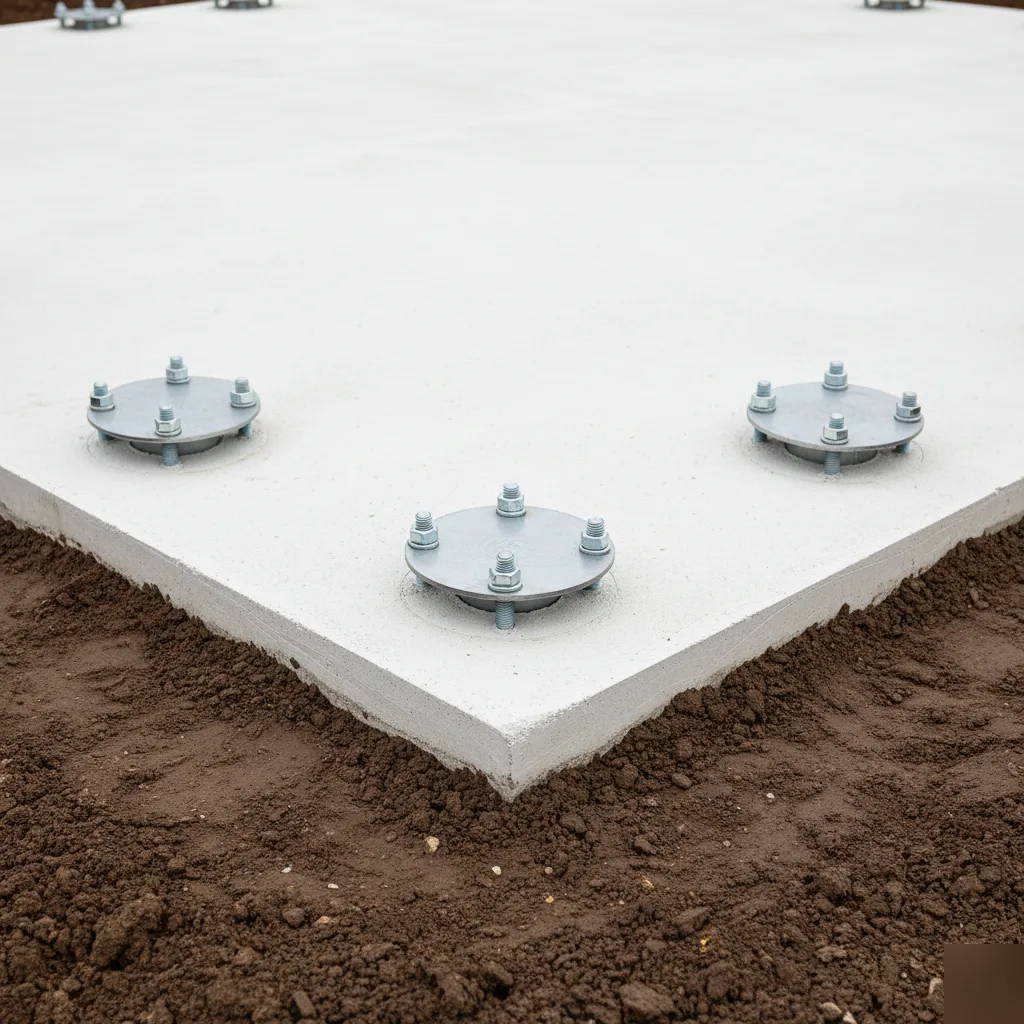
When we get called out to a home in Austin, the homeowner usually says the same thing: "I thought it was just the house settling." Some settling is normal. But active, ongoing movement that keeps reopening cracks and shifting door frames means the foundation needs structural support. That's exactly what slab pier installation does. It transfers the weight of your home down past that unstable clay to stable load-bearing soil below.
Not sure if what you're seeing is cosmetic or structural? That's actually pretty common. A quick inspection can tell you for sure.