
Pressed Concrete Pilings · Austin, TX

Pressed Concrete Pilings in Austin

Get pressed concrete pilings in Austin from a team that knows local soil. Bats Foundation Repair diagnoses, installs, and verifies every job. Call to book.

Signs you need pilings

Signs Your Foundation Needs Pressed Concrete Pilings

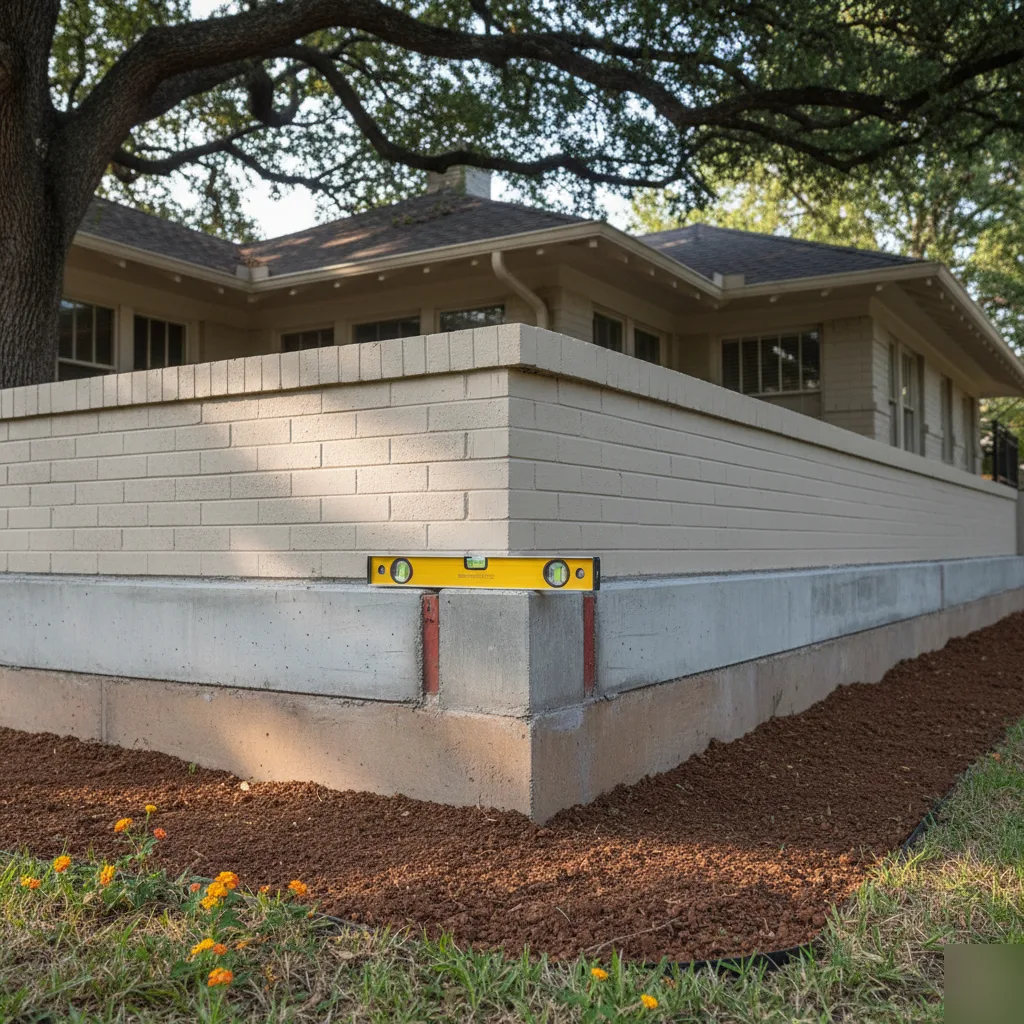
You might notice it on a Tuesday morning. Your back door sticks for no reason. Or a crack appears in the drywall above your bedroom window that wasn't there last month. These small signs are easy to ignore, but in Austin's expansive clay soil, they usually point to something bigger happening under your slab.

We see this every week. A homeowner calls about a cosmetic crack, and by the time we get out there, the foundation has already shifted enough to affect multiple rooms. We offer affordable concrete slab services in Austin TX to address foundation shifting caused by Central Texas clay. Central Texas clay swells when it's wet and shrinks when it dries. That constant push and pull moves your foundation in ways you won't always feel right away.

Here are the most common warning signs we look for during an inspection:

  • Doors or windows that stick, won't latch, or swing open on their own
  • Diagonal cracks running from the corners of door frames or window frames
  • Gaps forming between walls and the ceiling or floor
  • Uneven or sloping floors you can feel when walking through the house
  • Exterior brick cracks, especially stair-step patterns in the mortar joints

One crack by itself doesn't always mean trouble. But two or three of these showing up together? That's your foundation telling you something. Homes in the East Riverside area sit on especially reactive soil, and we've pulled up to jobs there where every door in the house was out of square.

Not sure if what you're seeing is serious? That's actually pretty common. Most people aren't foundation experts, and they shouldn't have to be. Catching movement early usually means a smaller project — a few pressed concrete pilings placed at the right points along your slab's perimeter rather than a full perimeter's worth later on.

Most residential foundation distress in this part of Texas traces back to moisture changes in clay soil. It's not a defect in your home. It's the ground underneath doing what it does in this part of the country.
Why pilings fit Austin

Why Austin's Soil Makes Pressed Concrete Pilings the Right Fix

Most folks don't think about dirt until their house starts cracking. But here in Austin, the soil is the whole story.

Central Texas sits on expansive clay, a specific type of soil that swells when it absorbs water and shrinks hard when it dries out. A homeowner calls because doors won't latch, floors feel uneven, or cracks zigzag across the brick. The clay underneath their slab is the reason. Austin's clay is textbook expansive soil — it moves a lot, and it moves unevenly.

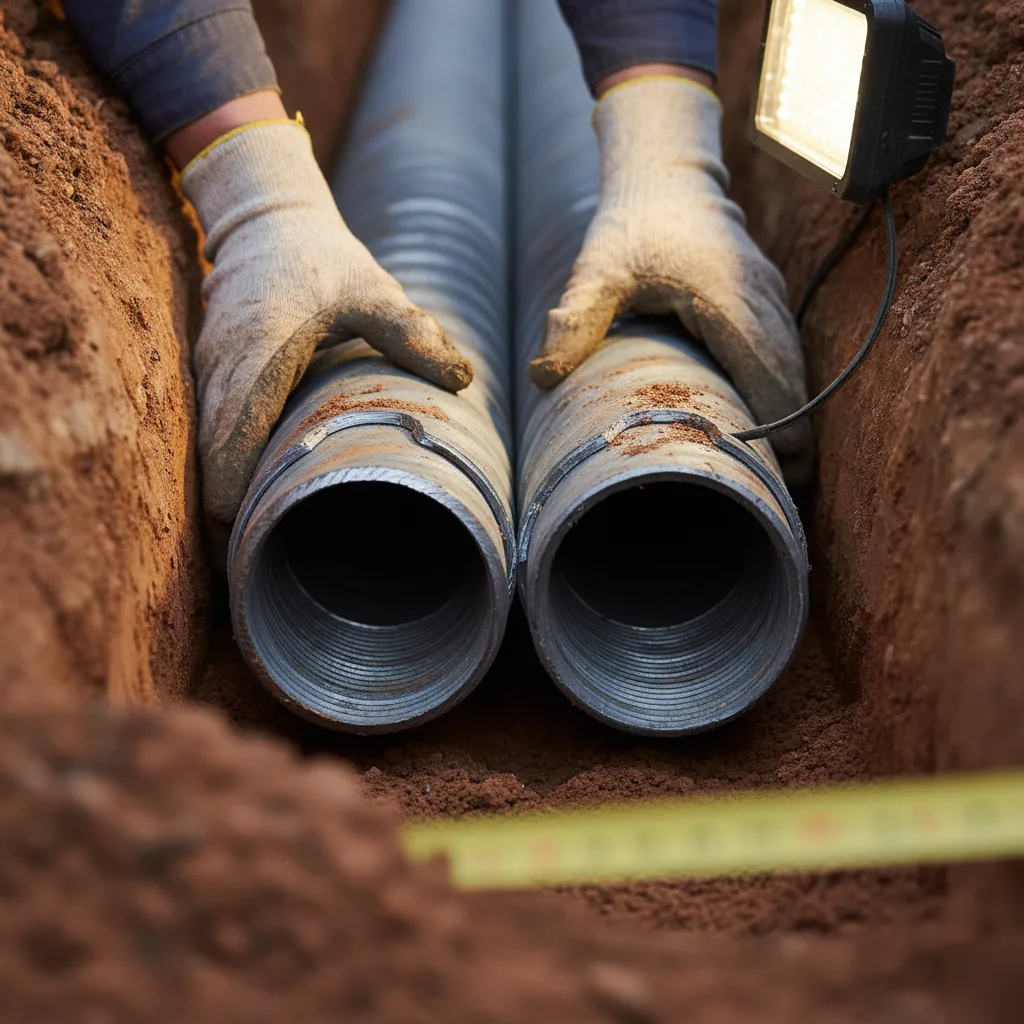
Concrete piling sections being pressed into Austin's expansive clay soil

So why do pressed concrete pilings work so well here? A few reasons:

  • The pilings are driven through the unstable surface clay until they hit a firm bearing layer below
  • Concrete holds up well in our alkaline soil conditions and doesn't corrode the way some materials can
  • The installation process uses the weight of the structure itself to press each piling into place, so there's a direct load transfer
  • They're a cost-effective option for slab foundations sitting on Austin's shifting ground

In the Windsor Park area, we run into heavy black clay that can move inches between a wet spring and a dry August. That kind of seasonal swing puts constant stress on a slab foundation. Pressed concrete pilings give that slab a stable base below the active zone where all the shrinking and swelling happens.

It's worth being clear about how we use them. Bats' base pier is a hybrid system — roughly ten feet of driven steel topped with pressed concrete cylinders — and that's what we reach for on most jobs. Concrete-only pressed pilings are a site-dependent option we recommend where the soil profile and load conditions suit them. During your assessment we'll tell you which system fits your foundation.

The clay here typically has a stable layer within reach of standard piling depths, though that's not true everywhere in Texas. For the right site, pressed concrete pilings are a proven, practical answer to what Austin's soil does to a slab.

Our Process

How the Pressed Concrete Piling Installation Process Works

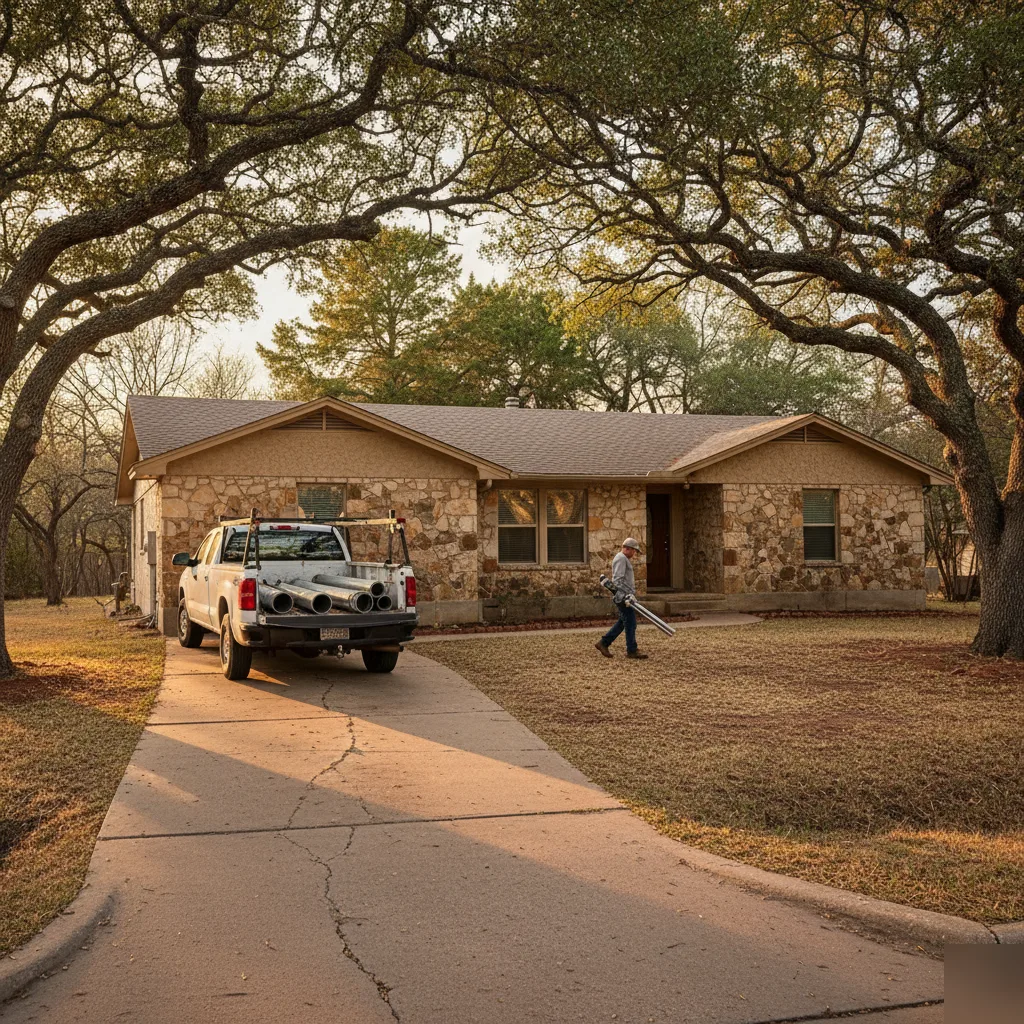
People ask us about this all the time. They want to know what's actually happening under their house. Fair enough. Here's how we do it, step by step.

  1. 1
    Excavate access points

    We dig small holes along the foundation's perimeter, right down to the footing. Each hole is just big enough for our hydraulic equipment. Most yards in Austin recover just fine afterward.

  2. 2
    Position the hydraulic press

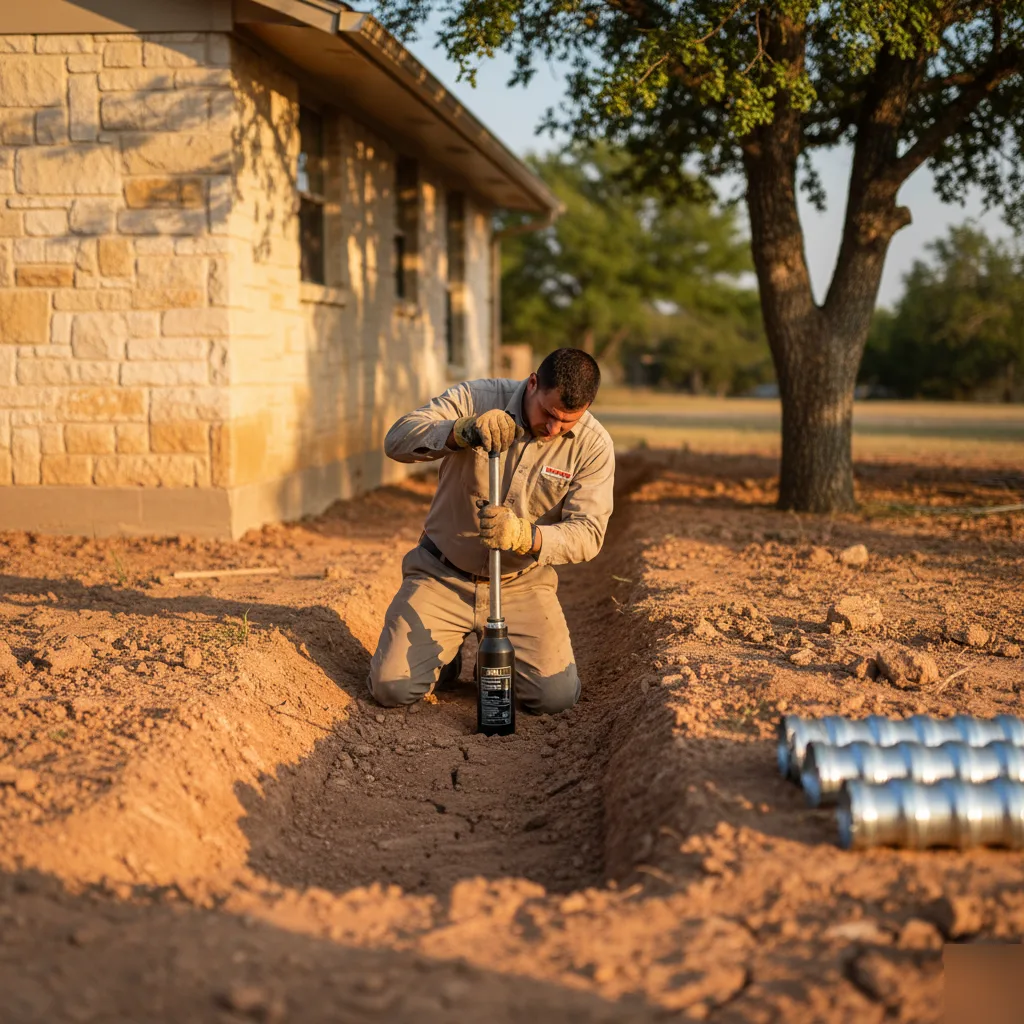
    We set a hydraulic ram against the underside of the foundation footing. This ram is what drives each concrete cylinder into the ground, one at a time.

  3. 3
    Press the pilings into the soil

    Pre-cast concrete cylinders, typically six inches in diameter, get stacked and pressed into the earth using the full weight of your home as resistance. The ram pushes each cylinder down until we hit stable soil that can support the load.

  4. 4
    Lift the foundation

    Once the piling column reaches adequate depth, we use that same hydraulic pressure to raise the foundation back toward its original position. We monitor elevation readings carefully during this stage.

  5. 5
    Cap and secure

    Steel shims and concrete caps lock everything in place on top of the piling column. This transfers your home's weight permanently onto the new support system.

  6. 6
    Backfill and clean up

    We fill the excavation points, compact the soil, and leave your property looking close to how we found it.

The whole process moves faster than most homeowners expect. We've done jobs in the Wells Branch area where a crew knocked out a full installation in a single day. Larger homes or trickier access points can take longer, but we'll always give you a clear timeline before we start.

The dense, expansive clay in Central Texas gives pressed concrete pilings real friction and holding power once they're driven to the right depth. It's a natural match for slab foundations sitting on this type of ground.

And if pilings need to go under interior walls, we can use tunneling to reach those spots without tearing up your floors. No jackhammering through your kitchen tile.

After the repair

What Happens After Installation: Settling, Repairs, and Monitoring

The pilings are in. Your home's been lifted back to level. So what now?

We tell every homeowner in Austin the same thing: give your house a little time to breathe. After pressed concrete pilings are installed, there's a short adjustment period. Your foundation just went through a correction, and the structure needs to settle into its new position. Most folks notice small cosmetic changes in the first few weeks, hairline cracks near door frames, a nail pop in the drywall, maybe a gap where caulk pulled away from a window. That's normal. It doesn't mean something went wrong.

Hydraulic jack pressing a concrete piling beneath an Austin foundation footing

What to Watch For

There's a difference between expected settling and a sign that something needs attention. Here's what we tell our customers to keep an eye on:

  • Doors or windows that worked fine right after the repair but start sticking again
  • New cracks that grow wider than a quarter inch over several weeks
  • Floors that feel uneven in a spot that was already corrected
  • Water pooling near the foundation after rain, especially on the downhill side of your lot

The small stuff typically resolves on its own. But if you see something from that list, call us. We'd rather check it early than have you worry about it for months.

Homes in the Circle C area sit on particularly reactive clay. We've gone back to monitor jobs there and found everything holding steady years later. Pressed concrete pilings are built for this environment.

After your installation, we don't just disappear. Our team walks you through what's normal and what isn't. We'll check drainage around the perimeter and point out anything that could cause trouble down the road. Keeping consistent moisture levels around your Austin foundation matters more than most people realize. A simple soaker hose routine during dry stretches can protect your investment for years.

Don't rush the cosmetic repairs. Wait about 30 days before patching drywall or repainting. Let everything finish settling first. You'll get a cleaner result and won't have to redo the work.

Buying & selling

Buying or Selling an Austin Home with Existing Pressed Concrete Pilings

Real estate transactions in Austin move fast. When a home has pressed concrete pilings already installed, it raises questions on both sides of the deal. We get calls about this almost every week from buyers, sellers, and real estate agents trying to figure out what the pilings mean for the property's value.

Here's the honest truth. Pressed concrete pilings on a home aren't a red flag. They're proof that someone cared enough to fix a problem the right way. The real concern is a foundation issue that was never addressed. A home in Circle C or Barton Hills sitting on Central Texas clay with no signs of prior repair could have hidden settlement that nobody's caught yet.

If You're Selling

Gather your documentation before you list. Buyers and their inspectors will want to see the original engineering report, the piling installation records, and any transferable coverage. Homes with documented pressed concrete pilings and clean follow-up inspections typically move through the closing process with fewer surprises. We can provide updated assessments on previous work so you've got something solid to hand over.

If You're Buying

Don't panic when you see pilings in an inspection report. Instead, ask the right questions:

  • How many pilings were installed, and where are they placed?
  • Was the work done by a licensed contractor with a structural engineer's guidance?
  • Are there signs of new movement since the original repair?
  • Does any documentation or coverage transfer to a new owner?

In most cases, the answers put buyers at ease. A home that's been properly stabilized with pressed concrete pilings is often in better shape than one that hasn't been evaluated at all. The pilings are doing their job, holding the foundation steady against the constant push and pull of Austin's expansive clay soil.

Not sure what you're looking at in an inspection report? Give us a call. We'll walk you through it and tell you exactly what the pilings mean for that specific property, no obligation attached.

Frequently asked questions

Pressed concrete pilings in Austin, answered

How long does a pressed concrete piling installation take in Austin?

Most jobs in Austin wrap up in one to two days. A standard single-story home with a manageable number of pilings can often be finished in a single day. Larger homes or tight access points may take longer. We always give you a clear timeline before we start so you can plan around it. The process moves faster than most homeowners expect, and your yard is usually back to normal shortly after we leave.

Does Austin's clay soil affect how deep the pilings need to go?

Yes, Austin's expansive clay directly affects piling depth. The goal is to press each piling past the active clay zone and into a stable bearing layer below. In areas like Windsor Park, the black clay can shift several inches between a wet spring and a dry summer. That's a lot of movement. Fortunately, most Austin residential slabs can reach a stable layer within standard piling depths, which makes pressed concrete pilings a practical match for this specific soil type.

What warning signs mean I should stop waiting and call someone?

When two or more signs show up at the same time, it's time to call. One sticking door might be nothing. But a sticking door plus diagonal cracks above window frames plus a floor that feels uneven? That's a pattern. Austin's clay moves constantly, and early action usually means fewer pilings and a smaller project. Waiting lets the foundation shift further, and catching it late means more work to bring things back to level.

Will the installation damage my yard or landscaping?

The damage is minimal. We dig small access holes along the foundation perimeter, just large enough for the hydraulic equipment. Most Austin yards recover well after we backfill and compact the soil. We clean up before we leave and aim to leave your property close to how we found it. If you have specific plants or landscaping near the foundation, let us know ahead of time so we can work around them where possible.

Do I need a permit for pressed concrete piling work in Austin?

Austin requires permits for foundation repair work in most cases. The City of Austin's Development Services Department oversees this, and your contractor should handle the permit process before work begins. Skipping permits can cause problems when you sell your home, since buyers and inspectors will ask about past foundation work. Make sure whoever you hire pulls the right permits upfront so there are no surprises down the road.

What happens after the pilings are installed — is there anything I need to do?

After installation, your foundation sits on a new stable support system. Some minor cosmetic repairs, like patching drywall cracks or adjusting doors, may still be needed since the structure has moved. Those are normal follow-up items. Going forward, keeping soil moisture consistent around your foundation helps a lot in Austin's climate. Consistent watering during dry stretches and good drainage during heavy rain both reduce the stress that clay soil puts on your slab over time.

Wondering what's moving under your foundation?

Book an inspection and we'll assess your foundation, explain what we find, and recommend the pier system that fits your site.