

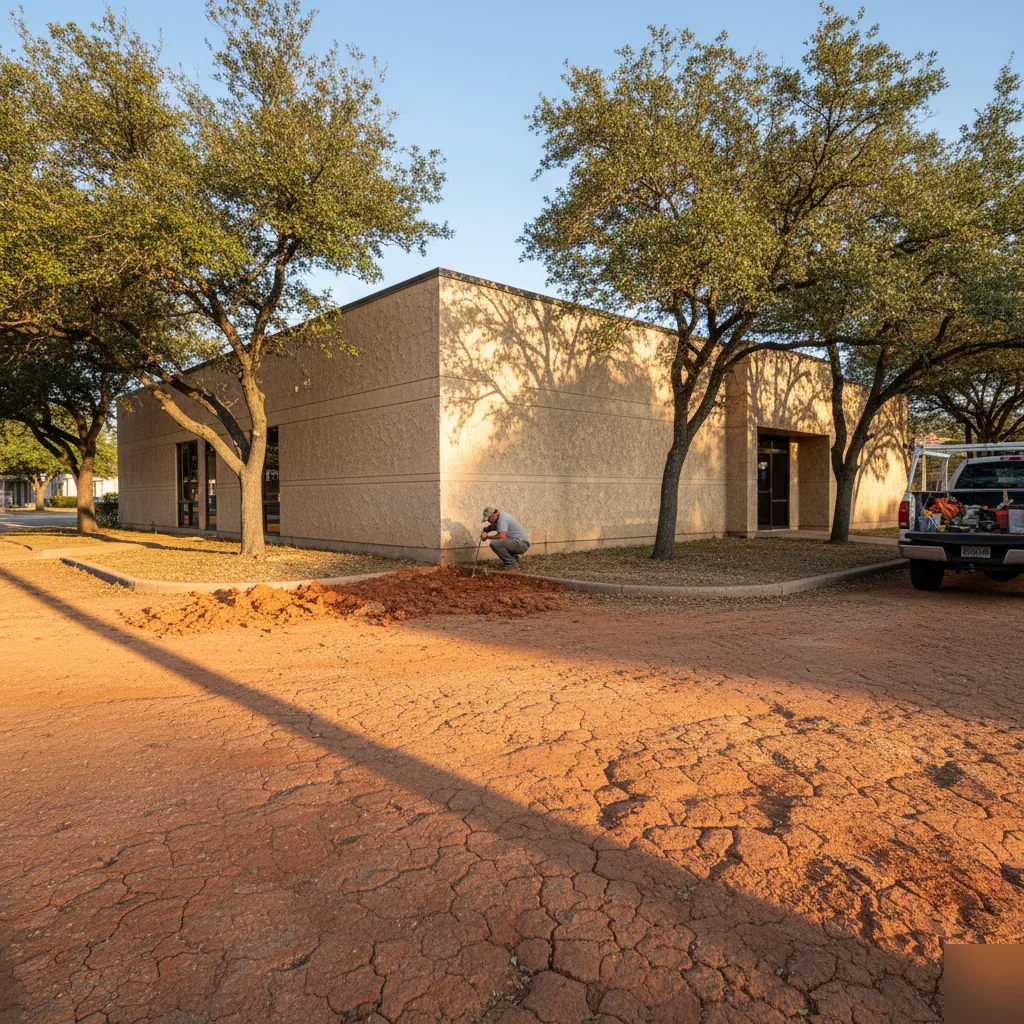
Commercial Foundation Repair · Austin, TX

Commercial Foundation Repair in Austin

Commercial foundation repair in Austin for business owners who need fast, reliable results. Bats Foundation Repair diagnoses and fixes structural issues. Call today.

Warning signs

Warning Signs in Commercial Buildings That Demand Attention

Most commercial property owners in Austin don't call us because they planned ahead. They call because something finally became impossible to ignore — a door that won't close right, a crack that keeps coming back no matter how many times it's patched.

Commercial buildings can mask foundation problems longer than residential ones. Larger footprints, heavier loads, and less-trafficked corners mean settling can progress quietly for years before it shows up somewhere visible. We are the top-rated construction company in central Texas.
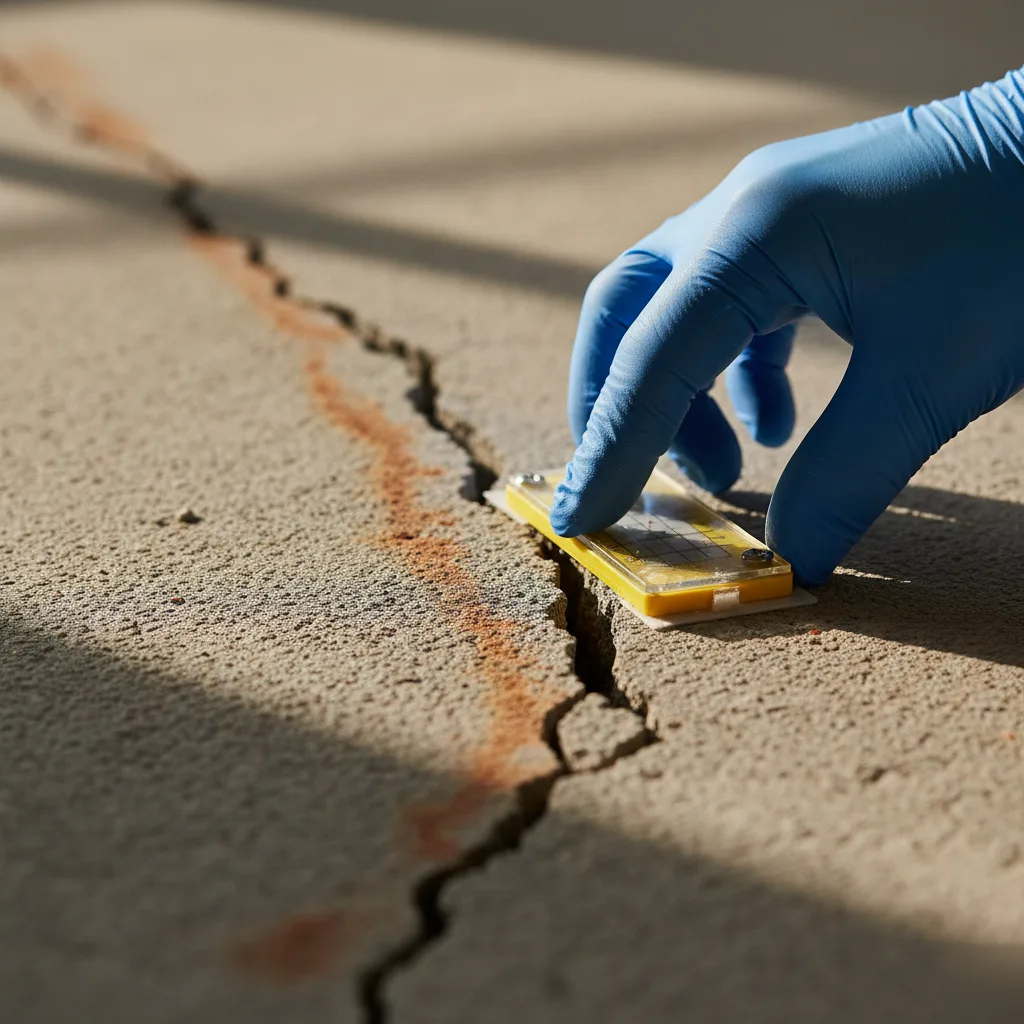
Crack monitor gauge installed on a cracked commercial concrete floor in Austin

What You'll Typically See First

These are the warning signs we ask every Central Texas commercial property owner to watch for:

  • Stair-step cracks in exterior brick or block, particularly near corners and window openings
  • Interior drywall cracks that return shortly after patching
  • Doors or windows that stick, jam, or drift open on their own
  • Sloping or uneven floors across the building footprint
  • Gaps forming between walls and the ceiling or floor line

Any single item on that list might seem manageable. In Central Texas, however, expansive clay soil swells during wet seasons and contracts sharply during drought — and that constant cycle puts serious, repeated stress on commercial slabs.

The Signs That Often Get Overlooked

In our experience, the structural damage we find during an inspection is frequently more advanced than what the property owner originally noticed. An unexplained spike in your water bill, for example, can point to a plumbing leak beneath the slab well before a crack ever appears at eye level.

Parking lot settlement and loading dock separation from the main structure are two issues that tend to get dismissed as outside problems. They aren't separate — they reflect the same soil movement happening directly beneath your building.

If you're uncertain whether what you're seeing warrants concern, that uncertainty alone is reason enough to act. Reaching out to an experienced foundation repair team is a straightforward way to get clarity before a manageable situation becomes a costly structural repair.
The root cause

Why Austin's Expansive Clay Soil Hits Commercial Slabs Harder

Most folks know Austin sits on clay soil. But not everyone realizes how much harder that clay pushes on a commercial slab compared to a residential one.

Central Texas clay, especially the Houston Black and Taylor clay formations common from East Austin through the Riverside corridor, can swell up to 10% in volume when wet, then shrink back down during a dry stretch. That constant push-and-pull creates massive stress on any foundation. Commercial buildings take the worst of it.

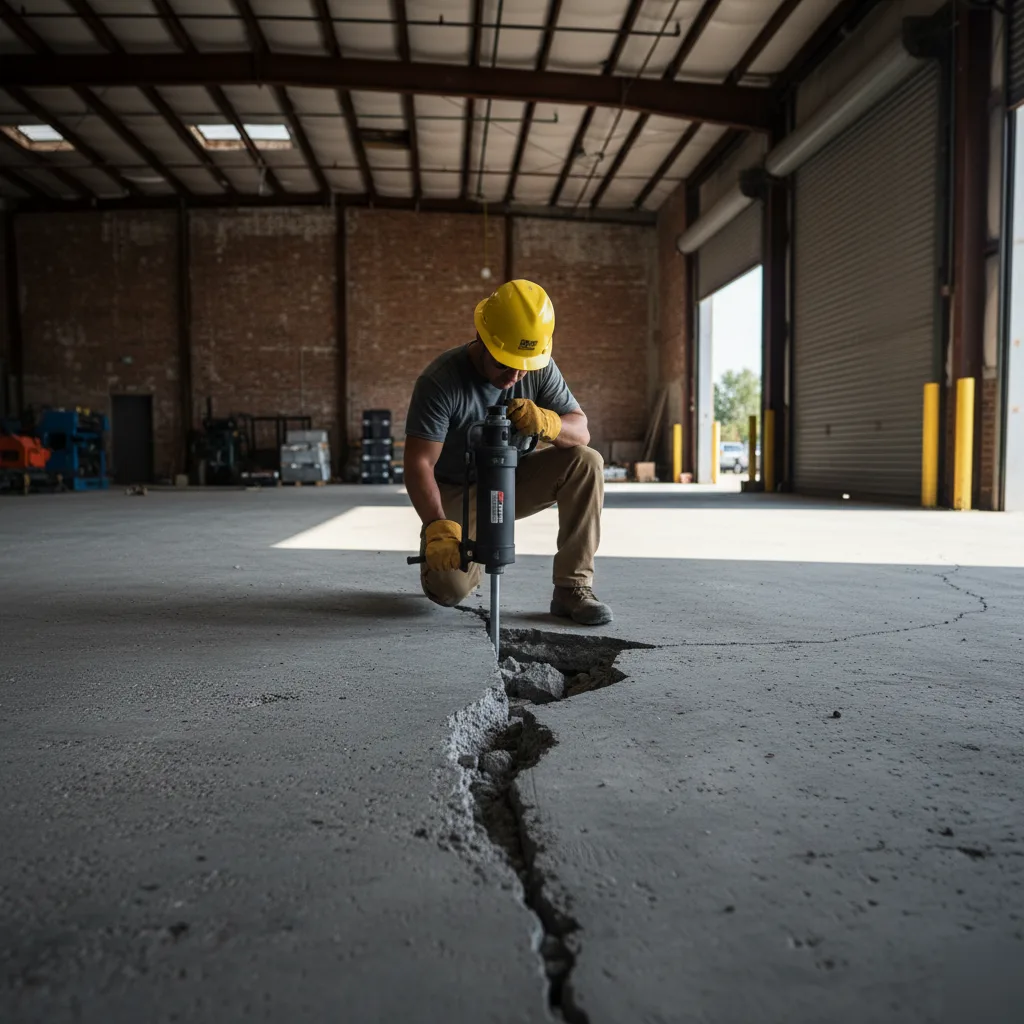
Hydraulic pier installed beneath a cracked commercial slab in Austin

Why Commercial Slabs Get Hit Harder

A residential slab might cover 1,500 square feet. A commercial slab for a strip center or warehouse in Austin could cover 10,000 or more. The bigger the footprint, the more uneven the soil movement underneath. Different zones of the slab settle at different rates, we see this regularly on commercial properties.

Commercial buildings also carry heavier loads. Think about the weight of inventory, equipment, foot traffic, HVAC units on the roof. All of that load presses down while the clay pushes up and pulls away. The result is differential settlement, and it shows up as:

  • Stair-step cracks in exterior masonry walls
  • Interior floor slopes that affect shelving or equipment
  • Doors and windows that stick or won't latch
  • Visible gaps between walls and ceilings

So why don't all commercial buildings in Austin have foundation problems? Some do and the owners just haven't noticed yet. Proper site preparation and drainage design make a real difference. Buildings near Barton Creek or in low-lying areas tend to deal with more moisture fluctuation, which speeds up the damage cycle.

The clay isn't going anywhere. It's been here for thousands of years. What matters is catching the signs early and knowing what repair method fits the building. A 40,000-square-foot warehouse needs a different approach than a two-story office building. The soil doesn't care what you built on top of it.

Our Process

How Commercial Foundation Repair Works from First Call to Final Inspection

You've noticed the signs. Now what? Most commercial property owners in Austin tell us the same thing: they just want to know what happens next. Here's how we handle it, step by step.

  1. 1
    You call, we listen

    We ask about what you're seeing, cracks, sticking doors, uneven floors, and set up a time to come out, usually within a day or two.

  2. 2
    On-site inspection and measurements

    Our crew shows up with elevation equipment and checks your slab or pier and beam system for differential settlement. We measure floor levels across the building and document every crack, gap, and shift we find.

  3. 3
    Structural engineering review

    For commercial jobs, we typically work with a licensed structural engineer. They review our findings and help determine what's going on beneath the surface. This isn't guesswork, it's data.

  4. 4
    Custom repair plan

    Based on the inspection, we recommend the right fix. That could be steel push piers driven to load-bearing strata, pressed concrete pilings for areas where soil conditions allow it, or tunneling to reach interior supports under a slab without tearing up your floors.

  5. 5
    Repair work begins

    We coordinate around your business hours whenever possible. Nobody wants a lobby full of equipment during peak traffic. Our crews work clean and fast.

  6. 6
    Final elevation check and walkthrough

    After the work's done, we re-measure everything. We walk the property with you and show you exactly what changed.

The whole process moves quicker than people expect. We've done this on office buildings, retail strips, and warehouses across Austin. Every building's different, but the process stays tight.

You get a clear answer before any work starts. No surprises halfway through. We put the repair plan in writing so you know what we're doing, where we're doing it, and why. That's how commercial foundation repair should work in Austin.

Want to get the process started? Give us a call and we'll set up your inspection.

Staying open

Keeping Your Business Open During Foundation Repairs

This is the question we hear more than any other. "Do I have to shut down?" In many cases, no — though it depends on your building and the scope of the work.

We plan every commercial foundation repair project around your operations. Wherever the scope allows, we work to keep your doors open and your team working, and we'll be straight with you about what your specific building needs.

How We Minimize Disruption

Most commercial work we do follows a phased approach. We don't tear into your entire building at once. We break the project into sections and work through them in a sequence that keeps foot traffic flowing and critical areas accessible. Here's what that typically looks like:

  • We walk the property with you and identify which zones need repair first based on severity and your business layout.
  • We schedule the loudest or most disruptive work during your off-hours when possible.
  • We set up barriers and safety zones that protect your staff and customers without blocking entrances or exits.
  • We complete each zone before moving to the next, so you're never dealing with a fully active job site across your whole building.

For slab foundations that need interior pier work, we use tunneling to access the underside of the slab from outside. That means no jackhammering through your lobby floor, no ripping up tile in the middle of a retail space or restaurant. Tunneling keeps your interior intact.

Every day of disruption costs you money. We've worked on occupied office buildings, active warehouses, and busy storefronts across Austin. Business owners typically tell us afterward it was far less disruptive than they expected.

Communication makes the difference. Our crew checks in with your point of contact daily. If something changes, you know about it before it affects your schedule.

Some jobs do require temporary adjustments. Maybe you reroute a hallway for two days or shift parking for a week. We'll tell you upfront during the assessment so there aren't surprises. Your business keeps running, we just need a little room to work.

Hiring a contractor

What to Verify Before Hiring a Commercial Foundation Contractor

Not every contractor who fixes houses can handle a commercial job. We've walked onto properties in Austin where a previous crew used residential methods on a 30,000-square-foot warehouse slab. The result was more damage than what they started with.

Commercial foundation repair demands a different level of experience. Heavier loads, bigger footprints, more complex soil conditions. Ask direct questions before you sign anything.

What to Check Before You Commit

Here's what we'd tell you to verify:

  • Confirm they hold proper licensing and insurance for commercial work. Texas doesn't require a specific foundation repair license, so look for general contractor credentials, liability coverage, and workers' comp. Ask for proof. A legit company won't hesitate.
  • Ask about structural engineering support. Any serious commercial foundation repair project in Austin should involve a licensed structural engineer. We work with engineers on every commercial job because the stakes are too high to guess.
  • Look at their commercial project history. Residential experience doesn't transfer one-to-one. Ask for examples of retail centers, warehouses, or multi-story buildings they've worked on, especially properties built on the expansive clay soils common around East Riverside and the rest of Central Texas.
  • Make sure they offer a free inspection and written report. If someone wants to quote you over the phone without seeing the building, that's a red flag.
  • Verify they use the right methods for your foundation type. Steel push piers, pressed concrete pilings, tunneling for interior access under slabs, the method has to match the problem and the structure.

The contractor who takes the longest to explain things is usually the one who actually knows what they're doing. Rushed answers mean rushed work.

Check online reviews. Call their references. Drive by a past job site if you can. Your building is a major investment and it deserves that kind of homework. If you're not sure where to start, give us a call and we'll walk you through what to look for.

Frequently asked questions

Commercial foundation repair in Austin, answered

How long does commercial foundation repair take in Austin?

Most commercial foundation repairs in Austin take two to five days, depending on the building size and repair method. A smaller retail space may wrap up faster than a large warehouse. We schedule work around your business hours whenever possible. Steel push piers on a mid-size office building typically take two to three days. Larger footprints with more pier locations take longer. We give you a clear timeline before any work starts so you can plan around it.

Does Austin's clay soil affect commercial buildings differently than residential ones?

Yes, commercial buildings take harder hits from Austin's expansive clay than residential homes do. A commercial slab can cover 10,000 square feet or more, which means more uneven soil movement underneath. Heavier loads from equipment, inventory, and rooftop HVAC units press down while the clay swells and shrinks. That combination creates differential settlement faster. Buildings in low-lying areas near Barton Creek or along the East Riverside corridor tend to see this problem accelerate due to more moisture fluctuation in the soil.

Do I need a structural engineer for commercial foundation repair in Austin?

Yes, commercial foundation repair in Austin almost always involves a licensed structural engineer. This isn't just a good idea — many commercial repair jobs require engineering sign-off before work begins. The engineer reviews inspection data and confirms what's happening beneath your slab. That step protects you, your tenants, and your building permit record. Skipping it on a commercial property can create problems if you ever sell, refinance, or need to pull permits for future work.

What are the first signs of foundation trouble in a commercial building?

Stair-step cracks in exterior brick, doors that stick or swing open on their own, and floors that slope are the most common early signs. Interior drywall cracks that keep coming back after patching are another red flag. In Austin commercial buildings, these signs can hide for years because the footprint is large and nobody checks every corner regularly. A spike in your water bill can also signal a slab plumbing leak before any visible cracking appears.

Can foundation repair be done without shutting down my business in Austin?

In most cases, yes — your Austin business can stay open during foundation repair. We schedule crew work around your peak hours and keep equipment out of customer-facing areas when possible. Methods like steel push piers are installed from the exterior perimeter in many cases. Interior tunneling, used when we need to reach supports under a slab without tearing up floors, is more disruptive but still manageable with good scheduling. We talk through the plan with you before any work begins.

What repair methods are used for commercial foundations in Austin?

The three most common methods for Austin commercial properties are steel push piers, pressed concrete pilings, and tunneling for interior support access. Steel push piers are driven deep into load-bearing strata and work well for heavier commercial structures. Pressed concrete pilings are used where soil conditions allow. Tunneling lets us reach interior slab sections without demolishing your floors. The right method depends on your building's size, load, and what the inspection data shows — there's no one-size-fits-all fix.

Wondering what's happening under your building?

Commercial slabs can hide foundation movement for years. Schedule an inspection and we'll assess the building and explain what we find.