
Tunneling · Pflugerville, TX

Tunneling in PflugervilleThe Access Method That Protects Your Floors

Tunneling is a hand-dug access method that reaches the underside of a foundation when piers or repairs need to go in from below instead of the outside edge. It is not the right call for every job. A good inspection tells you if it is needed.

The method

What Tunneling Means for Your Foundation Repair

Tunneling is a hand-dug access method performed by a professional construction company. It reaches the underside of a foundation when piers or repairs need to go in from below instead of the outside edge. We use it on pier and beam homes, homes with limited outside access, or interior areas of a slab that need support. It is not the right call for every job. A good inspection tells you if it is needed.

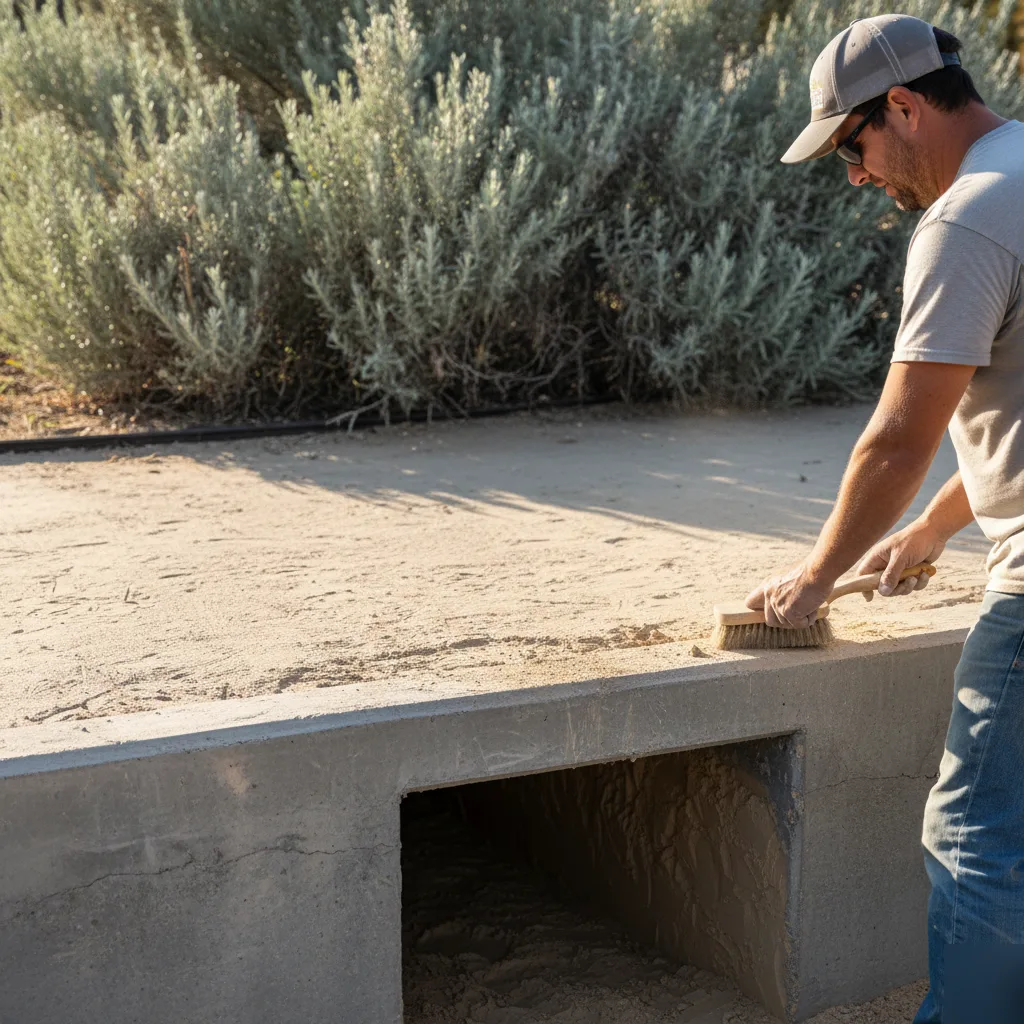
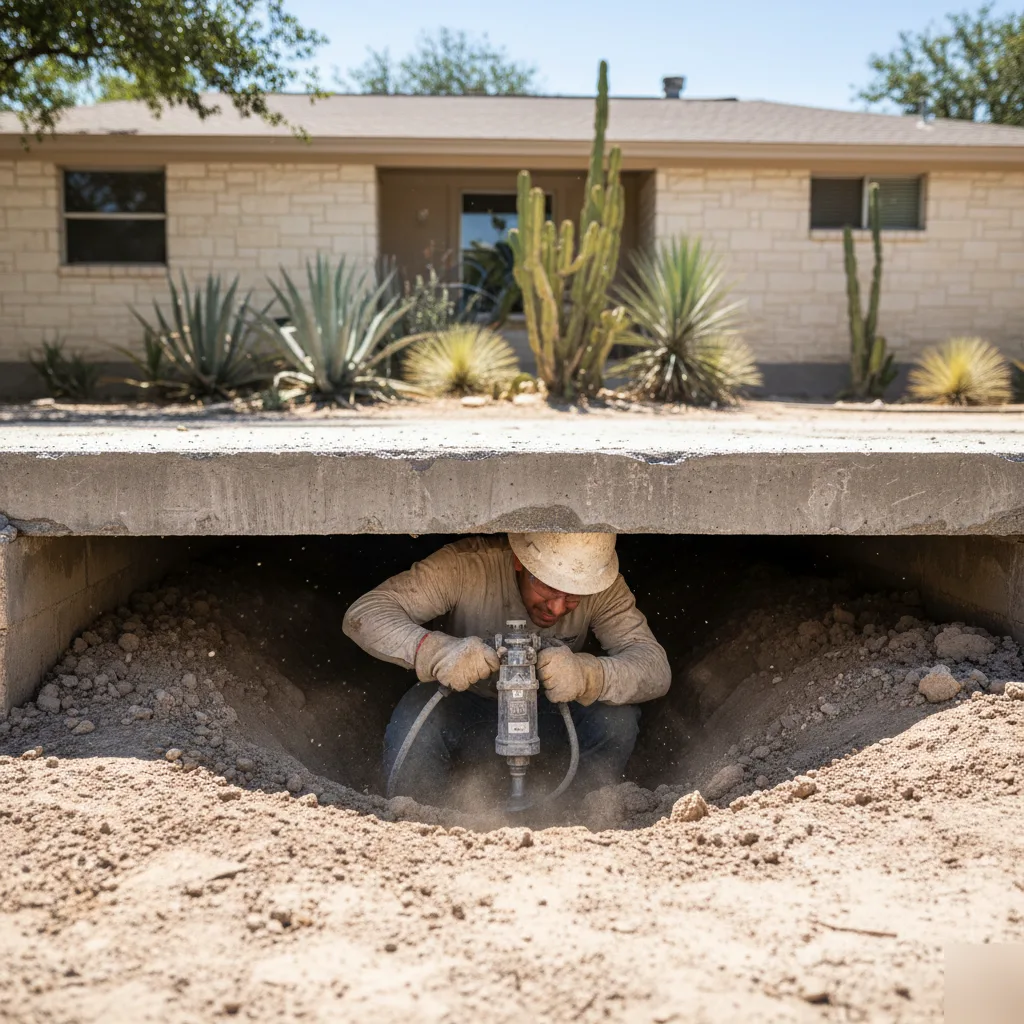
Tunneling means digging a narrow crawl path under a house. This allows a crew to get piers, supports, or repairs to a spot that cannot be reached from the yard. It is like going in through the floor of the problem instead of around it.

Most foundation repairs happen from the outside. A crew digs holes along the perimeter, sets piers, and backfills. That works fine when the settled area sits near an exterior wall. But interior support beams, center support posts under pier and beam homes, or spots boxed in by additions do not always have outside access. That is where tunneling comes in.

We see this a lot on older pier and beam homes around Pflugerville. This is especially true for ones that have had room additions built over the original crawl space footprint. Once that addition goes up, the only way to reach the original support posts is from underneath.

Tunneling is not a separate repair by itself. It is how we get steel or concrete supports, crawl space support posts, or beam work to a spot that needs it. The tunnel is the path, not the fix. Once the crew is in and the piers or posts are set, the tunnel gets backfilled and the yard goes back to normal.
Two approaches

Tunneling Versus Cutting Through the Slab

Here is a common question we get: Do you have to cut through my floors to fix this? Not always. Tunneling means we dig underneath the foundation from the outside. We work our way in below the slab instead of breaking through it from above. It is slower and takes more hands-on labor than jackhammering a hole in your living room. But it protects the floor you already have.

Cutting through the slab has its place. If a pier needs to go dead center under a load-bearing wall and there is no way to reach it from the perimeter, sometimes that is the only path. We will not pretend otherwise. For many homes around Pflugerville, especially older slab foundations with tile or hardwood, tunneling avoids tearing out flooring that is expensive to replace.

So how do we decide? A few things drive the call: how far under the house the settled area sits, what is on top of the slab, and how much crawl space clearance the soil grade gives our crew. Homes with tight foundation-to-ground clearance make tunneling harder, sometimes impossible. That is when cutting becomes the more honest answer.

We will tell you straight which option your home needs, not the one that is easier for us.

When a homeowner calls worried about ripping up new flooring, tunneling often ends up being the answer. That is just how the geometry works out on most slab homes we see.

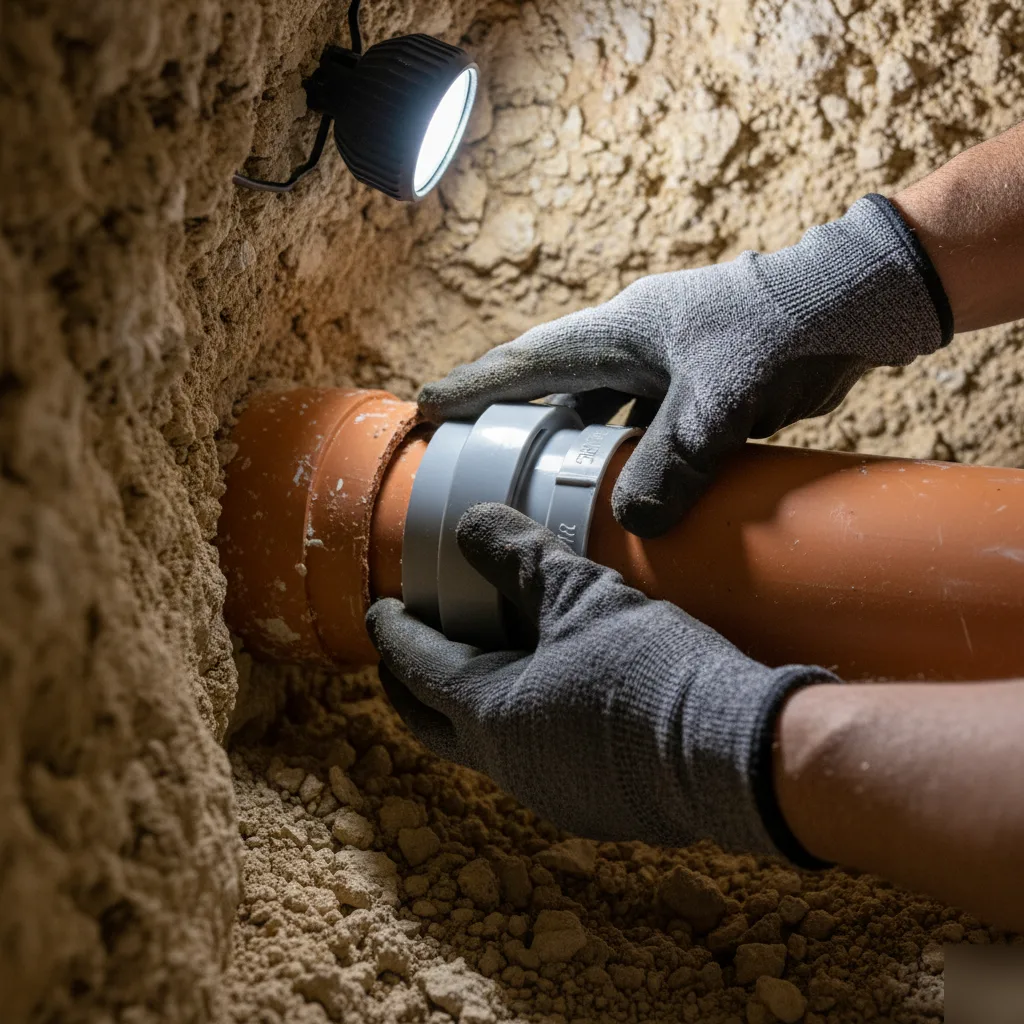
Under-slab pipe repair reached through a hand-dug tunnel
Before you worry

When You Don't Need Tunneling

Not every settled slab needs tunneling. If your foundation guy can reach the trouble spot from outside the house, digging a normal exterior pier hole, there is no reason to tunnel underneath. Tunneling is for spots that are landlocked, under a room addition, a garage extension, or a slab section boxed in by other structures with no outside access. If a crew can get to your problem area without going under the house, that is the simpler route, as it should be.

So how do you know which one you have? Ask what is moving. A hairline crack in one drywall seam with no door sticking, no visible slab separation, is often just normal seasonal settling. Central Texas clay soil shrinks and swells with the weather. Small cosmetic cracks show up in many houses that do not have real structural problems.

You also do not need tunneling if the movement is a drainage issue, not a foundation issue. We see this every week: a gutter downspout dumping water right next to the slab, or grading that slopes toward the house instead of away from it. Fix the water path first. Sometimes that alone stops the movement; no piers are needed at all.

If the affected area sits along an exterior wall with clear yard access, tunneling just adds cost and time for no benefit. That is not a case where we would recommend it.

Here is the honest version: tunneling solves an access problem. It does not make a repair fancier or add value where it is not needed. If a straightforward exterior dig gets the job done, that is what we would tell you to do.

The process

How a Tunneling Project Comes Together

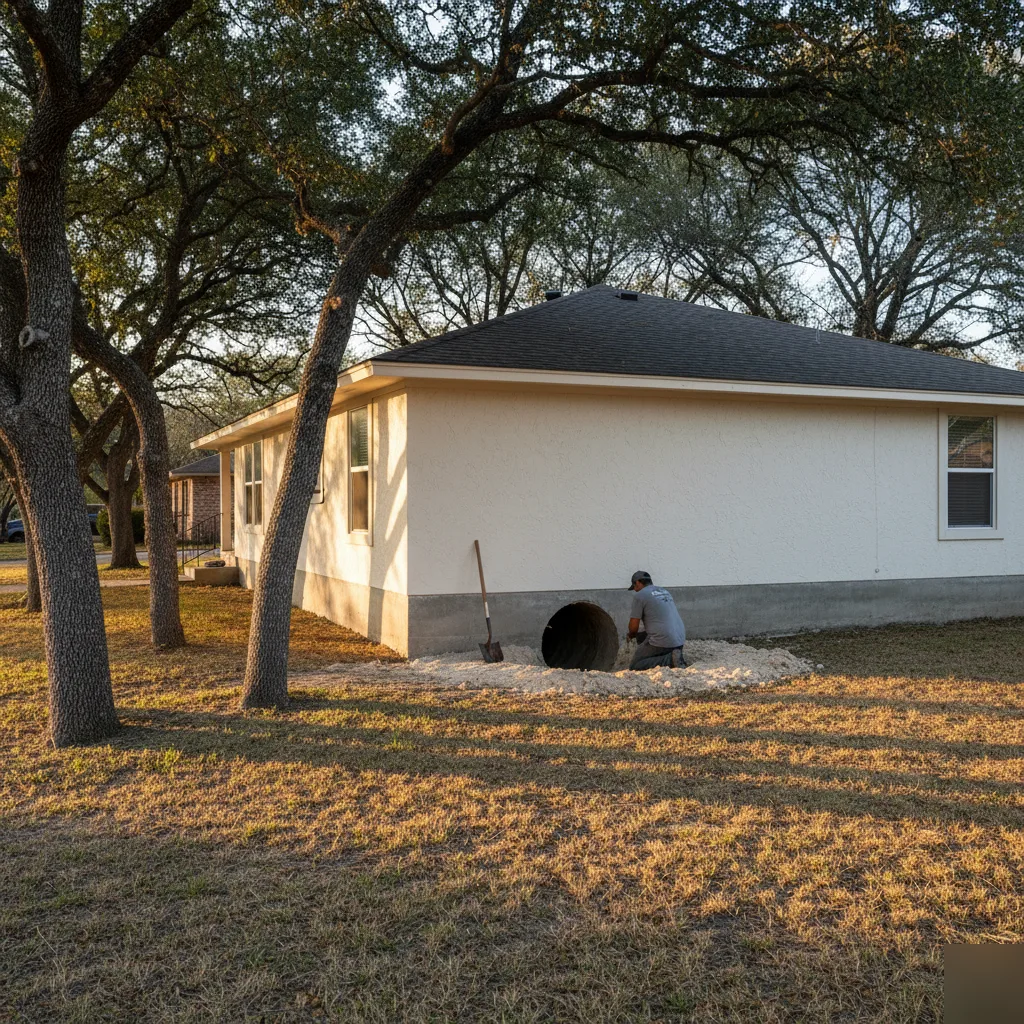
So what does tunneling day look like? Most homeowners picture a big trench across the yard. It is not that. Tunneling works underneath the home, so your landscaping and driveway stay mostly untouched.

  1. 1

    We start by locating the exact spots under the slab or pier and beam frame that need support, based on the elevation readings from the inspection.

  2. 2

    A small access point gets dug, usually along the perimeter of the home or through the crawl space if there is one.

  3. 3

    Our crew hand-digs a tunnel under the foundation footing, working by hand in tight spaces where a machine cannot reach.

  4. 4

    Piers go in at the marked points, driven to refusal so they are sitting on stable ground, not soft dirt.

  5. 5

    We backfill the tunnel and access points once the piers are set and the load is transferred.

  6. 6

    The site gets cleaned up and graded back close to how we found it.

That hand-digging step is the part people underestimate. The crawl space or clearance under a Pflugerville home is tight, especially in older pier and beam houses near the original town center where foundations sit lower to the ground. Machines cannot fit under there, so it comes down to a crew working by hand, section by section.

Timeline depends on how many piers the plan calls for and how the soil behaves that day. Central Texas clay can be workable one week and rock hard the next after a dry stretch. That changes dig speed more than people expect.

Slab home exterior with landscaping left intact during a tunneling repair
Pricing

What Drives Tunneling Costs Up or Down

Every tunneling job is a little different. That is why two houses on the same street can get two different numbers. We look at a handful of things before we can tell you what a job like yours involves.

  • How far the crew has to tunnel to reach the affected pier locations under the slab
  • Soil conditions, since Central Texas clay can be dense and slow to dig through in some spots and soft in others
  • Depth needed to reach stable load-bearing soil, which varies house to house
  • Access around the home, including landscaping, decks, or additions that sit close to the foundation
  • How many piers the repair plan calls for, since tunneling and pier installation are priced as connected work
  • Whether plumbing lines or other utilities run through the planned tunnel path

Homes with tight side yards or additions built close to the property line usually take more time to tunnel under. So do older slabs where the original builder ran plumbing in a spot that does not match today's layout. We have hit that more than once on a job.

The number of piers matters more than most people expect. A repair plan with piers spread across the back of the house needs a longer tunnel run than a plan with piers clustered in one corner. That is part of why the engineer-reviewed repair plan comes before any cost talk, not after.

Here is what is worth asking before you sign anything: what is included in the tunneling itself, how the crew handles unexpected obstructions like old plumbing or roots, and whether the plan changes if they hit something they did not expect once digging starts.

Frequently asked questions

Tunneling in Pflugerville, answered

Will tunneling under my house damage my yard or driveway?

No, tunneling leaves your yard and driveway mostly untouched. Crews work underneath the home through small access points instead of digging a big trench across your lawn. Once the piers are set, we backfill the tunnel and access points, then grade the site back close to how we found it. If you have mature landscaping or a newer driveway near your foundation, this method protects both.

How do I know if my home needs tunneling instead of a regular pier repair?

You need tunneling only when the settled area is landlocked, like under a room addition or a spot with no outside access. If a crew can reach the trouble spot from your yard with a normal exterior dig, that is the simpler and better route. We check crawl space clearance, soil grade, and what sits above the slab before deciding which method fits your home.

Does tunneling mean my floors will get cut open?

No, tunneling avoids cutting through your floors in most cases. We dig underneath the foundation from the outside instead of jackhammering a hole from above. It takes more hand labor and time, but it protects tile or hardwood that is costly to replace. Cutting through the slab only becomes necessary when a pier must go dead center under a load-bearing wall with no other access.

Why do older pier and beam homes in Pflugerville need tunneling more often?

Older pier and beam homes near Pflugerville's original town center often need tunneling because their foundations sit lower to the ground. Once a room addition gets built over the original crawl space, the only way to reach those support posts is from underneath. Tight clearance means machines cannot fit, so our crew hand-digs the tunnel to reach the posts that need support.

Could my foundation cracks be a drainage problem instead of something needing tunneling?

Yes, many cracks come from drainage, not a foundation problem needing piers. We see this often: a downspout dumping water next to the slab, or grading that slopes toward the house. Central Texas clay soil also shrinks and swells with the weather, causing small cosmetic cracks. Fixing the water path first sometimes stops the movement completely, so no tunneling or piers are needed at all.

What happens during a tunneling repair day?

On tunneling day, our crew locates the exact spots under your slab that need support based on elevation readings from the inspection. We dig a small access point, hand-dig a tunnel under the footing, then drive piers to refusal so they rest on stable ground. Once the load transfers to the piers, we backfill the tunnel and clean up the site so it looks close to how we found it.

Worried about ripping up new flooring?

Tunneling solves an access problem. We will tell you straight which option your home needs, not the one that is easier for us. Call Bats Foundation Repair for a free inspection and an honest answer.