
Signs Your Pflugerville Home Needs Structural Raising
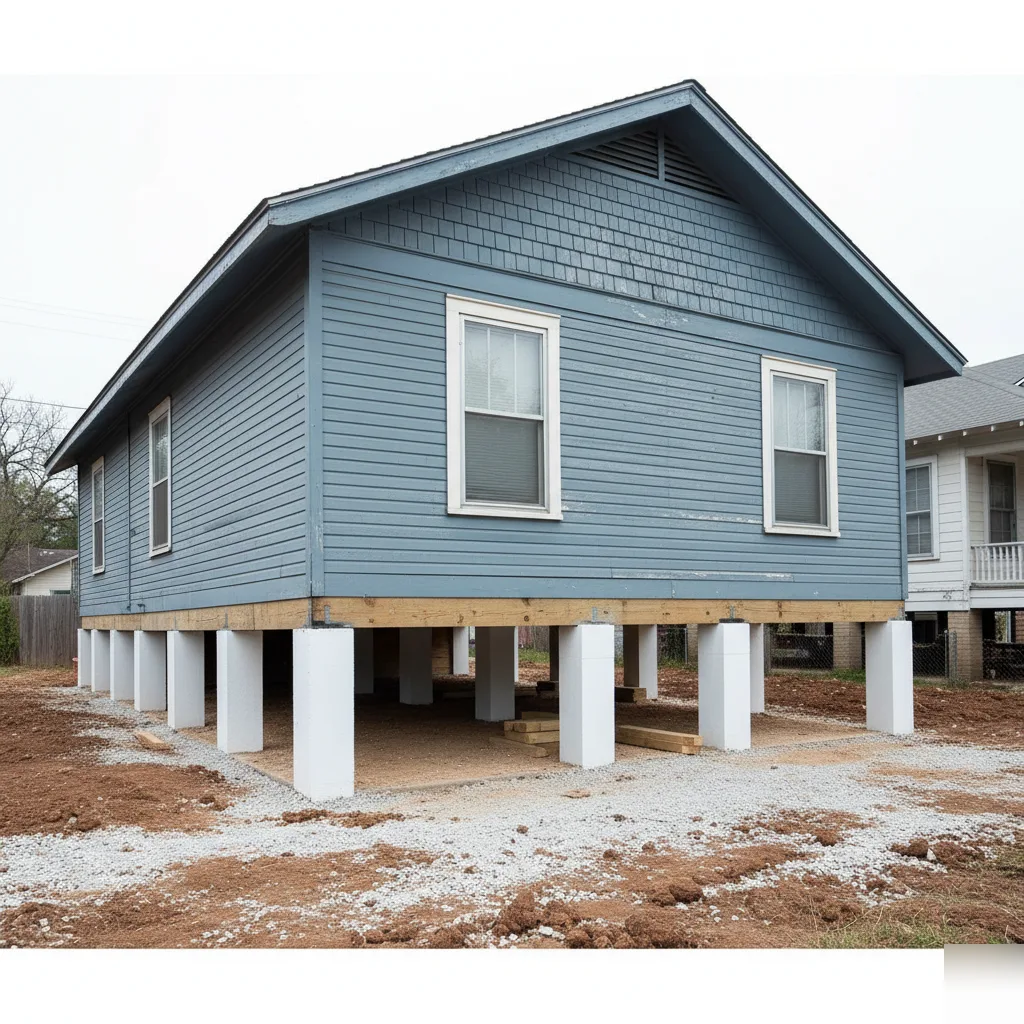
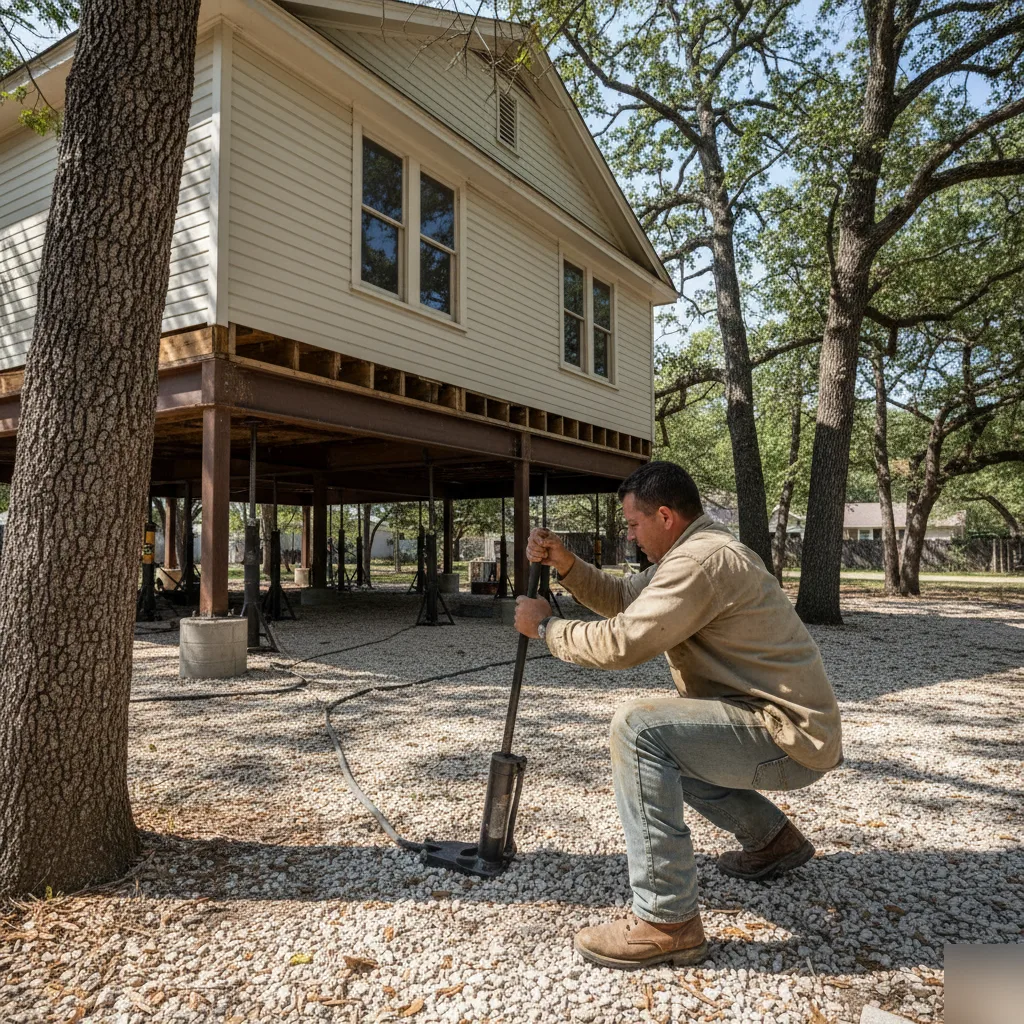
A home usually needs raising when settlement has pulled a section of the slab or pier and beam structure down more than an inch, requiring help from professional foundation repair experts. Doors, floors, or brick then show clear, consistent signs of this. One crack or one sticky door rarely means the whole house needs lifting.
How do you know it's time to call somebody? We look at patterns, not single clues. A door that's stuck since the house was built probably just needs planing. A door that started sticking last spring, along with a new crack over the window and a floor that visibly slopes toward one corner, indicates settlement.
- Doors and windows that stick or won't latch, especially if it's gotten worse over the last year
- Cracks in interior sheetrock running diagonally from door and window corners
- Brick or mortar cracks on the exterior, particularly stair-step patterns
- Floors that visibly slope, or a marble rolling consistently toward one wall
- Gaps between the baseboard and floor, or between the floor and the bottom of interior walls
- Separation where the porch, garage, or patio slab pulls away from the main foundation
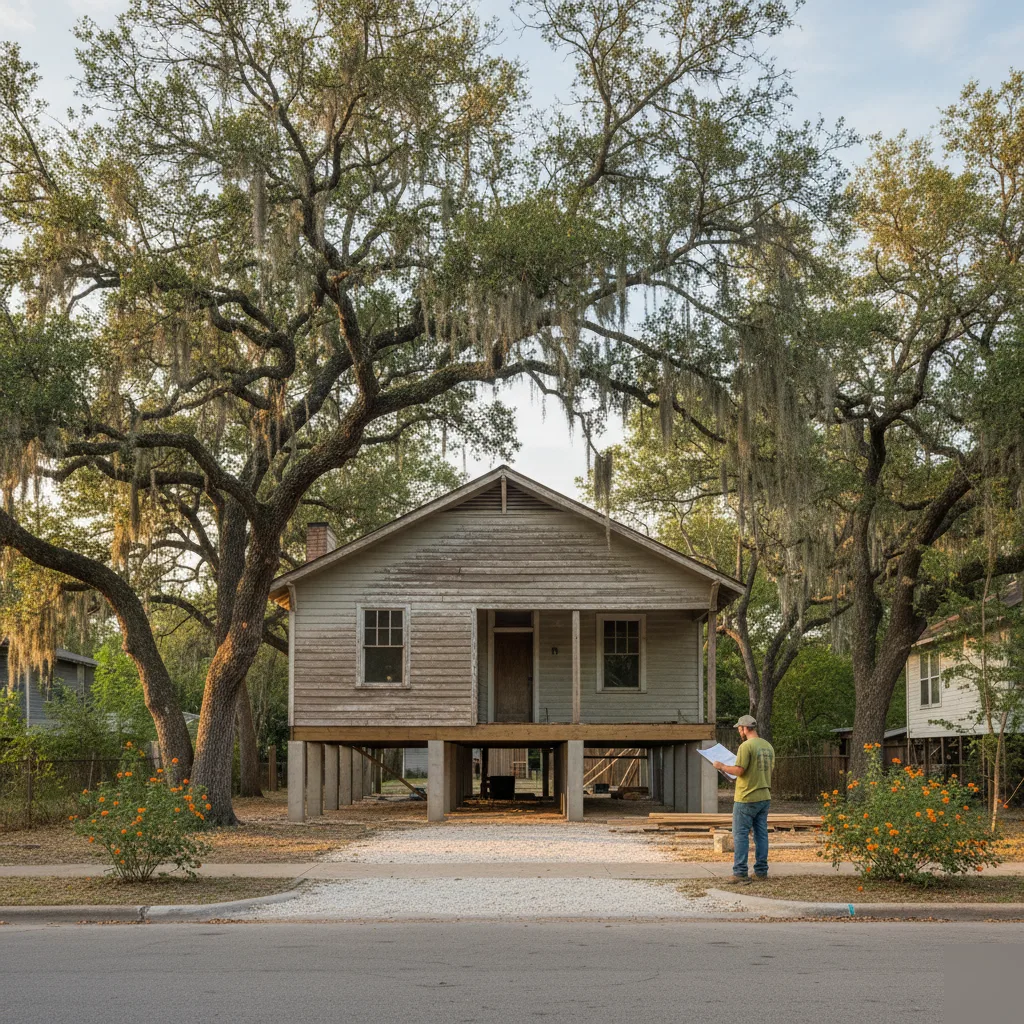
Here in Pflugerville, we see a lot of this tied to soil movement under slab foundations built on expansive clay. Homes near older sections of town with mature trees close to the foundation tend to show it worse. Root systems pull moisture from the soil unevenly through the year. That uneven drying and swelling drags one corner of a slab down while the rest stays put.
We'll pull elevation readings across the slab during an inspection. That's the real test, not guesswork off a doorframe. If the numbers show a section has dropped enough to strain the structure, raising and leveling makes sense. If it's minor and stable, we'll tell you that too.