

House Leveling · Pflugerville, TX

House Leveling in PflugervilleFix Sloping Floors and Sticking Doors for Good

Sticking doors, recurring cracks, and uneven floors are common signs a home needs leveling. We walk the home, check elevations room by room, and explain what's moving before discussing a repair plan.
Warning signs

Signs Your Foundation Needs Leveling

As a top construction company, we know that sticking doors, recurring cracks, and uneven floors are common signs a home needs leveling. These indicate the slab has settled unevenly, not that the house is falling apart.

Often, the first sign someone notices is a door that won't latch correctly. It might have stuck last summer, but now it's worse. This is usually not a hardware problem.

In Pflugerville, many homes are built on expansive clay soil. This soil swells when wet and shrinks during dry spells. When one part of the slab settles more than another, the whole house tilts just enough for you to feel it in the floors before you see it in the walls.

  • Doors and windows that stick or won't latch, especially interior doors
  • Cracks in drywall near door frames or ceiling corners that reopen after patching
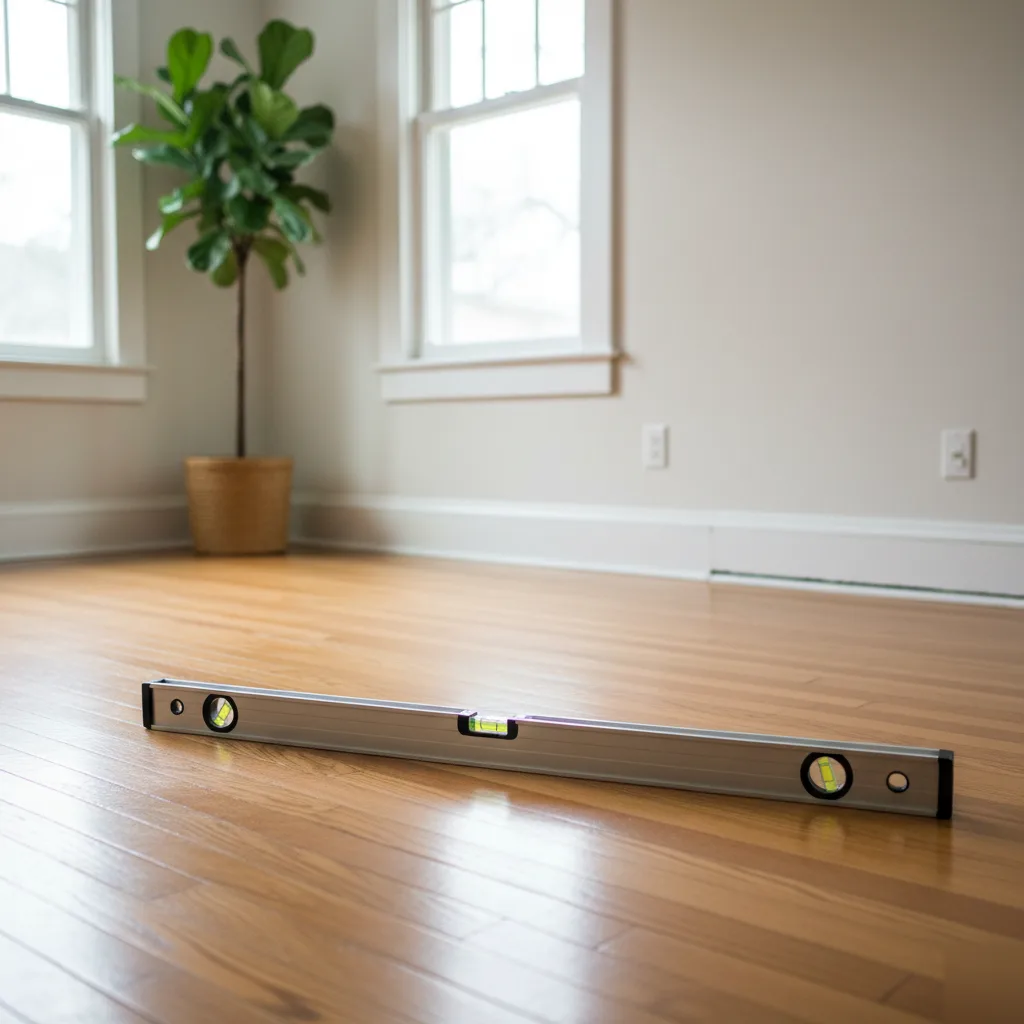
  • Floors that slope when you set a ball or marble down
  • Gaps between walls and ceilings, or between baseboards and the floor
  • Cracks in the exterior brick or the slab itself, particularly stair-step patterns in mortar joints

One crack alone doesn't always mean much. Hairline cracks happen in almost every slab home over time. What matters is the pattern. Does the crack keep growing? Does it show up alongside sticking doors and sloped floors? Is it on more than one side of the house? That combination tells us it's settlement, not just normal wear.

We walk the home, check elevations room by room, and explain what's moving before discussing a repair plan.
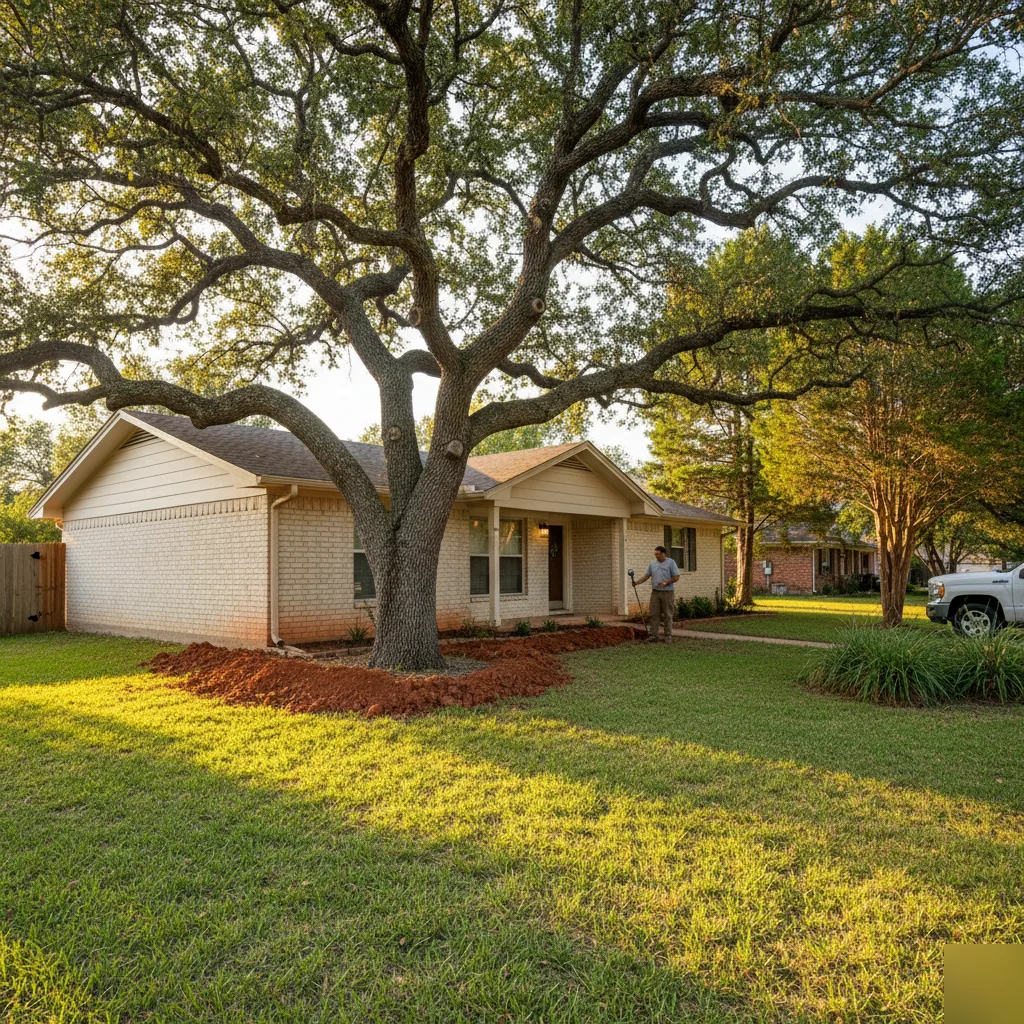
Soil moisture testing beside a ranch home foundation before house leveling
Before you worry

When Your Home Does Not Need Leveling Yet

Not every crack means you need house leveling. We get calls from folks who found a hairline crack in the sheetrock and are already picturing piers going in the yard. Most homes in Pflugerville move a little with the seasons. That's normal for our clay soil and doesn't always mean the foundation needs lifting.

Here's what we look for before recommending leveling. One door sticking in July and swinging free again in January is usually just seasonal movement, not settlement. A few small drywall cracks near windows or corners, especially if they're the same width top to bottom, often point to normal home settling from years ago, not an active problem.

  • Hairline cracks that don't grow or change with the weather
  • One or two doors that stick occasionally but still latch
  • Minor gaps around trim that have looked the same for years
  • Cosmetic cracks in a driveway or patio slab with no separation

So how do you know the difference? We check for a pattern, not just one symptom. A single sticky door on its own tells us almost nothing. We see this every week and it's rarely the whole story.

If your floors feel level when you set a marble down and your exterior brick doesn't show stair-step cracking, you're probably fine for now. Keep an eye on it, manage your drainage, and call us if things change. We'd rather tell you that today than sell you a repair you don't need.

The right method

Matching the Right Method to Your Foundation Type

Not every home levels the same way. That's the truth. A slab foundation and a pier and beam foundation move, settle, and get leveled differently. We see both all over Pflugerville. The right approach depends on what's under the house.

For slab foundations, we typically look at pier installation using pressed concrete pilings or pressed steel pilings. These are driven down until they hit soil that can hold the weight. Steel piers push the home's load onto deeper, more stable ground. They're driven to refusal. This means they stop where the soil pushes back hard enough to carry the structure. That's the goal, not a guess.

Pier and beam homes are different. Instead of piers pushed through a slab, we often work with crawl space support posts, adjusting or replacing shims, and sometimes swapping out damaged joists and beams underneath the house. Older pier and beam homes near Pflugerville's downtown area, some built decades before the newer slab subdivisions, tend to need this kind of underside work more than deep piling.

So how do we decide? We inspect the home first. Elevation readings, crack patterns, and soil conditions all point us toward the right method. Sometimes a home needs a mix. This could be tunneling to access tight crawl spaces combined with pier and beam foundation repair on one side, and slab pier installation on another.

The method should match the problem, not the other way around. Anyone who quotes a fix before looking under your house is guessing.

The process

What Happens During the Leveling Process

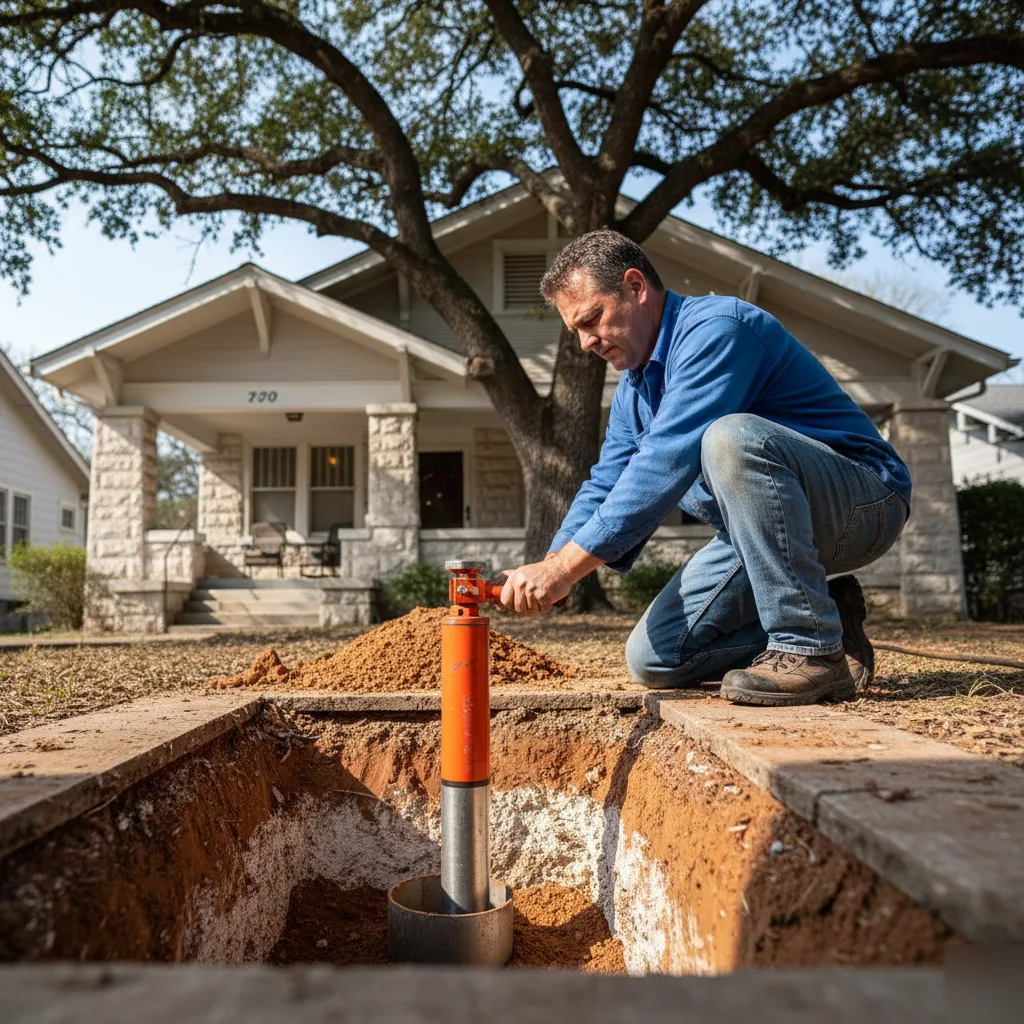
What happens once we start? First we mark the elevations again, right there on the slab. This lets everyone see the low spots. Then we dig access holes at the pier locations. No two jobs look exactly alike, but the sequence stays consistent.

  1. 1

    We expose the foundation at each marked point and dig down to where the pier will go.

  2. 2

    We install the piers, whether pressed steel pilings, pressed concrete pilings, or a pier installation. We drive each one to refusal so it's sitting on stable ground.

  3. 3

    We attach hydraulic jacks to the piers and start lifting slowly, watching the elevation readings the whole time.

  4. 4

    We lift each section to the limits of what the structure will reasonably allow. We don't force it past that point.

  5. 5

    We lock the piers in place and backfill the access holes.

A house doesn't come up like a car on a lift. We raise one section at a time, checking readings between every adjustment. Pushing too fast can crack drywall or tile that wasn't cracked before. We've seen crews try to rush it, and it never ends well.

Most jobs in Pflugerville run one to three days. This depends on how many piers the plan calls for and how deep the crew has to dig to reach solid soil. Clay soil around here doesn't give up its grip easily. Some spots take longer than others.

When the piers are set and the elevations look right, we backfill and clean up the yard. We walk the inside of the house with you so you can see the difference in doors, floors, and windows before we leave.

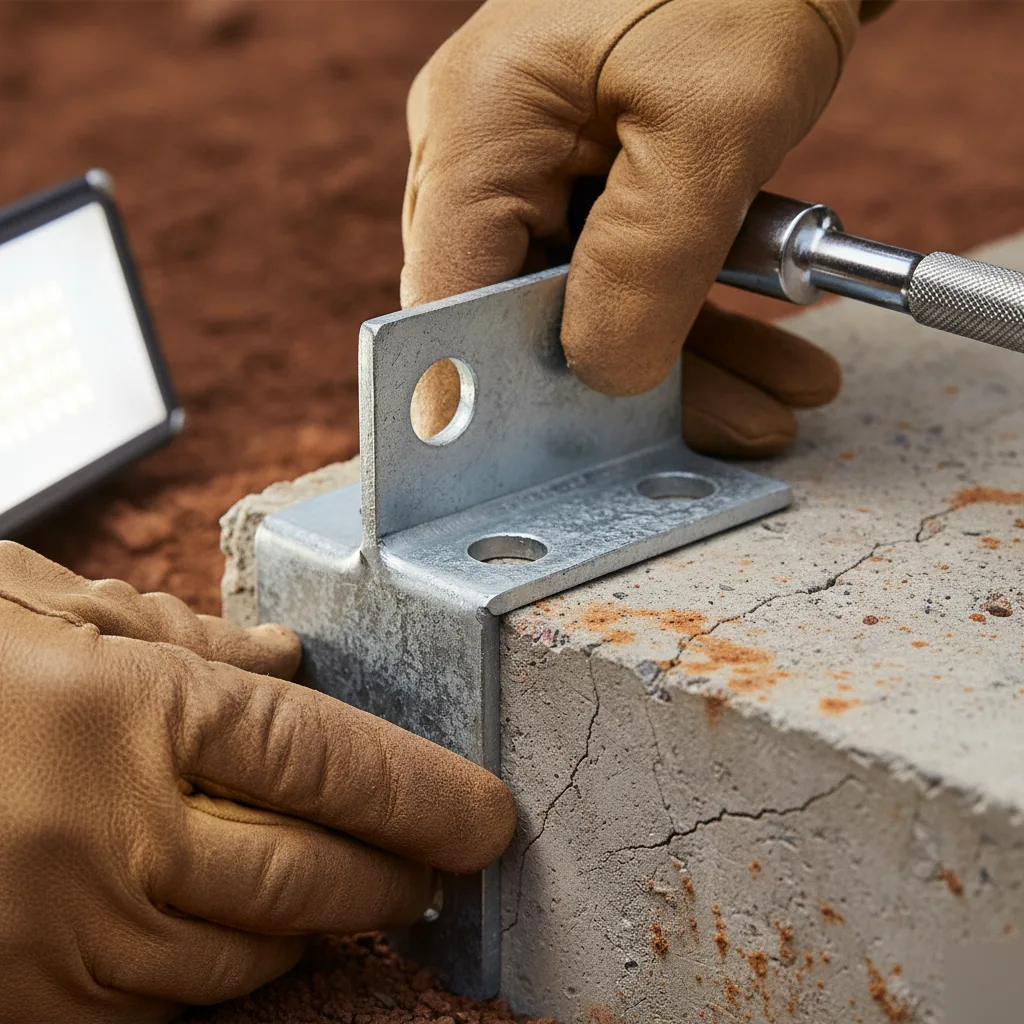
Pier bracket and concrete footing detail during a house leveling job
Pricing

How House Leveling Costs Are Determined

Nobody likes getting a number with no explanation. So let's talk about what moves the price on a house leveling job. It's not one flat fee for every home in Pflugerville.

The biggest factor is how many piers the job needs. That comes from how far the foundation has settled and how much of the house is affected. A home with one corner low needs less work than a house with settlement along two sides. Soil depth matters too. Our piers get driven to refusal. This means they go down until they hit soil that can hold the weight. In some parts of Central Texas that's a few feet down. In others, with the clay we've got around here, it's much deeper.

Access plays a role. Some houses have tight side yards or landscaping that has to come out first. The type of foundation changes things. A slab job and a pier and beam job get priced through different processes because the repair methods aren't the same.

  • Number of piers needed based on how much of the foundation has settled
  • Soil conditions and how deep piers must be driven to reach stable ground
  • Whether it's a slab foundation or a pier and beam foundation
  • Site access, including landscaping, fencing, or tight crawl spaces
  • Any drainage or plumbing issues that need addressing alongside the leveling

That's why we don't hand out a number over the phone. We inspect the home, take elevation readings, and build a repair plan around what your foundation needs. Ask any company how they arrive at their number. If they can't explain it in plain terms, that's worth noticing.

Frequently asked questions

House leveling in Pflugerville, answered

How do I know if my house needs leveling?

Look for a pattern, not just one clue. A single sticky door rarely means much on its own. We look for doors that stick and won't latch, cracks that keep reopening near frames or ceiling corners, and floors that slope when you set a marble down. If several of these show up together, especially with stair-step cracks in exterior brick, that combination points to settlement rather than normal wear.

Could my sticking doors just be normal seasonal movement?

Yes, that's common in Pflugerville. Our clay soil swells when wet and shrinks in dry months, so a door sticking in July and swinging free by January is often just seasonal movement, not settlement. We check whether the sticking is occasional or getting worse over time, and whether it shows up alongside other signs like sloped floors or growing cracks before recommending any repair.

How long does house leveling take to finish?

Most jobs in Pflugerville take one to three days. The timeline depends on how many piers the plan calls for and how deep we need to dig to reach stable soil, which varies with our area's clay conditions. We raise the house one section at a time, checking elevation readings between each adjustment, so we never rush past what the structure can safely handle.

Will leveling my house crack my walls or floors?

It shouldn't, if it's done at the right pace. We lift each section slowly and only to the limits the structure will reasonably allow, watching elevation readings the entire time. Pushing too fast is what causes new cracks in drywall or tile. We've seen other crews rush this step, and it rarely ends well. Careful, gradual lifting protects the finishes you already have.

What's the difference between fixing a slab foundation and a pier and beam foundation?

Slab and pier and beam foundations need different repair methods. For slabs, we drive pressed steel or concrete piers down to stable soil until they reach refusal. Pier and beam homes, common in Pflugerville's older neighborhoods near downtown, often need crawl space support posts, shim adjustments, or joist and beam replacement instead. We inspect the home first so the method matches the actual problem underneath.

Do I need to worry about a hairline crack in my drywall?

Not usually, if it isn't growing or changing with the weather. Hairline cracks show up in almost every slab home over time and are often just normal settling. We look at whether the crack is spreading, whether it's paired with sticking doors or sloped floors, and whether it appears on multiple sides of the house. One crack alone rarely means you need leveling right away.

Not sure if your home needs leveling?

We'd rather tell you that today than sell you a repair you don't need. We inspect the home, take elevation readings, and build a repair plan around what your foundation needs. Call Bats Foundation Repair for a free inspection.