
Concrete Underpinning · Pflugerville, TX

Concrete Underpinningin Pflugerville

Concrete underpinning extends your foundation's support past the unstable Blackland Prairie clay down to load-bearing strata that does not shift with moisture.

We assess the movement, map the pier layout to your home, and lift the foundation back toward its original elevation — then verify the result with the same measurements we started from.

Warning signs

Warning Signs Your Slab Foundation Needs Underpinning

Most folks don't wake up thinking about their foundation. Something catches your eye first: a crack running diagonal from a door frame, or a gap between the wall and ceiling that wasn't there last year. These are signs your home is trying to tell you something.

We see these issues every week in Pflugerville homes.

The Blackland Prairie clay under your slab shifts with the seasons. It swells when it rains and shrinks in the summer heat. Over time that cycle pushes and pulls your foundation until something gives. But the foundation itself doesn't always crack first. Your house shows stress in other places long before the slab splits. Here's what to watch for:

  • Interior doors that stick or won't latch, especially after dry spells
  • Diagonal cracks in drywall near windows and door corners
  • Floors that slope or feel uneven when you walk across a room
  • Gaps forming where walls meet the ceiling or floor
  • Exterior brick cracks in a stair-step pattern along mortar joints
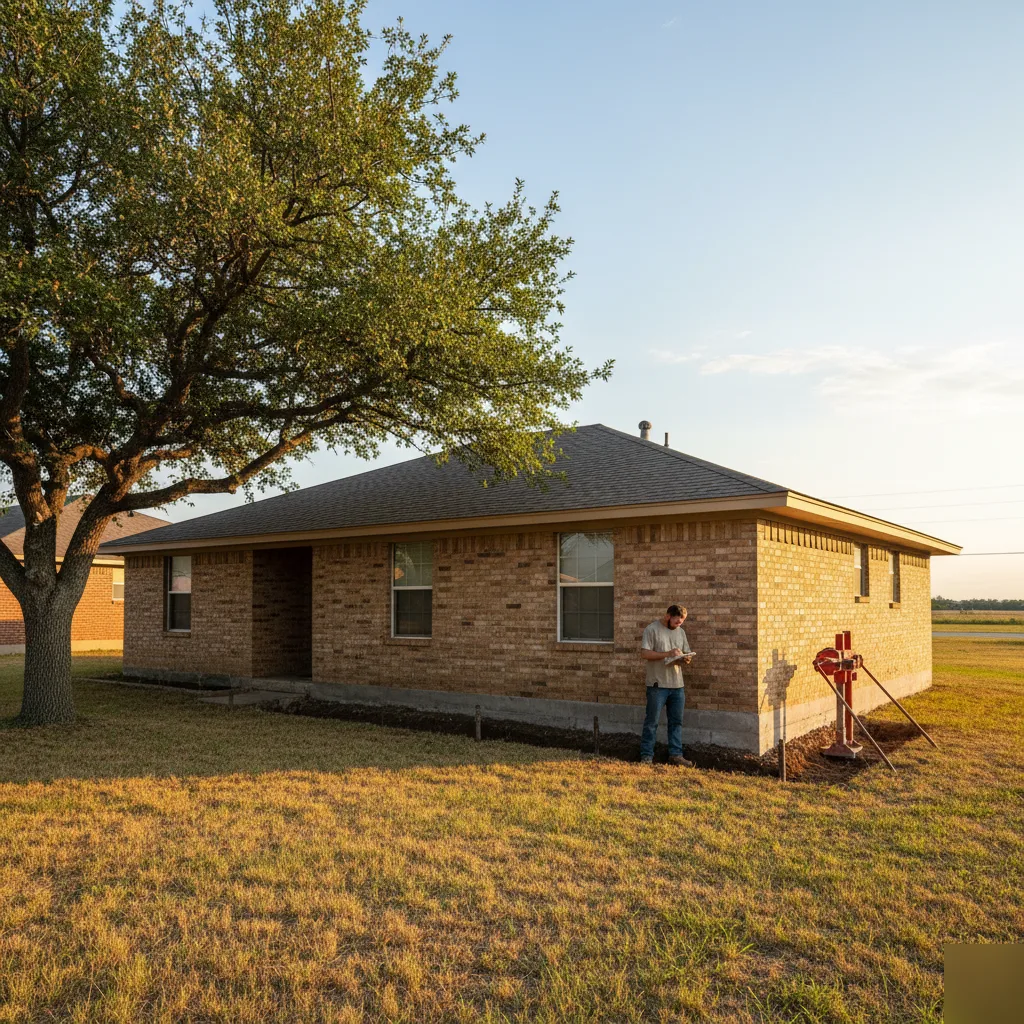
Foundation assessment along the perimeter of a Pflugerville brick ranch home

One thing we hear a lot from homeowners in Windermere and Springbrook is, "I thought the crack was just the house settling." Some minor settling is normal in new construction. But if your home is 20 or 30 years old and new cracks are showing up, that is not settling. That is active movement.

When One Sign Becomes Several

A single hairline crack might not mean much by itself. But two or three signs showing up together? That pattern points to real foundation movement. Perhaps you noticed a door sticking last month. Then this week you spot a crack above the garage. Those aren't coincidences; they're connected symptoms of the same problem underneath your slab.

Not sure if what you're seeing is serious? That is common. A free estimate removes the guesswork. Our crew can check your foundation, measure elevation differences across the slab, and tell you whether concrete underpinning is the right fix. Or if something else is going on. There is no pressure. Just honest answers from a locally owned team with over 40 years working with Central Texas soil conditions.
The root cause

Why Pflugerville Soil Makes Concrete Underpinning a Necessity

Most folks who move to Pflugerville from out of state don't think twice about the ground under their house. Then one summer, they might find a door won't close, a crack zigzags across the living room wall, or the floors feel off. They stand in the kitchen wondering what happened.

What happened is the soil.

Pflugerville sits right on top of Blackland Prairie clay. This is one of North America's most expansive soil formations, according to the USDA Natural Resources Conservation Service. The dominant soil type here is Vertisol, loaded with a mineral called montmorillonite. That mineral is the reason your foundation moves. It swells when it gets wet and shrinks hard when it dries out. We're talking volume changes of up to 15% between seasons.

Think about what that does year after year. During a long, dry Pflugerville summer, the clay pulls away from your slab and creates voids underneath. Then spring rains hit. The clay rehydrates and pushes back up with force that can reach 5,500 pounds per square foot. That cycle never stops; the damage just keeps compounding. Homes in neighborhoods like Windermere and Heatherwilde have been through decades of this. We constantly see this in those subdivisions.

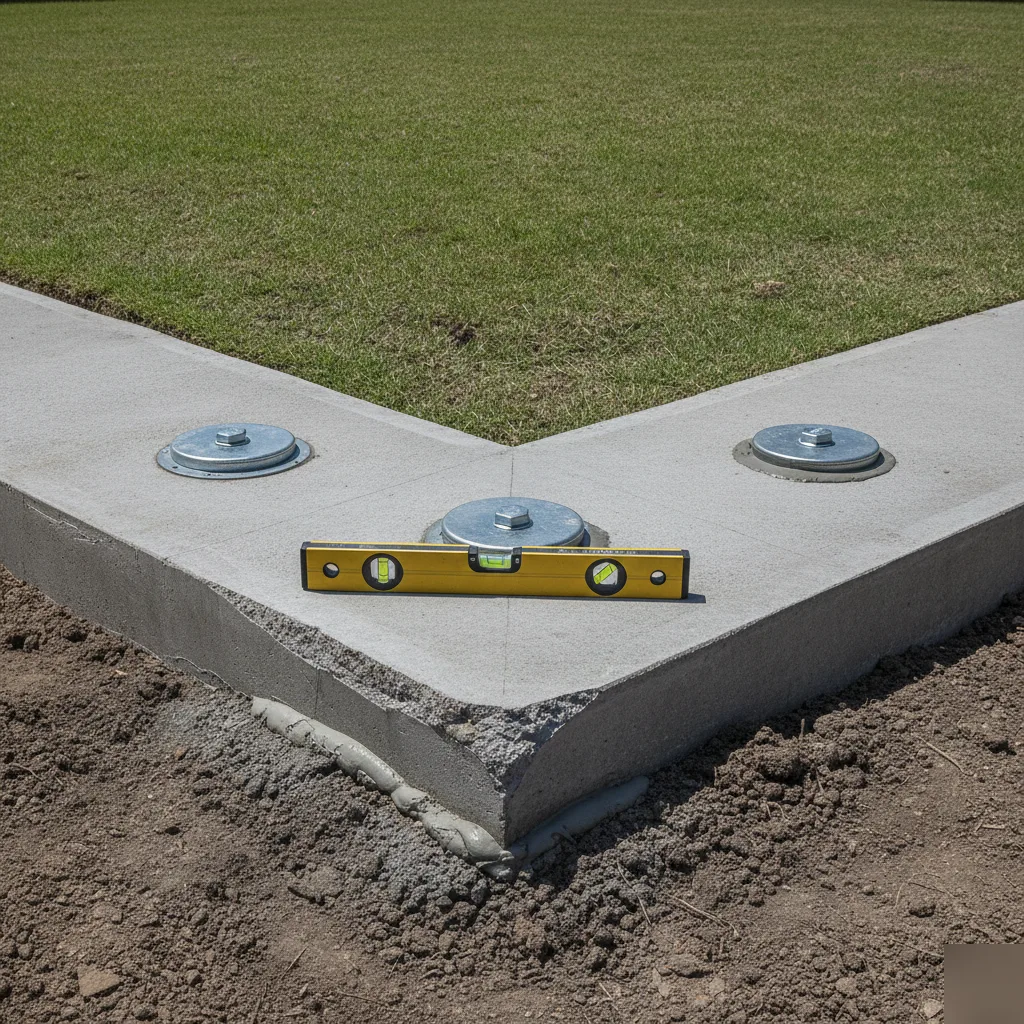
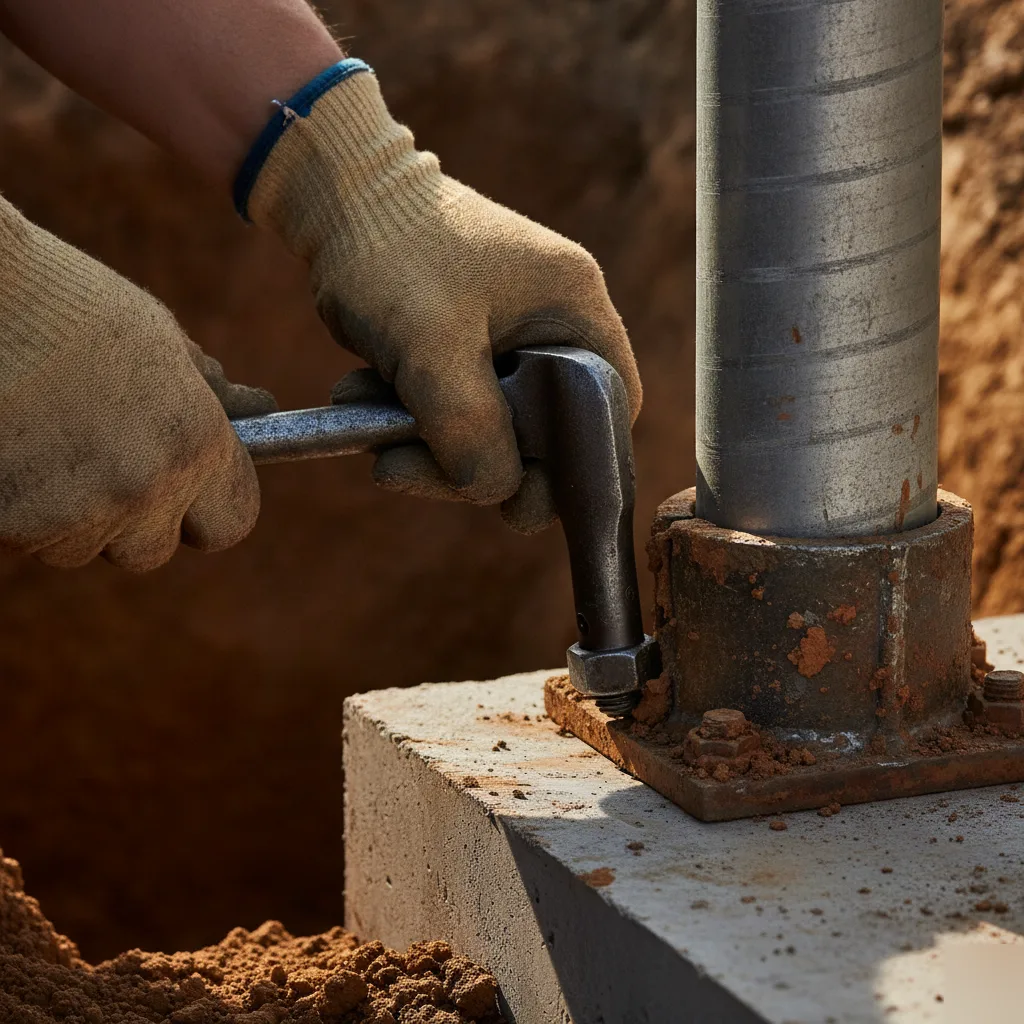
Push pier torque bolt set in the expansive clay soil beneath a Pflugerville foundation

Here's why concrete underpinning matters in this specific soil. This technique extends your foundation's support. It goes down past the unstable clay layer to load-bearing strata that do not shift with moisture. Without that deeper support, you rely on soil that literally changes shape every year. That soil cannot hold your house in place. That's not a plan. That's a gamble.

Signs the soil has already done damage include:

  • Doors and windows that stick or won't latch
  • Diagonal cracks in drywall, especially near door frames
  • Gaps forming between walls and ceilings
  • Uneven or sloping floors you can feel when you walk

When a Pflugerville homeowner calls us about one of these symptoms, the clay soil is the root cause. Concrete underpinning addresses it at the source. It is not a patch. Not a fix. It is a real solution that reaches stable ground.

Our process

The Concrete Underpinning Process from Assessment to Completion

People ask us all the time what a concrete underpinning job looks like start to finish. Fair question. It's your home, you should know exactly what's happening under it.

Here's how we handle it in Pflugerville, step by step:

  1. 1
    Initial assessment

    We walk your property and check all visible signs of movement: cracks in drywall, doors that won't latch, uneven floors. We use a manometer to measure elevation differences across the slab down to fractions of an inch.

  2. 2
    Engineering plan

    Based on what we find, we map out exactly where piers need to go. Pier spacing depends on the load your structure carries and how much the Blackland Prairie clay has shifted underneath. Every home in Pflugerville sits on slightly different ground, so cookie-cutter plans don't work.

  3. 3
    Excavation

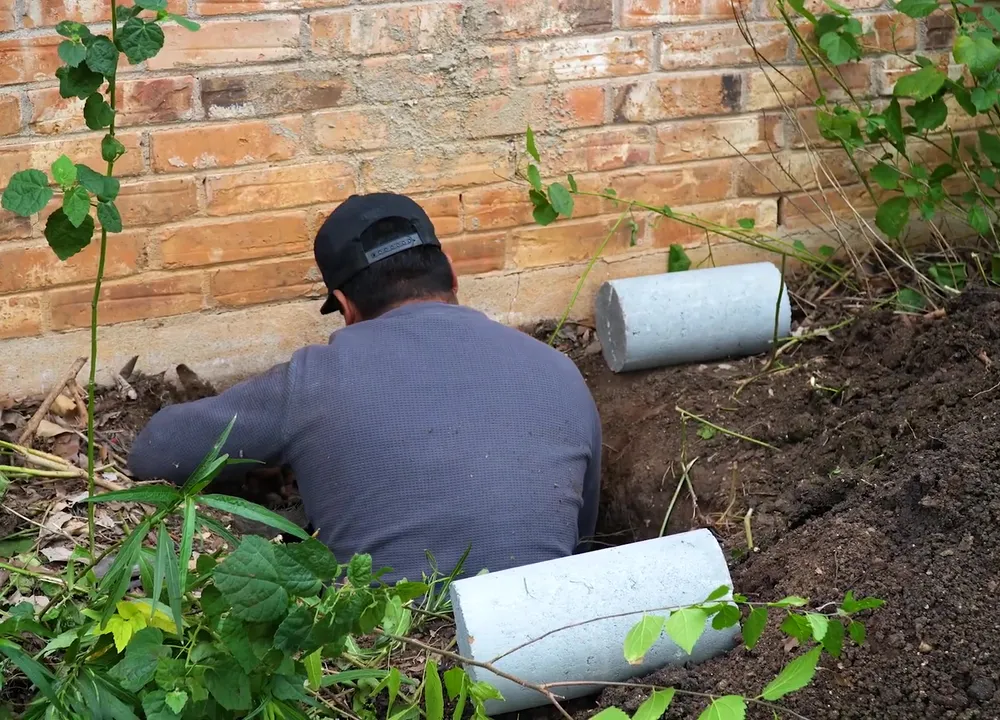
    Our crew digs access points along the foundation's perimeter at each planned pier location. These are typically about two feet wide and deep enough to expose the footing.

  4. 4
    Pier installation and lift

    We place concrete underpinning sections beneath the footing and drive them to stable soil or bedrock. Then we use hydraulic jacks to carefully raise the foundation back toward its original elevation.

  5. 5
    Verification

    We re-check elevations across the slab after the lift. We're looking for the best possible recovery without stressing the structure.

  6. 6
    Backfill and cleanup

    Excavated soil goes back in and gets compacted. We leave your yard as close to how we found it as possible.

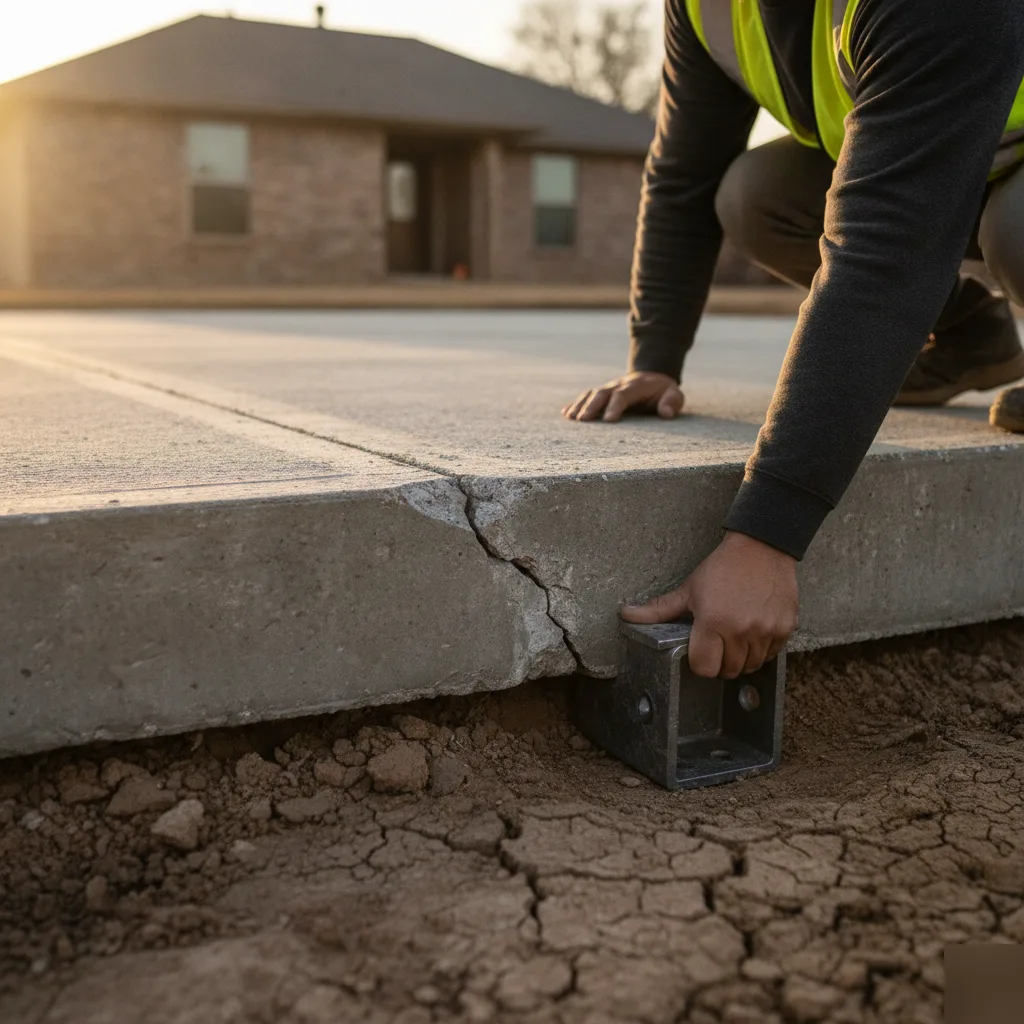
Crew positioning a pier beneath a settled slab foundation in Pflugerville

Most residential jobs in neighborhoods like Windermere or Springbrook take one to three days. Bigger homes or commercial properties can run longer, but we'll tell you the timeline before we start.

You can stay in your home the entire time. There's noise from the equipment, sure. But you won't need to relocate your family or empty out rooms. Our crew keeps the work area tight; we don't spread tools and materials across your whole yard.

The whole point of this process is control. Every step feeds the next one. Skip the assessment and you're guessing at pier placement. Rush the lift and you risk cracking tile or stressing plumbing. We've done this work across Central Texas for over 40 years, so nothing gets skipped.

Matching the method

Choosing the Right Underpinning Method for Your Foundation Type

Not every foundation gets the same fix. That is something we tell Pflugerville homeowners often. The right concrete underpinning method depends on what is under your house and what the soil is doing.

Slab foundations and pier and beam foundations behave differently when the ground shifts. A slab sitting on Blackland Prairie clay needs a different approach. This differs from a raised pier and beam home in the Windermere neighborhood. We look at the foundation type first, then match the method to the problem.

What Drives the Decision

Our crew evaluates several things before recommending an approach. Here's what matters most:

  • Foundation type Slab-on-grade, pier and beam, or block and base each respond to soil movement differently.
  • Depth to stable soil Some properties need piers driven deeper to reach load-bearing strata beneath the clay.
  • Severity of settlement Minor settling versus major structural drop calls for very different solutions.
  • Access around the home Tight lots or landscaping can affect which equipment we bring in.
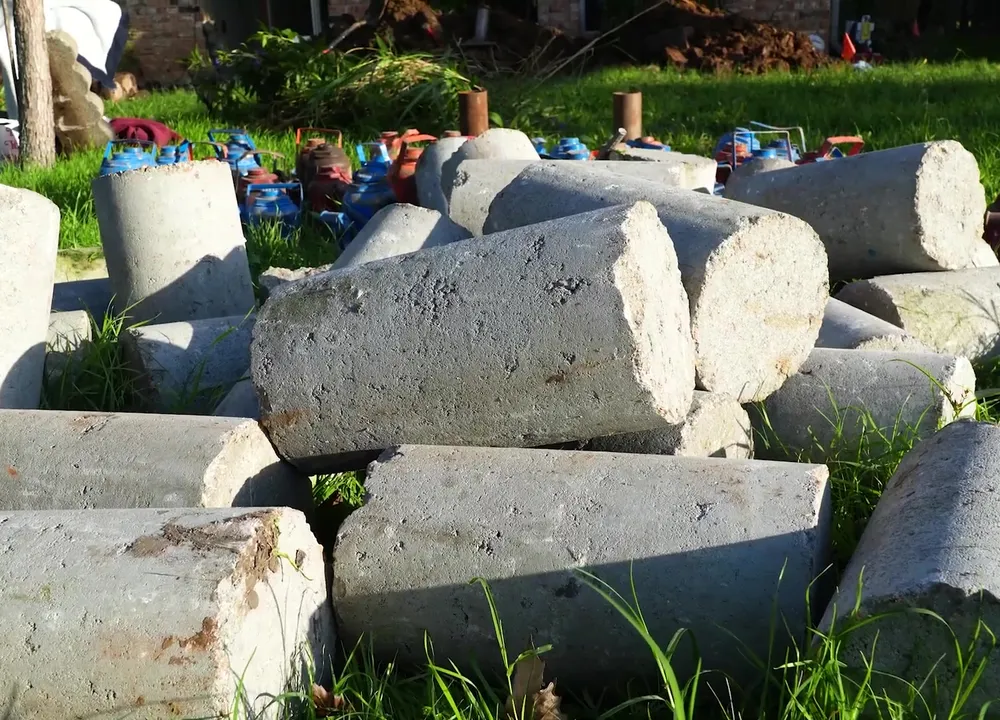
Concrete underpinning pilings staged beside a Pflugerville slab foundation

For slab foundations, we often use pressed concrete pilings or steel push pier installation to lift and stabilize the structure. Steel piers go deeper. They're the go-to when we need to reach past unstable clay layers that keep shifting season after season. Pressed concrete pilings work well for moderate settlement where stable soil sits closer to the surface.

Pier and beam homes give us more access underneath. Tunneling or crawl space support posts might be a better call. Sometimes polyurethane foam injection handles smaller voids under a slab without a full pier job.

Homeowners often think they need the biggest, most involved repair. After our free estimate, we frequently find a more targeted solution does the job. Our team has spent over 40 years performing foundation repair in Pflugerville TX — long enough to know exactly which method holds up long term in Central Texas soil. We won't recommend more than your home needs; that's not how we operate.

Need help figuring this out? Give us a call at (512) 584-6557.

After the repair

Protecting Your Repair: What to Do After Concrete Underpinning

The piers are in. Your foundation is stable again. But the work is not really done until you take a few steps to protect your investment. We tell every homeowner in Pflugerville the same thing after we finish a concrete underpinning job: your actions in the next few months matter.

Most people don't realize that soil management is the single biggest factor in long-term foundation health. Out here on Blackland Prairie clay, that means paying attention to moisture levels around your home year-round. The goal is consistency. You don't want the soil bone-dry against your slab in August, then soaked through in April. That swing is exactly what caused the problem in the first place.

Here's what we walk through with homeowners after every project:

  • Set up a soaker hose routine Run a soaker hose 12 to 18 inches from your foundation during dry stretches. Even two or three times a week makes a real difference.
  • Check your gutters and downspouts Water pooling near the slab is just as bad as drought. Make sure downspouts direct water at least four feet away from the house.
  • Watch your grading Soil should slope away from your foundation on all sides. If you notice low spots forming, fill them in before the next heavy rain.
  • Keep large trees in check Big oaks and pecans can pull massive amounts of moisture from the soil. Root barriers are worth considering if a tree sits within 15 feet of your slab.
  • Monitor your interior indicators Doors, windows, drywall cracks. These are your early warning system. If something starts sticking again, call us before it gets worse.
Concrete pier set beneath the footing of a Pflugerville home during underpinning

We see this every week: a homeowner does the repair, then forgets about the soil. Two years later, they are calling again. It doesn't have to go that way.

Homes in neighborhoods like Windermere and Springbrook sit on some of the most reactive clay in the Pflugerville area. A little prevention goes a long way. With the lifetime transferable warranty that comes with our work, you have backup if the ground ever shifts again. Taking care of the soil around your foundation is the best thing you can do. It ensures you never need to use that warranty.

Frequently asked questions

Concrete underpinning in Pflugerville, answered

How long does a concrete underpinning job take in Pflugerville?

Most residential jobs in Pflugerville take one to three days from start to finish. That includes excavation, pier installation, the lift, and backfill. Larger homes or properties with more extensive movement may run longer. We give you a clear timeline before we start so you know exactly what to expect. You won't be left guessing how long your yard will be dug up or when you can use your doors normally again.

Is my foundation actually moving, or is this just normal settling?

If your home is 20 or 30 years old and new cracks are appearing, that is active movement — not normal settling. New construction does settle a little in the first few years. But fresh diagonal cracks near door frames, doors that suddenly won't latch, or gaps forming between walls and ceilings in an older home are signs the slab is still shifting. One symptom alone might not be urgent. Two or three showing up together means you should get it checked.

Why do Pflugerville homes need underpinning more than homes in other areas?

Pflugerville sits on Blackland Prairie clay, one of the most expansive soil types in North America. The clay swells when it rains and shrinks hard in summer heat. Volume changes can reach up to 15% between seasons. That repeated pushing and pulling is what knocks foundations out of level over time. Neighborhoods like Windermere and Heatherwilde have been through decades of this cycle. Concrete underpinning reaches past that unstable clay layer down to soil that doesn't move with moisture.

What happens to my yard during the underpinning process?

Our crew digs access points along the foundation perimeter at each pier location. Each opening is roughly two feet wide and deep enough to reach the footing. After the piers are set and the lift is done, we backfill and compact the soil. We work to leave your yard as close to how we found it as possible. Most homeowners are surprised by how manageable the disruption is compared to what they imagined before the job started.

Can I stay in my home while the underpinning work is being done?

Yes, you can stay in your home during most concrete underpinning jobs. The work happens outside along the foundation perimeter. There is no major interior disruption during the process. You may hear equipment and notice some yard activity, but your daily routine inside the house stays mostly normal. We let you know upfront if anything about your specific job would change that so you can plan accordingly.

How do I know if the underpinning actually worked after the job is done?

We re-check elevations across your slab after the lift using the same manometer we used during the assessment. That gives you a before-and-after measurement you can see. Doors that were sticking often latch normally again. Gaps between walls and ceilings may close partially or fully depending on how long the movement had been going on. We walk you through the results before we leave so you know exactly what was corrected and what to watch for going forward.

Not Sure What You're Looking At?

That's common. A free estimate removes the guesswork. Our crew can check your foundation, measure elevation differences across the slab, and tell you whether concrete underpinning is the right fix — or if something else is going on. There is no pressure. Just honest answers from a locally owned team with over 40 years working with Central Texas soil conditions.