
Concrete Slab Foundation Repair · Pflugerville, TX

Concrete Slab Foundation Repair in Pflugerville

Concrete slab foundation repair in Pflugerville done right. Bats Foundation Repair diagnoses cracks, settling, and damage. Get a local expert on-site today.

Warning signs

Warning Signs Your Slab Foundation Needs Attention

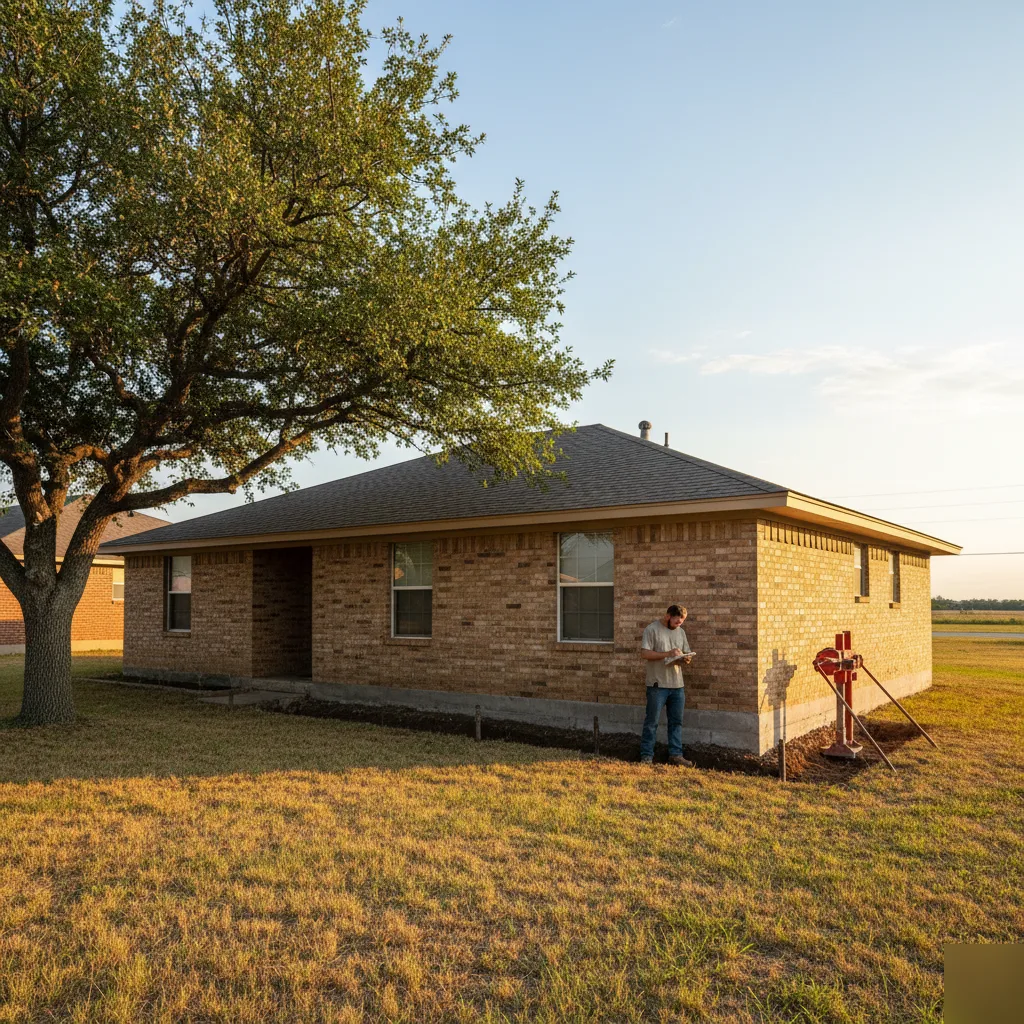
Most homeowners don't spend much time thinking about their foundation. Usually, something visible catches your attention first. Maybe a crack runs diagonally from a door frame. Or a gap between the wall and ceiling appears that wasn't there before. These are the signals your slab foundation sends when it needs help.

We see these issues often in Pflugerville homes.

Here's what to look for. Some signs are obvious, others are more subtle:

  • Interior doors that stick or won't latch, especially after a long, dry summer.
  • Diagonal cracks in drywall, often near window and door corners.
  • Floors that feel uneven or slope toward one side of the house.
  • Gaps forming where walls meet the ceiling, or where trim pulls away from the wall.
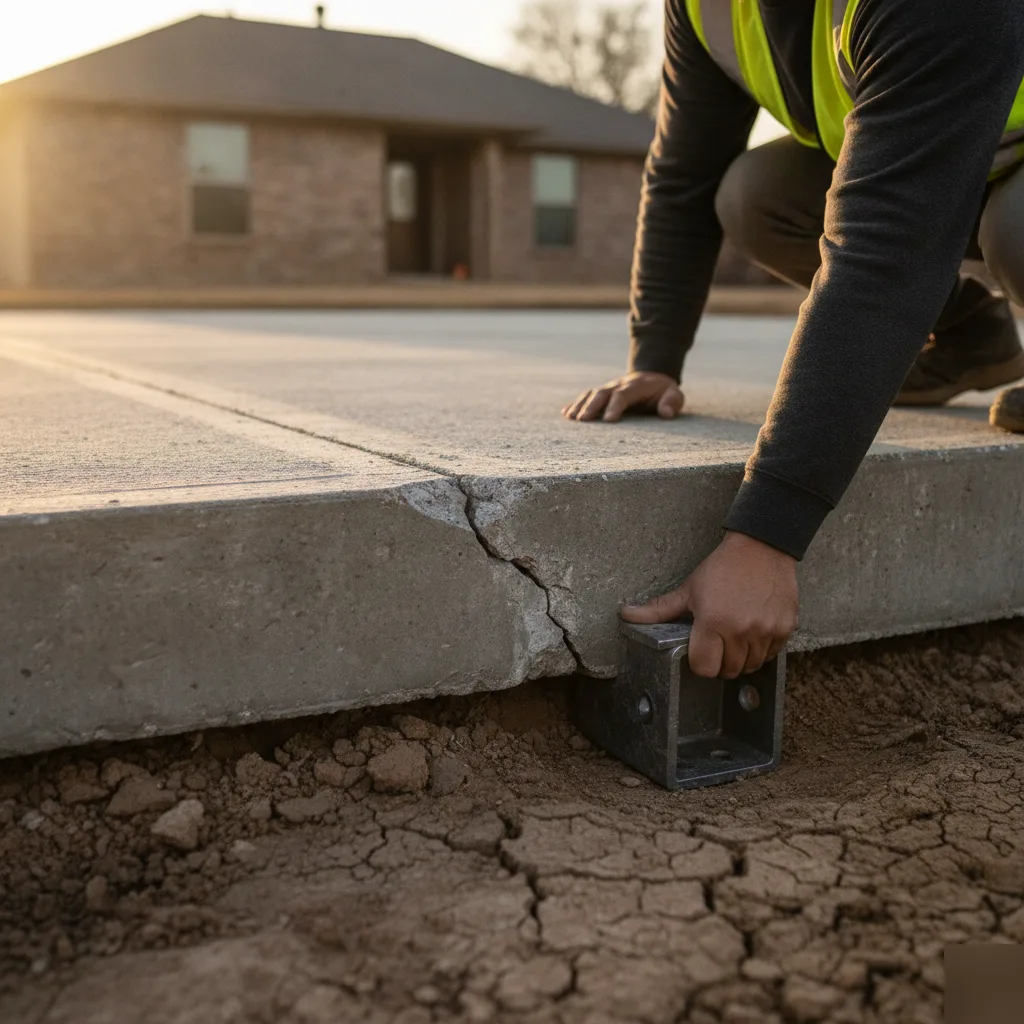
  • Exterior cracks in the brick veneer or the visible edge of the slab itself.

Not every crack means disaster. Hairline cracks in drywall can happen from normal settling. But when you notice multiple signs at once, that's a pattern. These patterns tell a story about what's happening underneath your slab.

We recently saw this in the Windermere neighborhood. A homeowner observed her back door dragging on its frame every August. By October, it would close properly again. She thought it was simply "Texas heat." This seasonal change is a classic indicator of Blackland Prairie clay behavior, with the soil shrinking and swelling beneath the slab. By the time she called us, the movement had been compounding for years.

So, how do you distinguish between cosmetic and structural issues? A good rule of thumb: if a crack is wider than a quarter inch, or if it's growing, don't wait to address it. Also, if your floors slope enough that you can feel it while walking through a room, something has shifted below.

Not sure what you're seeing? That's common. Our team at Bats Foundation Repair offers free estimates. There's no risk in having us take a look. Catching these signs early can save you from a much larger concrete slab foundation repair job later. Your foundation won't fix itself, but the repair process doesn't have to be stressful.

Crack measurement on a concrete slab foundation surface in Pflugerville
The root cause

Why Pflugerville Soil Puts Slabs Under Constant Stress

Many people who move to Pflugerville from other states don't consider soil conditions. Then a door begins to stick. Cracks appear in the drywall above a window frame. Suddenly, they need answers they never expected to seek.

Here's what happens beneath your home. Pflugerville is located directly on Blackland Prairie clay, one of the most active soil formations in North America. The dominant soil type is Vertisol. This soil is rich in a mineral called montmorillonite, which reacts to moisture like a sponge. When it gets wet, it swells. When it dries out, it shrinks. The Texas A&M AgriLife Extension reports this clay can change volume by up to 15% between wet and dry conditions.

That's a significant volume change happening right under your slab.

Consider a typical year here. Long, hot summers bake the ground dry for months. The clay pulls away from your foundation, creating voids beneath it. Then, heavy spring rains arrive, dumping inches of water in a short period. The clay rehydrates quickly, pushing upward with forces that can reach 5,500 pounds per square foot. This shrink-swell cycle repeats every year. We see the cumulative damage in neighborhoods like Windermere and Heatherwilde, where homes have endured over 30 years of this cycle.

So, what does this look like inside your house? You might notice:

  • Doors or windows that suddenly won't close correctly.
  • Diagonal cracks running from door frames up toward the ceiling.
  • Gaps forming between walls and the ceiling line.
  • Floors that feel uneven or slope toward one side of the room.

These signs indicate soil movement under the slab. It's not your house falling apart. It's the ground reacting as Pflugerville ground often does. However, ignoring it allows the damage to worsen each season, leading to bigger problems. The good news is that understanding the cause makes the solution much clearer.

The assessment

How a Professional Slab Foundation Assessment Works

Most people contact us after noticing something amiss. A door that won't latch. A crack running diagonally from a window frame. Floors that feel like they slope toward the kitchen. These are clues, but they don't reveal the full story.

That's where a proper assessment helps. When our team visits a Pflugerville home, we don't just visually inspect cracks. We conduct a complete elevation survey of your slab. We use a manometer or digital level to map high and low spots across the entire foundation. This provides us with precise data. We can see exactly where the slab has shifted, how far it's moved, and its direction.

What We Check During the Assessment

Every concrete slab foundation repair job begins with the same careful process. Here's what happens during a typical visit:

  • We walk the exterior to look for separation between the slab edge and the soil. We also check for visible cracks in the beam and any drainage problems directing water toward the foundation.
  • Inside, we check every door and window for binding or gaps. We inspect drywall and tile for cracking patterns. We also note any floor slope you can feel underfoot.
  • We take elevation readings at multiple points across the slab, usually in a grid pattern. This helps us build a clear picture of any movement.
  • We examine the soil conditions around your home. In areas like Windermere, the Blackland Prairie clay can shift between seasons.
  • We compile all our findings. Then, we walk you through what we discovered, what it implies, and your available options.

Often, the homeowner already suspects an issue. The assessment simply confirms it with data rather than guesswork.

Here's an important point: not every home requires piers. Sometimes, we find minor settling that doesn't yet need structural work. We will tell you this directly. With over 40 years of combined experience, our crew understands the difference between cosmetic cracking and actual structural movement. We are a locally owned company and a BBB member. Our reputation in this community means more to us than selling an unnecessary job.

The assessment is free, with no obligation or pressure. You just get honest answers to help you decide.

Repair methods

Repair Methods Used for Concrete Slab Foundations

Not all slab problems require the same solution. We regularly tell Pflugerville homeowners this because the repair method must match what the soil and slab are actually doing. A house settling on one corner needs a different approach than a slab heaving up in the middle. We determine the appropriate method during the inspection, then develop a tailored plan.

Here are the primary methods we use for concrete slab foundation repair:

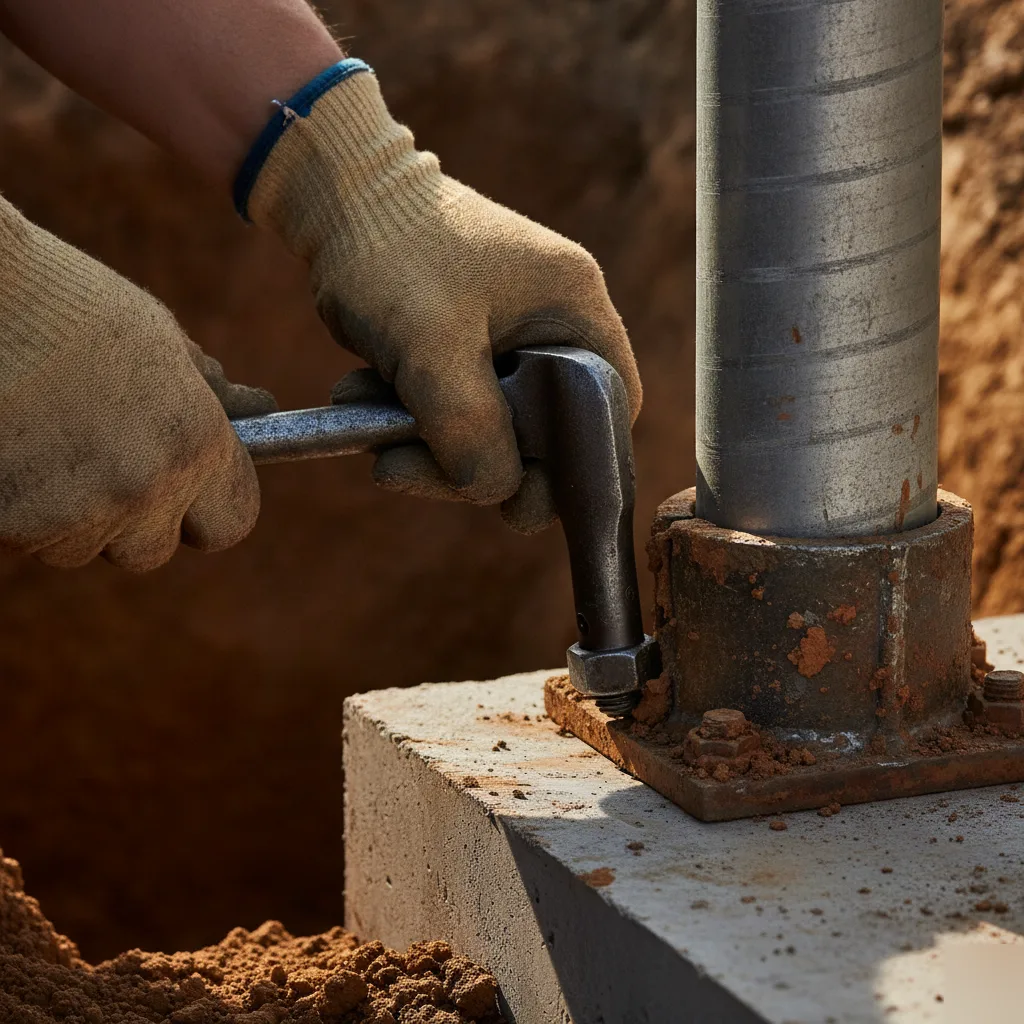
  • Pressed steel pilings are driven deep past the unstable clay into load-bearing strata. These are our preferred solution for serious settling. They also include a lifetime transferable warranty.
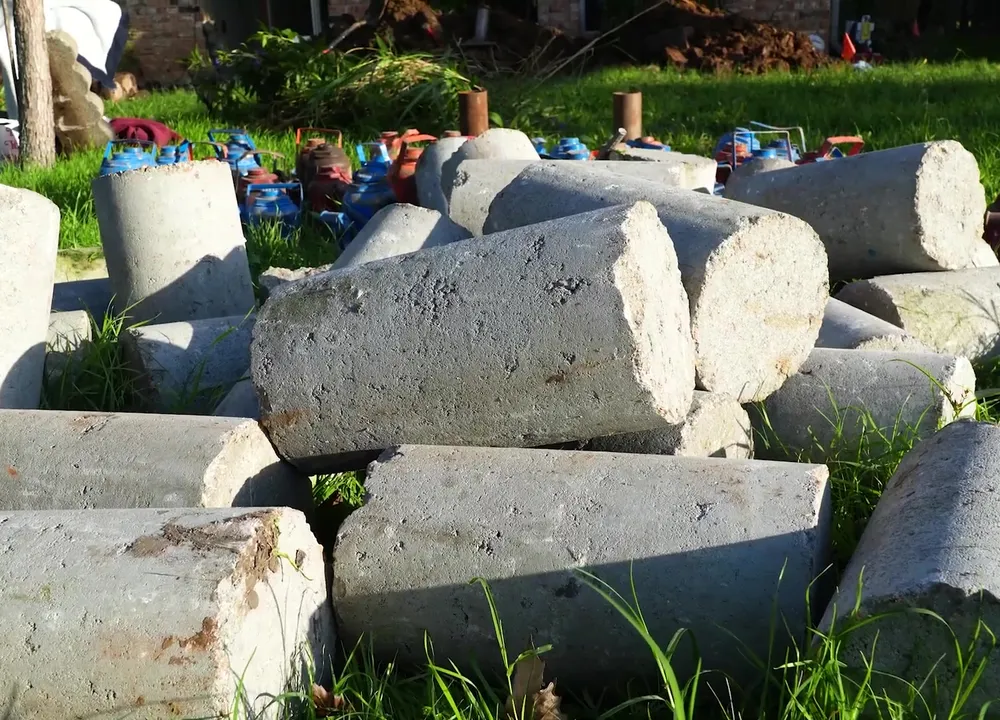
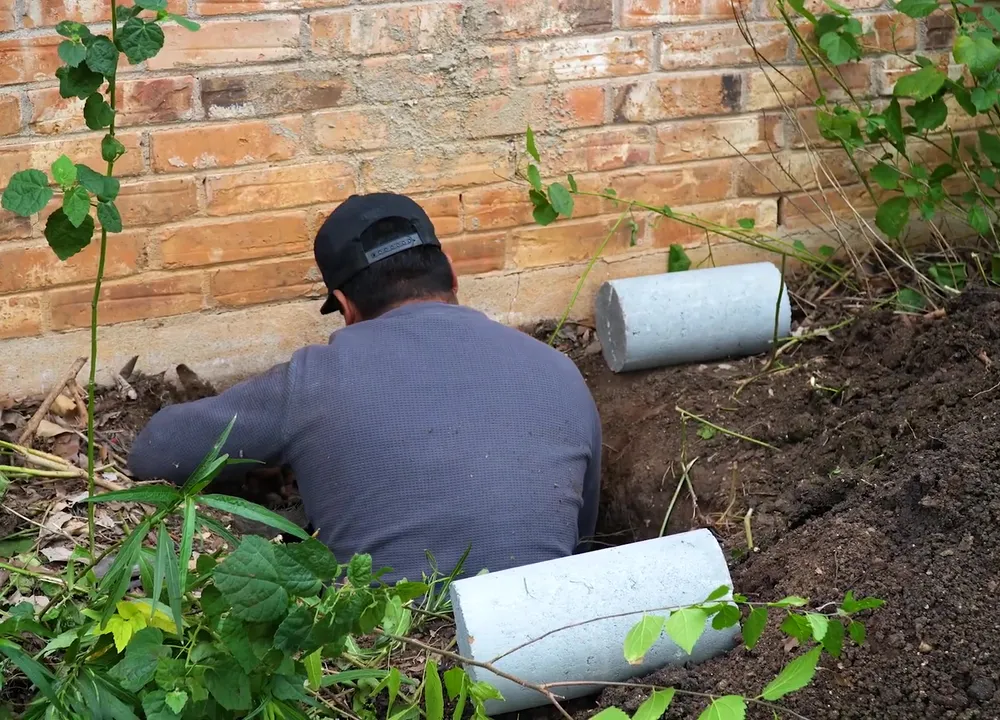
  • Pressed concrete pilings involve stacking concrete cylinders pushed beneath the slab to stabilize and lift it. This is a proven solution for many homes in neighborhoods like Heatherwilde and Windermere.
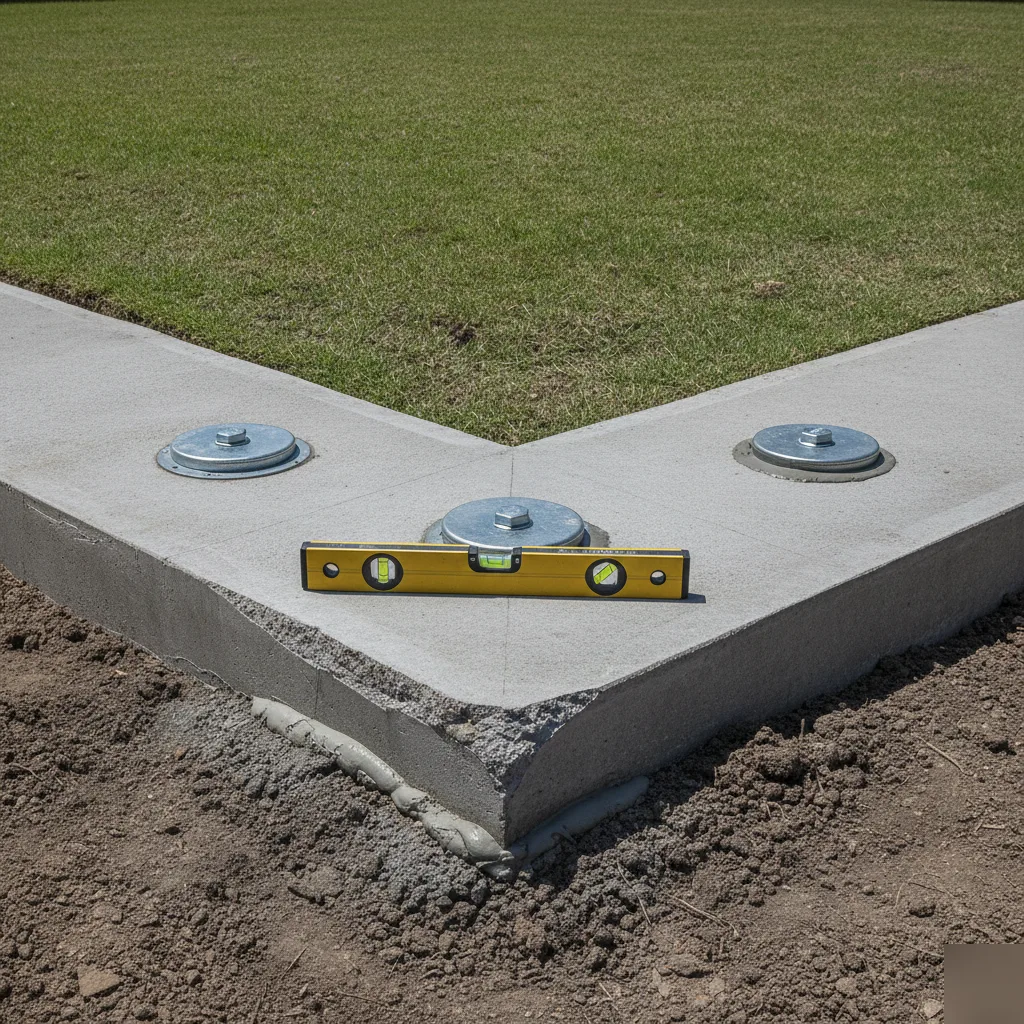
  • Slab pier installation places interior piers through the slab itself. This method addresses movement happening underneath the center of the house, not just the perimeter.
  • Polyurethane foam injection uses a lightweight, expanding foam pumped beneath the slab to fill voids and raise settled sections. It offers a fast cure time and minimal disruption.
Crack injection during concrete slab foundation repair in Pflugerville

How do we choose one method over another? It depends on the depth of stable soil, how much the slab has moved, and where the damage is concentrated. A Pflugerville home on deep Blackland Prairie clay might need steel pilings driven 20 feet or more. A smaller void under a garage slab might only need foam injection.

We often see homes where two methods work together on the same job.

Perimeter piers can address the edges, while interior slab piers fix a dip near the kitchen or bathroom. Sometimes, tunneling is the right choice when we need access beneath the slab without cutting through your floors. Our crew has over 40 years of combined experience selecting the correct combination, not just the easiest one. Every repair starts with your foundation's actual needs.

After the work

Permits, Inspections, and What Happens After the Work Is Done

A common question we hear is, "Do I need a permit for this?" In Pflugerville, most concrete slab foundation repair jobs do not require a building permit. However, some do. It depends on the scope of work and whether structural changes are involved. We handle that part for you, so you don't have to guess.

Once the repair work finishes, the job isn't truly complete. Not for us. We walk the entire property with you, reviewing everything we did. We show you where each pier was placed, how much lift was achieved, and what the slab looked like before and after. You'll receive documentation to keep on file or provide to a buyer later.

Here's what to expect in the days and weeks after we leave:

  • Minor cosmetic cracks in drywall or brick may appear as the structure settles into its corrected position. This is normal.
  • Doors and windows that were sticking should open and close more easily, sometimes within hours of the lift.
  • We suggest waiting two to three weeks before doing any cosmetic patching. This allows the house time to fully adjust.
  • If you had gaps between walls and ceilings, watch them gradually close over the first few days.

What if something doesn't look right? Call us. Our lifetime transferable warranty means we will return. For steel push pier installations, any future settling adjustments are made at no cost to you. That warranty transfers if you sell the home — a significant benefit during inspections in neighborhoods like Windermere and Springbrook, where buyers often ask about foundation history.

We are a BBB member and locally owned Pflugerville slab foundation specialists. We won't disappear after our trucks leave.

Some homeowners in Pflugerville worry they will need a structural engineer's report after the work. In many cases, we can coordinate that as well. If a lender or buyer's agent requests one, we can help move things along quickly. Our goal is simple: your foundation is stable, your paperwork is clear, and you can move on with life.

Frequently asked questions

Concrete slab foundation repair in Pflugerville, answered

How long does a concrete slab foundation repair take in Pflugerville?

Most concrete slab foundation repairs in Pflugerville take one to three days to complete. The timeline depends on how many piers are needed and how much the slab has shifted. A home needing six to eight piers is usually done in a single day. Homes with more severe movement may need an extra day for the concrete to cure before the job is finished. We'll give you a clear timeline before any work begins.

Does Pflugerville's clay soil make foundation problems worse over time?

Yes, Pflugerville's Blackland Prairie clay actively works against your slab every single year. The soil shrinks during long, dry summers and swells again when spring rains arrive. This cycle repeats season after season. Each year of movement adds up. Homes in neighborhoods like Windermere and Heatherwilde have gone through 30-plus years of this. The longer the cycle continues without repair, the more the slab shifts and the more damage builds inside your home.

What should I expect when a foundation repair crew arrives at my home?

When our crew arrives, they'll start with a full walkthrough before any digging begins. They'll review the elevation survey data, mark pier locations around the exterior, and explain each step to you. You don't need to move furniture unless we ask. Most of the work happens outside. Inside, you may hear some noise as the slab is lifted back toward its original position. We walk you through what we found and what we did before we leave.

My door sticks every summer but fixes itself in fall — is that a real foundation problem?

Yes, that seasonal pattern is a real warning sign, not just "Texas heat." When doors stick in dry months and loosen up after rain, it means the clay soil beneath your slab is shrinking and swelling with the seasons. We've seen this exact pattern in Pflugerville homes where the movement had been compounding quietly for years. Each cycle pushes the slab a little further. By the time it becomes obvious, the repair is often larger than it would have been if caught early.

Do all slab foundation problems require piers to fix?

No, not every slab foundation issue requires piers. Some homes show minor settling that doesn't yet need structural work. A proper elevation survey tells us exactly what's happening beneath your slab. If the movement is small and hasn't caused structural damage, we'll tell you that directly. We only recommend piers when the data shows the slab has shifted enough to affect the structure of your home. You deserve an honest answer, not a repair you don't need.

How do I know if a crack in my Pflugerville home is cosmetic or structural?

A crack wider than a quarter inch is a structural concern and shouldn't be ignored. Hairline cracks in drywall can happen from normal settling and are usually cosmetic. The bigger red flag is when you see multiple signs at once — sticking doors, diagonal cracks near window corners, and uneven floors all appearing together. That combination points to real movement beneath the slab. One crack alone may not mean much. A pattern of cracks alongside other symptoms means it's time to call for an assessment.

Catching these signs early saves a bigger repair later

There's no risk in having us take a look. Our free estimate gives you honest answers — your foundation won't fix itself, but the repair process doesn't have to be stressful. Call Bats Foundation Repair today.